A headlamp is not optional gear -- it is one of the 10 Essentials, and any hike that starts before dawn or ends after dark requires one. It is also the piece of gear you interact with most: setting up camp, cooking dinner, reading in the tent, navigating after sunset, and finding the zipper at 3 AM. A bad headlamp is a daily frustration, while a good one disappears into the background and just works. Modern headlamps are incredibly capable: sub-1-oz options put out 300+ lumens, and rechargeable models last multiple nights between charges. Here are the best headlamps for hiking in 2025.
What to Look for in a Hiking Headlamp
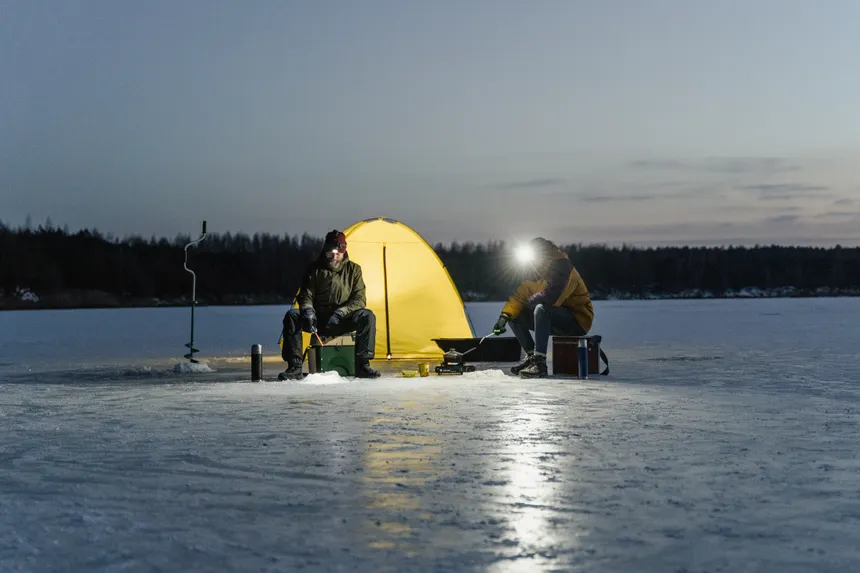
- Lumens: 200 to 400 lumens for general hiking; 400 to 700 for trail running or fast terrain; 800+ for technical route-finding at night. Marketing lumens are always peak output on the highest setting, so read the runtime at the mode you will actually use.
- Beam distance: 50 to 100 meters is fine for walking; 100+ meters matters for technical terrain where you need to read trail markers or rock features ahead.
- Battery life: look for at least 6 hours on medium beam; USB-C rechargeable is increasingly standard. Avoid micro-USB if you can.
- Weight: under 3 oz for day hiking; under 2 oz for ultralight backpacking
- Waterproofing: IPX4 (splash-proof) minimum; IPX7 for brief submersion; IPX8 for extended submersion
- Red night mode: preserves night vision without blinding tentmates
- Lock mode: any headlamp without a travel lock is a liability in your pack, where it can switch on and drain
Quick Picks by Use Case
- Best for most hiking: Black Diamond Spot 400 / Spot 350-R
- Best ultralight: Nitecore NU25 400 or Petzl Bindi
- Best budget: Black Diamond Cosmo 350-R or Princeton Tec Byte
- Best for backpacking with field-replaceable batteries: Petzl Actik Core
- Best for alpine and night trail running: Petzl Nao RL or Petzl Swift RL
- Best sweat-friendly strap: BioLite HeadLamp 330
Top Headlamp Picks
- Black Diamond Spot 400 -- 400 lumens, IPX8, 2.6 oz, runs on AAA batteries (reliable in cold). The most popular hiking headlamp. Excellent value. The rechargeable Spot 400-R version charges via USB-C in about 2.5 hours and adds Proximity and Distance modes: short-press cycles brightness, long-press activates a wide, diffuse proximity mode for camp tasks while still keeping throw when you need it.
- Black Diamond Spot 350-R -- rechargeable version of the classic Spot. 350 lumens, IPX8. The go-to for most hikers upgrading to USB charging.
- Black Diamond Cosmo 350-R -- the best budget pick or pack spare at around $35. 350 lumens, USB rechargeable, 90 g, IPX4. The beam runs more flood than throw, which is fine for hiking, and mid settings last a full long trail day.
- Nitecore NU25 400 -- 400 lumens, USB-C rechargeable, only 1.6 oz. The best lightweight option for fast-and-light hiking.
- Petzl Bindi -- a 35 g ultralight light (less than a granola bar) that delivers 200 lumens and lays flat against the forehead with no bulky housing. Perfect for gram-counting backpackers and camp use, though the 200-lumen cap rules it out for fast technical terrain.
- Petzl Actik Core -- the backpacker's choice at around $60: 600 lumens, USB-C rechargeable, and it also accepts standard AAA batteries as a field-replaceable backup. On a multi-week expedition you can recharge from a power bank on normal days and buy AAA cells in any small town if the bank dies. 87 g, with a reactive lighting mode for moving between forest and open terrain.
- Petzl Swift RL -- reactive lighting auto-adjusts to ambient light. Rechargeable via USB-C. Excellent for long trail running efforts.
- Petzl Nao RL -- the high-output choice at around $200 for night trail running, canyoneering, and technical alpine starts. 1500 lumens peak, real-time reactive lighting, Bluetooth programmable via the MyPetzl app, USB-C rechargeable. Overkill for most day hikers, but nothing else comes close for serious night athletes.
- BioLite HeadLamp 330 -- 330 lumens, 54 g, USB-C, with a moisture-wicking washable fabric headband that solves the sweat and pressure problem of conventional elastic straps. The pick for summer hikers and trail runners who find normal headlamp straps uncomfortable.
- Princeton Tec Byte -- the rare good cheap headlamp at around $20. A single AAA battery, an honest 100 lumens, and 40 hours of runtime on low. Not rechargeable, but built to a real standard, making it an excellent first headlamp or featherweight backup.
Headlamp vs Flashlight for Camp
For almost all hiking and camp use a headlamp beats a flashlight because it keeps your hands free while you pitch a tent, cook, or gather wood. A flashlight is only better for stationary, directional tasks like lighting an area or signaling. The one exception for car camping is a lantern, which throws even, ambient light over a whole campsite better than a forehead beam.
What to Skip
Avoid headlamps that run only on disposable batteries (environmental waste and recurring cost), headlamps with a single brightness mode (high only means constant high drain), and any headlamp claiming astronomical lumen counts at under $20. Those numbers are fabricated. A real 200-lumen headlamp from Black Diamond or Petzl outperforms a fake 1000-lumen headlamp from an unknown brand every time.
Headlamp Tips
Always carry fresh backup batteries or a USB battery bank on overnight trips -- headlamps drain faster in cold temperatures. Store your headlamp with batteries removed or turned backward, or use its lock mode, to prevent accidental drain in your pack. Check the battery status before every hike, and judge runtime at the brightness you will actually use (often around 100 lumens) rather than at max.
Best Headlamps for Hiking FAQs
200-300 lumens handles most trail hiking situations. 400+ lumens is better for off-trail navigation, technical terrain, or trail running. Brightness is less important than beam pattern -- a well-designed 200-lumen headlamp with a good spot and flood mode often outperforms a cheap 400-lumen lamp.
Yes, for most hikers. USB-C rechargeable headlamps are convenient, cheaper to run long-term, and more environmentally friendly. The one exception: very cold conditions below 15 degrees F, where lithium AAA batteries outperform rechargeable lithium-ion cells, or remote multi-week expeditions where a model that accepts standard AAA batteries (like the Petzl Actik Core) gives you a field-replaceable power source. For regular 3-season use, rechargeable is the better choice.
At a moderate brightness (around 100 to 150 lumens), a quality rechargeable headlamp should last 10 to 15 hours. Always check the runtime at the specific mode you will use, not just max brightness. Max-brightness runtimes of 1 to 3 hours are normal, which is exactly why dimmer modes exist.
Headlamps keep your hands free, which is almost always what you want in camp when setting up a tent, cooking, or gathering wood. Flashlights are better for stationary illumination like lighting up an area or signaling, but they are awkward to carry while doing tasks. For most outdoor use, a headlamp is more practical.
Use the lock mode. Most quality headlamps have one, usually activated by holding the power button for 2 to 3 seconds until an indicator shows locked. If yours has no lock, remove the battery when packing, or put the headlamp in a small stuff sack oriented so the button cannot be pressed.
Both brands make excellent headlamps and they dominate the category for good reason. Black Diamond has a slight edge in build quality and water resistance. Petzl leads in reactive lighting technology and offers a wider range of high-output options. Choose based on the specific model rather than brand loyalty.
On any multi-night trip, yes. A dead headlamp is a genuine safety issue, not just an inconvenience. Your backup does not need to be powerful. The Princeton Tec Byte at around $20 weighs almost nothing and gives you 100 lumens if your primary fails. Many hikers carry their old headlamp as a backup after they upgrade.