New Mexico Wilderness: A 10-Day Itinerary
One state, caves, dunes, cliffs & rivers, all in wild New Mexico.
A 10-day loop through wild New Mexico: the Gila Wilderness and its cliff dwellings, Carlsbad Caverns, White Sands, Bandelier, Valles Caldera and the Rio Grande Gorge near Taos.
“I’ve requested to book a Chain Lakes Loop guide on ExplorOFF, and it was the best idea ever! I highly recommend going with their guided option since you get a real human connection on the trail and don’t have to worry about a thing. Yulia was great to talk to!”
 25 stops on a real mapEvery stop pinned in order→
New Mexico: every stop pinned in order.
Gila, Carlsbad, White Sands, Taos & the Bisti Badlands · New Mexico
Every stop on this trip, in order, opens as one driving route in the Google Maps app. No copying addresses across one at a time.
New Mexico in photos: 6 of the stops.




Plan and book your 10 days in New Mexico, one step at a time
- The Rio Grande below Taos Junction Bridge is running about 163 cfs today, low late-season water, and Kokopelli's booking calendar shows no open Racecourse half-day dates right now. For a fall trip, check dates before you plan day 9 around the raft. Source
How 10 days in New Mexico split up
Plan 10 days for New Mexico. Total distance: ~1,300 mi. Difficulty: Moderate. Parks pass: $15–$30. New Mexico is the wildest of the Southwest states and one of the least crowded, a high-desert sweep of volcanic country, ancient cliff dwellings, gypsum dunes, and river canyons. It holds the Gila Wilderness, designated in 1924 as the world's first wilderness area, alongside two national parks and a string of monuments and preserves that almost no one rushes through.
Day 1: Fly in & drive to Silver City · gateway to the Gila
3 stops · Day one
Day 2: The Gila Wilderness · cliff dwellings & hot springs
3 stops · Day two
Day 3: The long drive east to Carlsbad
2 stops · Day three
Day 4: Carlsbad Caverns · the Big Room & the bat flight
3 stops · Day four
Day 5: White Sands National Park · the gypsum dunes
3 stops · Day five
Day 6: Drive north to Santa Fe & Bandelier country
2 stops · Day six
Day 7: Bandelier National Monument · cliff dwellings & ladders
3 stops · Day seven
Day 8: Valles Caldera Preserve & drive to Taos
2 stops · Day eight
Day 9: Rio Grande Gorge & Wild Rivers · rafting near Taos
3 stops · Day nine
Day 10: Taos to Albuquerque & the flight home
1 stops · Day ten
Fly in & drive to Silver City · gateway to the Gila
Start in Albuquerque (ABQ) or El Paso (ELP) and make the long drive southwest to Silver City, the historic mining town that is the gateway to the Gila country. It is roughly 4 hours from Albuquerque or about 2.5 hours from El Paso, through wide-open high desert with few services, so fill up and stock up before you leave the interstate.
Not the order you want? Drag a stop, or use the arrows beside it. Stops move between days too.
 Drive from
~4 hr · high desert · fuel up first · DriveStart in Albuquerque (ABQ) or El Paso (ELP) and drive southwest to Silver City, the gateway to the Gila country. It is roughly 4 hours from Albuquerque or about 2.5 hours from El Paso, through wide-open high desert with few services, so fill up and stock up before you leave the interstate.
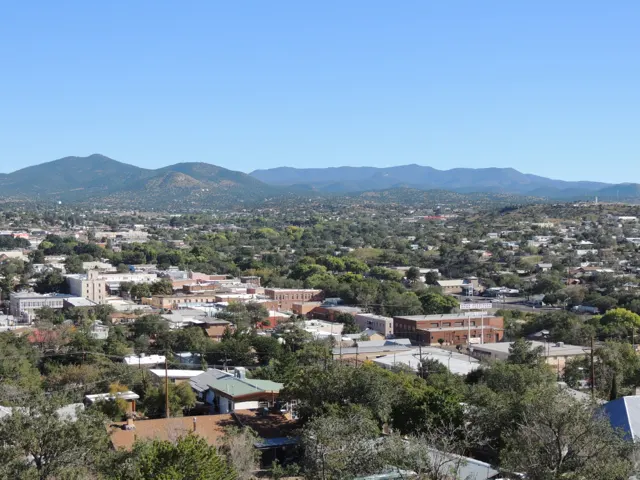 PA Stanley / CC BY-SA 3.0Historic downtown Silver City
Gateway town · last good services · ViewpointSilver City is a walkable old mining town with galleries, good food, and the last reliable services before you head deep into the Gila. Use the evening to buy supplies and water, because the road up to the cliff dwellings is slow and remote.
- Stay in Silver City
Gateway to the Gila Wilderness · lodgeBase in Silver City for the next two nights, the gateway to the Gila Wilderness. It sets you up for the long, winding drive up to the cliff dwellings and hot springs tomorrow, with the last good lodging and supplies before the backcountry.
The Gila Wilderness · cliff dwellings & hot springs
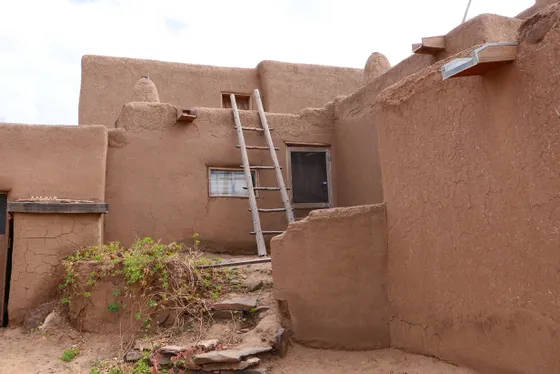
Drive the slow, scenic road north into the Gila Wilderness, the world's first designated wilderness, set aside in 1924. Walk the loop trail up to the Gila Cliff Dwellings, a cluster of stone rooms built into canyon alcoves by the Mogollon people over 700 years ago, reached by a short climb that ends among the cool cliff chambers.
Not the order you want? Drag a stop, or use the arrows beside it. Stops move between days too.
- Gila Cliff Dwellings
Mogollon cliff rooms · short loop climb · ViewpointDrive the slow, scenic road north into the Gila Wilderness, the world's first designated wilderness (1924). Walk the loop trail up to the Gila Cliff Dwellings, a cluster of stone rooms built into canyon alcoves by the Mogollon people over 700 years ago, reached by a short climb.
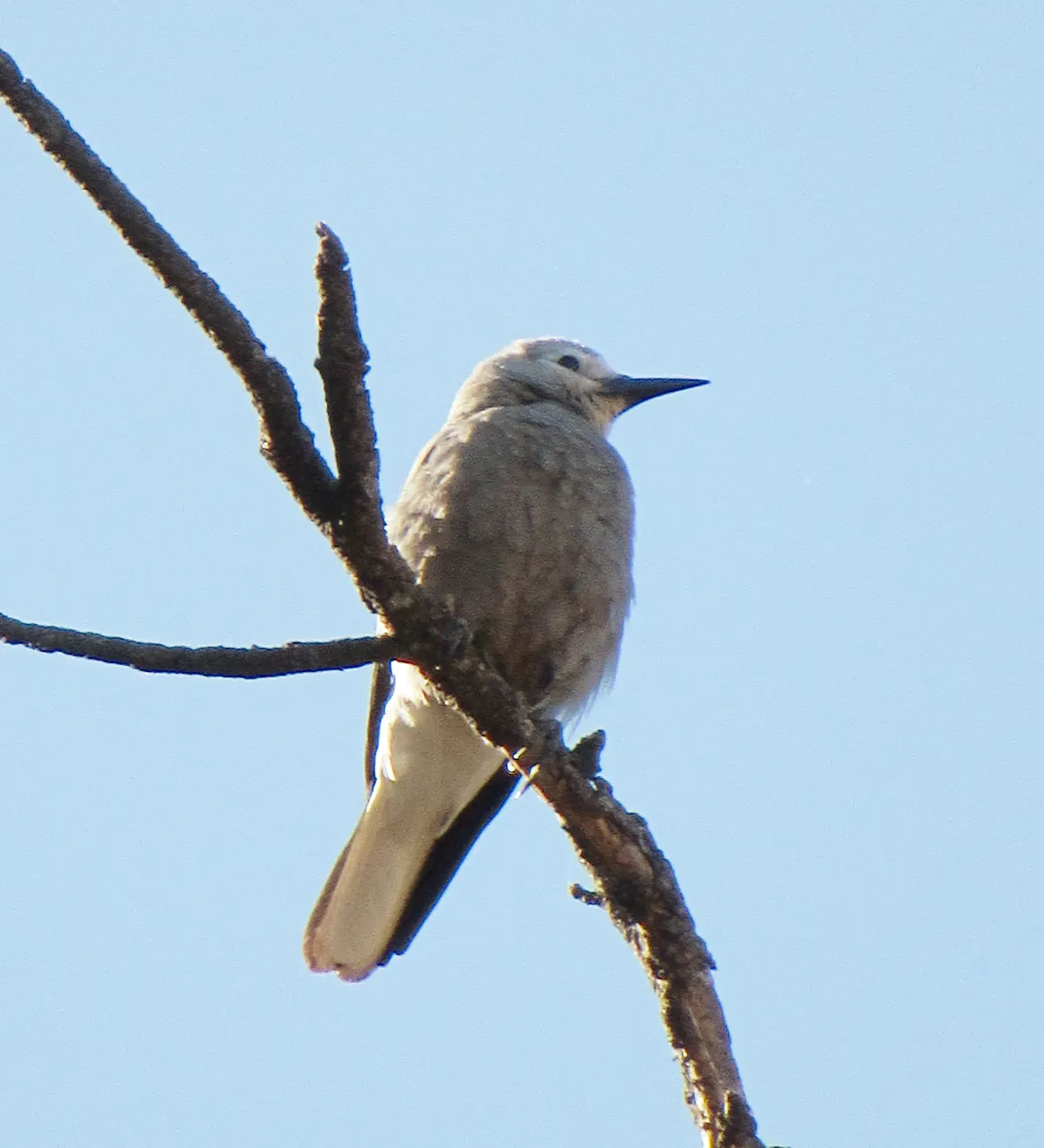 wendybirdsbyrv / CC BY 4.0Soak in a Gila River hot spring
Wild riverside springs · check conditions · ViewpointSoak in one of the area's wild hot springs along the Gila River, a classic reward after the drive in. The springs are unmaintained, so test the water, avoid putting your head under, and pack out everything. Check current conditions at the visitor center first.
- Second night in Silver City
Return for services & supplies · lodgeLodging up in the Gila is limited, so many travelers return to Silver City for the night. The winding access road is slow, around 2 hours each way, so give yourself time to drive back before dark and restock for the long transfer east tomorrow.
The long drive east to Carlsbad
The Catwalk near Glenwood, a metal walkway hung over Whitewater Canyon, is worth a detour on a longer Gila stay, but it sits 1.3 hours northwest of Silver City, the wrong way for today. Swap it in for the cliff dwellings on day 2 if it appeals more.
Not the order you want? Drag a stop, or use the arrows beside it. Stops move between days too.
- Drive east to Carlsbad via Las Cruces
~320 mi · 5+ hr · fuel up in Las Cruces · DriveToday is the long transfer east across southern New Mexico, about 320 miles and five-plus hours from Silver City to Carlsbad through Las Cruces and the Guadalupe foothills. Fuel up in Las Cruces, carry snacks and water, and arrive with time to rest before an early start at the caverns.
- Stay in Carlsbad
Base for Carlsbad Caverns · lodgeBegin the long transfer east across southern New Mexico to Carlsbad, your base for the caverns. It is a big driving day across wide, empty country, so fuel up, carry snacks and water, and break it up at viewpoints. Arrive in time to rest before an early start at the caverns.
Carlsbad Caverns · the Big Room & the bat flight
Spend the day underground at Carlsbad Caverns National Park. Walk in through the steep Natural Entrance or take the elevator down, then circle the Big Room, an enormous chamber the size of several football fields, decorated with towering stalagmites, draperies, and columns along a roughly 1.25-mile self-guided loop 750 feet below the surface.
Not the order you want? Drag a stop, or use the arrows beside it. Stops move between days too.
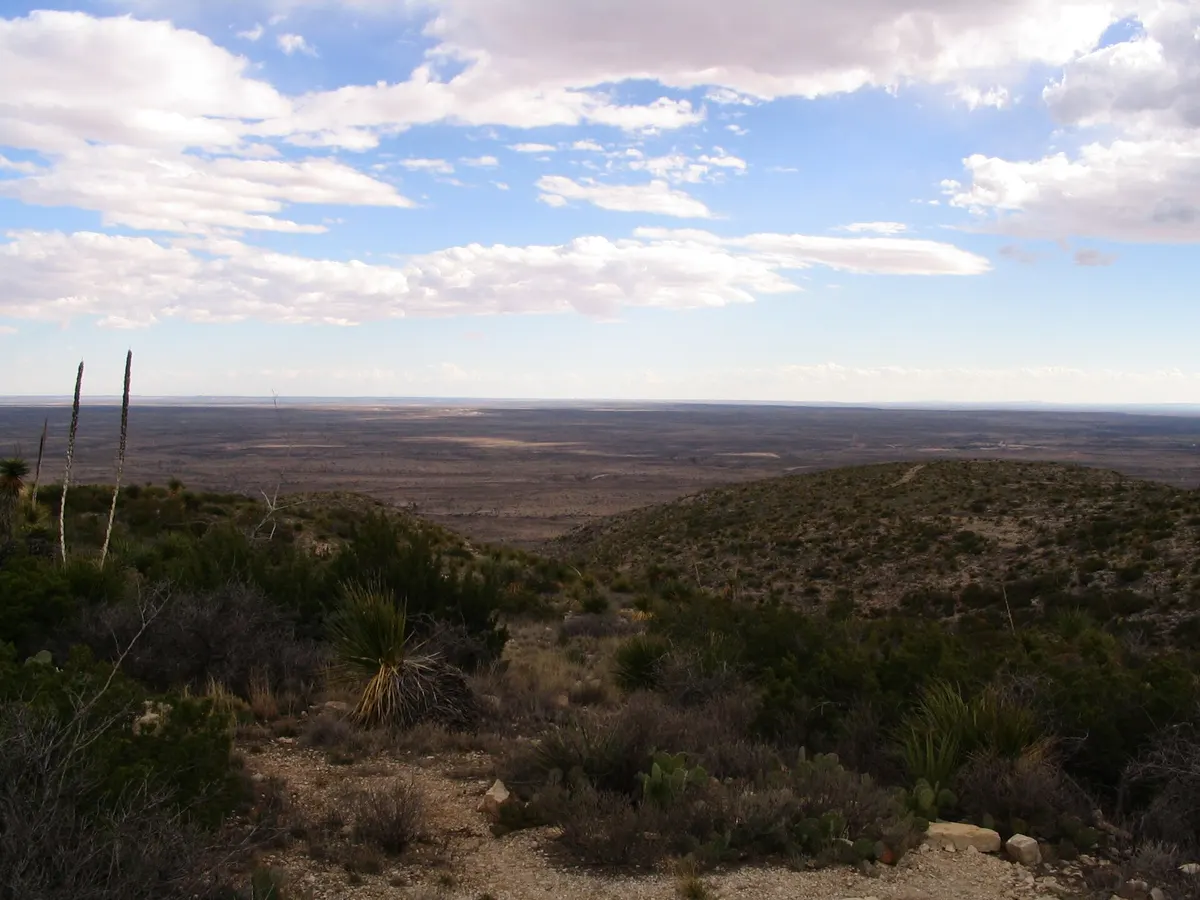 Ken Lund / CC BY-SA 2.0Carlsbad Caverns · the Big Room
~1.25 mi loop · 750 ft down · timed entry · ViewpointWalk in through the steep Natural Entrance or take the elevator down, then circle the Big Room, an enormous chamber the size of several football fields decorated with towering formations along a roughly 1.25-mile self-guided loop 750 feet below the surface. A timed-entry reservation is required, and the cave stays around 56°F.
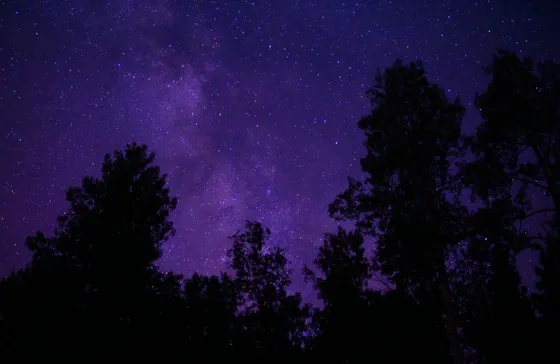 The evening bat flight
Hundreds of thousands of bats at dusk · ViewpointIn the warmer months, stay for the famous bat flight at dusk, when hundreds of thousands of Brazilian free-tailed bats spiral up out of the Natural Entrance to feed. It is seasonal, roughly late spring through October, so check the program schedule at the visitor center. Phones and cameras are not allowed at the amphitheater.
- Second night in Carlsbad
Stay put after the bat flight · lodgeStay a second night in Carlsbad so you can enjoy the bat flight without a long drive afterward. It keeps you rested before the drive west to White Sands tomorrow, with services, food, and fuel in town.
White Sands National Park · the gypsum dunes
Drive west to White Sands National Park, the world's largest gypsum dunefield, where 275 square miles of brilliant white sand roll like snow across the Tularosa Basin. Drive the Dunes Drive into the heart of the dunefield, then hike out among the dunes on the marked Alkali Flat Trail or the easier interdune boardwalk.
Not the order you want? Drag a stop, or use the arrows beside it. Stops move between days too.
- Dunes Drive
~8 mi into the heart of the dunefield · DriveDrive west to White Sands National Park, the world's largest gypsum dunefield, where 275 square miles of brilliant white sand roll like snow across the Tularosa Basin. The Dunes Drive runs about 8 miles each way into the heart of the dunefield. Check for missile-test closures on the adjacent range before you go.
- Alkali Flat Trail
~5 mi loop · open dunes · no shade · HikeHike out among the dunes on the marked Alkali Flat Trail, about 5 miles across open gypsum, following the trail markers since footprints vanish fast in the wind. There is no shade and no water, so carry plenty and wear sun protection. Time it for late afternoon into sunset when the heat eases and the dunes glow gold and pink.
 D&RG Railfan / CC BY 3.0Stay in Alamogordo
Gateway towns for White Sands · lodgeBase in Alamogordo or Las Cruces, the gateway towns just outside White Sands. They put you close for a sunset on the dunes and set you up for the long drive north toward Santa Fe and Bandelier country tomorrow.
Drive north to Santa Fe & Bandelier country
Make the drive north up the Rio Grande corridor toward Santa Fe and the high country around Los Alamos, climbing out of the low desert into pinyon-juniper mesas and pine forest. It is a long but scenic transfer, and a good day to break the drive with a meal and a stop in Santa Fe's historic plaza before continuing up onto the Pajarito Plateau.
Not the order you want? Drag a stop, or use the arrows beside it. Stops move between days too.
- Santa Fe historic plaza
Break the drive · adobe streets · ViewpointDrive north up the Rio Grande corridor toward Santa Fe and the high country, climbing out of the low desert into pinyon-juniper mesas. Break the long transfer with a meal and a stop in Santa Fe's historic plaza, with its adobe streets and galleries, before continuing up onto the Pajarito Plateau.
- Stay in Santa Fe
Base for Bandelier & Valles Caldera · lodgeBase near Los Alamos or in the Santa Fe area for the next couple of nights, the springboard for the cliff dwellings and the Valles Caldera. You are now in cooler, higher terrain, so expect chilly nights and the chance of afternoon storms in monsoon season.
Bandelier National Monument · cliff dwellings & ladders
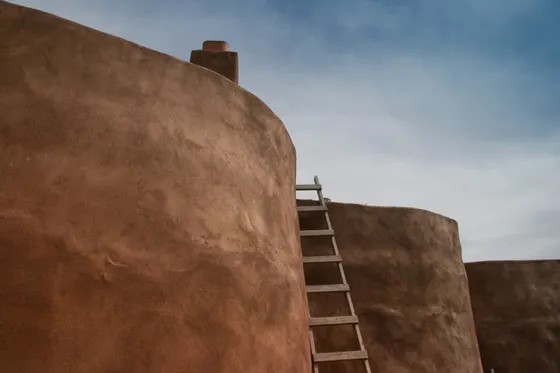
Spend the day at Bandelier National Monument, where ancestral Puebloan people carved homes into the soft volcanic tuff of Frijoles Canyon over 800 years ago. Walk the Main Loop Trail past the pueblo ruins and cavates, then climb the wooden ladders up into the cliff dwellings themselves, hand- and toeholds and all.
Not the order you want? Drag a stop, or use the arrows beside it. Stops move between days too.
- Main Loop Trail & cliff dwellings
~1.4 mi loop · ladders into the cliffs · HikeWalk the Main Loop Trail past the pueblo ruins and cavates of Frijoles Canyon, where ancestral Puebloan people carved homes into the soft volcanic tuff over 800 years ago, then climb the wooden ladders up into the cliff dwellings themselves. In peak season you ride a mandatory shuttle into the canyon, so check the access rules.
- Alcove House ladders
140 ft of ladders to a ceremonial cave · HikeIf you have energy, continue on the spur to Alcove House, a ceremonial cave reached by 140 feet of ladders bolted to the cliff, with a long view back down the canyon. The ladders are steep and exposed, so use both hands and skip it if you are uneasy with heights.
 Second night in Santa Fe
Short hop to Valles Caldera tomorrow · lodgeStay a second night in the Los Alamos or Santa Fe area so you can start at the Valles Caldera early tomorrow before driving over the mountains to Taos. Keeping the same base means no repacking between the cliff dwellings and the caldera.
Valles Caldera Preserve & drive to Taos
Start at Valles Caldera National Preserve, a vast circular grassland 13 miles across that fills the crater of a collapsed supervolcano. The huge green valleys, or valles, are some of the best places in New Mexico to see elk, especially at dawn and dusk, and the rolling meadows ringed by forested domes feel like nowhere else in the state.
Not the order you want? Drag a stop, or use the arrows beside it. Stops move between days too.
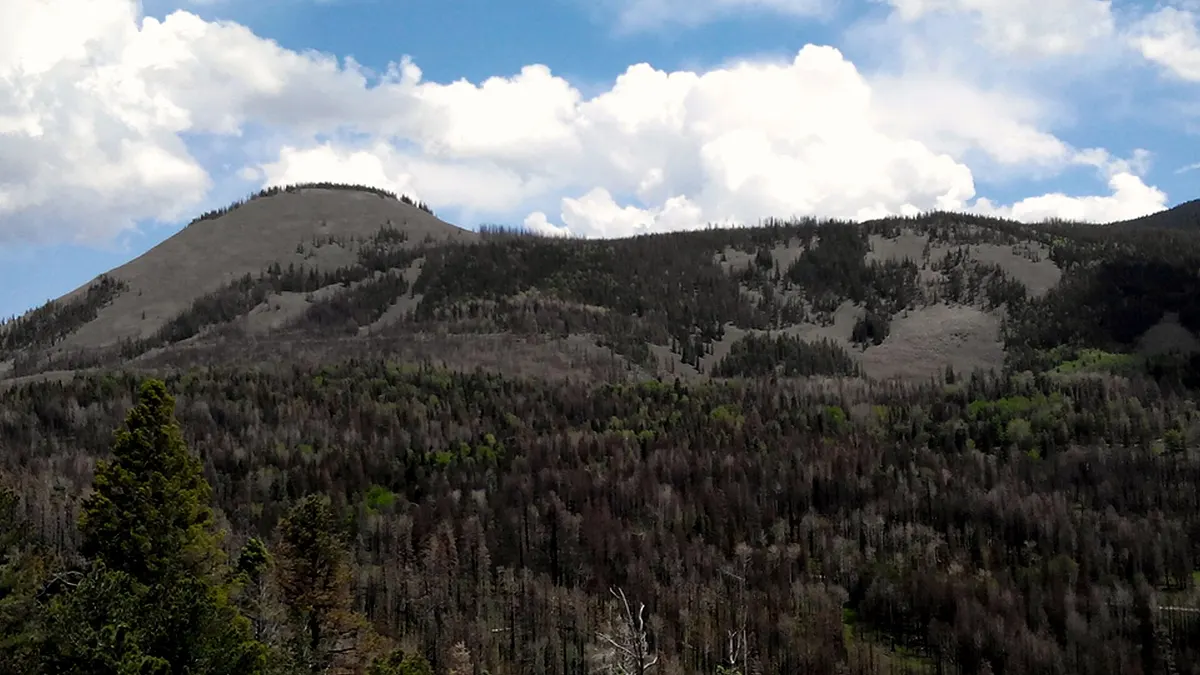 Aaron Zhu / CC BY-SA 3.0Valles Caldera National Preserve
13-mi volcanic grassland · elk at dawn & dusk · ViewpointStart at Valles Caldera National Preserve, a vast circular grassland 13 miles across that fills the crater of a collapsed supervolcano. The huge green valles are among the best places in New Mexico to see elk, especially at dawn and dusk. Access is limited and seasonal, so check current conditions before you go.
- Stay in Taos
High mesa town on the Rio Grande · lodgeDrive over the mountains to Taos, your base for the next two nights. Taos sits on a high mesa above the Rio Grande with the Sangre de Cristo peaks behind it, an artists' town with deep Puebloan roots. It sits above 6,900 feet, so nights are cold year-round.
Rio Grande Gorge & Wild Rivers · rafting near Taos
Today is about the river. The Rio Grande del Norte cuts an 800-foot gorge across the mesa just west of Taos, spanned by the high Rio Grande Gorge Bridge and protected upstream in the Wild Rivers area where the Rio Grande and the Red River meet. Walk the rim, then drop down into the canyon to see the river from below.
Not the order you want? Drag a stop, or use the arrows beside it. Stops move between days too.
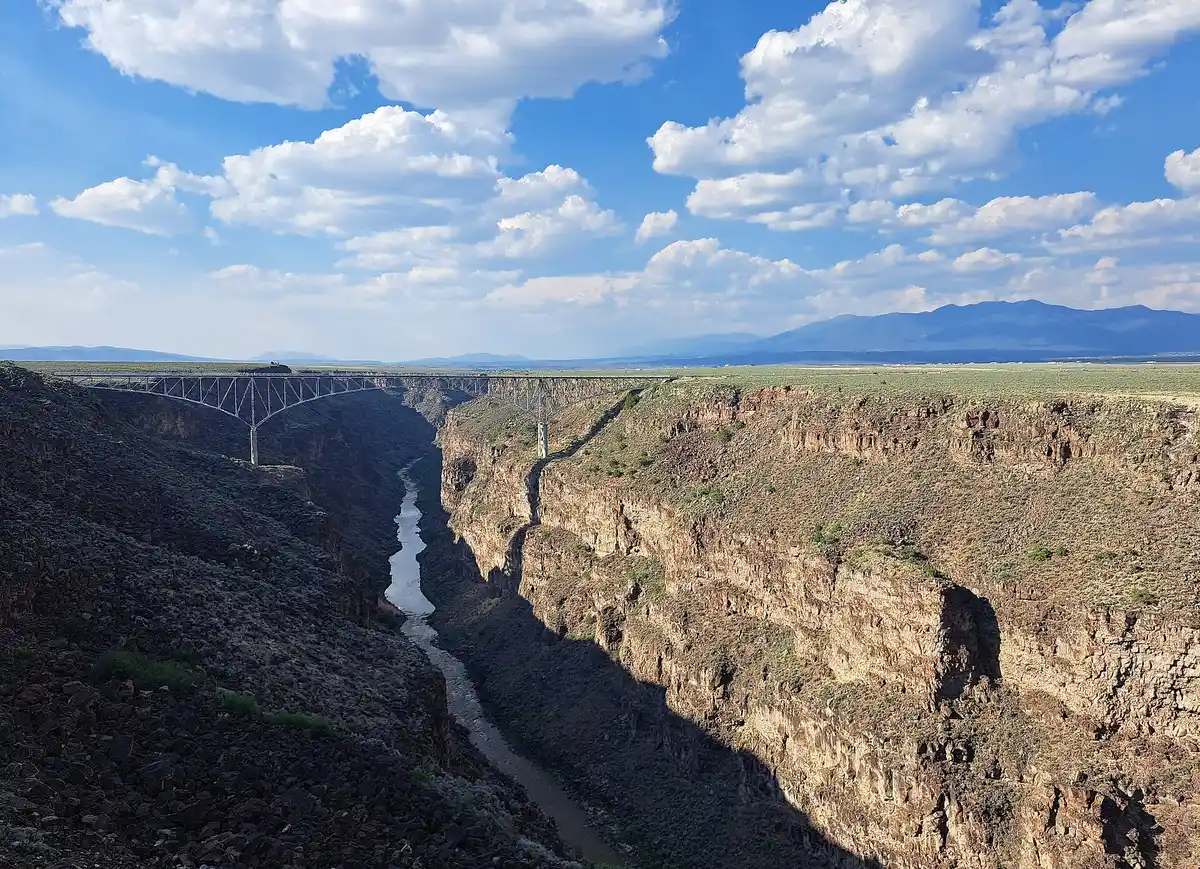 Adamnewbie / CC BY 4.0Rio Grande Racecourse raft · Kokopelli (Rivertrippers)
Half day · ~3 hr · class II-III in late season · activityBook a guided Rio Grande raft trip with Kokopelli / Durango River Trippers, running spring into early summer when the snowmelt is high. The famous Taos Box and Racecourse runs slice through black basalt walls you cannot reach on foot. Whitewater season is short, so reserve ahead, and carry layers because the canyon and water are cold.
Book this →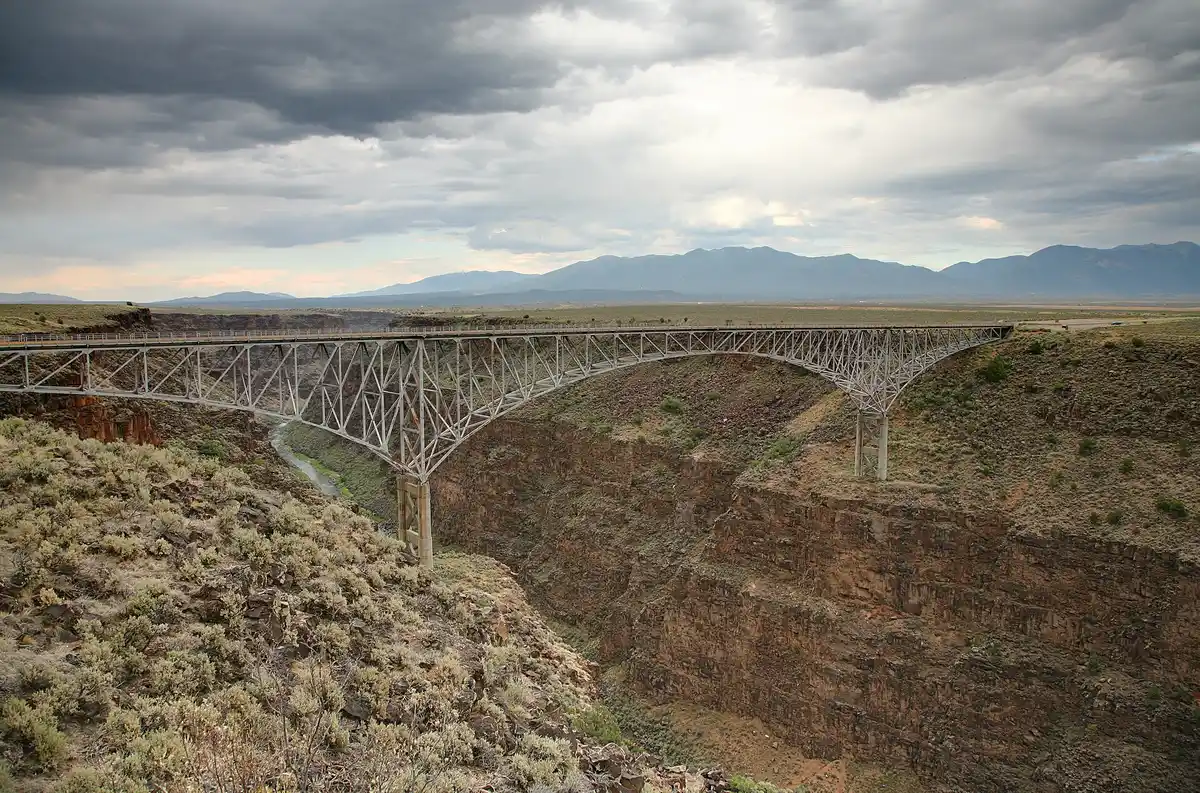 Daniel Schwen / CC BY-SA 4.0Rio Grande Gorge Bridge
High bridge over the 800-ft gorge · ViewpointThe Rio Grande del Norte cuts an 800-foot gorge across the mesa just west of Taos, spanned by the high Rio Grande Gorge Bridge. Walk the span for the dizzying views down to the river, then explore the rim trails and the Wild Rivers area upstream where the Rio Grande meets the Red River.
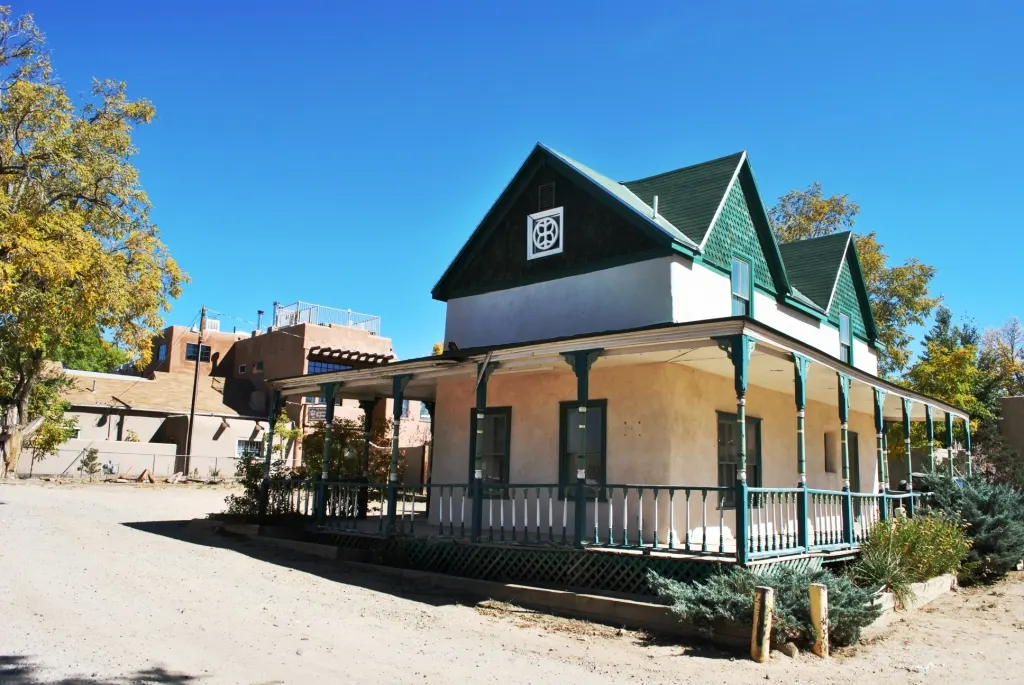 Elisa.rolle / CC BY-SA 3.0Second night in Taos
Short drive to the gorge · lodgeStay a second night in Taos, a short drive from the gorge and Wild Rivers. Tomorrow is an easy two and a half hours back to Albuquerque.
Taos to Albuquerque & the flight home
Take a slow last morning in Taos, then drive about two and a half hours south to Albuquerque (ABQ) through the Rio Grande canyon and Santa Fe. The Bisti/De-Na-Zin Badlands, a remote BLM wilderness of clay hoodoos, is 4.4 hours west of Taos and 3 more back to the airport, so it does not fit a flight day: save it for a trip of its own.
Not the order you want? Drag a stop, or use the arrows beside it. Stops move between days too.
- Drive Taos to Albuquerque (ABQ)
~130 mi · 2.5 hr · via Santa Fe · DriveDrive about two and a half hours from Taos to Albuquerque (ABQ) for your flight out, down the river road through the Rio Grande canyon and Santa Fe. The Bisti/De-Na-Zin Badlands are 4.4 hours west of Taos and then 3 more back to ABQ, too far for a flight day; save them for a longer trip.
Book the 9 nights
Beds near the trailheads are the one thing on this trip that genuinely runs out. Everything else can be decided later.
Tell us your dates and we will do the checking. We find what is still open near each trailhead and email you this plan back with a booking link for each night. Nothing is charged and you decide at the end.
Request to bookWhat to pack for New Mexico
Built from this route, not a generic list. Every line says why it is here.
On every day of this trip
On your feet
Because you are sleeping indoors
For the driving days
Specific to New Mexico
What we actually learned across New Mexico.
Reserve Carlsbad Caverns ahead
Carlsbad Caverns now requires a timed-entry reservation booked through recreation.gov, on top of the park entry fee. White Sands charges its own fee, and the America the Beautiful pass ($80) covers entry to both national parks. Reserve cave entry before you arrive.
Fuel up often across long distances
New Mexico is big and empty. The Gila, the drive to Carlsbad, and the run out to Bisti all cross wide stretches with few or no services. Fill your tank in every town you pass through, because the next gas station can be 60 miles or more away.
Carry far more water than you think
From the gypsum dunes to the trackless badlands, much of this route is high desert with no shade and no water on the trails. Carry at least a gallon per person per day, and never head out onto the dunes or into Bisti without plenty to drink.
Expect little to no cell service
The Gila, Bisti, Valles Caldera, and much of the open country have little or no signal. Download offline maps, set a GPS waypoint at trackless trailheads like Bisti, and tell someone your plan before heading into the backcountry.
Go in spring or fall
Spring and fall are the prime seasons, with mild days and cool nights. Summer brings the monsoon (July to September), so plan outdoor time for the morning and clear high ground before afternoon storms. Winter is cold and snowy in the high country.
Mind the big elevation range
This trip swings from low desert at White Sands and Carlsbad to high mountains at Taos and the Valles Caldera, over 7,000 feet. Pack warm layers for cold nights even in summer, and give yourself a beat to adjust to the altitude up north.
New Mexico: questions before you go
New Mexico wilderness road trip: the questions people ask most.
This 10-day New Mexico wilderness road trip loops through the Gila Wilderness and its cliff dwellings, Carlsbad Caverns, White Sands, Bandelier, the Valles Caldera, and the Rio Grande Gorge near Taos. It mixes caves, gypsum dunes, ancestral Puebloan cliff dwellings, huge volcanic grasslands, and river canyons across the wildest of the Southwest states.
Ten days is ideal for a full loop that reaches the far-flung corners of the state, from the Gila in the southwest to Carlsbad in the southeast, White Sands in the south, and Taos in the north. With less time, you can focus on one region, but New Mexico is large and remote, with long drives between its wildest places, so it rewards a slower pace.
Spring and fall are the best seasons, with mild days and cool nights across most of the state. Summer brings the monsoon from July through September, with strong afternoon thunderstorms, so plan outdoor activities for the morning. The high country around Taos and the Valles Caldera is cold and snowy in winter, while the low desert stays mild.
The Gila Wilderness in southwest New Mexico was designated in 1924 as the world's first wilderness area. It protects a huge swath of rugged forest and canyon country reached from Silver City. Its highlights include the Gila Cliff Dwellings, where the Mogollon people built stone rooms into canyon alcoves over 700 years ago, wild hot springs along the Gila River, and the dramatic Catwalk near Glenwood.
Yes. Carlsbad Caverns National Park requires a timed-entry reservation booked ahead through recreation.gov, in addition to the park entry fee. Reserve before you arrive, bring a light layer since the cave stays around 56°F, and check the seasonal bat-flight program schedule at the visitor center if you want to see the evening flight.
Yes. Guided Rio Grande raft trips run out of the Taos area, slicing through the basalt walls of the gorge on runs like the Taos Box and the Racecourse. Kokopelli / Durango River Trippers is one outfitter for the Rio Grande and the nearby Chama. Whitewater season is short, strongest with spring snowmelt from roughly April into June, so book ahead and bring layers for the cold canyon.
Three towns anchor the loop: Silver City for the Gila Wilderness and cliff dwellings, Carlsbad for the caverns, and Taos for the Rio Grande Gorge, the Valles Caldera, and Bandelier. Albuquerque (ABQ) and El Paso (ELP) are the gateway airports. Distances are long, so plan a few one-night stops on the bigger driving days between these bases.
The Bisti/De-Na-Zin Badlands are remote BLM wilderness with no marked trails, signs, shade, or water. You navigate out across the open clay to find the hoodoos, so set a GPS waypoint at the parking area and carry plenty of water. The dirt access road and the clay ground turn to impassable mud after rain, so avoid Bisti right after storms and never drive onto wet clay.
The high-desert mesas mean cell service often drops to zero and gas stations thin out fast, so treat the driving like backcountry. Stash a full-size spare tire and carry a paper topo map as a backup to your phone, and fuel up in every town you pass. Watch the weather closely, and never enter a slot canyon or a low wash if rain is forecast anywhere within roughly 30 miles, since a flash flood can arrive from a storm you cannot even see.
Yes. Tell us your dates and we check what is still open for the plan on this page, then send it back with a booking link for each night and the total. Nothing is charged and nothing is held, and you pay the normal rate.
Pick how you want to go.
Same 10-day route. Same 12 stops.
- 2 nights, a campsite near Silver City
- $44
- 2 nights, a campsite near Carlsbad
- $44
- 1 night, a campsite near Alamogordo
- $22
- 2 nights, a campsite near Santa Fe
- $44
- 2 nights, a campsite near Taos
- $44
- Rio Grande Racecourse raft · Kokopelli (Rivertrippers)
- Priced when you book
- 2 nights, a room in Silver City
- from $200
- 2 nights, a room in Carlsbad
- from $290
- 1 night, a room in Alamogordo
- from $85
- 2 nights, a room in Santa Fe
- from $530
- 2 nights, a room in Taos
- from $280
- Rio Grande Racecourse raft · Kokopelli (Rivertrippers)
- Priced when you book
- A private local guide, rooms and campsites booked
- Included
- Airport pickup and every drive
- Included
- Park, permit and campsite fees paid
- Included
- All the gear and the trail meals
- Included
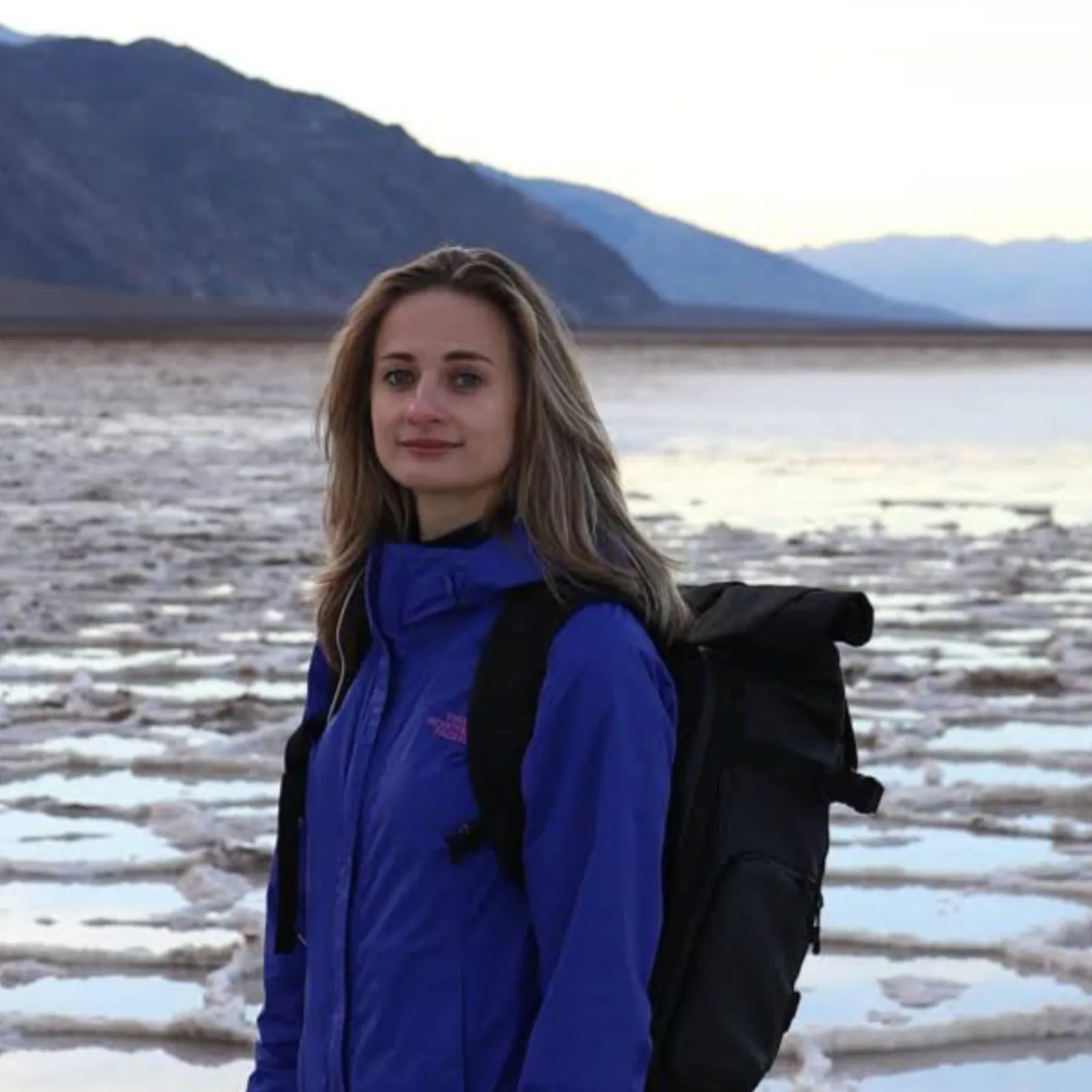
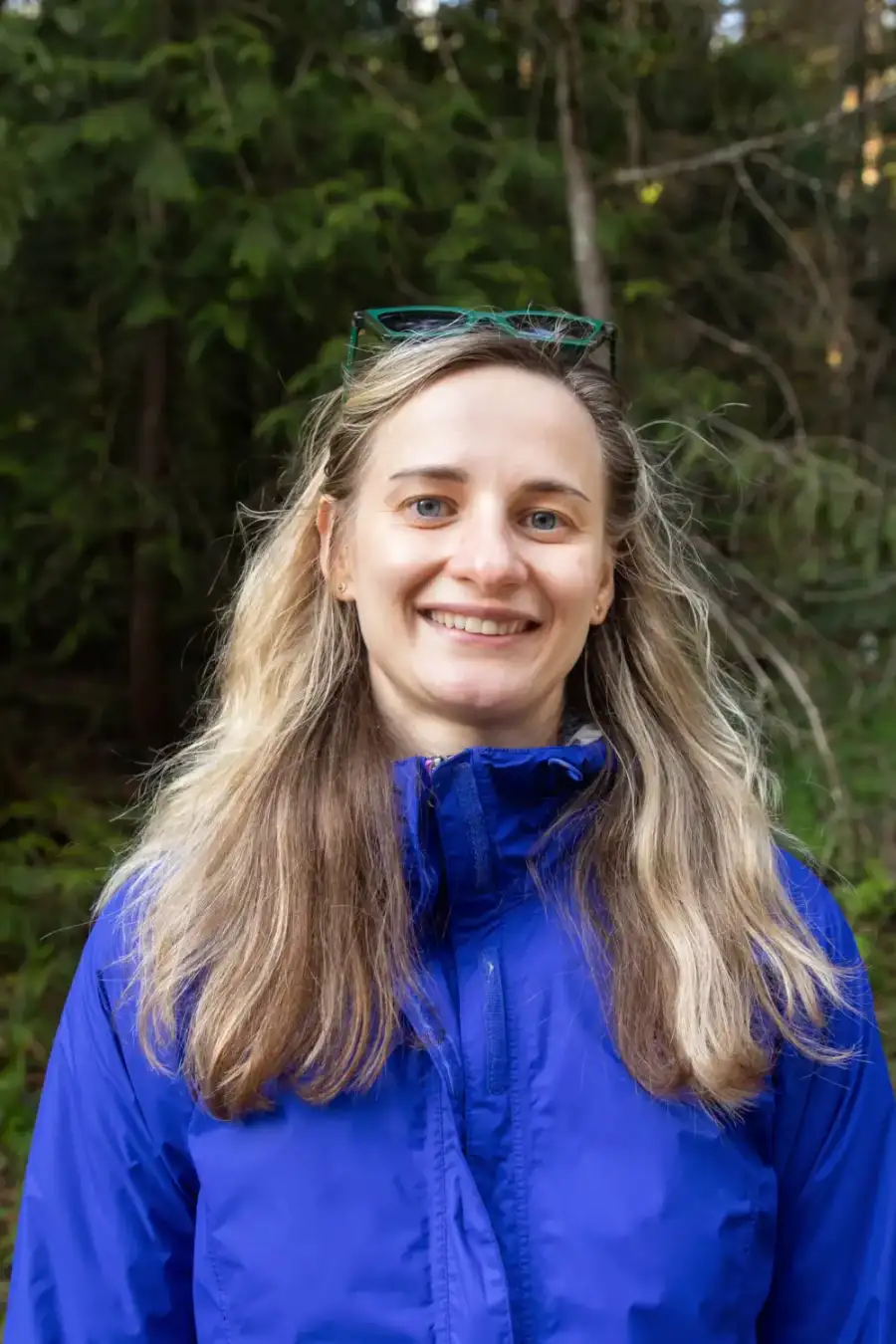
Written and walked by Yulia Vasilyeva · Co-founder · Lead planner and guide
Three years leading guided hikes in the Pacific Northwest, rated 5.0 by 20+ verified guests, and she builds every custom itinerary herself. Based in Seattle.
Last checked September 2026
You might also love these
Other itineraries near this one.

Valles Caldera New Mexico: A 2-Day Itinerary
Two days in Valles Caldera National Preserve: the vast Valle Grande meadow, the Coyote Call and Cerro La Jara hikes, world-class elk…

White Sands National Park: A Backcountry Weekend Itinerary
A 2-day weekend of White Sands National Park hiking: the Alkali Flat Trail across the world's largest gypsum dune field, the Dunes…
Weminuche Wilderness: Chicago Basin Backpacking
Reach Colorado's most remote 14ers by Durango & Silverton steam train. A 4-day backpacking trip to Chicago Basin with three fourteeners…
Guides for this tripBest Time to Visit New MexicoGila Wilderness Hiking GuideHiking White Sands National Park
What adventurers say about us.
All reviews are from verified guests. ★★★★★ 5.0 average from 20+ bookings.
"Felt like going out with a really knowledgeable friend who just happens to know everything about the area. No awkward tour-guide energy, just a magnificent day."
"Yulia is an incredible guide. She knew every trail, every viewpoint, and exactly how to pace the day for our group. The photos she took of us were stunning. 100% booking again."
"I was visiting Seattle solo and this was the best decision I made on the trip. Yulia picked me up, had snacks, and took us to a trail I never would have found on my own. Absolute must-do."
"We did this as a couple's trip and it was perfect. Yulia adapted everything to us, our pace, our interests, our photo obsession. The mountain views were unreal."
"Phenomenal experience. Yulia has deep local knowledge and a real passion for the outdoors. She went out of her way to show us the hidden gems tourists never see. Will remember this forever."
"I've done a few guided hikes and this was by far the best. Yulia is warm, funny, and genuinely expert. The trail she chose had the most insane wildflower bloom, we got so lucky."
Fees, reservation windows, shuttle dates and trail closures are planning estimates. Confirm hours, road status and any reservations with the land manager before you go.
What other travelers are saying
Be the first to leave a tip or question for the next traveler.
Was this helpful?
One tap. It goes straight to Yulia and Margarita.
You can't hike it if you can't get the permit.
The best hikes in America run on lotteries that open once a year and sell out in minutes. Every trail runs on its own calendar. Pick the ones you want and we do the watching.
 The WaveCoyote Buttes North · Arizona / UtahPermitLotterybrutal odds
 Half Dome CablesYosemite NP · CaliforniaPermitOpens Mar 1fair odds
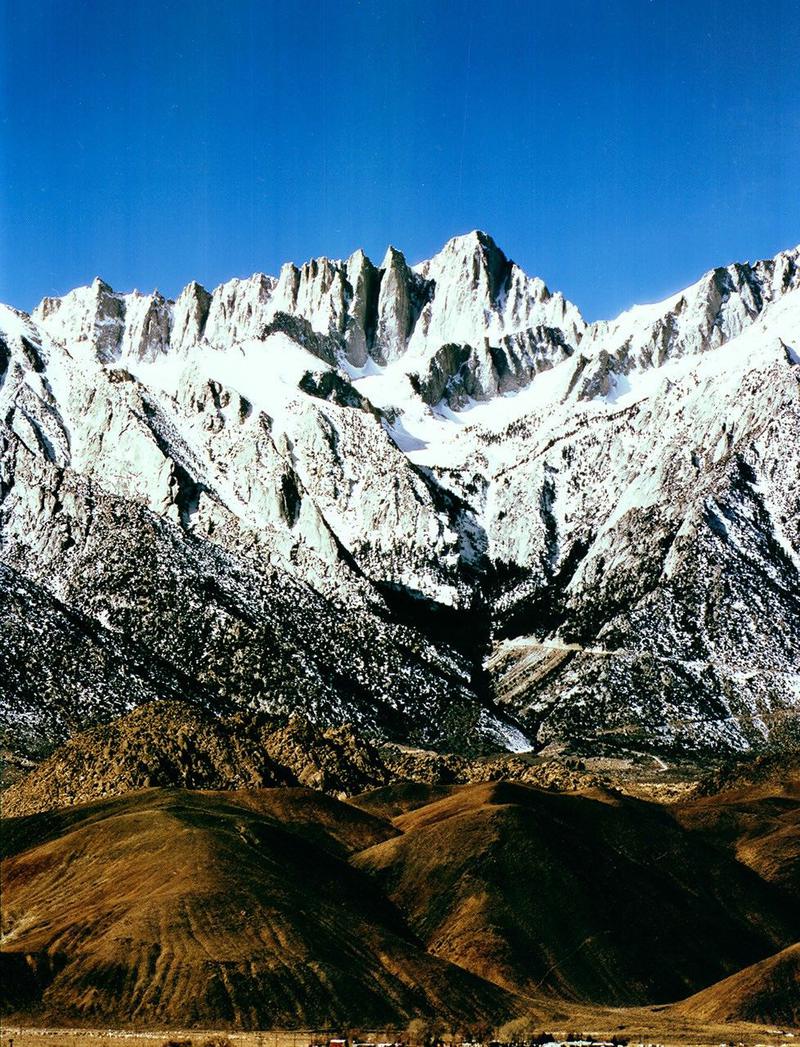 Mt. WhitneyInyo NF · CaliforniaPermitOpens Feb 1tough odds
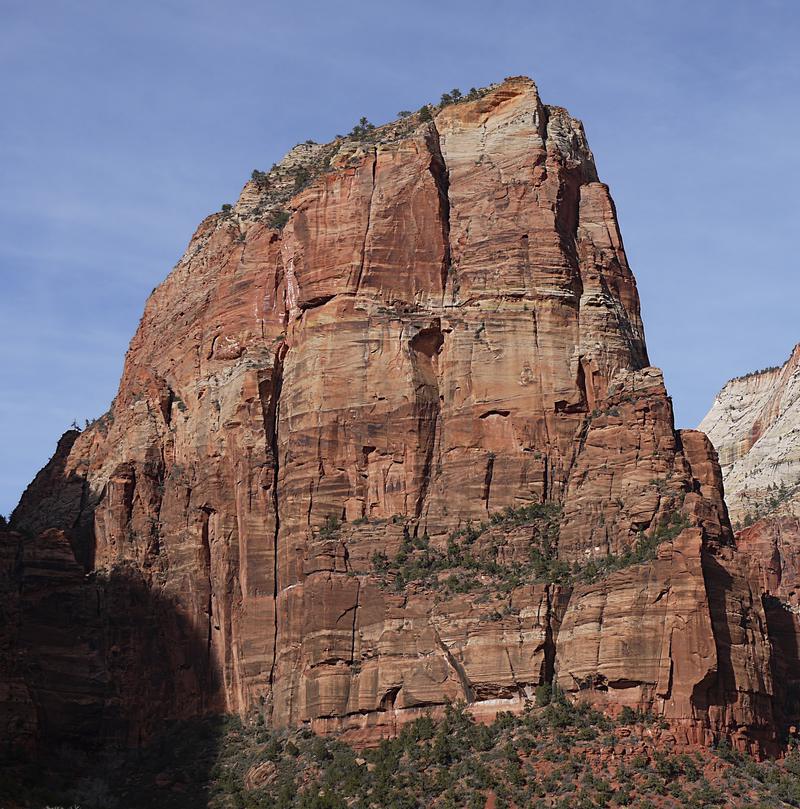 Angels LandingZion NP · UtahPermitLotterytough odds
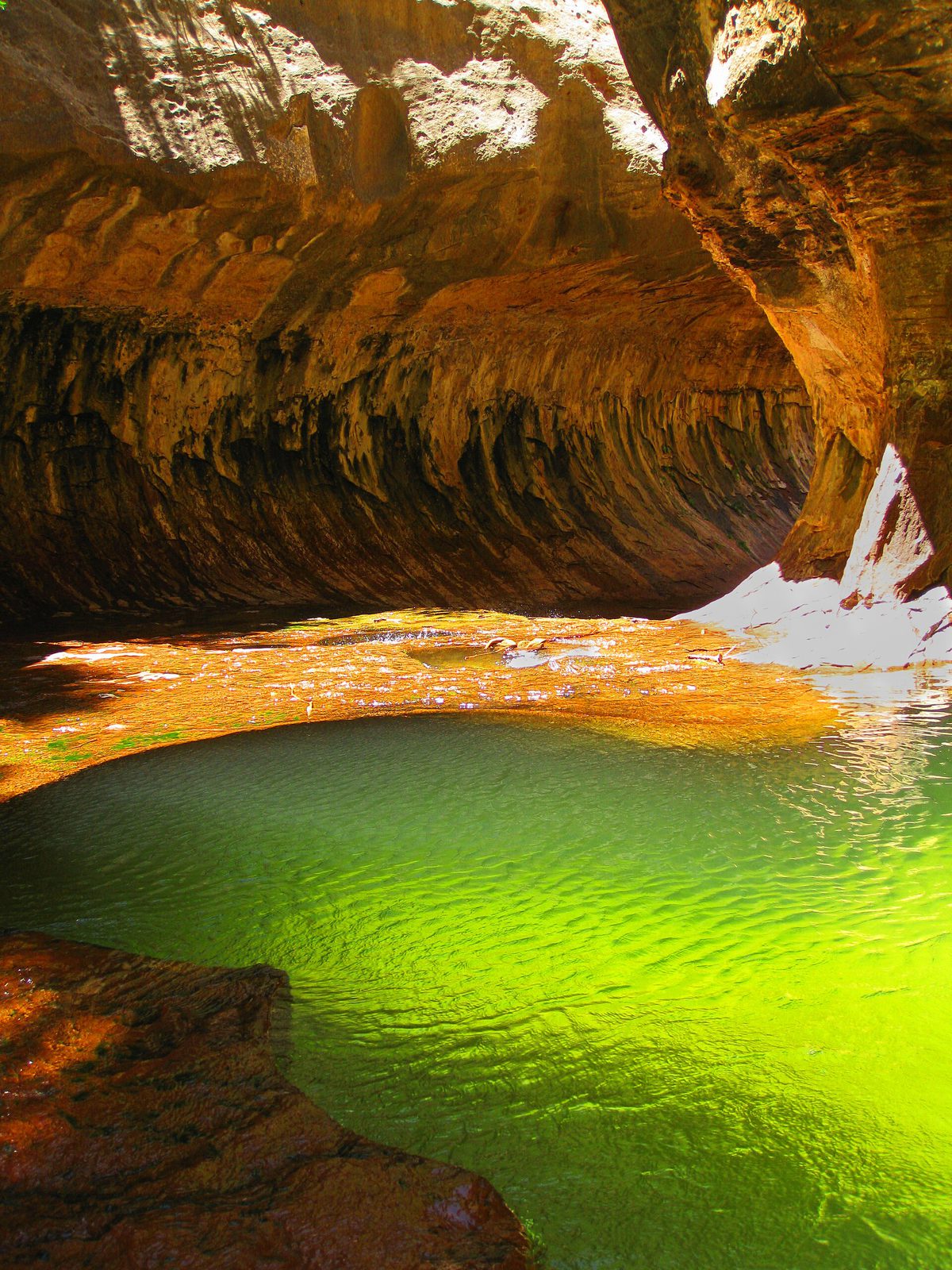 The SubwayZion NP · UtahPermitLotterytough odds
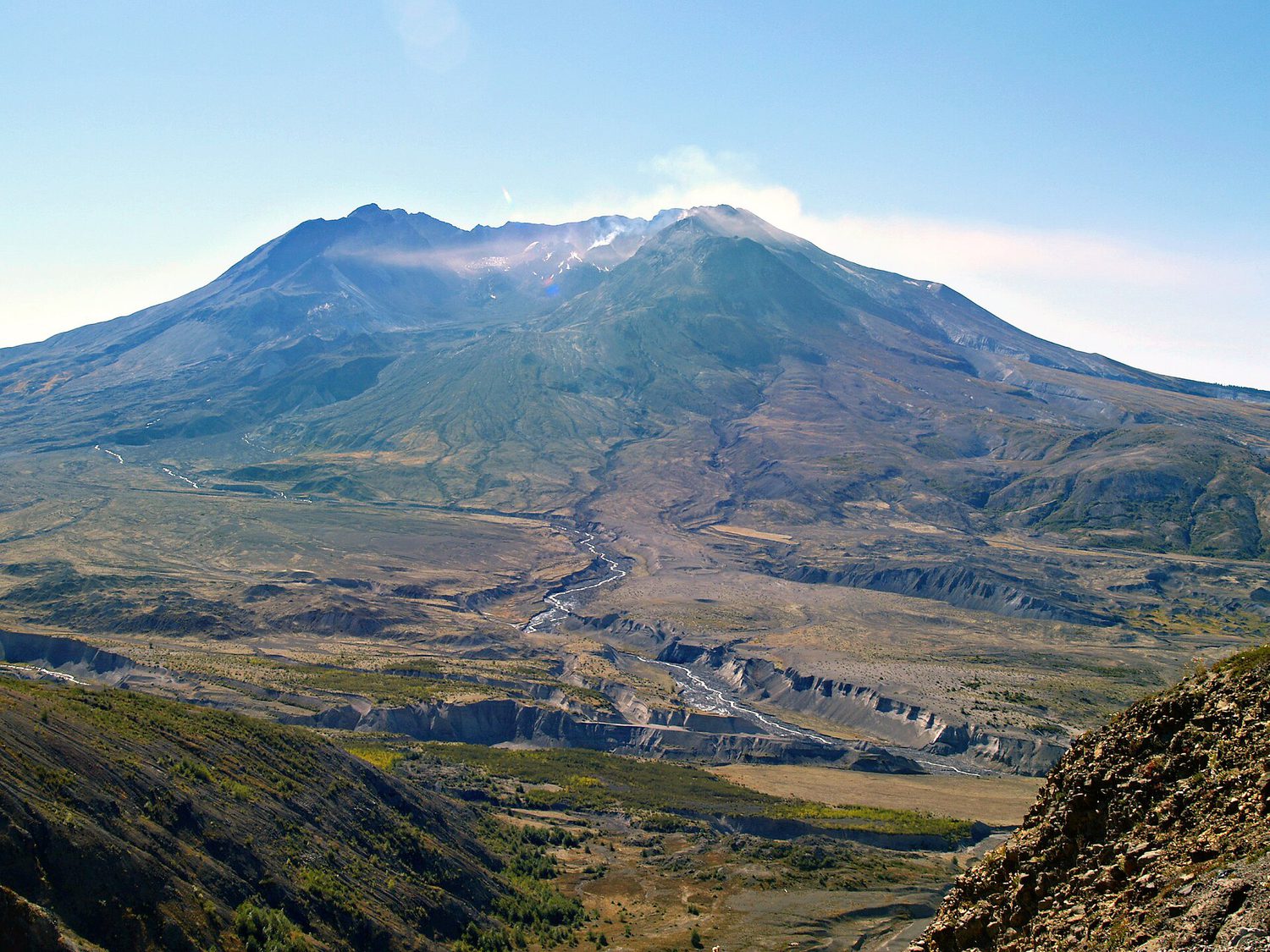 Mount St. Helens Summit ClimbGifford Pinchot NF · WashingtonPermitReservationtough odds
How it works
- An email the morning each window opens, never the day after.
- A 14-day heads-up so you can line up your group and dates.
- Win odds and a ranked backup plan for every trail you pick.
Didn't win? We keep watching. We check recreation.gov every day for The Enchantments, Half Dome and Angels Landing, and email you the moment a sold-out date frees up. Cancellations are the second chance most people never hear about.