Three Days Backpacking the Canyonlands Needles
A maze of spires, slots & slickrock, far from the crowds.
Three days of Needles District hiking in the remote southwest corner of Canyonlands: the Chesler Park Loop and Joint Trail, Druid Arch, Elephant Canyon, and the Confluence Overlook.
“I’ve requested to book a Chain Lakes Loop guide on ExplorOFF, and it was the best idea ever! I highly recommend going with their guided option since you get a real human connection on the trail and don’t have to worry about a thing. Yulia was great to talk to!”
 11 stops on a real mapEvery stop pinned in order→
Every stop is a real pin, in order.
Chesler Park, Druid Arch & the Confluence · Needles District, Utah
Every stop on this trip, in order, opens as one driving route in the Google Maps app. No copying addresses across one at a time.
5 of the stops on these 3 days.

Plan and book your 3 days in The Needles, one step at a time
How 3 days in The Needles split up
The Needles District is the hiker's corner of Canyonlands National Park, a remote sweep of country southwest of Moab named for the banded red-and-white sandstone spires that rise in clusters across it. It sits far from the busier Island in the Sky district, with its own entrance off Highway 211, and it rewards anyone willing to drive the extra hour with a labyrinth of canyons, meadows, and slickrock that most park visitors never reach.
Day 1: Drive in & Cave Spring · the Chesler Park loop into camp
5 stops · Day one
Day 2: The Joint Trail & Druid Arch · a full day in the spires
4 stops · Day two
Day 3: The Confluence Overlook & the drive out
2 stops · Day three
Drive in & Cave Spring · the Chesler Park loop into camp
The Needles is a long way in: plan on about 75 miles and 90 minutes from Moab, the last stretch a beautiful run down Highway 211 past Newspaper Rock. Stop at the visitor center to pick up your permit, confirm conditions, and fill every bottle, then warm up your legs on the short Cave Spring loop (about 0.6 miles, with two wooden ladders), a quick introduction to the district's slickrock, alcoves, and an old cowboy camp.
Not the order you want? Drag a stop, or use the arrows beside it. Stops move between days too.
 Drive from
~90 min · Highway 211 · fuel up first · DriveThe Needles is a long way in. Plan on about 75 miles and 90 minutes from Moab, the last stretch a beautiful run down Highway 211 past Newspaper Rock. Fuel up and download offline maps in Moab or Monticello first, since the road in is remote with little to no cell service.
- Needles Visitor Center · permit & water
Pick up the permit · fill every bottle · ViewpointStop at the Needles visitor center to pick up your backcountry permit, confirm your reserved camp zone, and ask a ranger about current water sources and flash-flood risk. Fill every bottle and reservoir here, because there is no reliable water in the backcountry beyond this point.
 Cave Spring loop
~0.6 mi · two ladders · cowboy camp · HikeWarm up your legs on the short Cave Spring loop (about 0.6 miles, with two wooden ladders), a quick introduction to the district's slickrock, shaded alcoves, and an old cowboy line camp. It is an easy, scenic primer before the bigger miles ahead.
- Chesler Park Loop into camp
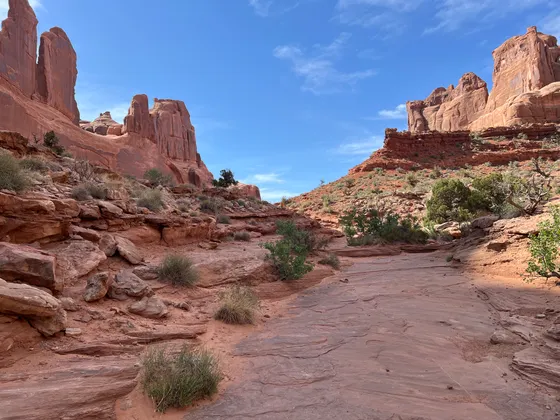
From Elephant Hill · spire meadow · HikeStart the Chesler Park Loop from the Elephant Hill trailhead, climbing over slickrock into the heart of the district where banded spires ring a wide desert meadow. Walk in to your reserved backcountry camp zone and set up before dark, carrying every drop of your own water.
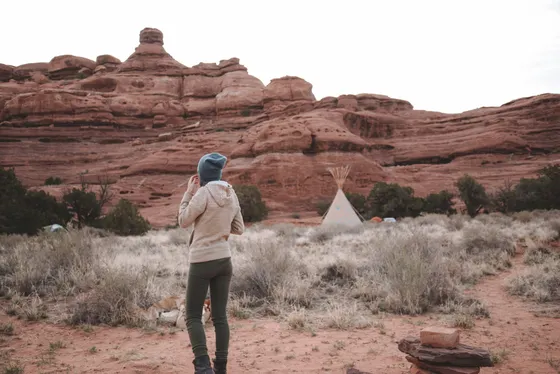 Backcountry camp · reserved zone
Permit + zone required · carry water · lodgeCamp in your reserved backcountry zone deep in the Needles, surrounded by spires and silence. Overnight trips require a permit and a reserved zone through recreation.gov, and the popular zones go fast for spring and fall weekends. There is no water out here, so ration carefully.
The Joint Trail & Druid Arch · a full day in the spires
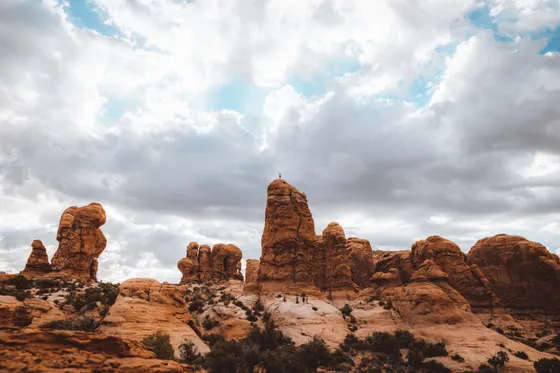
This is the big day. From camp, finish the Chesler Park Loop (about 11 miles all in) through its signature stretch, the Joint Trail, a series of deep, narrow fractures so tight you turn sideways, with a stone staircase wedged between sheer walls. It is the most photographed slot in the district and the reason many people come to the Needles at all.
Not the order you want? Drag a stop, or use the arrows beside it. Stops move between days too.
- The Joint Trail
Narrow rock fractures + stone staircase · HikeFinish the Chesler Park Loop through its signature stretch, the Joint Trail, a series of deep, narrow fractures so tight you turn sideways, with a stone staircase wedged between sheer walls. It is the most photographed slot in the district and single-file the whole way, not for anyone uneasy in tight spaces.
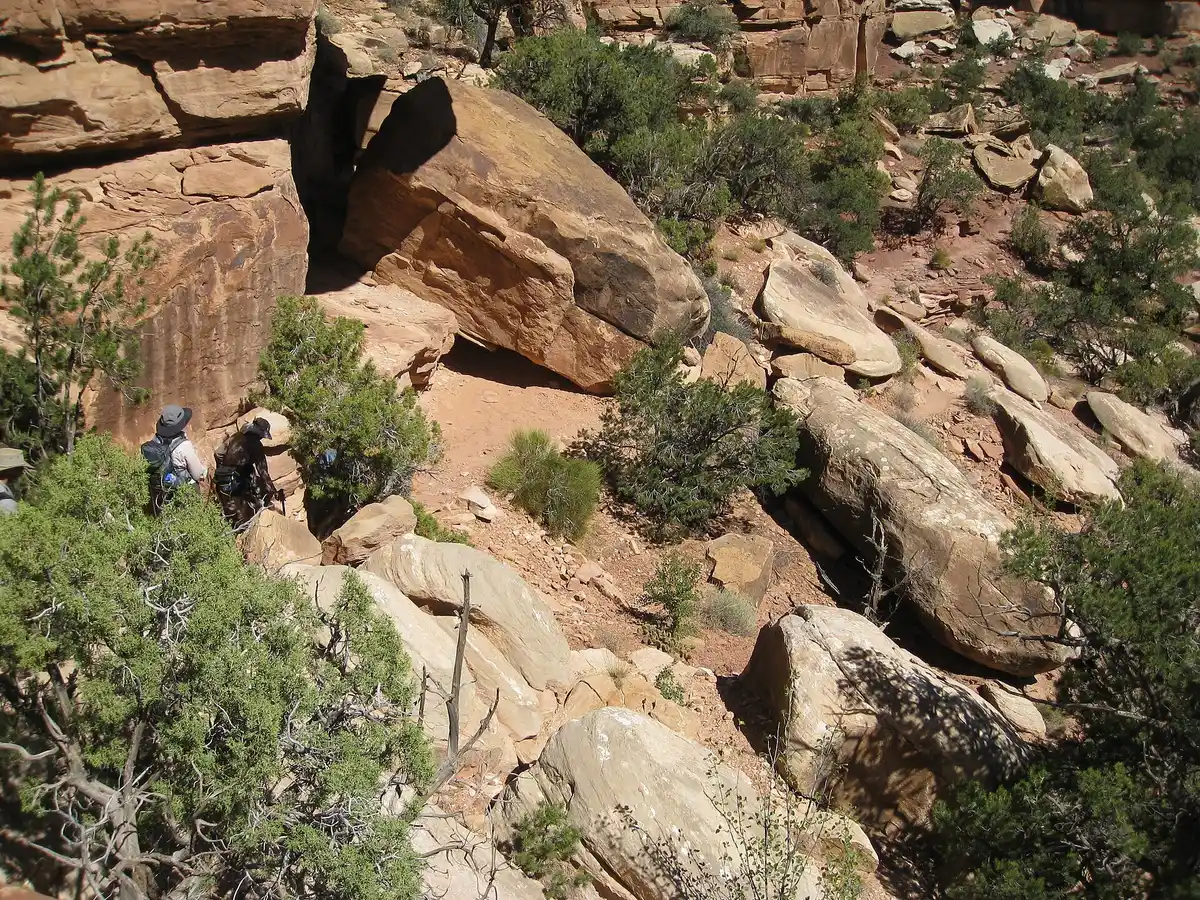 brewbooks from near Se / CC BY-SA 2.0Chesler Park Loop
~11 mi · spire meadow + Joint Trail · HikeThe full Chesler Park Loop runs about 11 miles, circling the spire-ringed meadow and threading the Joint Trail. It is the iconic Needles backpacking route, with banded spires in every direction and almost no shade, so start at first light and carry plenty of water.
- Druid Arch via Elephant Canyon
~11 mi RT · ladder + slickrock scramble · HikeIf you have the legs and water, add the spur up Elephant Canyon to Druid Arch (about 11 miles round trip from the trailhead), a massive, angular arch that looks like a slab of Stonehenge at the canyon head, with a short ladder and slickrock scramble at the finish. Watch the sky, as the canyon funnels flash floods fast.
 Second night in the backcountry
Same reserved zone · ration water · lodgeSpend a second night in your reserved backcountry zone so you can hit the big trails at dawn and watch the spires glow at sunset. Keeping the same base means no packing up between two long hiking days. Ration your water carefully, since there is none to refill out here.
The Confluence Overlook & the drive out
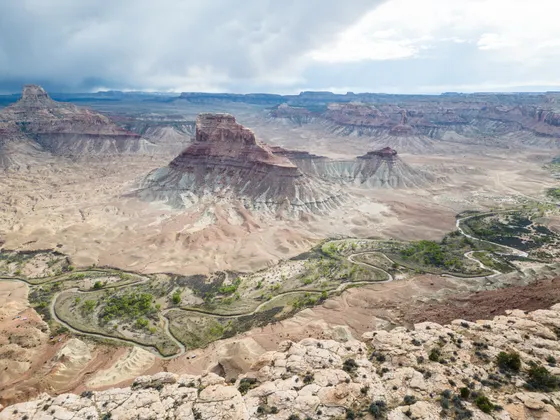
Pack up camp and walk out to the Confluence Overlook (about 10 miles round trip from the Elephant Hill area), a mostly level desert traverse that ends at a dramatic cliff edge a thousand feet above the spot where the Green and Colorado rivers meet, the two great rivers that carved all of Canyonlands. The two waters run side by side in different colors before they merge, a fitting finale to the trip.
Not the order you want? Drag a stop, or use the arrows beside it. Stops move between days too.
- Confluence Overlook
~10 mi RT · Green & Colorado meet · HikeWalk out to the Confluence Overlook (about 10 miles round trip), a mostly level desert traverse that ends at a cliff edge a thousand feet above the spot where the Green and Colorado rivers meet, the two rivers that carved all of Canyonlands. They run side by side in different colors before they merge.
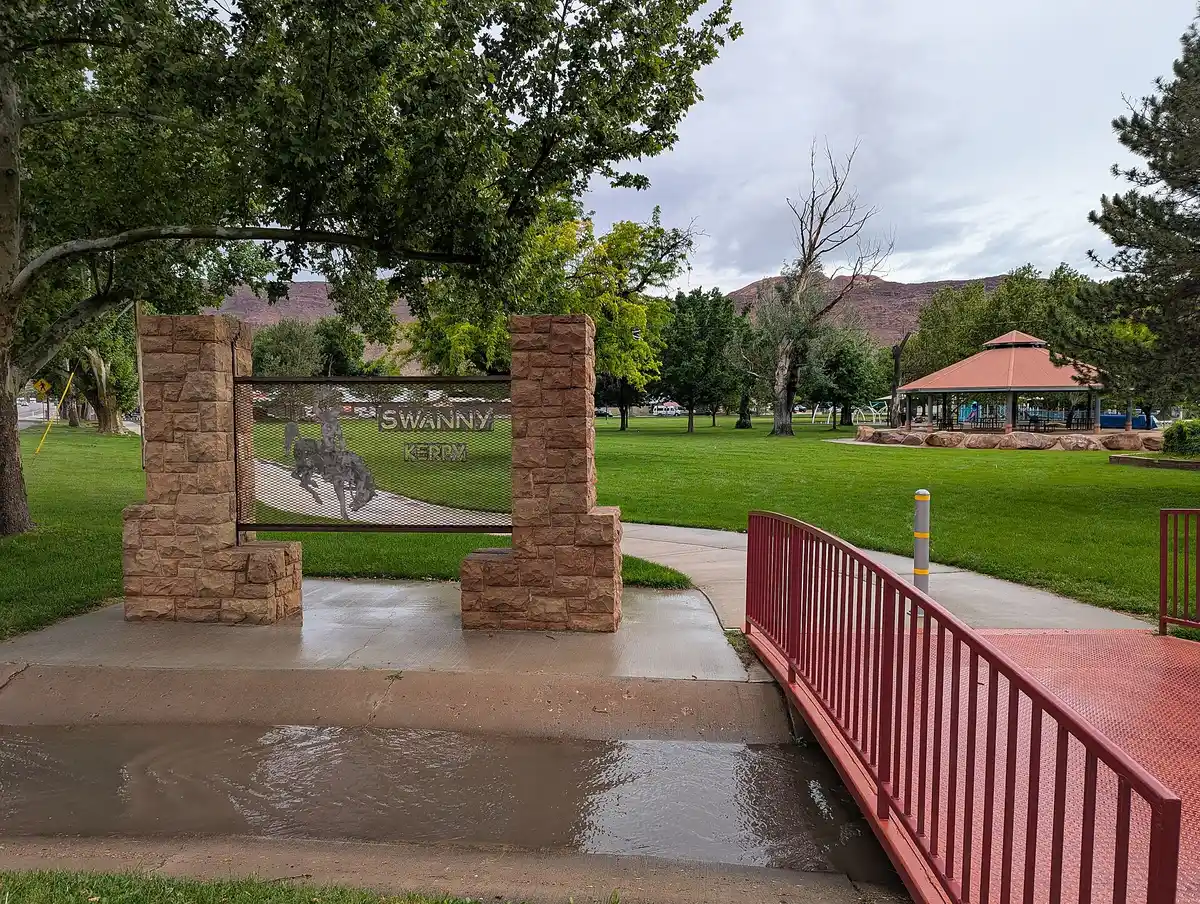 G. Edward Johnson / CC BY 4.0Getting home: Moab or Grand Junction
Moab (CNY) ~90 min · GJT ~2.5 hr · DriveWhen you reach the trailhead, drive back out the way you came. It is roughly 90 minutes to Moab and its airport (CNY), or about 2.5 hours to Grand Junction, Colorado (GJT) for more flights. Top off your tank in Monticello or Moab and start the remote drive out with daylight to spare.
Book the 2 nights
Beds near the trailheads are the one thing on this trip that genuinely runs out. Everything else can be decided later.
Tell us your dates and we will do the calling. We check every booking site, put your points and card perks against the cash price, and email you this plan back with the best room we can find for each night. Nothing is charged and you decide at the end.
Request to bookWhat to pack for The Needles
Built from this route, not a generic list. Every line says why it is here.
On every day of this trip
On your feet
Because you are sleeping indoors
For the driving days
Specific to The Needles
What we actually learned in the spires.
Get the backcountry permit early
Every overnight trip in the Needles requires a backcountry permit and a reserved camp zone through recreation.gov. The popular zones sell out for spring and fall weekends, so reserve the moment your dates are firm. Day hiking does not need a permit, but you still pay the park entrance fee.
Carry every drop of your water
The Needles is brutally dry, with little shade and almost no reliable water. The springs are seasonal and not to be counted on. Carry at least a gallon per person per day, fill up at the visitor center, and ask a ranger about current sources before you head out.
Go in spring or fall
Spring and fall bring comfortable days and cool nights, the only sane seasons for hiking here. Summer is dangerous, with temperatures topping 100°F and no shade, while winter brings ice on the slickrock. Whenever you go, start early and rest in the heat of the day.
Mind the flash-flood risk
The canyons, slots, and washes here funnel flash floods fast, often from storms you cannot see upstream. Check the forecast, avoid the narrows when rain threatens, and never camp in a wash. If water starts rising, get to high ground immediately.
Know the 4WD roads
Most trailheads, including Elephant Hill, are reachable by regular cars on rough but passable roads. The technical 4WD road beyond Elephant Hill is for experienced drivers in high-clearance vehicles only. Check road conditions at the visitor center before relying on any backcountry route.
Base in Monticello or Moab
There is no lodging inside the district. Monticello is the closest town to the south, and Moab is about 90 minutes north with far more options. Squaw Flat Campground inside the park is bookable through recreation.gov and fills fast in peak season.
Weigh your water and cook by the cup
Water is the heaviest thing you carry out here. A gallon per person per day runs about 8.3 pounds, so a two-night trip means real weight from the first step. Pack a rigid measuring cup and add only the water your dehydrated meals actually need, so you do not boil away drinking water at dinner when there is none to refill.
Cache water instead of hauling it over slickrock
If your permit zone allows hub-and-spoke camping, cache a sealed, clearly labeled jug of water at the Elephant Hill junction on your way in. That keeps you from carrying your Day 3 water up and over the Day 2 slickrock. Never count on a cache you did not place yourself, and pack out the empty container when you leave.
Everything you'll actually want to know.
Druid Arch: the questions people ask most.
For Needles District hiking, the standout is the Chesler Park Loop (about 11 miles), which circles a spire-ringed meadow and threads the famous Joint Trail, a series of narrow rock fractures with a stone staircase. Other classics are Druid Arch via Elephant Canyon (about 11 miles round trip) and the Confluence Overlook (about 10 miles round trip), where the Green and Colorado rivers meet.
We'll find the cheapest way to do this trip.
Tell us your dates and we price the plan you just built: every booking site, the hotels direct, and your own points and card perks against the cash price. You get it back by email with a link for each night and what it saved you.
- It is free. The hotel pays us, not you. You pay their normal price.
- Nothing is charged and nothing is held. You decide at the end, or you walk away.
- Beds near trailheads are the part that runs out. Everything else can wait.
The figures below are estimates from local nightly rates, so you know the ballpark before you ask. The real number comes back once we have checked what is free.
- 2 nights, sites along the route
2 × $20$40
- 2 nights, rooms along the route
from $73 a nightfrom $146
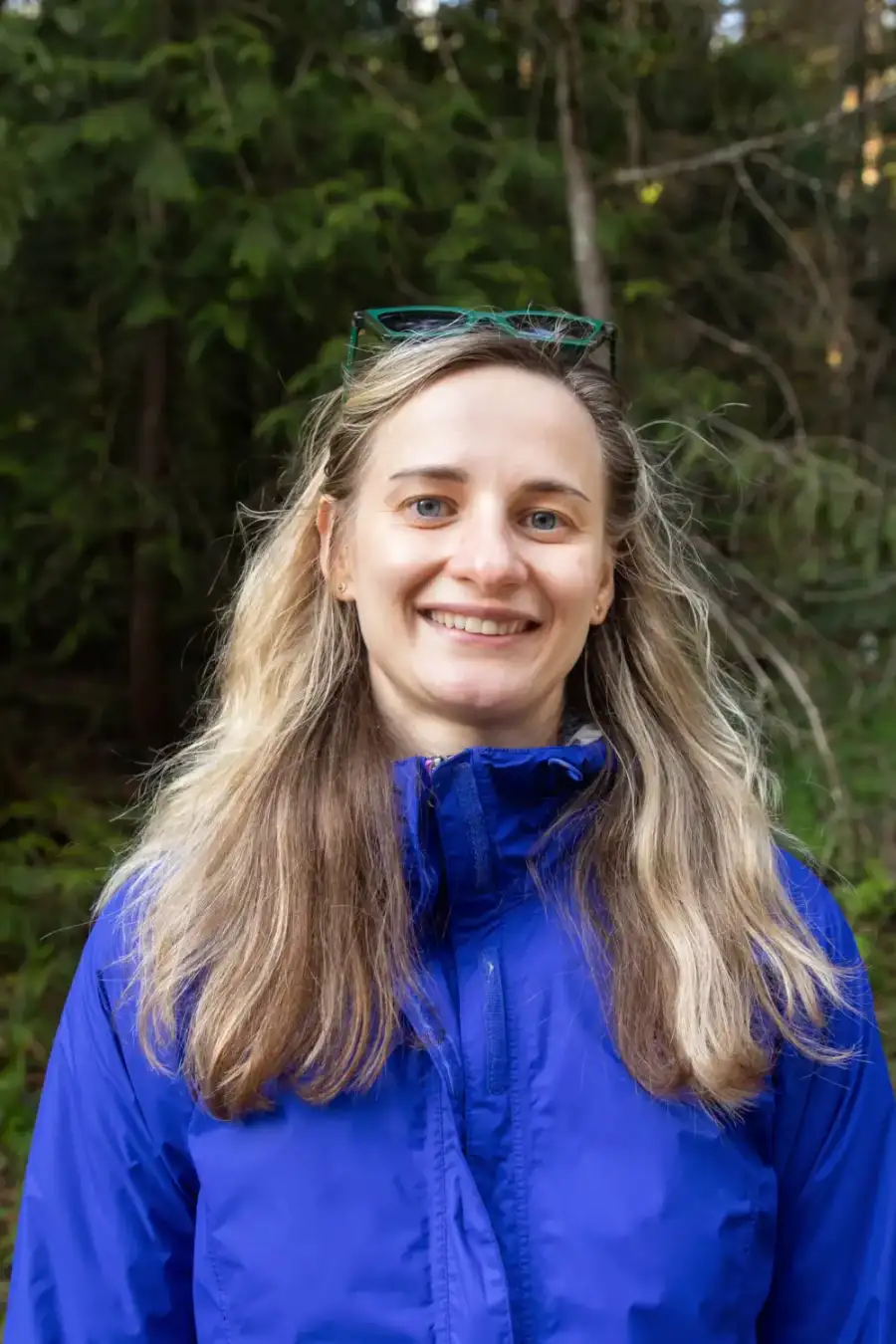 Yulia, ExplorOFF founder★★★★★5.0 from 20+ guided tripsGoogleAirbnbFrom$2,1002 people, 2 nights
- Everything in Glamped, plus a local guide
- Airport pickup, every drive, all the gear
- Weather turns, they rewrite the day
Written and walked by Yulia Vasilyeva · Co-founder · Lead planner and guide
Three years leading guided hikes in the Pacific Northwest, rated 5.0 by 20+ verified guests, and she builds every custom itinerary herself. Based in Seattle.
Booking The Needles
Everything below is booked with the operators direct. We earn a commission on some of them, which is what keeps the itineraries free to read.
Top rated near The Needles
 Private Guided U-Drive 4x4 Tour on World Famous Hell’s Revenge5 on Viator · 103 reviews
 BEST! Poison Spider U-Drive 4X4 Tour in Moab +Dinosaur Tracks!5 on Viator · 95 reviews
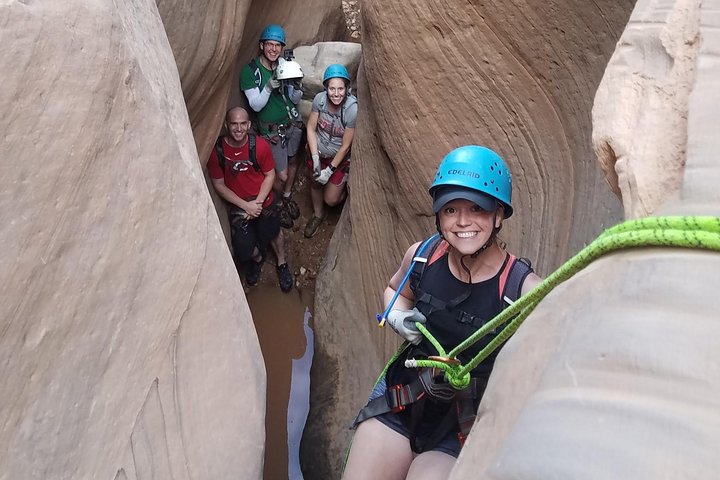 Private Half-Day Canyoneering Tour in Moab5 on Viator · 76 reviews
You might also love these
More itineraries and hiking guides across the parks.

National Park Road Trip
A grand loop through the West's best national parks, with the routes, stops, and timing that make it work.

Capitol Reef Itinerary
The Waterpocket Fold, slot canyons, and orchards of Utah's quietest Mighty Five park.
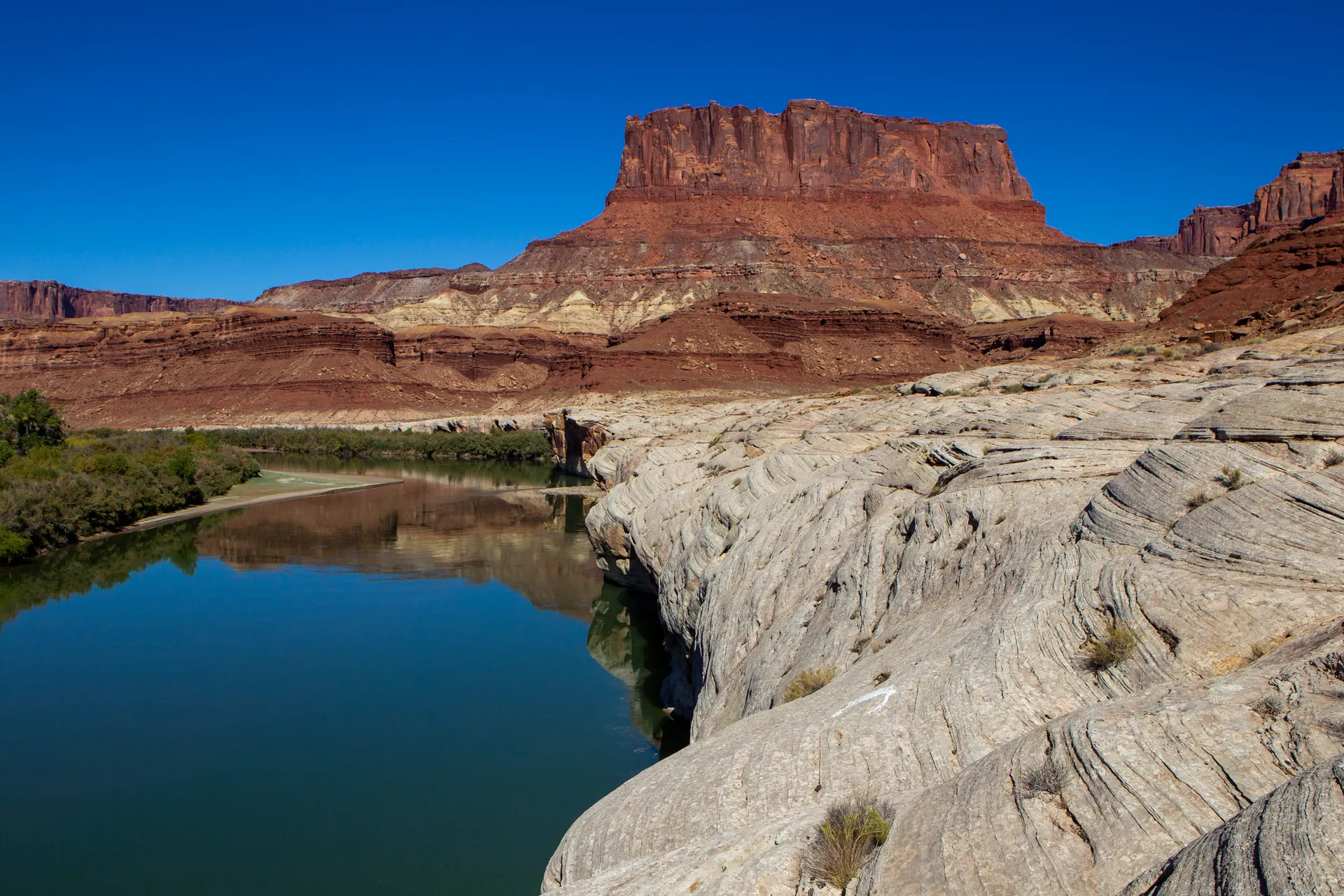
Kayak the Colorado River
Paddle the river that carved Canyonlands, with the best put-ins, floats, and outfitters.
What adventurers say about us.
All reviews are from verified guests. ★★★★★ 5.0 average from 20+ bookings.
"Felt like going out with a really knowledgeable friend who just happens to know everything about the area. No awkward tour-guide energy, just a magnificent day."
"Yulia is an incredible guide. She knew every trail, every viewpoint, and exactly how to pace the day for our group. The photos she took of us were stunning. 100% booking again."
"I was visiting Seattle solo and this was the best decision I made on the trip. Yulia picked me up, had snacks, and took us to a trail I never would have found on my own. Absolute must-do."
"We did this as a couple's trip and it was perfect. Yulia adapted everything to us, our pace, our interests, our photo obsession. The mountain views were unreal."
"Phenomenal experience. Yulia has deep local knowledge and a real passion for the outdoors. She went out of her way to show us the hidden gems tourists never see. Will remember this forever."
"I've done a few guided hikes and this was by far the best. Yulia is warm, funny, and genuinely expert. The trail she chose had the most insane wildflower bloom, we got so lucky."
Fees, reservation windows, shuttle dates and trail closures are planning estimates. Confirm hours, road status and any reservations with the land manager before you go.
What other travelers are saying
Be the first to leave a tip or question for the next traveler.
Was this helpful?
One tap. It goes straight to Yulia and Margarita.
You can't hike it if you can't get the permit.
The best hikes in America run on lotteries that open once a year and sell out in minutes. Every trail runs on its own calendar. Pick the ones you want and we do the watching.
 Denali Road LotteryDenali NP · AKActivityReservationfair odds
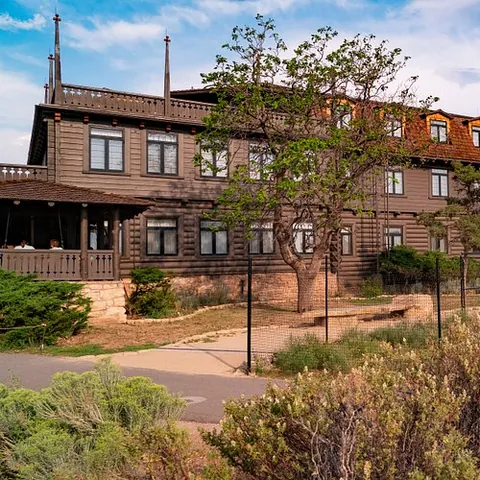 El Tovar HotelGrand Canyon South Rim · ArizonaLodgeReservationbrutal odds
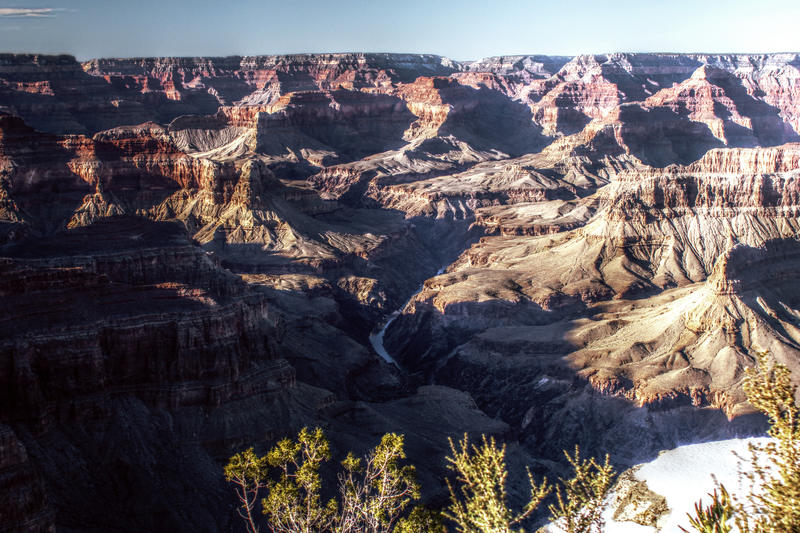 Grand Canyon BackcountryGrand Canyon NP · ArizonaBackcountryReservationfair odds
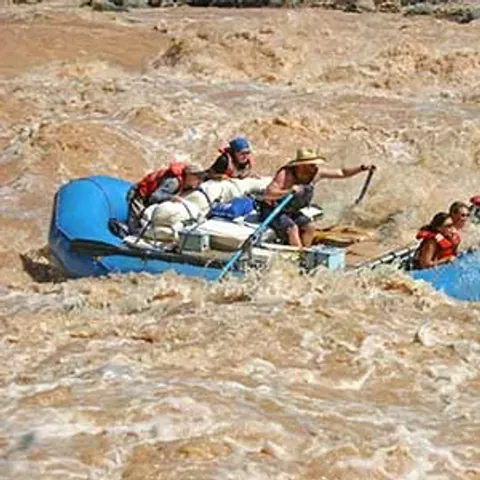 Grand Canyon raftingColorado River · ArizonaActivityLotterybrutal odds
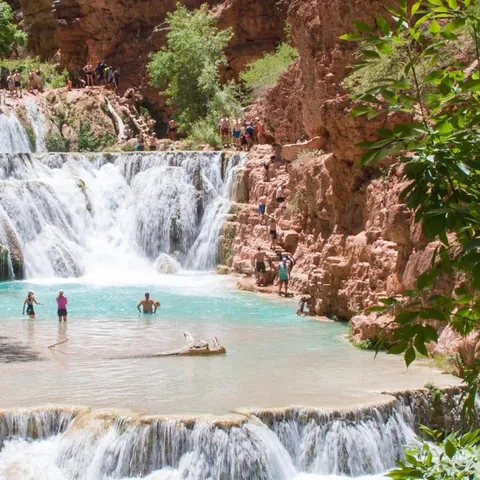 Havasu FallsHavasu Canyon · ArizonaLodgeReservationbrutal odds
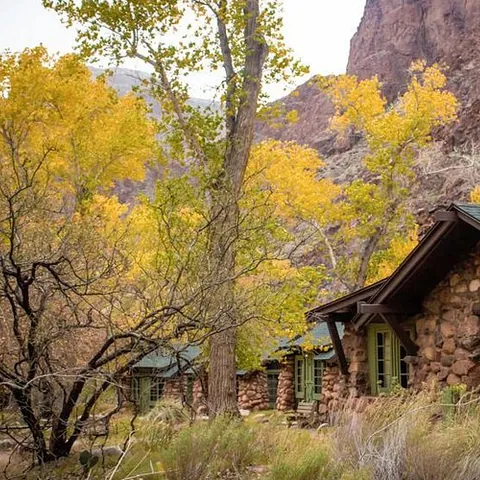 Phantom RanchGrand Canyon NP · ArizonaLodgeLotterybrutal odds
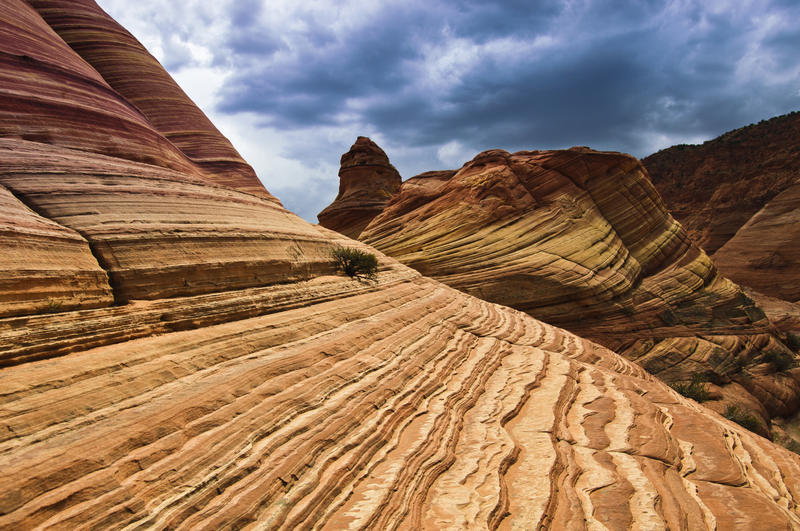 The WaveCoyote Buttes North · Arizona / UtahPermitLotterybrutal odds
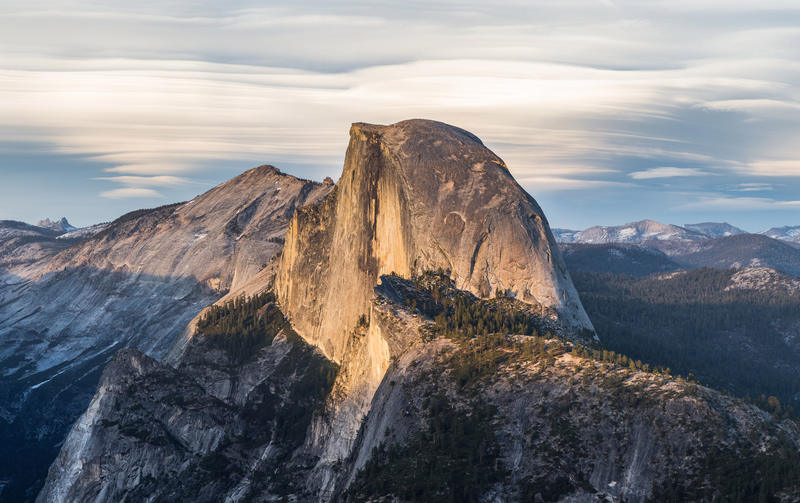 Half Dome CablesYosemite NP · CaliforniaPermitOpens Mar 1fair odds
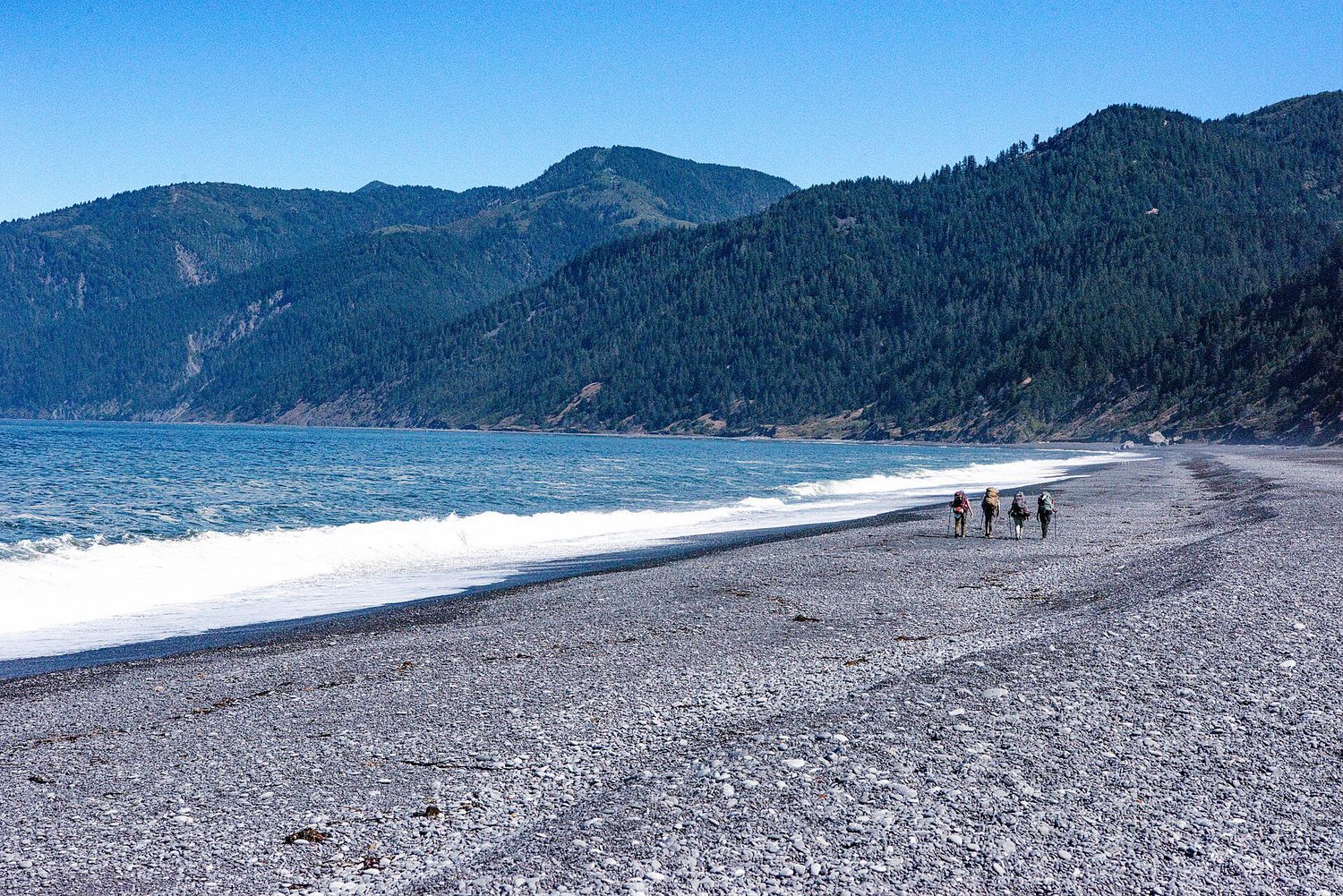 Lost Coast TrailKing Range NCA · CaliforniaBackcountryReservationtough odds
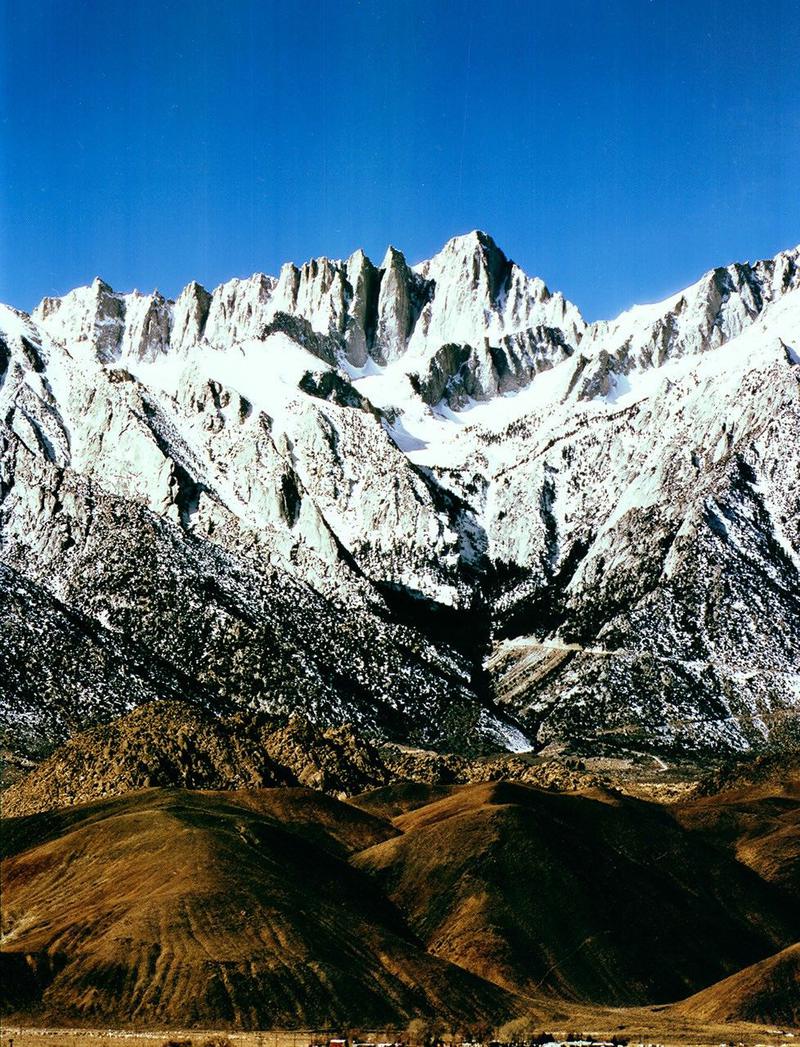 Mt. WhitneyInyo NF · CaliforniaPermitOpens Feb 1tough odds
- The Ahwahnee, YosemiteYosemite NP · CaliforniaLodgeReservationbrutal odds
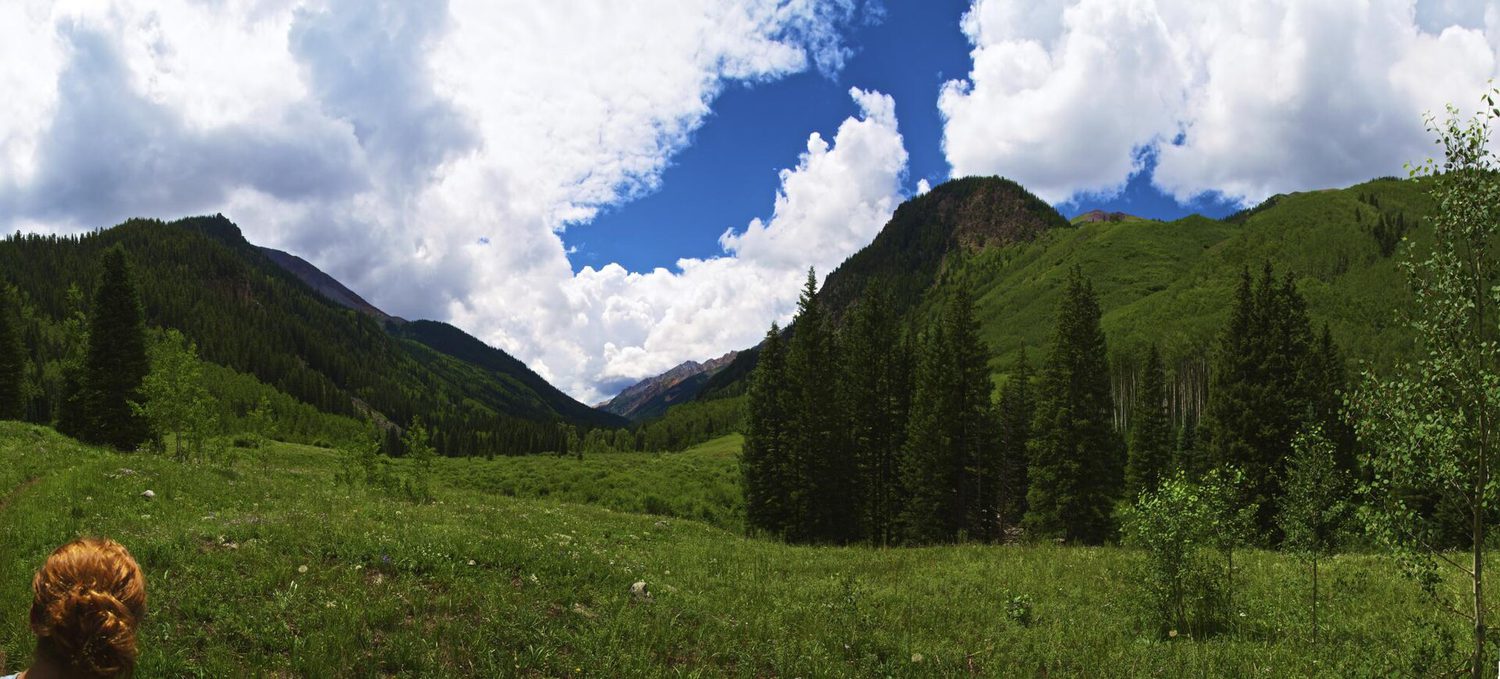 Conundrum Hot SpringsMaroon Bells-Snowmass · ColoradoBackcountryOpens Feb 15brutal odds
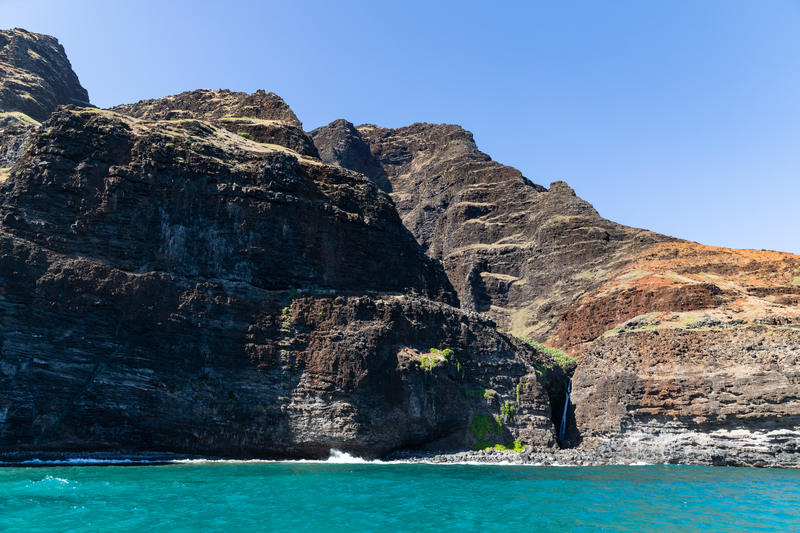 Kalalau TrailNa Pali Coast SWP · HIBackcountryReservationbrutal odds
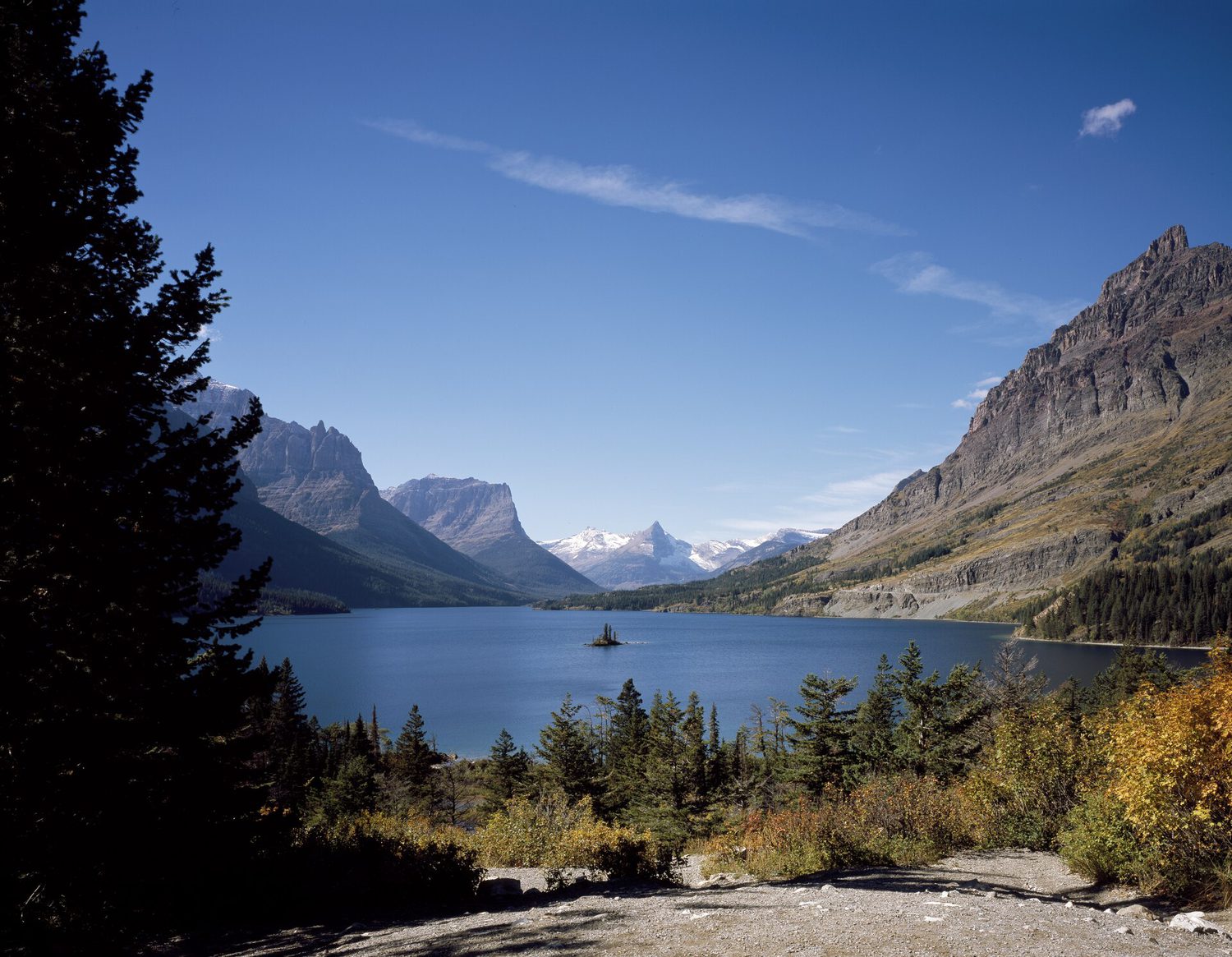 Glacier NP BackcountryGlacier NP · MontanaBackcountryLotterytough odds
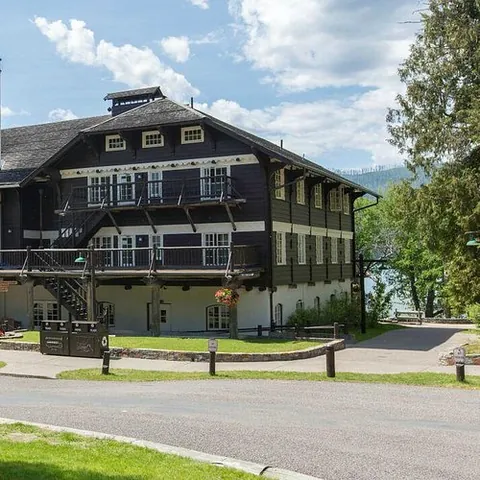 Lake McDonald LodgeGlacier NP · MontanaLodgeReservationbrutal odds
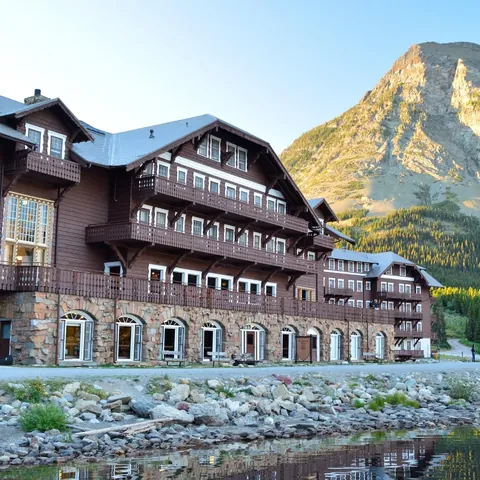 Many Glacier HotelGlacier NP · MontanaLodgeReservationbrutal odds
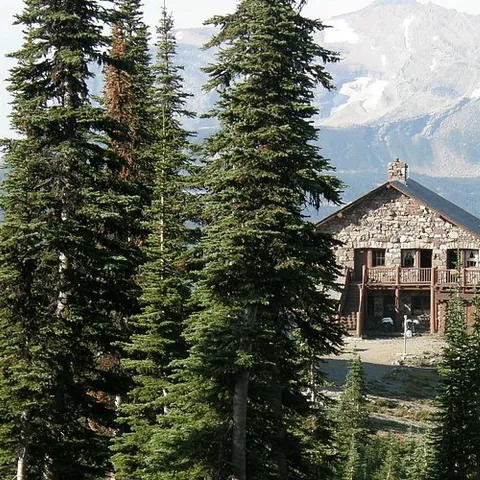 Sperry & Granite Park ChaletsGlacier NP · MontanaLodgeReservationbrutal odds
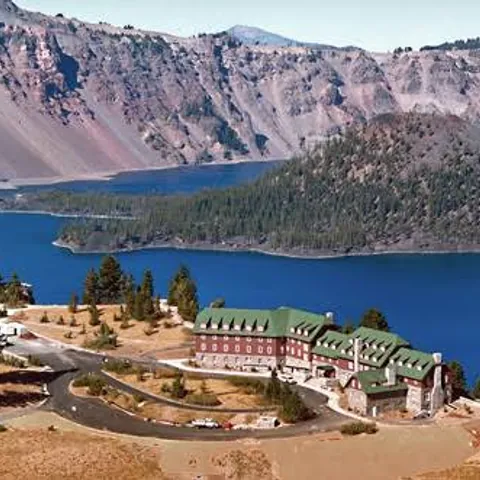 Crater Lake LodgeCrater Lake NP · ORLodgeReservationbrutal odds
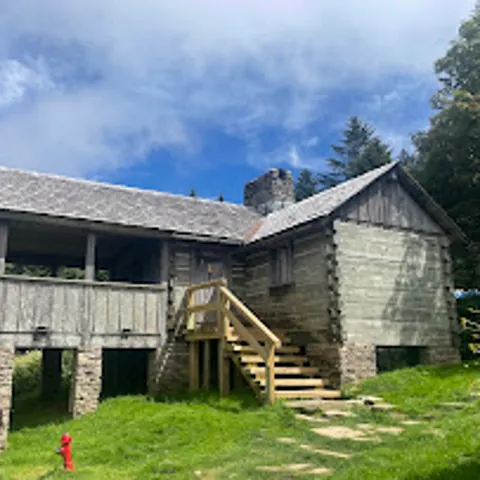 LeConte LodgeGreat Smoky Mountains NP · TNLodgeOpens Oct 1brutal odds
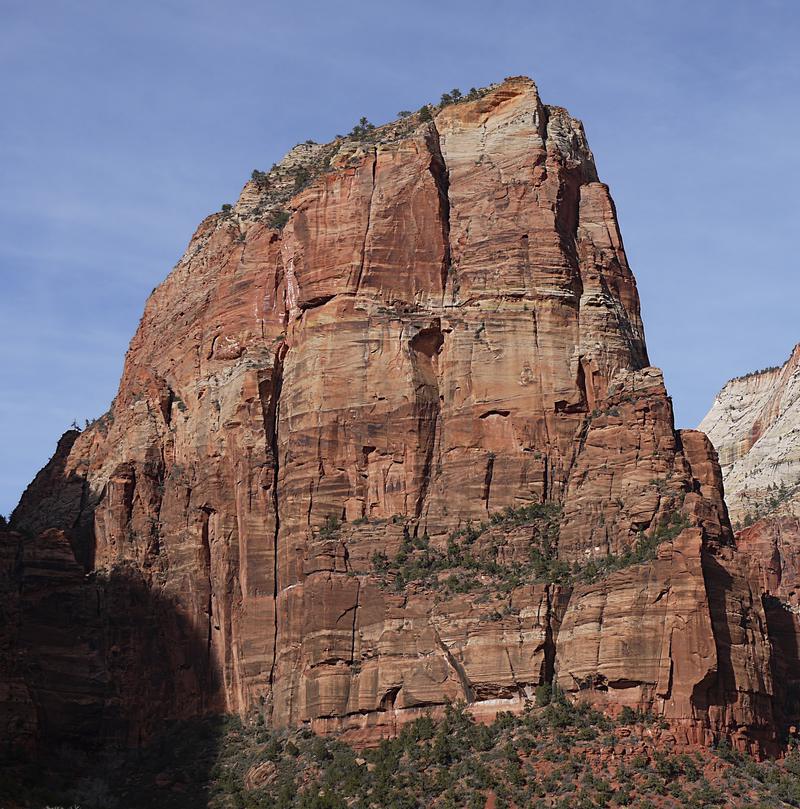 Angels LandingZion NP · UtahPermitLotterytough odds
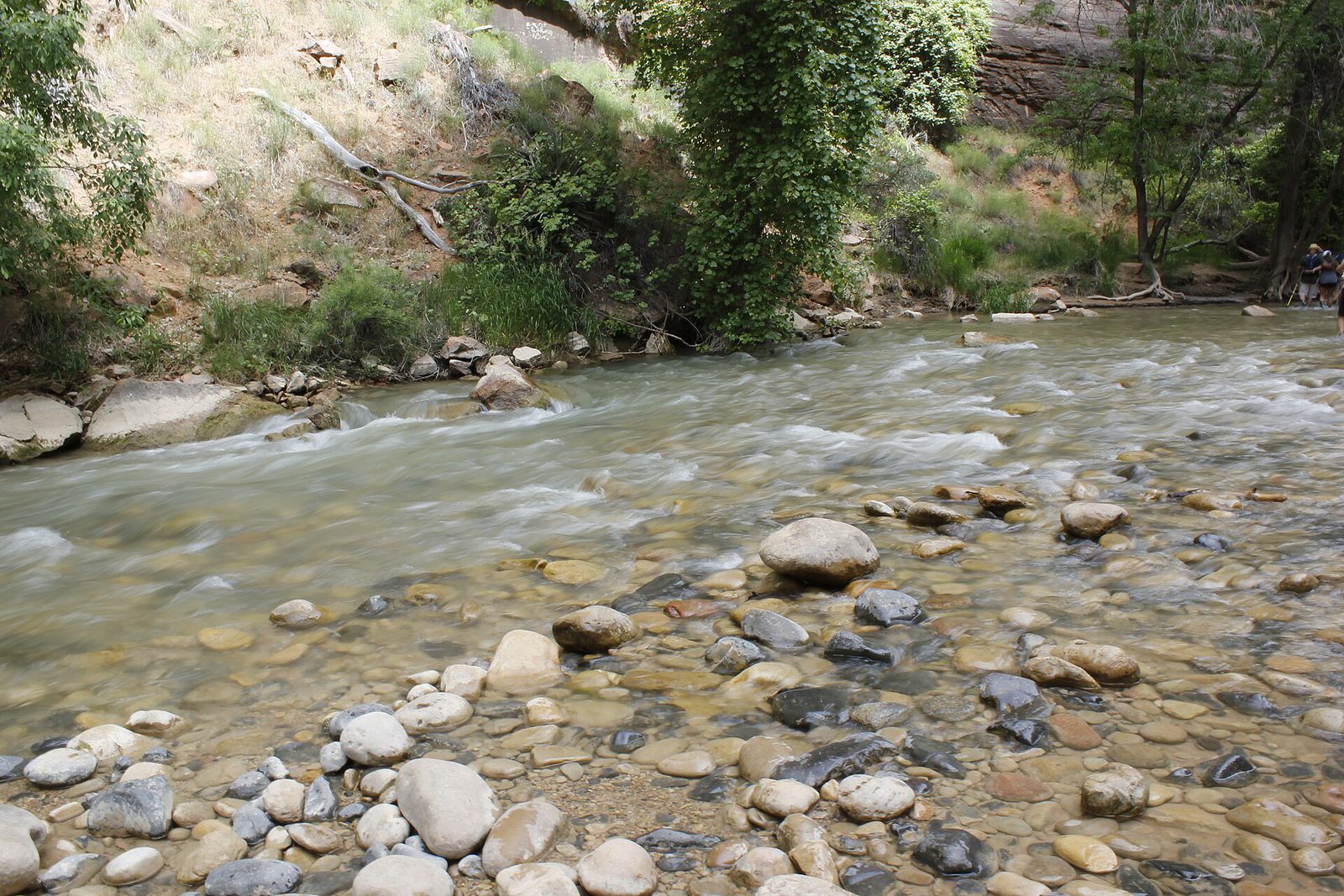 The Narrows Through-HikeZion NP · UtahBackcountryReservationtough odds
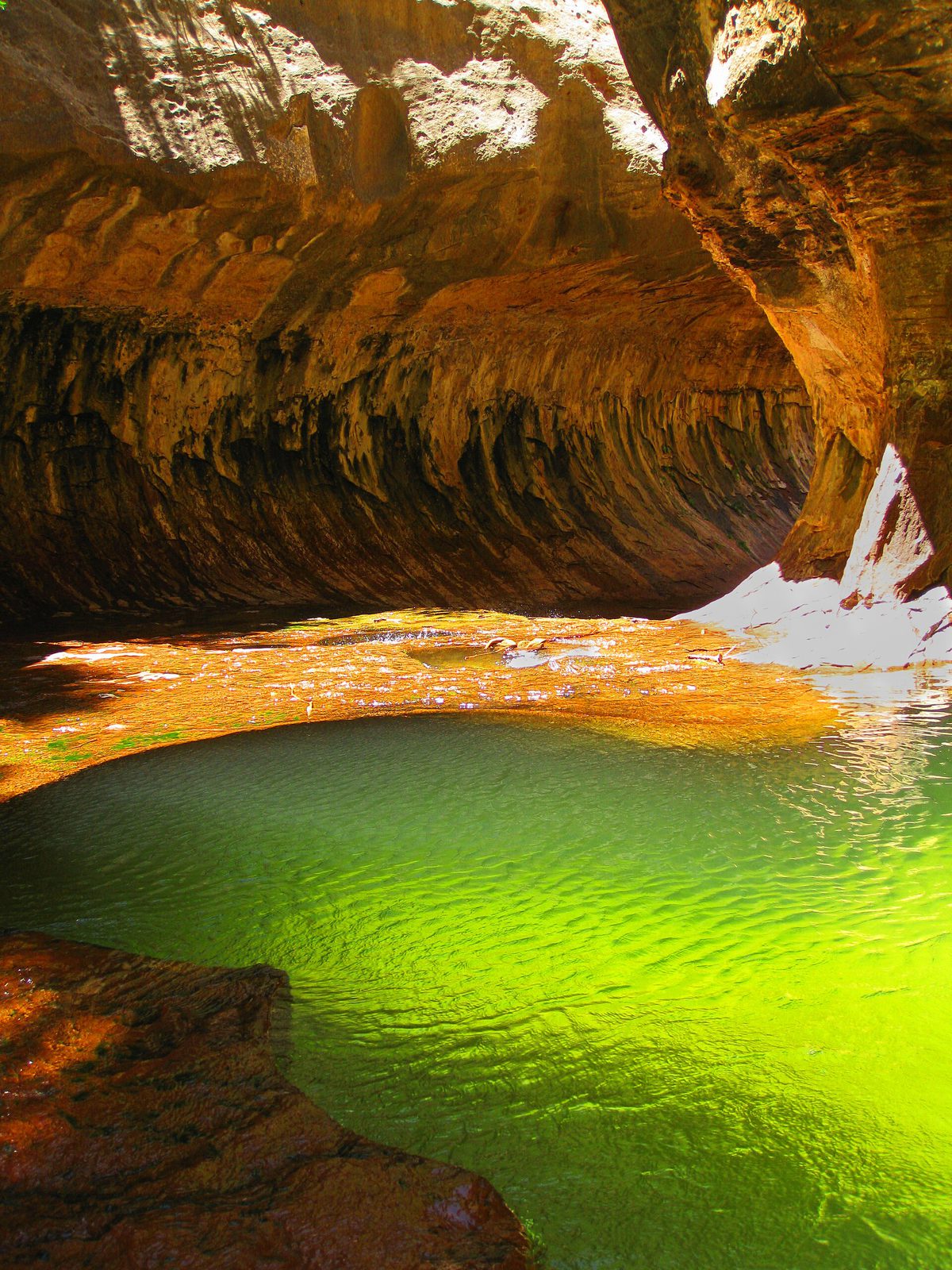 The SubwayZion NP · UtahPermitLotterytough odds
- Zion LodgeZion Canyon · UtahLodgeReservationbrutal odds
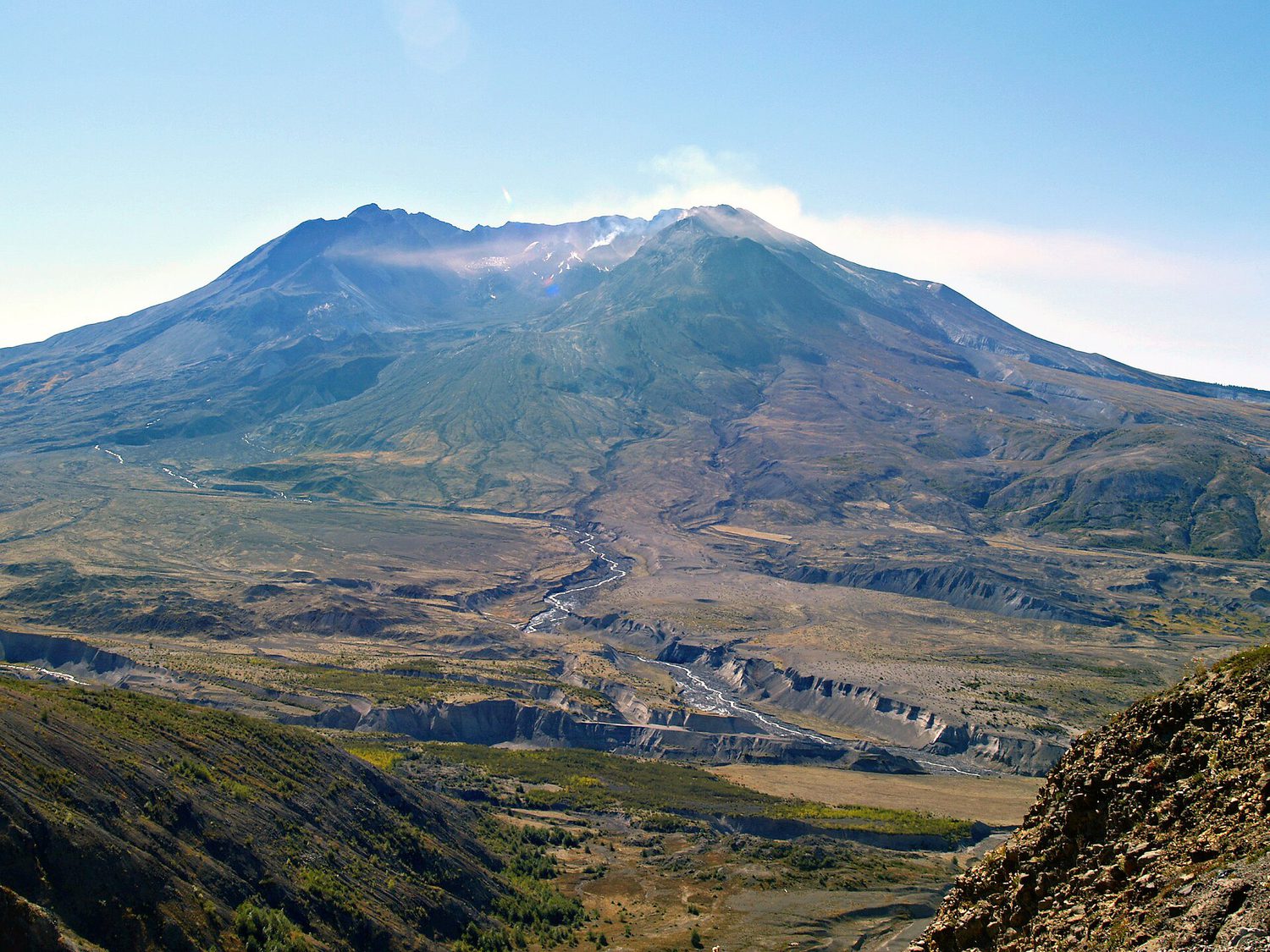 Mount St. Helens Summit ClimbGifford Pinchot NF · WashingtonPermitReservationtough odds
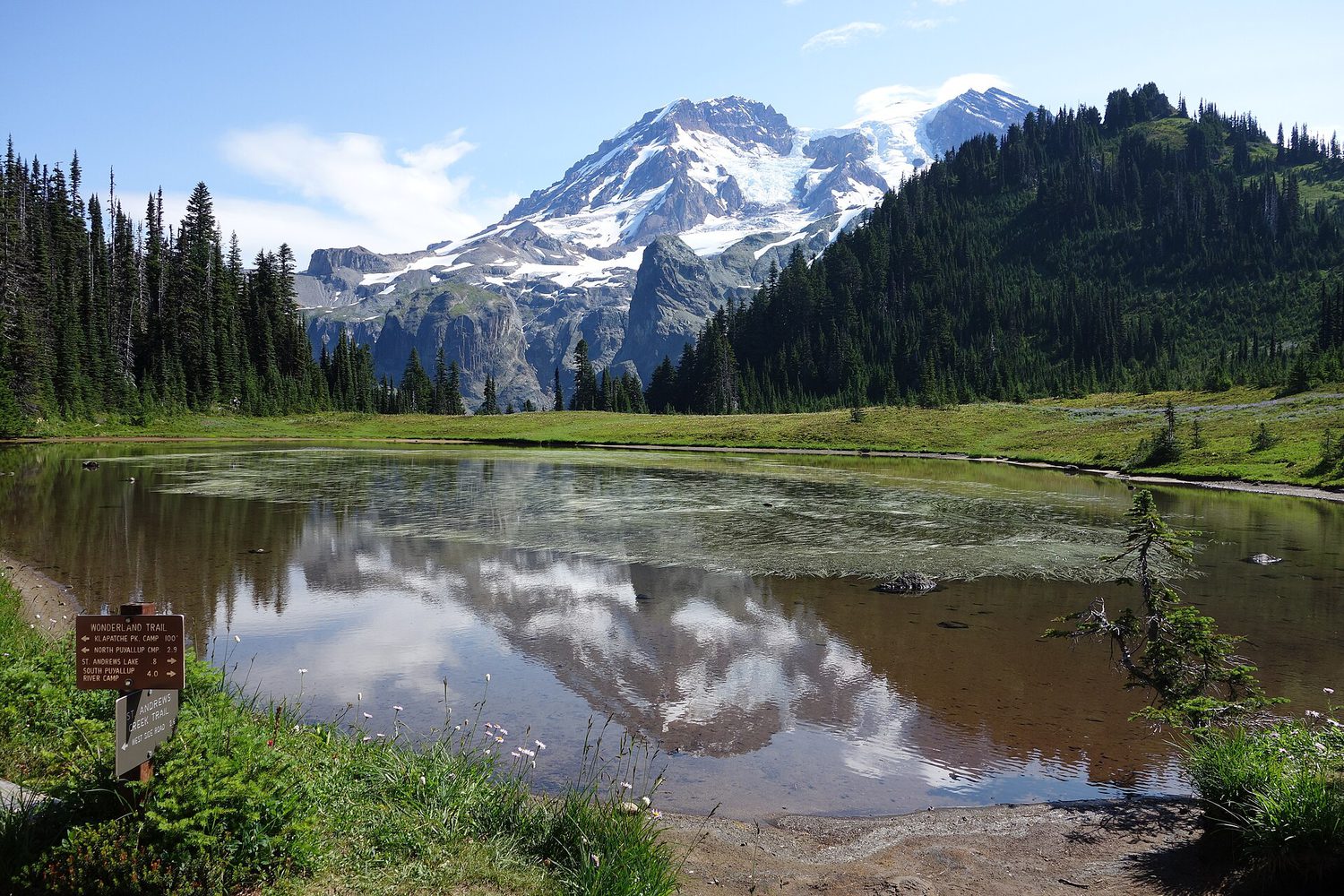 Paradise InnMount Rainier NP · WashingtonLodgeReservationbrutal odds
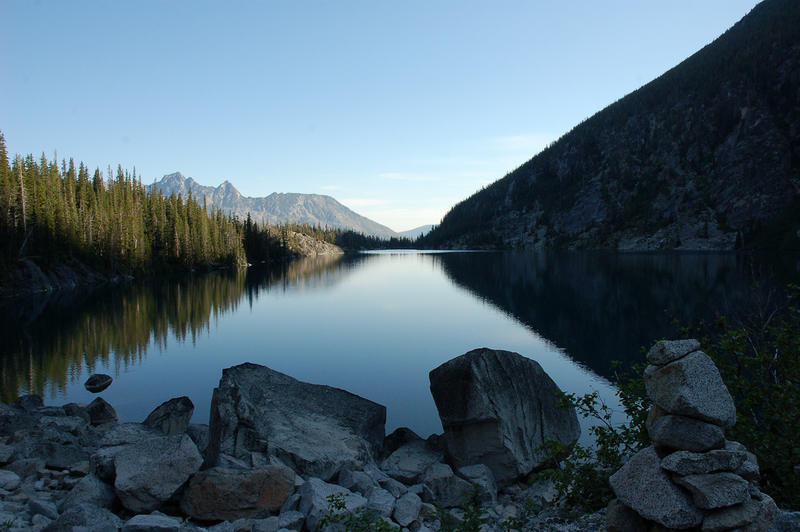 The EnchantmentsAlpine Lakes Wilderness · WashingtonBackcountryOpens Feb 15brutal odds
- Wonderland TrailMount Rainier NP · WashingtonBackcountryLotterybrutal odds
- Cougar Rock CampgroundWashington · WashingtonBackcountryOpens Jan 15tough odds
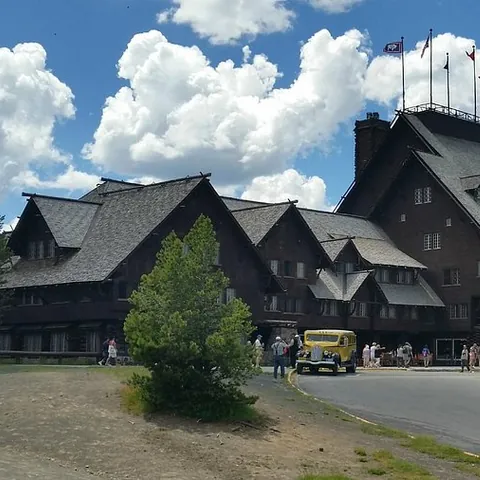 Old Faithful InnYellowstone NP · WYLodgeReservationbrutal odds
How it works
- An email the morning each window opens, never the day after.
- A 14-day heads-up so you can line up your group and dates.
- Win odds and a ranked backup plan for every trail you pick.
Didn't win? We keep watching. We check recreation.gov every day for The Enchantments, Half Dome and Angels Landing, and email you the moment a sold-out date frees up. Cancellations are the second chance most people never hear about.
“I’ve requested to book a Chain Lakes Loop guide on ExplorOFF, and it was the best idea ever! I highly recommend going with their guided option since you get a real human connection on the trail and don’t have to worry about a thing. Yulia was great to talk to!”