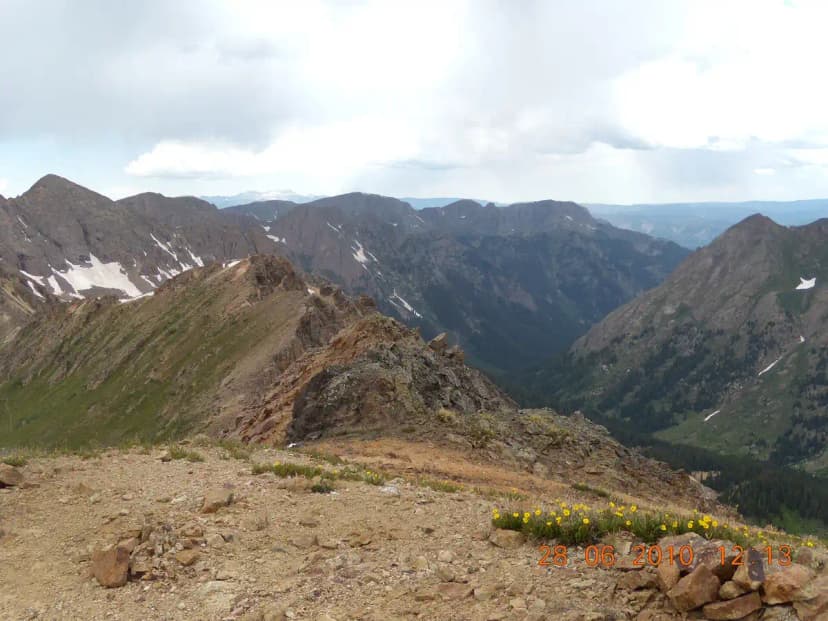
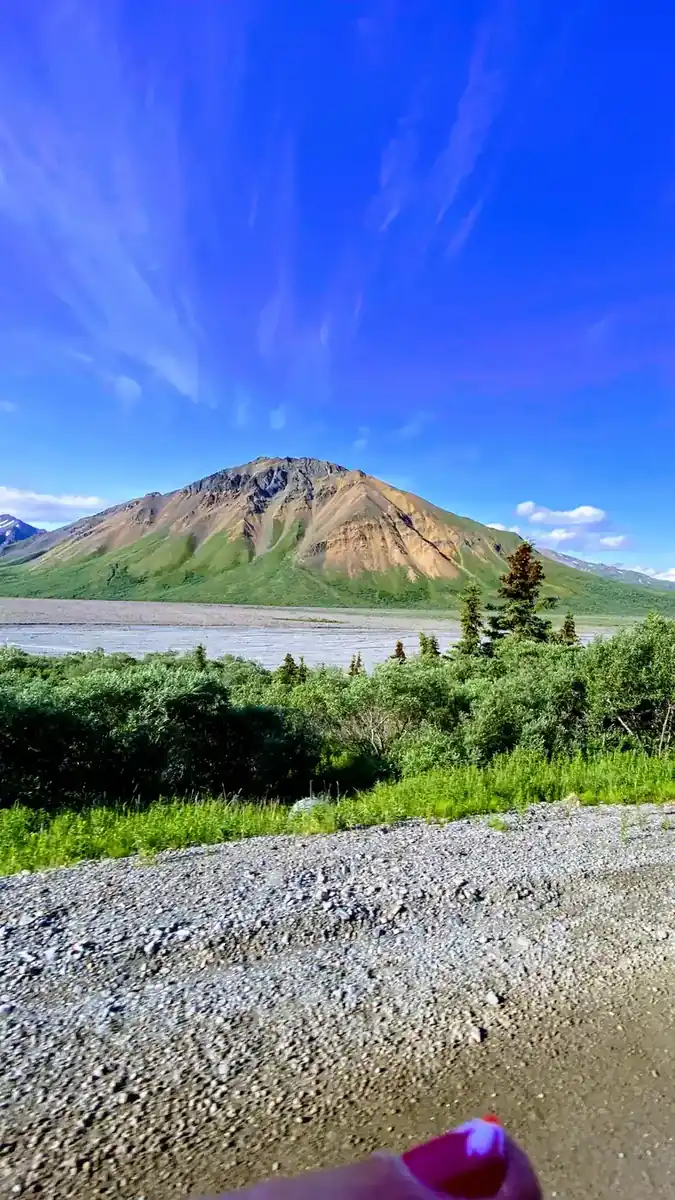
Timing is everything in the Weminuche Wilderness, the largest wilderness area in Colorado and home to the rugged Needle Mountains and Chicago Basin. At elevations from 8,000 feet to over 14,000 feet in the San Juan Mountains, conditions swing wildly by month. Pick the wrong week and you will fight snow, swollen creeks, or daily lightning. Pick the right one and you get firm trails, wildflowers, and stable mornings. Here is how the seasons play out.
Late Spring and Early Summer (May to Early July)
This is the snow season at elevation. Lower trails near Durango and the Animas River canyon may be clear by late May, but the high basins hold snow well into July. Snowmelt also means dangerous creek crossings, and Needle Creek and the Animas can run high and cold. If you go this early, expect to carry an ice axe and traction for the gullies toward Twin Lakes, and be ready for postholing in soft afternoon snow.
Peak Season (Mid-July to Late August)
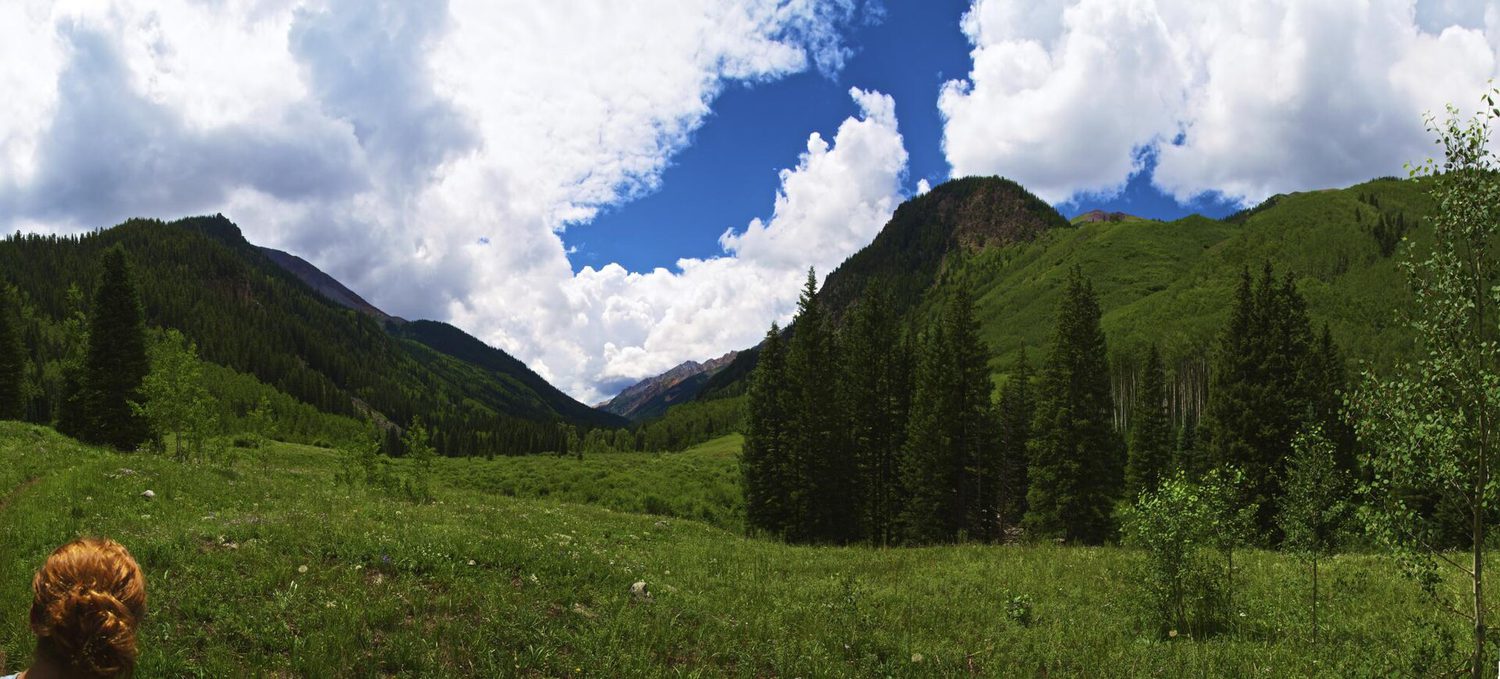
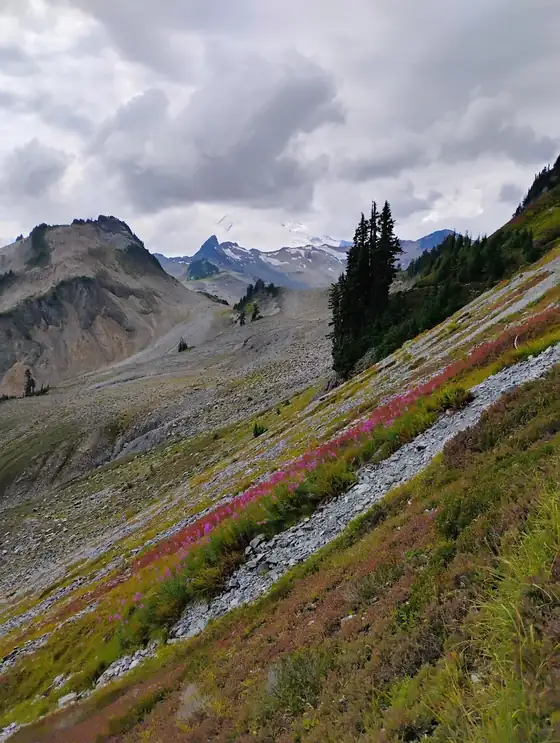
This is when the Weminuche shines. Wildflowers peak in the alpine meadows, daytime temperatures are pleasant, and the 14ers around Chicago Basin, Eolus, Sunlight, and Windom, are generally free of climbing snow. The catch is the North American monsoon. From roughly mid-July into August, afternoon thunderstorms build almost daily over the San Juans. Plan to be off summits and high ridges by noon and to have camp chores done before the clouds stack up.
- Best for: 14er climbing, wildflowers, warm swimming holes, and reliable train drop-offs.
- Watch for: daily lightning, crowded weekends, and aggressive mountain goats seeking salt.
- Strategy: start summit days by headlamp and treat noon as a hard turnaround.
Early Fall (September)
September is a favorite for experienced backpackers. The monsoon eases, the air turns crisp, crowds thin out, and the tundra glows gold while aspens lower down begin to turn. Nights get cold, often dipping below freezing in the basins, and daylight shrinks noticeably. Early storms can dust the peaks with snow, so carry warm layers and watch the forecast. The Durango and Silverton train still runs into fall, but confirm the schedule.
Late Fall and Winter (October to April)
By October, snow returns to the high country and the train winds down its full wilderness service. Winter travel in the Weminuche is a serious mountaineering and avalanche-aware undertaking, not a backpacking trip. Unless you have the skills and gear for deep snow and cold, save this range for the warmer months.
How to Read the Conditions Before You Go
Snowpack varies a lot year to year, so do not rely on calendar dates alone. Check the latest San Juan National Forest conditions, recent trip reports for Chicago Basin, and the avalanche and snowpack outlook in spring. Watch creek levels, since a heavy snow year can keep crossings dangerous into July. A flexible plan with one or two buffer days lets you wait out storms instead of pushing into them.
Final Recommendation
If you want the safest, most rewarding trip, aim for late July through mid-September and build your days around early starts and afternoon storm avoidance. Go in September if you prefer solitude and cool, stable air and can handle cold nights. With the right timing, the Weminuche delivers some of the finest high-alpine backpacking in Colorado.
Best Time to Backpack the Weminuche Wilderness in Colorado FAQs
Late July through August offers the warmest, most stable trail conditions, while September brings fewer crowds and crisp air. Avoid May through early July when snow and high creek crossings make the high country hazardous.
Most of the steep snow in the gullies above Twin Lakes melts by mid-July in an average year, though heavy snow years can hold drifts later. Lower trails clear earlier, but always check current conditions before relying on dates.
Yes. The North American monsoon brings near daily afternoon thunderstorms from mid-July into August in the San Juan Mountains. Plan to be off summits and high ridges by noon to stay safe from lightning.