Why the Gorge Floor Needs a Permit
Tallulah Gorge State Park issues a limited number of free gorge floor permits each day, and you cannot legally descend below the Hurricane Falls overlook without one. The cap exists for two reasons: the river bottom is fragile and crowded, and the route is genuinely dangerous when water levels rise. The reward is one of the best short adventures in Northeast Georgia, ending at Sliding Rock and the base of Bridal Veil Falls, a natural waterslide that gives the spot its nickname, Sliding Rock.
If you want this hike built into a full two-day plan with the rim trails and the suspension bridge, our Tallulah Gorge weekend itinerary sequences it so you tackle the gorge floor when you are freshest.
How to Get a Permit
Permits are issued first come, first served at the Jane Hurt Yarn Interpretive Center the morning of your hike. They are free, but only 100 are released per day, and they go quickly on warm weekends.
- Arrive at the interpretive center early, ideally before it opens at 8 a.m. on summer weekends
- Permits are not reservable online; you must pick them up in person the day of
- You still pay the standard daily parking fee per vehicle
- Permits are not issued at all on water release days, when the dam runs high flows
Dam Releases Change Everything
Georgia Power owns the dams above the gorge and schedules scheduled water releases, typically on selected weekends in spring and fall for whitewater paddlers and in aesthetic releases for viewing. On release days the gorge floor is closed to hikers because the river rises fast and the rocks turn lethal. Always check the park's release calendar before you plan a floor hike, and never enter the riverbed if you hear sirens or see the water rising.
What the Hike Is Actually Like
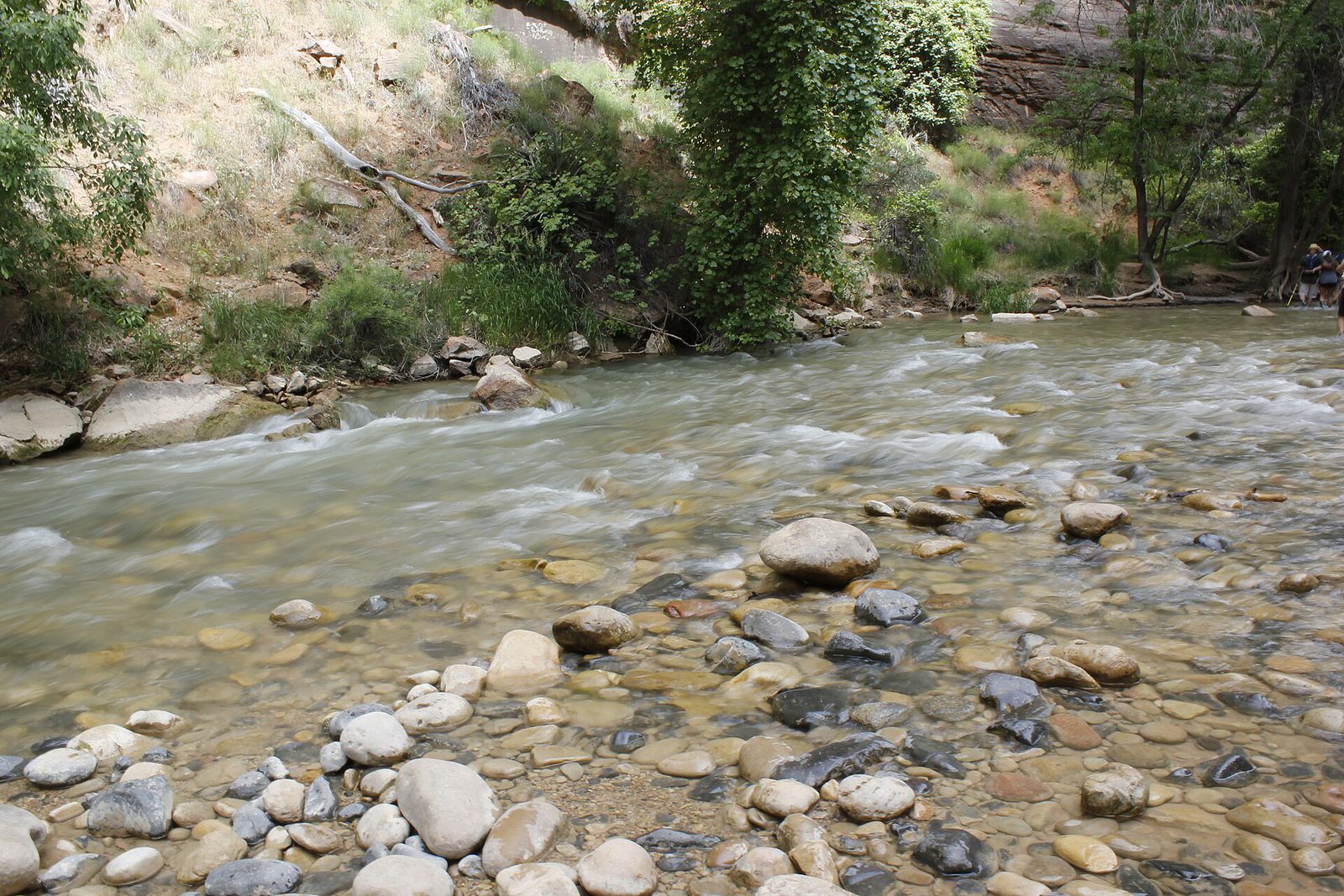
This is not a stroll. After descending the metal stairs to the Hurricane Falls overlook, you leave the maintained trail and pick your way across boulders and bedrock along the river. The route to Sliding Rock and Bridal Veil Falls is a rock scramble, not a path, and it is rated strenuous. You will use your hands, balance on uneven granite, and likely get your feet wet. The round trip from the rim is only about two miles, but plan on several hours because of the slow terrain.
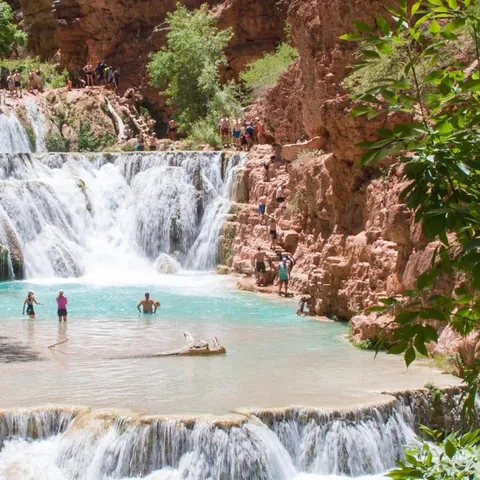
At the end you reach Bridal Veil Falls, where water sheets over a smooth, angled slab. On hot days people slide down the natural chute into the pool below. It is exhilarating but slick, so go feet first, watch the depth, and respect that this is wild water with no lifeguards.
What to Wear and Bring
- Closed-toe shoes with serious grip that you do not mind soaking; trail runners or water shoes beat sandals
- A small pack with water and snacks, since there are no facilities below the rim
- A dry bag or zip bag for your phone and keys
- Sun protection, because the open riverbed offers little shade midday
Safety Realities
People have been seriously injured and killed in the gorge. The granite is slick where it stays wet, the current is stronger than it looks, and there is no quick rescue from the bottom. Go with a partner, move deliberately, and turn around if conditions feel wrong. The park rangers are strict about permits and closures precisely because the consequences here are real.
The Route, Step by Step
From the Jane Hurt Yarn Interpretive Center on the North Rim you first hike the standard Hurricane Falls Loop down the metal stairs to the Hurricane Falls overlook. That is where the maintained trail ends and the permit zone begins. From the overlook you climb down to the riverbed and follow the water downstream past Oceana Falls, a long sliding cascade, toward Bridal Veil Falls and Sliding Rock. There is no painted path on the rock; you read the terrain, stay off the slickest wet granite, and keep the river on the right line of travel. Going slow is faster here, because one bad slip on boulders ends the day.
Best Conditions for the Floor
Warm, dry stretches in late spring through summer are ideal, because the water at Sliding Rock is comfortable and the rocks are at their grippiest where they stay dry. Avoid the floor right after heavy rain, when runoff raises the river and the granite stays wet and treacherous. Early morning gives you cooler stairs, the best shot at one of the 100 daily permits, and quieter water before the midday crowd arrives. Fall weekends are beautiful but busy and often coincide with whitewater releases that close the floor entirely.
Etiquette and Leave No Trace
- Pack out everything you bring in; there are no trash cans below the rim
- Stay off fragile streamside vegetation and the rare plants the park protects
- Keep groups small and yield space at Sliding Rock so everyone gets a turn
- Do not move or stack rocks; the riverbed is a protected natural area
Fit It Into a Weekend
The gorge floor is the highlight of a Tallulah trip, but it is exhausting, so most visitors save the rim overlooks and the town of Clayton for the lower-energy parts of the day. Our full Tallulah Gorge weekend hiking itinerary lays out exactly when to grab your permit, when to descend, and where to refuel afterward.
Tallulah Gorge Floor Permit Guide FAQs
Permits are free and issued in person at the Jane Hurt Yarn Interpretive Center the morning of your hike. Only 100 are released per day on a first come, first served basis, so arrive early, and they are not available on dam water release days.
People do slide down Bridal Veil Falls at Sliding Rock, but it is slick natural granite with no lifeguards. Go feet first, check water depth, watch for current, and never enter the gorge on a water release day when the river rises fast.
The round trip from the rim is only about two miles, but the boulder scrambling along the riverbed is slow and strenuous, so plan on several hours including the stair climb back to the top.