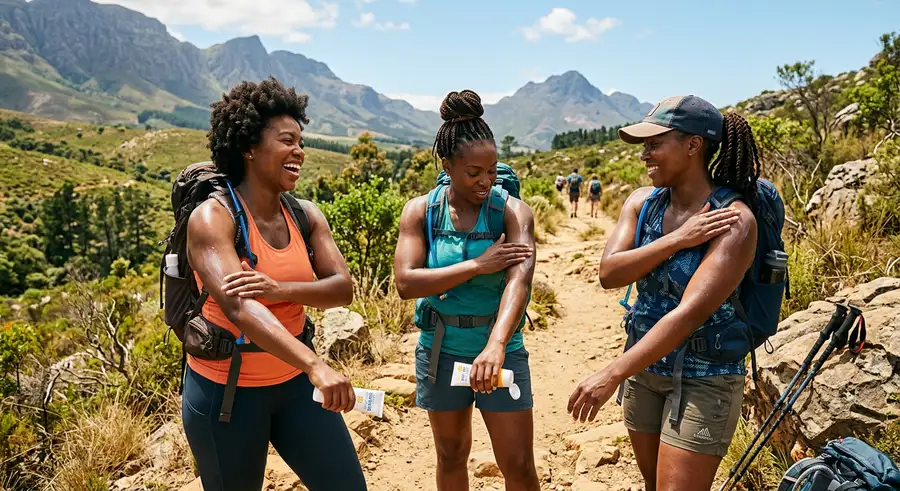
Why UV Exposure While Hiking Is Worse Than You Think
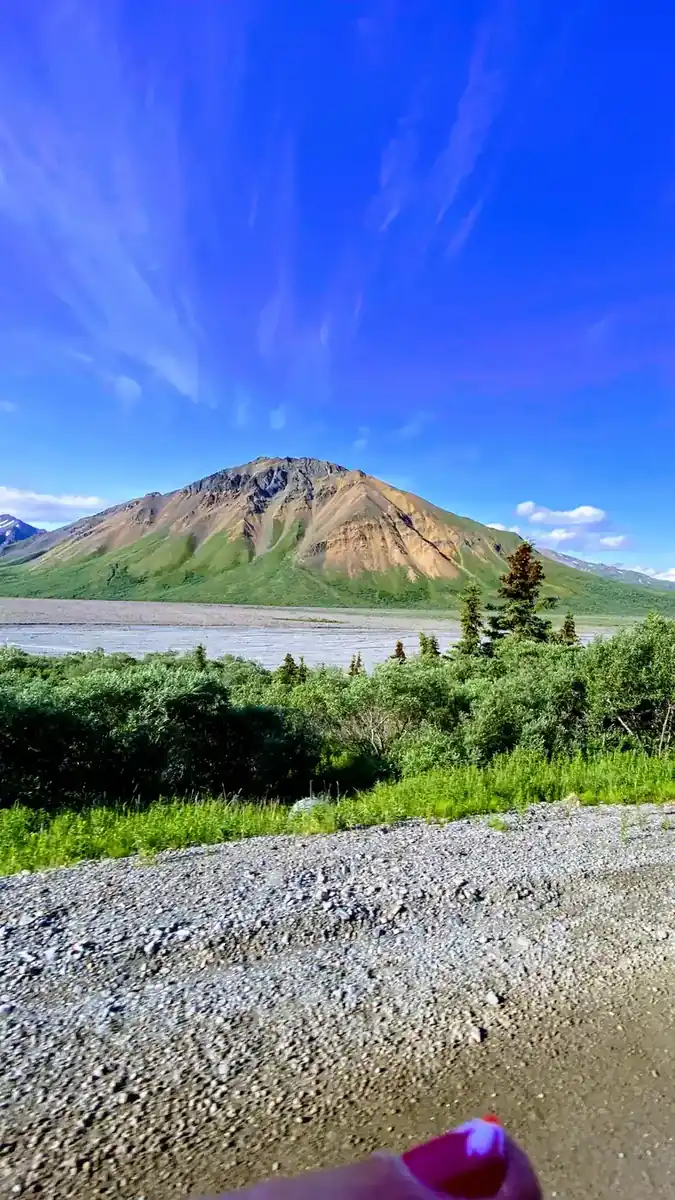
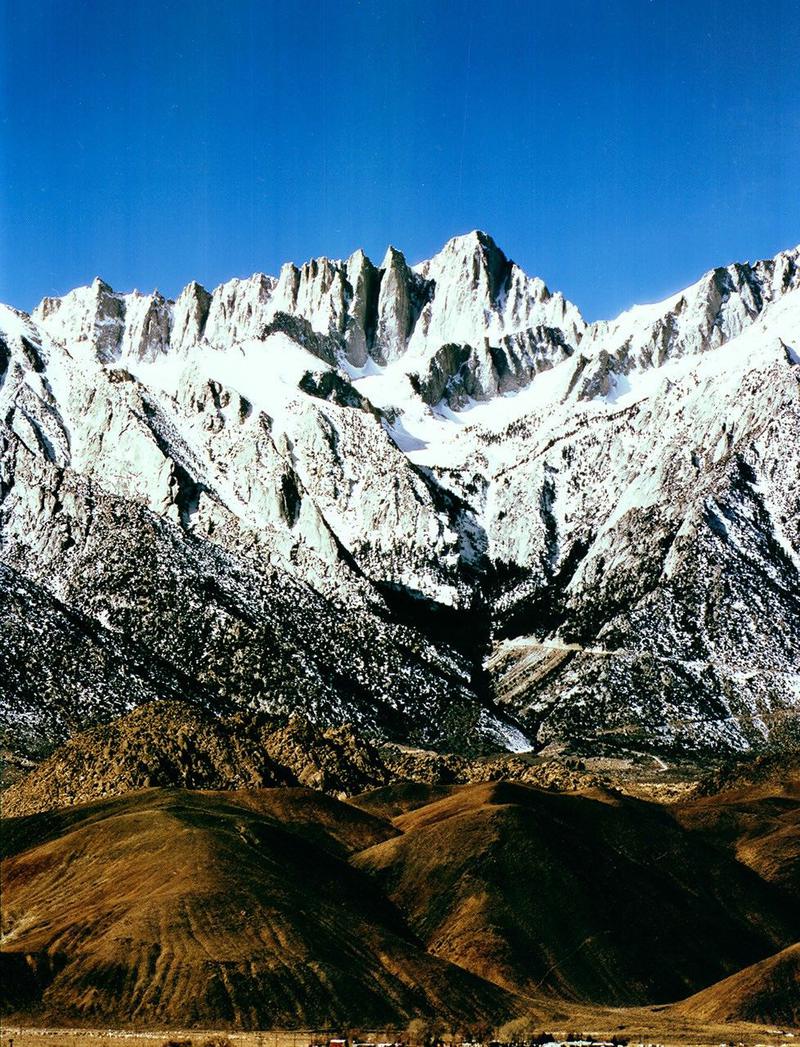
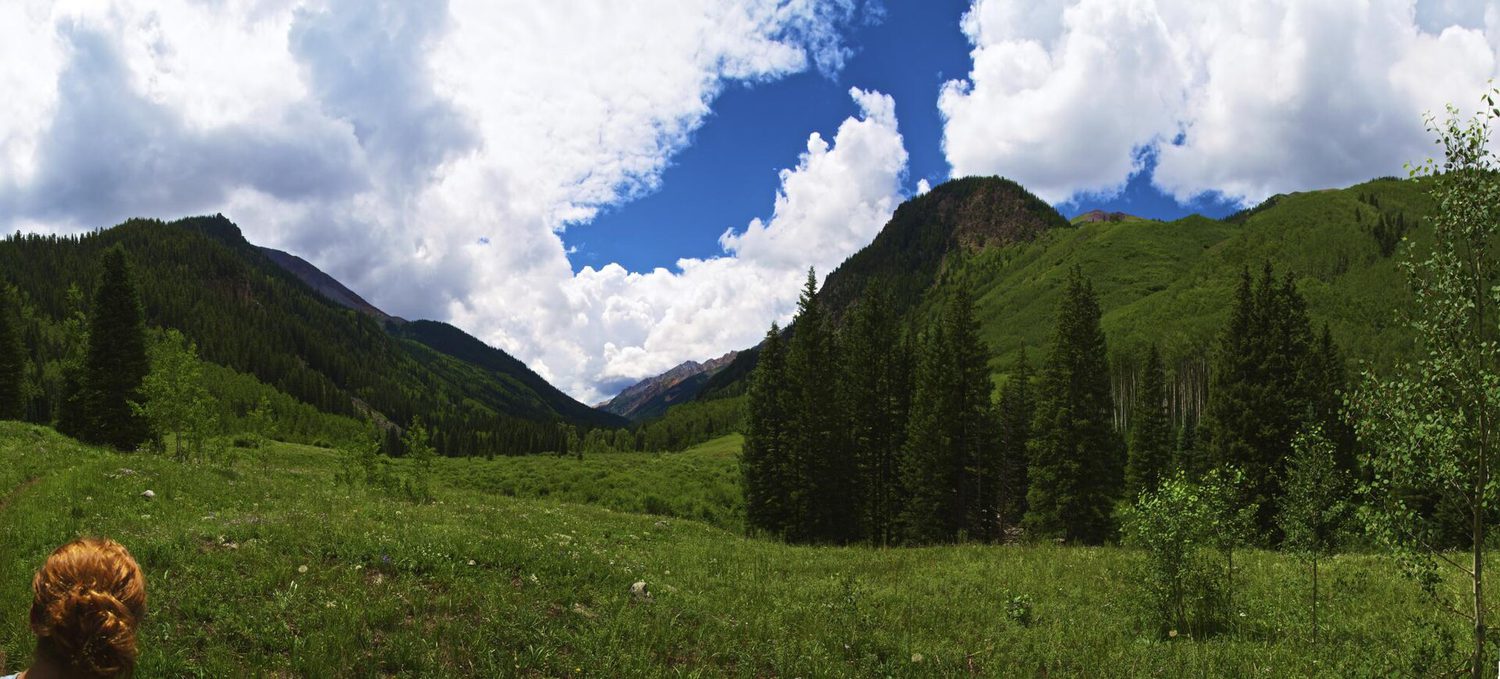
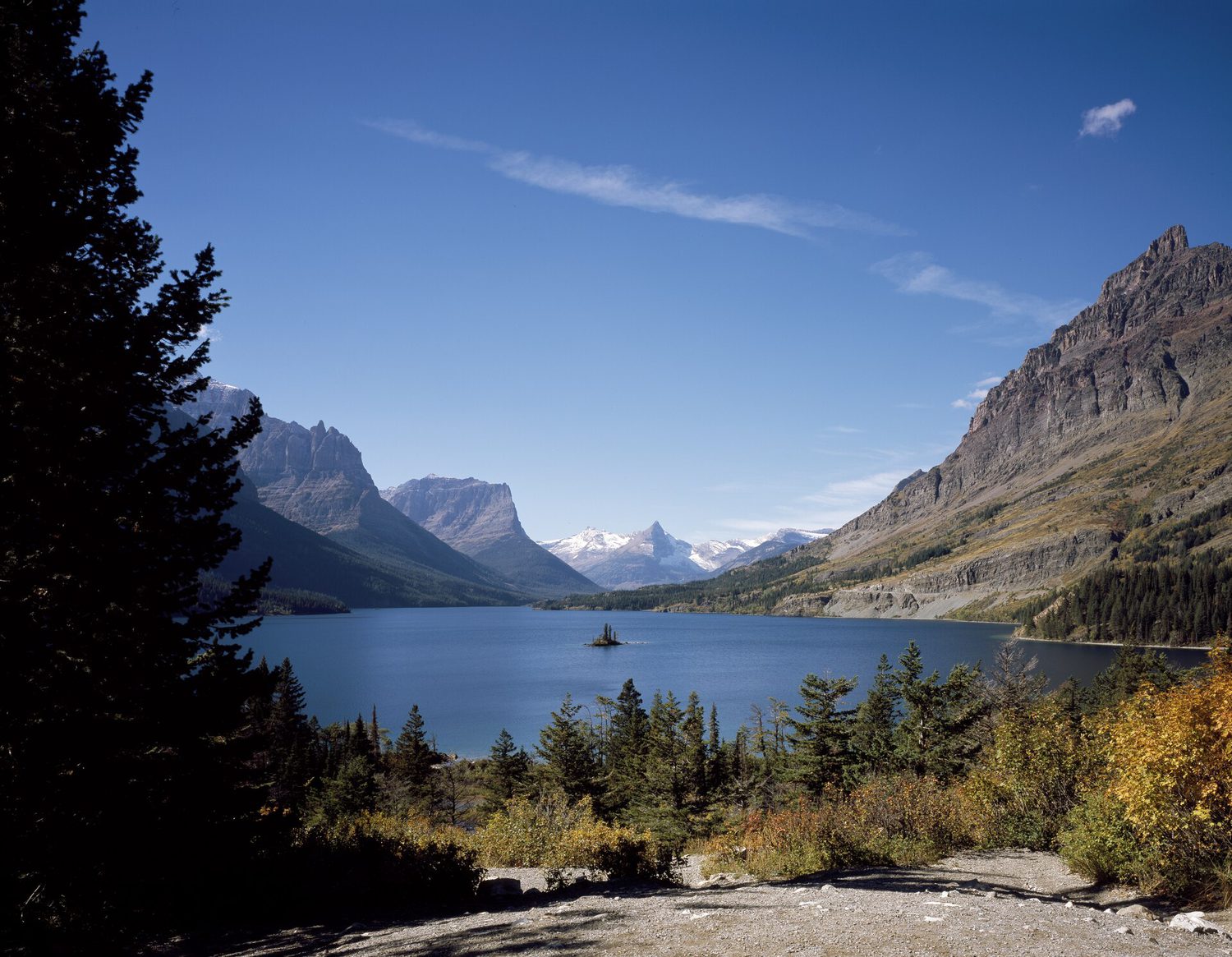
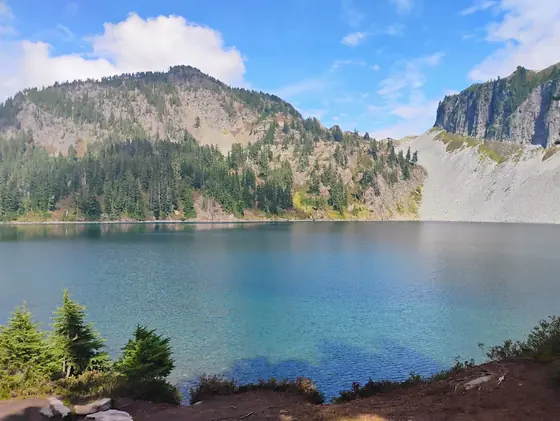
At sea level on a clear day, UV radiation is already enough to cause sunburn in 15–30 minutes without protection. Above treeline in the mountains, UV intensity increases roughly 10% for every 1,000 feet of elevation gain, a hiker at 11,000 feet in Colorado is receiving about 50% more UV radiation than someone at sea level. Add snow (which reflects 80% of UV back up at you, meaning you're hit from above and below) or a high-altitude alpine lake, and effective UV exposure can be three times what you'd experience walking around your neighborhood.
Compounding the problem: hiking typically means extended hours of sun exposure without the shade breaks that interrupt city or beach exposure. A 10-mile mountain hike might mean 6+ hours of sustained sun. Most people apply sunscreen once at the trailhead and don't reapply. By mile 5 they're burning.
SPF: What the Numbers Actually Mean
SPF (Sun Protection Factor) measures how much longer you can stay in the sun without burning compared to no protection. SPF 30 blocks about 97% of UVB rays. SPF 50 blocks about 98%. SPF 100 blocks about 99%. The difference between SPF 30 and SPF 50 is real but modest, the bigger issue is application amount and reapplication frequency.
For hiking, use minimum SPF 30 and prefer SPF 50. The UV conditions on exposed trails are more intense than the test conditions used to establish SPF ratings (which are measured in a lab, not at 10,000 feet in reflective snow).
How much to apply: Most people apply 25–50% of the recommended amount. The standard is 2mg per square centimeter of skin, for your face, that's about a nickel-sized dollop. For your entire body, that's about a shot glass full. Most people apply a fraction of this, which dramatically reduces effective SPF. If you apply half the recommended amount of SPF 50, you're getting the equivalent of about SPF 7.
Reapplication: Every two hours, or immediately after sweating heavily. Hiking means sweating, which means sunscreen washes off faster than on a beach. A hiker in hot conditions on a steep trail might need to reapply every 90 minutes to maintain coverage. Spray sunscreens are convenient for reapplication mid-hike; just make sure to rub them in after spraying.
Best Sunscreens for Hiking
EltaMD UV Sport SPF 50: Dermatologist favorite for active outdoor use. Broad-spectrum (UVA and UVB), water-resistant to 80 minutes, mineral-based (zinc oxide). Goes on smoothly, dries without a white cast. The sport formula is significantly more water-resistant than EltaMD's standard options. Around $40 for a 3 oz tube, expensive but worth it for face application.
Neutrogena Ultra Sheer Dry-Touch SPF 55: The best budget option that dermatologists consistently recommend. Chemical sunscreen (avobenzone, homosalate), lightweight formula, water-resistant. Goes on without a white cast and doesn't feel heavy on hot days. Around $12 for a 3 oz tube. For body application on long days, this is the practical choice given how much you need to apply.
Banana Boat Sport Ultra SPF 50 spray: The best spray option for reapplication mid-hike. Spray sunscreens are less precise than lotions and require rubbing in, but their convenience for reapplication on the trail outweighs this. Around $10. Keep a small bottle in a hip belt pocket for mid-hike reapplication.
Blue Lizard Sensitive SPF 30+: Best option for hikers with sensitive skin or those who react to chemical sunscreen ingredients. Mineral-only formula (zinc oxide and titanium dioxide), no chemical UV filters. Leaves more white cast than chemical options but is much less likely to cause skin reactions.
UPF Clothing: Often Better Than Sunscreen
UPF (Ultraviolet Protection Factor) clothing blocks UV directly, a UPF 50 shirt blocks 98% of UV rays, and unlike sunscreen, it doesn't wash off, doesn't require reapplication, and doesn't degrade over the course of the day. For extended hiking in sun, UPF clothing is often more reliable protection than sunscreen for covered areas.
A regular white cotton T-shirt has a UPF of approximately 5. A wet white cotton tee drops to UPF 3. A lightweight technical UPF 50 shirt provides dramatically more protection while being cooler than cotton in heat because of its moisture-wicking properties.
Best UPF shirts for hiking:
- Columbia PFG Tamiami II UPF 40 (~$60): The best known UPF shirt for a reason. Lightweight, dries fast, UPF 40, and available in long-sleeve versions that cover your arms completely. Originally a fishing shirt but adopted by hikers for the sun protection and ventilation. Vented back provides airflow in heat.
- Outdoor Research Echo Hoodie UPF 15 (~$65): The best all-around sun hoodie for hiking, thumb loops to keep sleeves from riding up, a hood that pulls up when needed, and moisture-wicking synthetic fabric that performs in heat. The UPF 15 is lower than the Columbia but the full coverage (including hands when wearing with thumb loops) compensates.
- Sunday Afternoons Dimension Shirt UPF 50 (~$95): The most sun-protective shirt option, from a brand that focuses specifically on sun protection gear. UPF 50+, moisture-wicking, the collar extends to protect the back of the neck. Best choice for desert hiking, high-altitude, or anyone with a history of skin cancer.
Hats: Non-Negotiable Above Treeline
A standard baseball cap leaves your ears and the back of your neck, two of the most common sites for skin cancer, completely unprotected. A wide-brim hat (3+ inch brim all around) addresses this.
Sunday Afternoons Sun Guide Hat (~$50): The go-to wide-brim hiking hat. UPF 50+, packable, and the back of the brim flips down for additional neck coverage. Stays on well in wind. The most popular hat among serious hikers for good reason.
Outdoor Research Seattle Sombrero (~$65): Wider brim than the Sun Guide, better for maximum shade, but slightly less packable. Best for desert hiking where shade comes exclusively from your hat.
For cold weather hiking where a warm hat replaces the sun hat: protect the face and neck with sunscreen. UV reflects off snow intensely and burns the nose, cheeks, and under the chin from below, areas people often don't apply sunscreen.
Don't Forget These Easy-to-Miss Areas
- Lips: Use a lip balm with SPF 30+. The lips burn easily and skin cancer on the lower lip is one of the most aggressive forms. EOS Sheer SPF 25 or Neutrogena Moisture Shine SPF 20 are good options.
- Ears: The tops of ears are an extremely common site for skin cancer and are almost always missed in sunscreen application. Apply deliberately every time.
- Under the chin and neck: Especially important in snow, UV reflects up and burns the underside of your face.
- Hands: If you're not wearing UPF gloves or a sun hoodie with thumb loops, apply sunscreen to the backs of your hands. Driving-related skin cancer on the left hand is well-documented; the same exposure happens on the uphill side of a switchback.
- Scalp: Along the part line if you have thin or no hair. Spray sunscreen is easiest to apply here.
Sunglasses: UV Protection for Your Eyes
UV exposure damages eyes as well as skin, contributing to cataracts and macular degeneration over time. Look for sunglasses that block 99–100% of both UVA and UVB rays. For mountain hiking, wraparound frames prevent UV from entering from the sides.
Oakley, Smith, and Julbo all make quality hiking sunglasses with full UV blocking. For alpine environments with snow, Category 3 or 4 lenses (darker tint) are appropriate, standard sunglasses are often too light for full-sun snowfield conditions.
Sun Protection for Hikers FAQs
Minimum SPF 30, preferably SPF 50 for mountain or desert hiking. The UV intensity increases 10% per 1,000 feet of elevation, and snow reflects an additional 80% of UV back at you. More importantly than SPF number: apply enough (a nickel-sized dollop for your face) and reapply every two hours or after heavy sweating. Proper application of SPF 30 beats inadequate application of SPF 100.
For covered areas, yes, UPF clothing is more reliable because it doesn't wash off with sweat, doesn't require reapplication, and provides consistent protection all day. A UPF 50 shirt blocks 98% of UV all day regardless of sweat or water exposure. Use both: UPF clothing for body and sun-exposed areas, sunscreen for face, ears, neck, lips, and hands.
A wide-brim hat with at least a 3-inch brim all the way around, not a baseball cap. The Sunday Afternoons Sun Guide (~$50) is the best all-around hiking sun hat: UPF 50+, packable, stays on in wind, and the back brim extends for neck protection. Baseball caps leave your ears and neck exposed, which are common skin cancer sites.
Yes. Up to 80% of UV radiation penetrates cloud cover. This is the most common cause of surprise sunburns, hikers skip sunscreen on overcast mornings and burn by afternoon when clouds thin or break. Always apply sunscreen at the trailhead regardless of sky conditions. If anything, the diffuse light on overcast days can feel less intense, causing hikers to be less vigilant while the UV exposure is nearly the same.
Every two hours at minimum, and immediately after sweating heavily or crossing a stream. Hiking involves sustained physical activity that produces sweat, which washes off sunscreen much faster than a sedentary day at the beach. In hot conditions on steep terrain, the effective duration of sunscreen may be closer to 60–90 minutes. Keep a travel-sized spray sunscreen in a hip belt pocket for easy mid-hike reapplication.