Nebraska's Tallest Waterfall Hides in the Sandhills
People do not expect waterfalls in Nebraska, but the Niobrara River canyon is full of them, and the crown jewel is Smith Falls. At roughly 63 feet, it is the tallest waterfall in the state, a slender ribbon of spring water that drops off a moss-draped sandstone ledge into a fern-filled grotto. The falls sit inside Smith Falls State Park, about 20 miles east of Valentine off Highway 12, in the heart of one of the most scenic corridors on the Great Plains. If you are routing a longer trip through the region, this stop anchors our 10-day Nebraska Sandhills itinerary.
Getting There From Valentine
From Valentine, drive east on Nebraska Highway 12 for about 15 miles, then turn south on the gravel Smith Falls Road and follow signs roughly 4 miles to the park entrance. The last stretch is well-graded gravel passable by any car in dry conditions; it can get slick after rain. A state park entry permit is required and can be bought at the gate. The park is day-use friendly but also a beloved overnight base, so arrive early on summer weekends when the small lot fills.
The Hike to the Falls
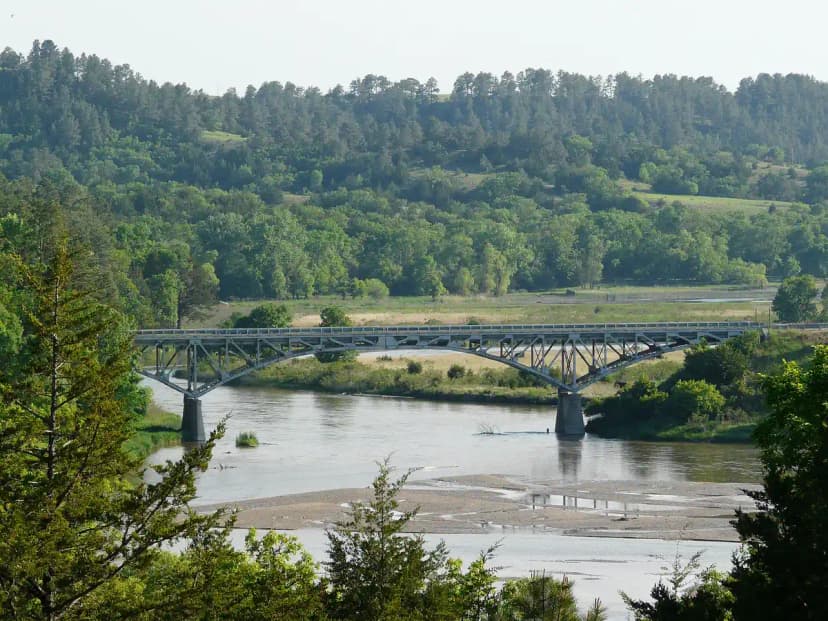
Reaching Smith Falls is short and family-friendly. From the parking area you cross the Niobrara on a historic steel truss footbridge, then follow a wooden boardwalk and a gentle dirt path up a side canyon.
- Distance: about half a mile round trip from the lot to the viewing platform.
- Difficulty: easy, with one short set of stairs and a boardwalk; doable with kids.
- Time: 20 to 40 minutes including photo stops.
The trail ends at a viewing deck right beside the spray. The temperature drops noticeably in the grotto, a cool microclimate that supports paper birch and ferns left behind from the last Ice Age. Continue past the falls on the longer canyon-rim trail for big views down the green Niobrara valley.
Camping and Floating From Smith Falls
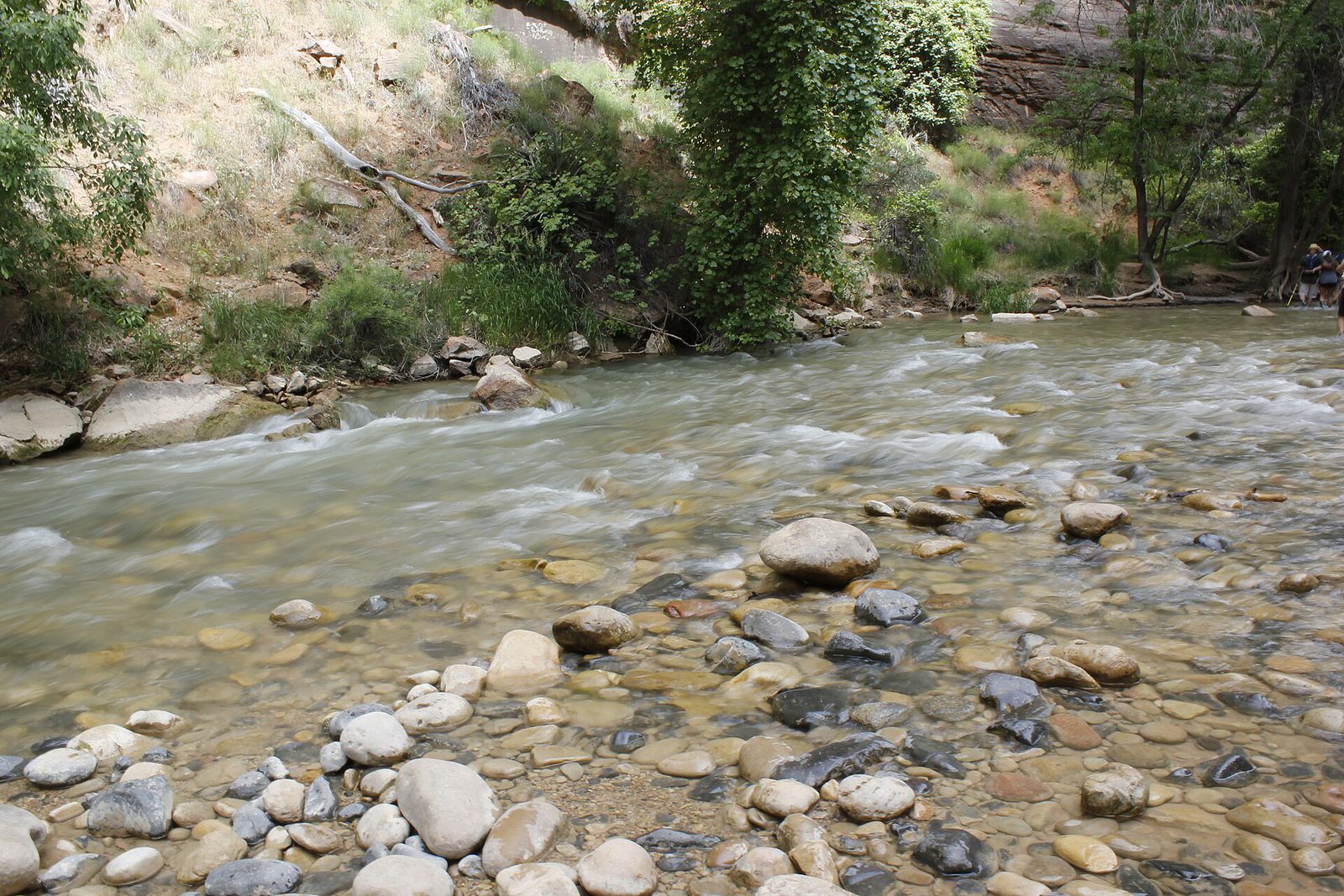
Smith Falls State Park is one of the best riverside campgrounds in the Sandhills. Tent and walk-in sites sit along the water under tall cottonwoods, with a handful of basic amenities and a seasonal concession. Many visitors combine a night here with a tubing or kayak float, since the classic Cornell Bridge run takes out near the park. Spring-fed and shallow, the Niobrara is ideal for a lazy afternoon on the water before an evening at the falls. Book campsites well ahead for July and August.
Best Time to Visit
Smith Falls flows year-round thanks to its groundwater source, so it never fully dries up, but the experience changes with the seasons. Summer brings warm float-trip weather and the fullest campgrounds. Late September and early October deliver the canyon's best color as the birch and oak turn gold against the dark pines. Winter can transform the falls into a dramatic column of ice for those willing to brave a snowy gravel road. Mornings are best for photography, when soft light reaches into the grotto and the crowds are thin.
Photography and Visitor Tips
To make the most of your visit, plan around the light and the crowds.
- Shoot in the morning or on overcast days to avoid harsh contrast in the shaded grotto.
- Bring a small tripod for silky long-exposure shots of the cascade.
- Wear shoes with grip; the boardwalk and stairs can be damp and slick.
- Pack out all trash and stay on the boardwalk to protect the fragile ferns.
- Carry bug spray in midsummer and water for the canyon-rim trail.
Smith Falls is the rare Nebraska surprise that rewards every traveler who makes the drive. Pair it with a Niobrara float and a night under the cottonwoods, and it becomes the highlight of any Sandhills road trip.
Smith Falls State Park FAQs
Smith Falls is about 63 feet tall, making it the tallest waterfall in Nebraska. It is located in Smith Falls State Park in the Niobrara River canyon, roughly 20 miles east of Valentine off Highway 12.
The hike is easy, about a half mile round trip from the parking lot across a steel footbridge and up a boardwalk to a viewing deck. It takes 20 to 40 minutes and is suitable for families with children.
Yes. The park has riverside tent and walk-in campsites along the Niobrara under cottonwood trees. A state park permit is required, and reservations are strongly recommended for summer weekends in July and August.