Nebraska Sandhills: A 10-Day Road Trip Itinerary
One sand sea, rivers, refuges & badlands, all across Nebraska.
Ten days across the largest sand-dune sea in the Western Hemisphere: float the Niobrara, chase waterfalls and wildlife around Valentine, ride the Cowboy Trail, and roam badlands and pine ridges in the far northwest.
“I’ve requested to book a Chain Lakes Loop guide on ExplorOFF, and it was the best idea ever! I highly recommend going with their guided option since you get a real human connection on the trail and don’t have to worry about a thing. Yulia was great to talk to!”
 23 stops on a real mapEvery stop pinned in order→
Nebraska Sandhills: every stop pinned in order.
Niobrara River, Valentine refuges & the Pine Ridge · Nebraska
Every stop on this trip, in order, opens as one driving route in the Google Maps app. No copying addresses across one at a time.
Nebraska Sandhills in photos: 5 of the stops.



Plan and book your 10 days in Nebraska Sandhills, one step at a time
How 10 days in Nebraska Sandhills split up
Plan 10 days for Nebraska Sandhills. Total distance: ~750 mi. Difficulty: Easy. Park permit: $8 / day. The Nebraska Sandhills are the largest sand-dune formation in the Western Hemisphere, roughly 20,000 square miles of grass-stabilized dunes spread across north-central Nebraska. Beneath the grass and cattle ranches sits the Ogallala Aquifer, which feeds thousands of shallow lakes, spring-fed creeks, and the cold, clear rivers that make this one of the most surprising landscapes on the Great Plains.
Day 1: Arrive in Valentine · the heart of the Sandhills
3 stops · Day one
Day 2: Float the Niobrara National Scenic River
2 stops · Day two
Day 3: Smith Falls State Park · Nebraska's tallest waterfall
2 stops · Day three
Day 4: Fort Niobrara & Valentine wildlife refuges
3 stops · Day four
Day 5: The Cowboy Trail & the Niobrara trestle
2 stops · Day five
Day 6: Sandhills scenic byways · drive west
2 stops · Day six
Day 7: Chadron State Park & the Pine Ridge
2 stops · Day seven
Day 8: Toadstool Geologic Park & Oglala National Grassland
2 stops · Day eight
Day 9: Drive back east · dark skies over the dunes
3 stops · Day nine
Day 10: Head home · optional Platte River cranes
2 stops · Day ten
Arrive in Valentine · the heart of the Sandhills
Valentine is the natural base for the eastern half of this trip and the gateway to the Niobrara. You can fly into the small Valentine airport (VTN), but most people drive in: roughly 5 hours from Omaha or about 6 hours from Denver, with long, empty, beautiful stretches of dune country along the way. Stop for gas whenever you see a station, because the next one can be a long way off.
Not the order you want? Drag a stop, or use the arrows beside it. Stops move between days too.
 Drive from
~5 hr · remote · fuel up first · DriveValentine is the gateway to the eastern Sandhills. Plan on about 5 hours from Omaha or roughly 6 hours from Denver, through long, empty stretches of dune country with patchy cell service. You can also fly into the small Valentine airport (VTN). Fuel up whenever you see a station and download offline maps before you lose signal.
- Valentine
Sandhills gateway · trip base · ViewpointValentine sits high on the edge of the Sandhills and anchors the eastern half of this trip. Get your bearings, line up your Niobrara float with a local outfitter, and stock up on water and supplies. The surrounding refuges put thousands of lakes and grasslands within easy reach for the days ahead.
 Stay in Valentine
Base for the river, falls & refuges · lodgeBase in Valentine for the first half of the trip. It puts the Niobrara, Smith Falls, the wildlife refuges, and the Cowboy Trail all within easy reach. Rooms are limited and fill on summer weekends during float season, so reserve early.
Float the Niobrara National Scenic River
Today is the centerpiece. The Niobrara National Scenic River is a cold, clear, spring-fed river that runs east from Valentine through a lush canyon where the Great Plains, eastern woodlands, and Rocky Mountain ecosystems all overlap. Floating it by tube, kayak, or canoe is the most popular paddle trip in Nebraska, drifting past more than 200 waterfalls that spill out of the canyon walls.
Not the order you want? Drag a stop, or use the arrows beside it. Stops move between days too.
- Float the Niobrara · Cornell Bridge to Brewer Bridge
Canoe or kayak rental + shuttle · summer season · activityThe Niobrara National Scenic River is a cold, clear, spring-fed river running east from Valentine, and floating it is the most popular paddle trip in Nebraska. Drift past more than 200 waterfalls by tube, kayak, or canoe. This plan books Dryland Aquatics' 4-hour canoe or kayak trip from Cornell Bridge in the Fort Niobrara refuge down past Smith Falls to Brewer Bridge, shuttle included; the NPS lists several other Valentine outfitters for tubes and longer floats.
Book this →  Second night in Valentine
Stay put for the river days · lodgeStay a second night in Valentine so the river and falls are an easy day trip. Keeping the same base means no packing up between the float, Smith Falls, and the refuges over the next few days.
Smith Falls State Park · Nebraska's tallest waterfall
Head back to the Niobrara valley for Smith Falls State Park, home to Smith Falls, the tallest waterfall in Nebraska at 63 feet. A short, easy walk crosses the river on a footbridge and leads to the falls, where spring water pours over a mossy fern-draped cliff in a cool, green pocket of canyon. It is one of the prettiest spots in the state and an easy half-day from Valentine.
Not the order you want? Drag a stop, or use the arrows beside it. Stops move between days too.
- Smith Falls
Nebraska's tallest waterfall · 63 ft · HikeSmith Falls State Park protects Smith Falls, the tallest waterfall in Nebraska at 63 feet. A short, easy walk crosses the river on a footbridge to the falls, where spring water pours over a mossy, fern-draped cliff in a cool, green pocket of canyon. It needs a Nebraska state park entry sticker.
 Third night in Valentine
Keep the same base · lodgeStay a third night in Valentine. The falls pair well with a short float that takes out at Smith Falls or with a relaxed afternoon in the canyon, and you will want the same base for the refuges tomorrow.
Fort Niobrara & Valentine wildlife refuges
Spend a day on the wildlife refuges that ring Valentine. Fort Niobrara National Wildlife Refuge, just east of town, protects herds of bison and elk along the river, with a wildlife drive and short trails where you can watch the prairie come alive at dawn and dusk. It is one of the most reliable places in the state to see big plains animals up close.
Not the order you want? Drag a stop, or use the arrows beside it. Stops move between days too.
 Fort Niobrara NWR
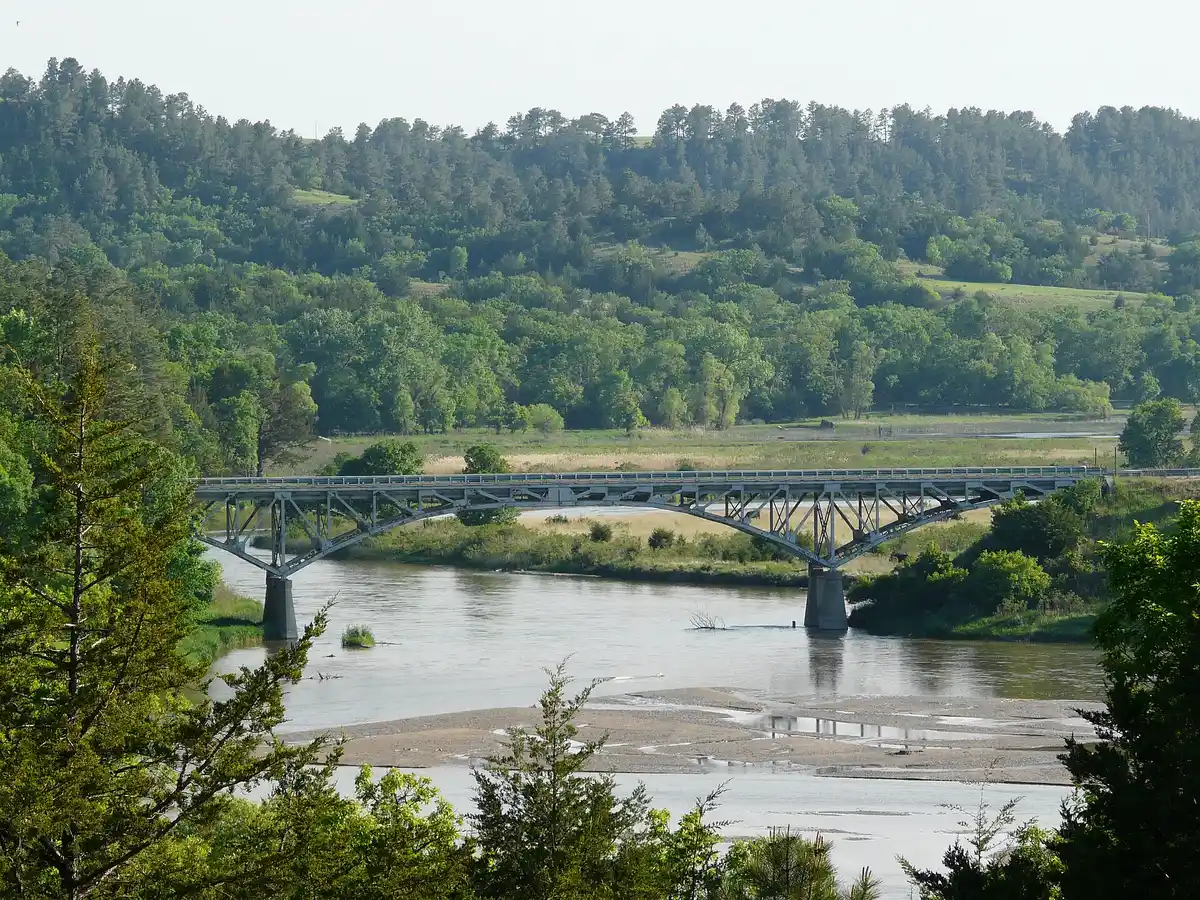
Bison & elk · wildlife drive · ViewpointFort Niobrara National Wildlife Refuge, just east of Valentine, protects herds of bison and elk along the river, with a wildlife drive and short trails. Dawn and dusk are the best times to watch the prairie come alive, and it is one of the most reliable places in the state to see big plains animals up close.
 Pi.1415926535 / CC BY-SA 4.0Valentine NWR
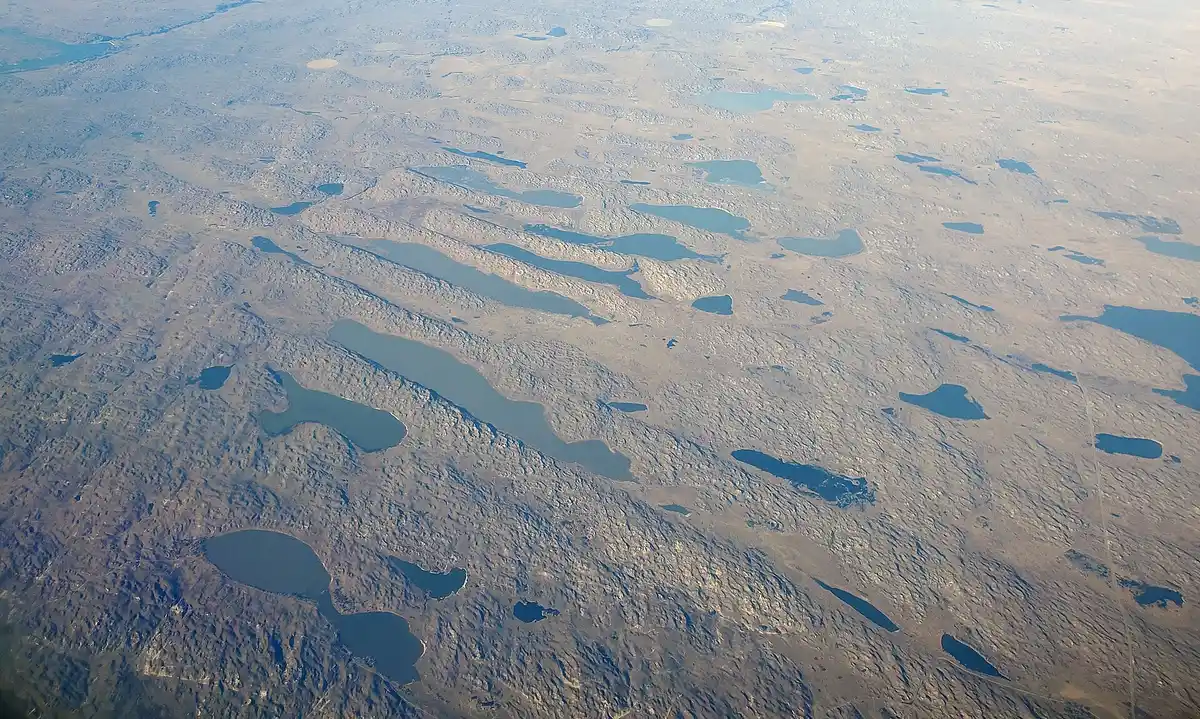
Sandhills lakes · superb birding · ViewpointSouth of town, Valentine National Wildlife Refuge spreads across the Sandhills proper, a maze of shallow lakes, marshes, and grass-covered dunes that draws huge numbers of waterfowl and other birds. Drive the refuge roads, walk to a lakeshore, and bring binoculars for some of the best Sandhills birding anywhere.
 Vihelik / CC BY-SA 3.0Fourth night in Valentine
Last night here before heading west · lodgeSpend your last Valentine night here before the Cowboy Trail tomorrow and the long drive west. The refuges are an easy loop from town, so you can fit in dawn and dusk wildlife viewing without changing base.

The Cowboy Trail & the Niobrara trestle
Trade the car for the trail. The Cowboy Trail is a rail-trail built on a former rail line that runs more than 200 miles across northern Nebraska, making it one of the longest rail-trails in the country. Near Valentine it crosses the Niobrara River on a long, high former railroad trestle, a quarter-mile bridge nearly 150 feet above the water with sweeping views up and down the river valley.
Not the order you want? Drag a stop, or use the arrows beside it. Stops move between days too.
- Niobrara River trestle · Cowboy Trail
Quarter-mile bridge ~150 ft up · ViewpointThe Cowboy Trail is a rail-trail running more than 200 miles across northern Nebraska, one of the longest in the country. Near Valentine it crosses the Niobrara on a long, high former railroad trestle, a quarter-mile bridge nearly 150 feet above the water with sweeping views up and down the river valley. Walk or bike out to it for the marquee view.
 Last night in Valentine
Prep for the drive west · lodgeOne more night in Valentine before the long haul west tomorrow. Pick a stretch of the Cowboy Trail to explore at your own pace, then pack up, fuel up, and stock water for the empty byway miles ahead.
Sandhills scenic byways · drive west
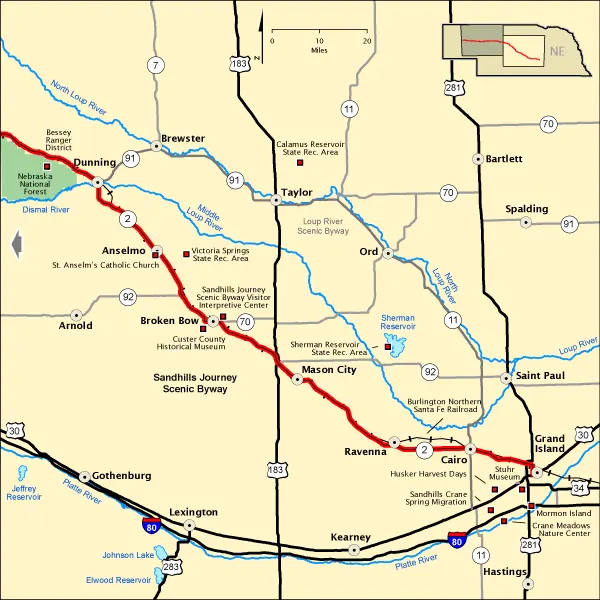
Today is a big driving day across the heart of the dune sea toward the far northwest. Take your time on the Sandhills scenic byways, the lonely state highways that roll over endless grass-covered dunes, past windmills, cattle, and shallow blue lakes with rarely another car in sight. This is the classic Nebraska Sandhills road trip drive, and the emptiness is the attraction.
Not the order you want? Drag a stop, or use the arrows beside it. Stops move between days too.
 Sandhills scenic byways
Long, empty drive over the dunes · DriveTake the lonely state highways that roll over endless grass-covered dunes, past windmills, cattle, and shallow blue lakes with rarely another car in sight. This is the classic Nebraska Sandhills road trip drive. Break up the miles at ranch towns and roadside lakes, and fuel up at every chance, because stations are far apart.
 Stay in Chadron
Base for the Pine Ridge & badlands · lodgeChadron anchors the far-northwest half of the trip, where the dunes give way to the pine-covered buttes of the Pine Ridge. It is the main town for services out here, with a handful of motels that fill up, so book ahead. It sets you up for Chadron State Park and Toadstool over the next two days.
Chadron State Park & the Pine Ridge
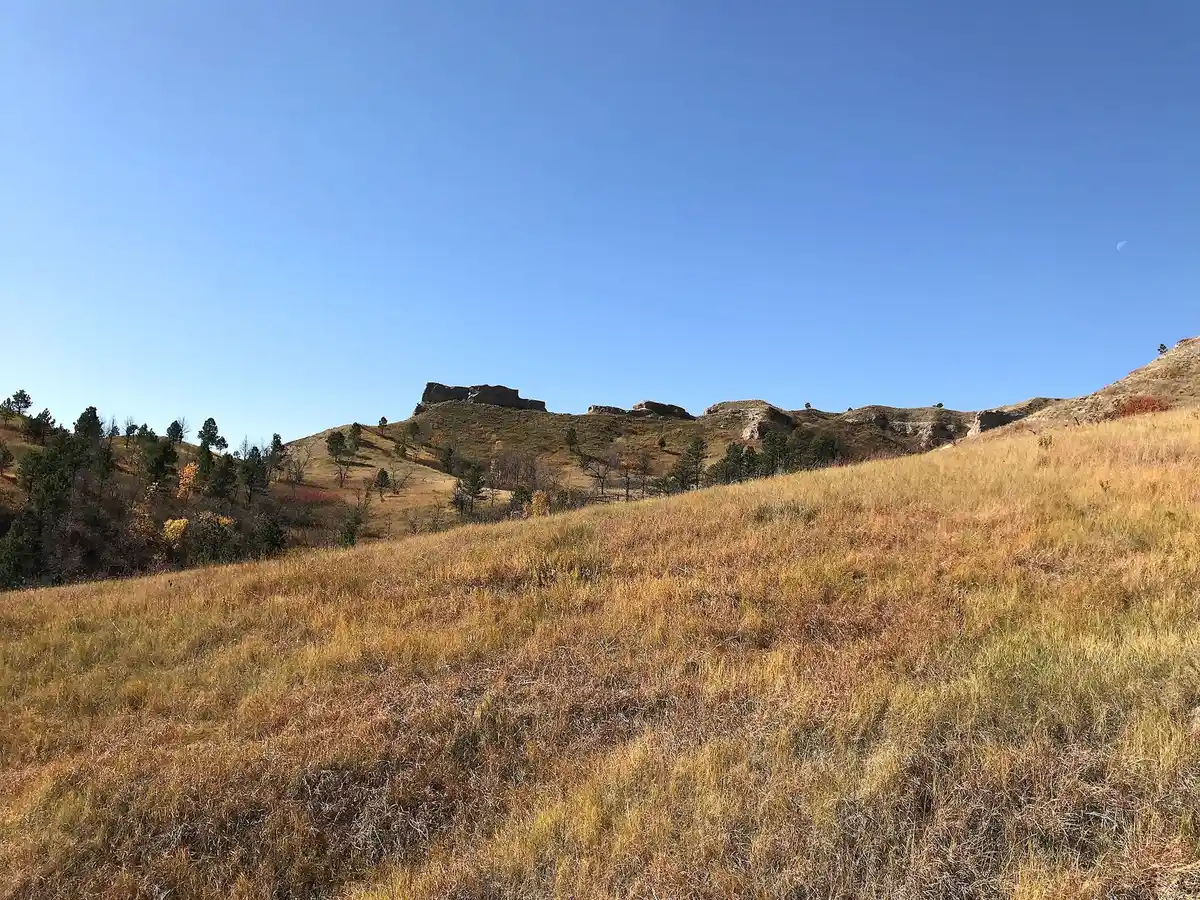
The far northwest corner of Nebraska is a different world. Chadron State Park, the oldest state park in Nebraska, sits in the Pine Ridge, a band of pine-covered buttes and canyons that rises out of the plains. Hike the park trails, drive the ridge roads, and take in views that feel more Black Hills than Great Plains, with ponderosa pine, rock outcrops, and deep green canyons.
Not the order you want? Drag a stop, or use the arrows beside it. Stops move between days too.
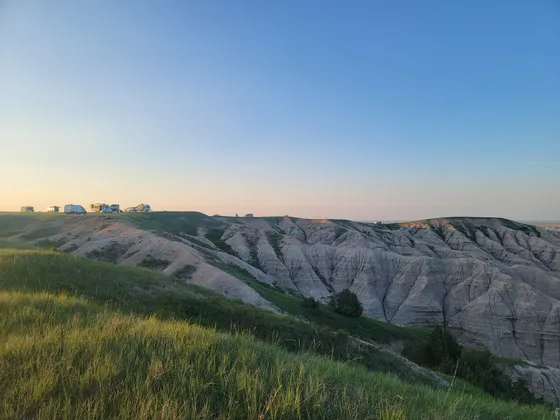
 dvs from Vermont, USA / CC BY 2.0Chadron State Park
Nebraska's oldest state park · Pine Ridge · HikeChadron State Park, the oldest state park in Nebraska, sits in the Pine Ridge, a band of pine-covered buttes and canyons that rises out of the plains. Hike the park trails, drive the ridge roads, and take in views that feel more Black Hills than Great Plains. It needs the same Nebraska state park entry sticker as Smith Falls.
 Second night in Chadron
Stay put for Toadstool tomorrow · lodgeStay a second night in Chadron so the Toadstool badlands are an easy day trip tomorrow. The Pine Ridge is cooler and higher than the dune country, a shaded contrast that is a great place to stretch your legs after the long drive west.
Toadstool Geologic Park & Oglala National Grassland
Drive northwest into the Oglala National Grassland for Toadstool Geologic Park, a pocket of stark badlands where wind and water have carved the clay and sandstone into mushroom-shaped rock formations, hoodoos, and barren gullies. A short interpretive loop trail winds through the formations, and the area is rich in fossils from an ancient floodplain, including tracks preserved in the rock.
Not the order you want? Drag a stop, or use the arrows beside it. Stops move between days too.
- Toadstool Geologic Park
Badlands hoodoos & fossils · HikeDrive northwest into the Oglala National Grassland for Toadstool Geologic Park, a pocket of stark badlands where wind and water have carved the clay and sandstone into mushroom-shaped hoodoos and barren gullies. A short interpretive loop winds through the formations, and the area is rich in fossils and ancient tracks. There is no shade or water, so carry everything in.
 Third night in Chadron
Last night out west · lodgeSpend your last western night in Chadron before the long drive back east. Toadstool is reached by gravel roads that turn slick when wet, so plan around the weather, and top off your tank and water before heading out into the grassland.

Drive back east · dark skies over the dunes
Begin the loop back east across the Sandhills, retracing or varying your route through the dune country toward Valentine or your exit point. With more time today, you can stop at the lakes, byways, and small towns you blew past on the way west, or simply enjoy the hypnotic roll of grass-covered dunes one more time.
Not the order you want? Drag a stop, or use the arrows beside it. Stops move between days too.
- Drive back east across the Sandhills
Retrace or vary the byways · DriveBegin the loop back east across the dune country toward Valentine or your exit point. With more time today, stop at the lakes, byways, and small towns you passed on the way west, and enjoy the hypnotic roll of grass-covered dunes one more time. Fuel up and carry water for the long, empty legs.
 Dark-sky stargazing
Among the darkest skies in the US · ViewpointThe Sandhills have some of the darkest night skies in the country, with almost no light pollution for a hundred miles. On a clear, moonless night the Milky Way arches edge to edge over the dunes. Find a pullout away from town, let your eyes adjust for 20 minutes, and use a red flashlight to preserve night vision.
- Last night in the Sandhills
Valentine or a town on your route · lodgeStay in Valentine or a town along your route out for your final Sandhills night. If spring cranes are on your wish list, this is the day to angle south toward the Platte so you are positioned for the migration finale tomorrow.
Head home · optional Platte River cranes
On your last day, make the drive out to your airport or onward destination, with Omaha (about 5 hours from Valentine) and Denver (about 6 hours) the usual gateways, or a short hop from Valentine's own airport (VTN). Fuel up before you leave town and give yourself plenty of daylight for the long, remote miles.
Not the order you want? Drag a stop, or use the arrows beside it. Stops move between days too.
- Optional: Platte River cranes
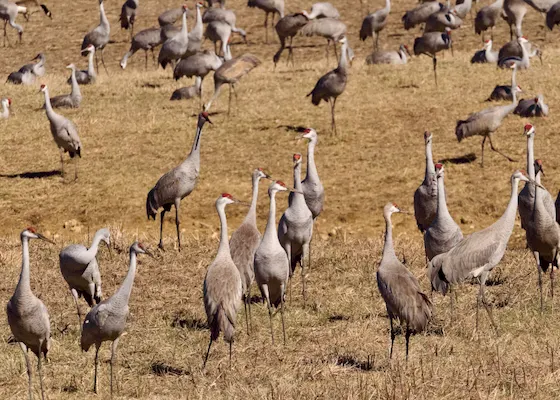
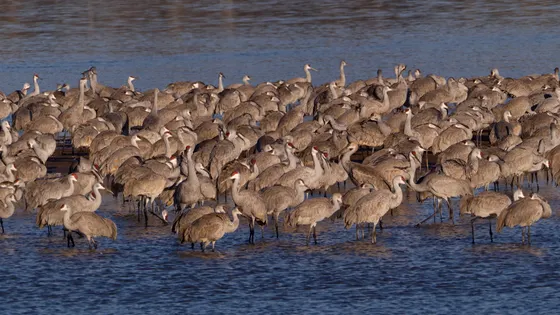
Late Feb to early April · ViewpointIf you are traveling between late February and early April, point toward the Platte River around Kearney and Grand Island on the way out. Each spring, hundreds of thousands of sandhill cranes stage on the Platte, roosting on the river at night and feeding in fields by day. It is one of the great wildlife spectacles on the continent.
- Drive to your gateway
Omaha ~5 hr · Denver ~6 hr · DriveMake the drive out to your airport or onward destination, with Omaha (about 5 hours from Valentine) and Denver (about 6 hours) the usual gateways, or a short hop from Valentine's own airport (VTN). Fuel up before you leave town, carry water, and give yourself plenty of daylight for the long, remote miles.
Book the 9 nights
Beds near the trailheads are the one thing on this trip that genuinely runs out. Everything else can be decided later.
Tell us your dates and we will do the checking. We find what is still open near each trailhead and email you this plan back with a booking link for each night. Nothing is charged and you decide at the end.
Request to bookWhat to pack for Nebraska Sandhills
Built from this route, not a generic list. Every line says why it is here.
On every day of this trip
On your feet
Because you are sleeping indoors
For the driving days
What we actually learned in the Sandhills.
Fuel up at every chance
The Sandhills are vast and empty, and gas stations can be 50 or more miles apart. Treat every town with a pump as an opportunity to top off the tank. Running low out here is a real risk, so never pass a station below half a tank.
Carry water and sun protection
Services are sparse and shade is rare across the dunes, refuges, and badlands. Carry more water than you think you need, plus sunscreen and a hat. Places like Toadstool have no facilities at all, so bring everything in with you.
Expect patchy cell service
Coverage is spotty to nonexistent across much of the Sandhills and the far northwest. Download offline maps, screenshot your stops, and tell someone your route before you set out on the back roads and gravel byways.
Get the state park sticker
Smith Falls, Chadron State Park, and other Nebraska state parks require an entry sticker, about $8 per vehicle per day. If you are visiting several, the annual park permit pays for itself quickly over a ten-day trip.
Go late spring through fall
Summer is float season on the Niobrara, fall brings color along the river and grasslands, and the sandhill crane migration runs late February into April on the Platte. Winter is cold, windy, and quiet, with most outfitters closed.
Base in Valentine and Chadron
Valentine anchors the eastern half (river, falls, refuges, Cowboy Trail) and Chadron anchors the west (Pine Ridge, Toadstool). Both have limited rooms that fill on summer weekends, so book lodging ahead, especially around float season.
Nebraska Sandhills: questions before you go
Nebraska Sandhills road trip: the questions people ask most.
The highlights are floating the Niobrara National Scenic River (the most popular paddle trip in the state), Smith Falls State Park (Nebraska's tallest waterfall at 63 feet), the wildlife refuges around Valentine for bison, elk, and birding, the Cowboy Trail and its Niobrara River trestle, and the far-northwest badlands of Toadstool Geologic Park with the Pine Ridge around Chadron. In spring, add the sandhill crane migration on the Platte River.
Ten days lets you do the full loop without rushing: several days based in Valentine for the river, falls, refuges, and Cowboy Trail, a drive west across the dunes, and a few days based in Chadron for the Pine Ridge and Toadstool, plus travel days. If you have less time, four to five days around Valentine covers the Niobrara and the refuges.
Late spring through fall is the sweet spot. Summer is prime float season on the Niobrara, fall brings color along the river and grasslands, and the famous sandhill crane migration runs late February into April on the nearby Platte River. Winter is cold and windy with most outfitters closed.
You float the Niobrara National Scenic River out of Valentine, where local outfitters rent tubes, kayaks, and canoes and run the shuttle. The river is spring-fed, cold, and clear, and drifts past more than 200 waterfalls. Smith Falls State Park is a popular put-in and take-out. It is the most popular float in Nebraska, so reserve ahead in summer.
Valentine is the best base for the eastern half of the trip (the Niobrara, Smith Falls, the wildlife refuges, and the Cowboy Trail), and Chadron is the base for the far northwest (the Pine Ridge and Toadstool). Both towns have limited lodging that fills on summer weekends, so book ahead. State parks along the way also offer cabins and campsites.
Most people drive. Valentine is roughly 5 hours from Omaha or about 6 hours from Denver, with long, remote stretches between towns. There is a small regional airport in Valentine (VTN) with limited service, but flying into Omaha or Denver and driving in gives you a car for the whole trip, which you will need out here.
The great sandhill crane migration happens on the Platte River in south-central Nebraska, especially around Kearney and Grand Island, from late February into early April, peaking in March. Hundreds of thousands of cranes roost on the river at dawn and dusk. It is well south of the Sandhills proper but makes a spectacular add-on if your trip falls in spring.
Services are sparse and cell coverage is patchy to nonexistent across much of the Sandhills and the far northwest. Fuel up at every town, carry plenty of water, and download offline maps before you head out. Gas stations and gravel roads can be 50 or more miles apart, so plan ahead and never let the tank get too low.
Not the open dune blowouts, for the most part. The Sandhills are almost entirely bound by private cattle ranches with no public trailheads, so you cannot simply walk out across the dunes. Focus your exploring on designated public zones instead: the Nebraska National Forest loops around Halsey, the Valentine National Wildlife Refuge, Smith Falls State Park, and the Cowboy Trail all give you legal, marked access to Sandhills country. Respect fences and private land and stay on public routes.
Yes. Tell us your dates and we check what is still open for the plan on this page, then send it back with a booking link for each night and the total. Nothing is charged and nothing is held, and you pay the normal rate.
Pick how you want to go.
Same 10-day route. Same 10 stops.
- 5 nights, a campsite near Valentine
- $110
- 3 nights, a campsite near Chadron
- $66
- 1 night, a campsite near Valentine
- $22
- Niobrara canoe or kayak float with shuttle
- Priced when you book
- 5 nights, a room in Valentine
- from $575
- 3 nights, a room in Chadron
- from $300
- 1 night, a room in Valentine
- from $115
- Niobrara canoe or kayak float with shuttle
- Priced when you book
- A private local guide, rooms and campsites booked
- Included
- Airport pickup and every drive
- Included
- Park, permit and campsite fees paid
- Included
- All the gear and the trail meals
- Included
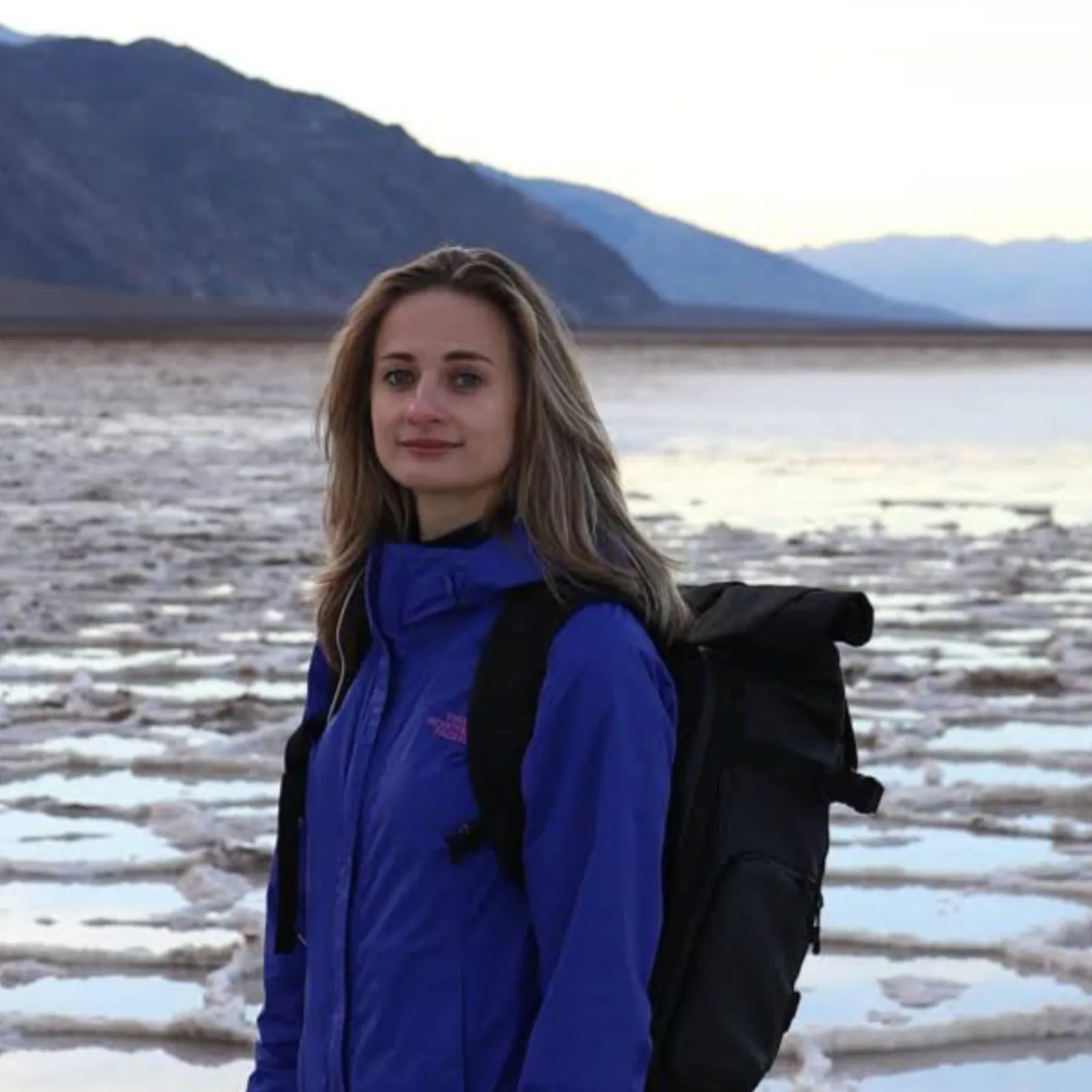
Written and walked by Yulia Vasilyeva · Co-founder · Lead planner and guide
Three years leading guided hikes in the Pacific Northwest, rated 5.0 by 20+ verified guests, and she builds every custom itinerary herself. Based in Seattle.
Last checked September 2026
You might also love these
Other itineraries near this one.

Niobrara River Float Trip: A Weekend Itinerary
A two-day Niobrara River float trip near Valentine, Nebraska: tube, kayak, canoe, or tank a clear spring-fed river past Smith Falls,…
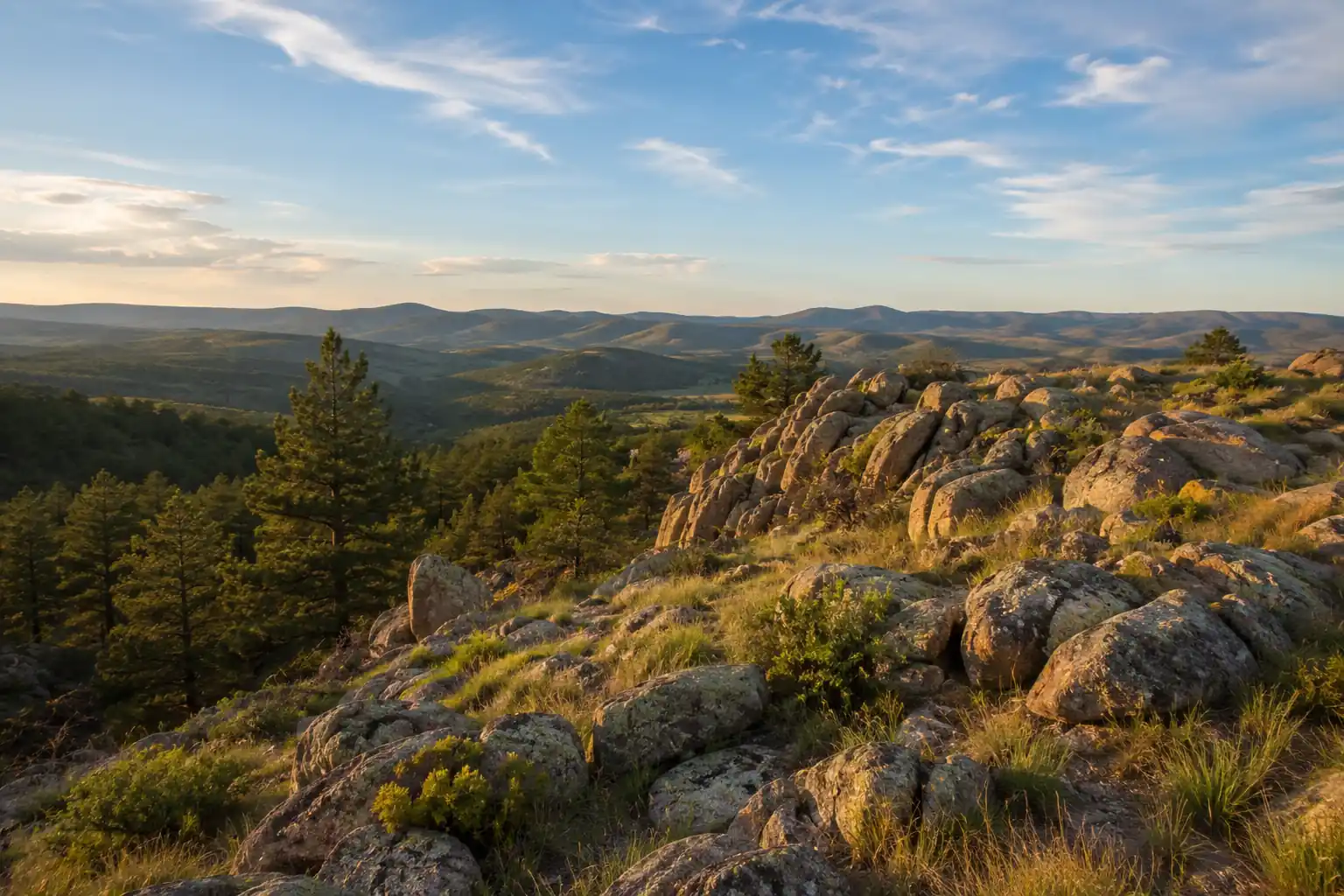
Pine Ridge Nebraska Backpacking: 3-Day Soldier Creek Wilderness Loop
A 3-day Pine Ridge backpacking itinerary through the Soldier Creek Wilderness near Fort Robinson: the ~11-mile Boots & Saddle and…
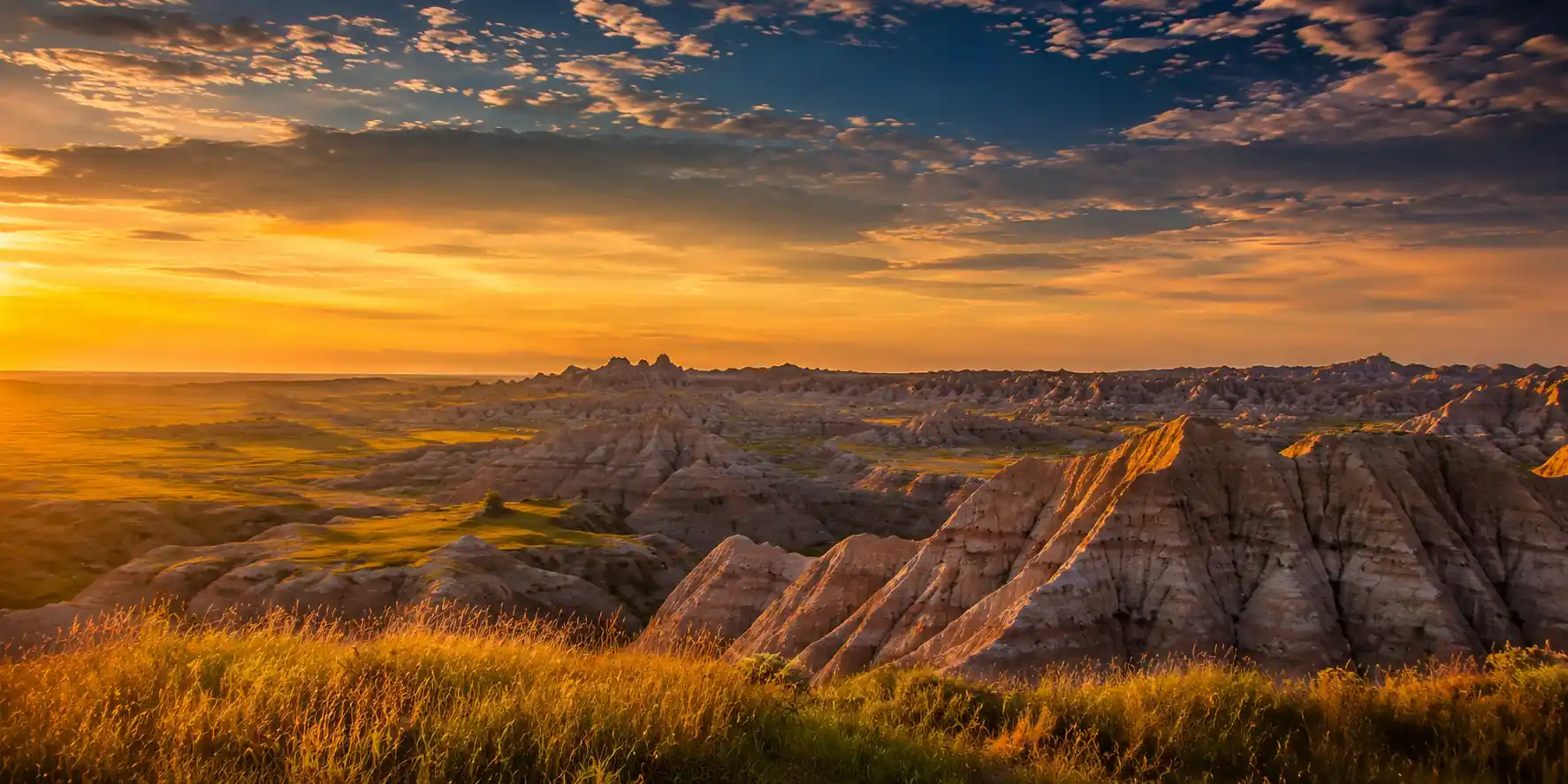
Badlands & Black Hills: 3-Day Road Trip Itinerary
A 3-day Badlands and Black Hills road trip itinerary from Rapid City: Badlands Loop Road, Custer State Park wildlife, Crazy Horse, Mount…
Guides for this tripNiobrara River TubingSmith Falls State ParkBiking the Cowboy Trail in Nebraska
What adventurers say about us.
All reviews are from verified guests. ★★★★★ 5.0 average from 20+ bookings.
"Felt like going out with a really knowledgeable friend who just happens to know everything about the area. No awkward tour-guide energy, just a magnificent day."
"Yulia is an incredible guide. She knew every trail, every viewpoint, and exactly how to pace the day for our group. The photos she took of us were stunning. 100% booking again."
"I was visiting Seattle solo and this was the best decision I made on the trip. Yulia picked me up, had snacks, and took us to a trail I never would have found on my own. Absolute must-do."
"We did this as a couple's trip and it was perfect. Yulia adapted everything to us, our pace, our interests, our photo obsession. The mountain views were unreal."
"Phenomenal experience. Yulia has deep local knowledge and a real passion for the outdoors. She went out of her way to show us the hidden gems tourists never see. Will remember this forever."
"I've done a few guided hikes and this was by far the best. Yulia is warm, funny, and genuinely expert. The trail she chose had the most insane wildflower bloom, we got so lucky."
Fees, reservation windows, shuttle dates and trail closures are planning estimates. Confirm hours, road status and any reservations with the land manager before you go.
What other travelers are saying
Be the first to leave a tip or question for the next traveler.
Was this helpful?
One tap. It goes straight to Yulia and Margarita.
You can't hike it if you can't get the permit.
The best hikes in America run on lotteries that open once a year and sell out in minutes. Every trail runs on its own calendar. Pick the ones you want and we do the watching.
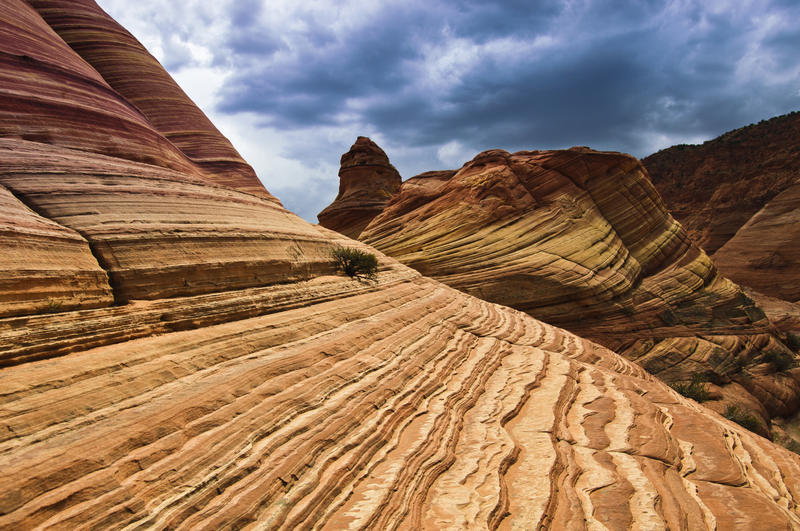 The WaveCoyote Buttes North · Arizona / UtahPermitLotterybrutal odds
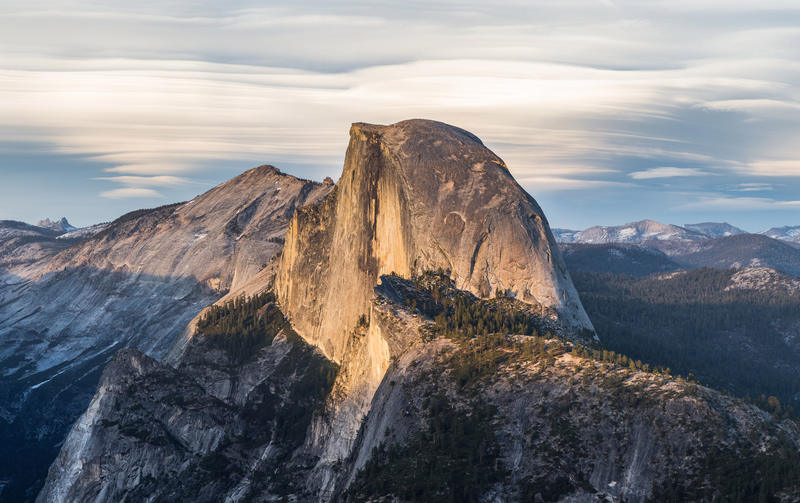 Half Dome CablesYosemite NP · CaliforniaPermitOpens Mar 1fair odds
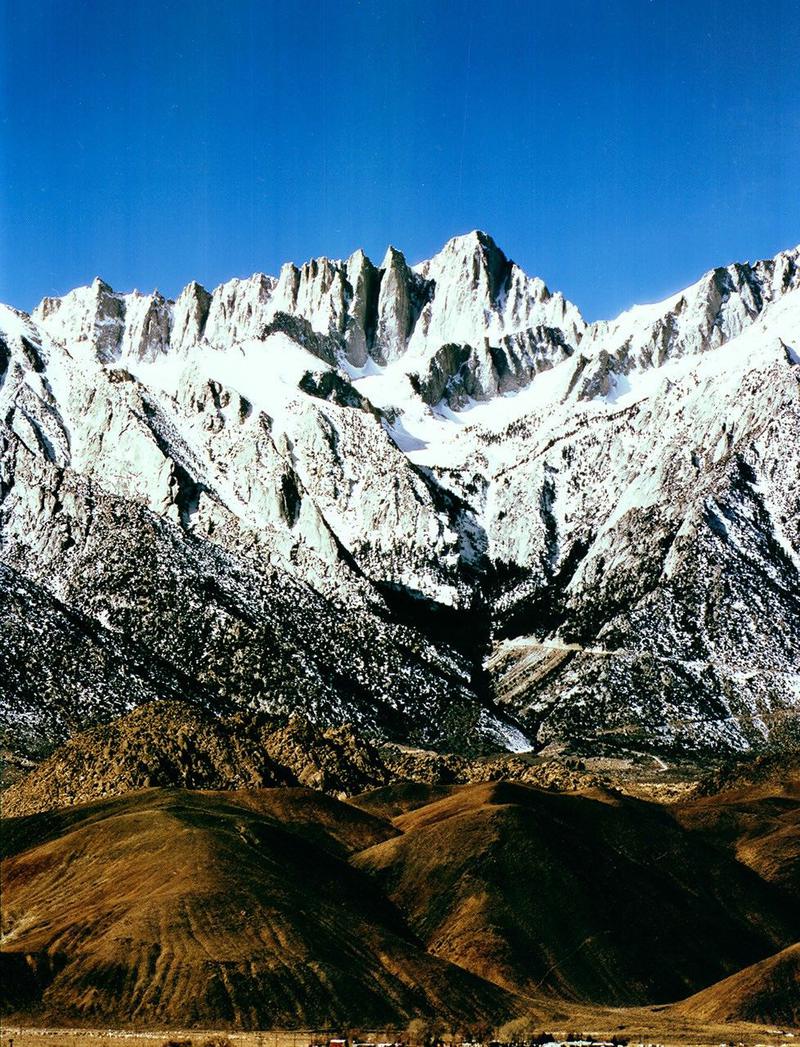 Mt. WhitneyInyo NF · CaliforniaPermitOpens Feb 1tough odds
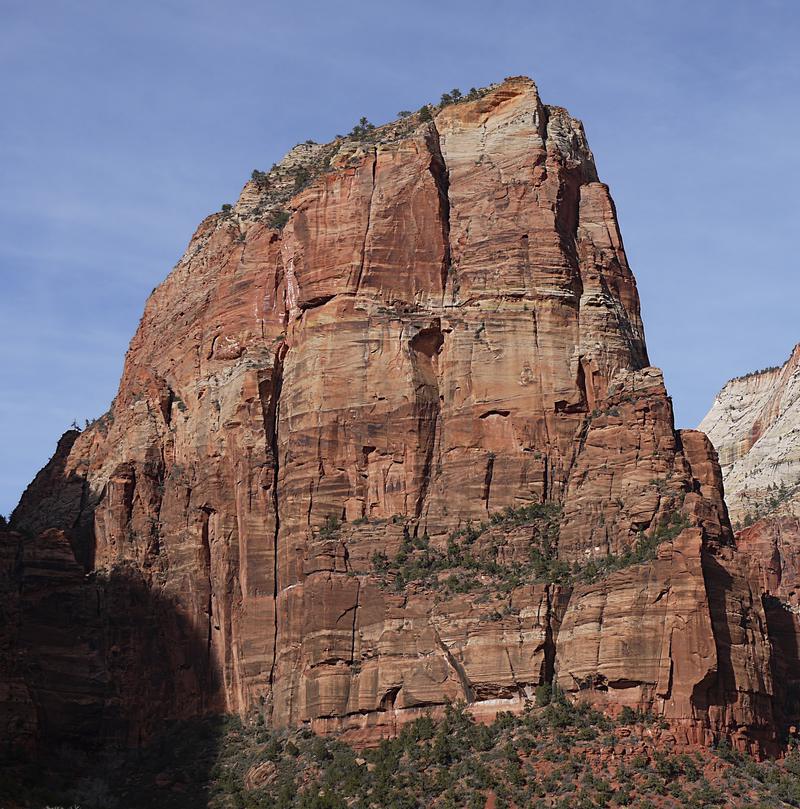 Angels LandingZion NP · UtahPermitLotterytough odds
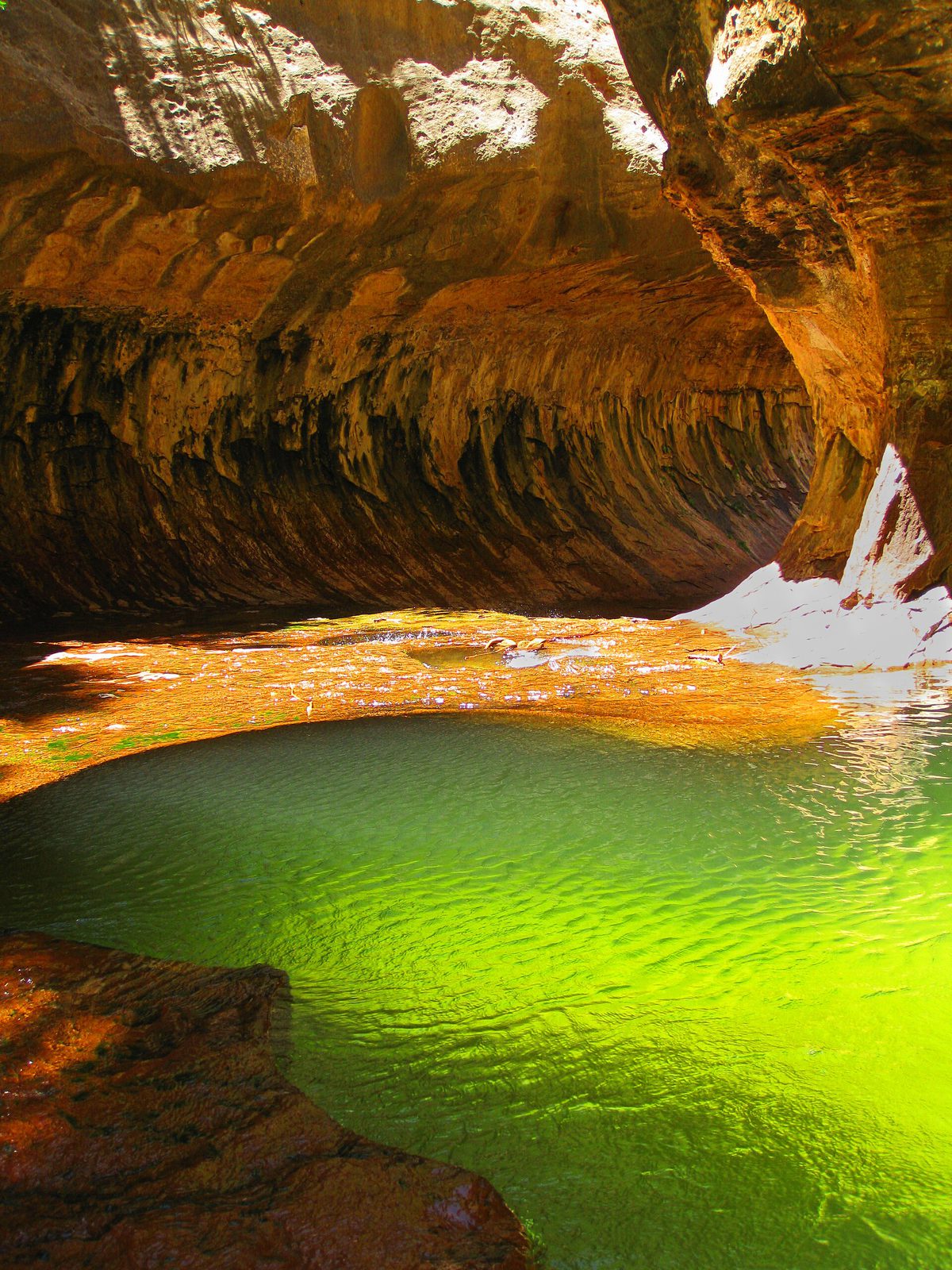 The SubwayZion NP · UtahPermitLotterytough odds
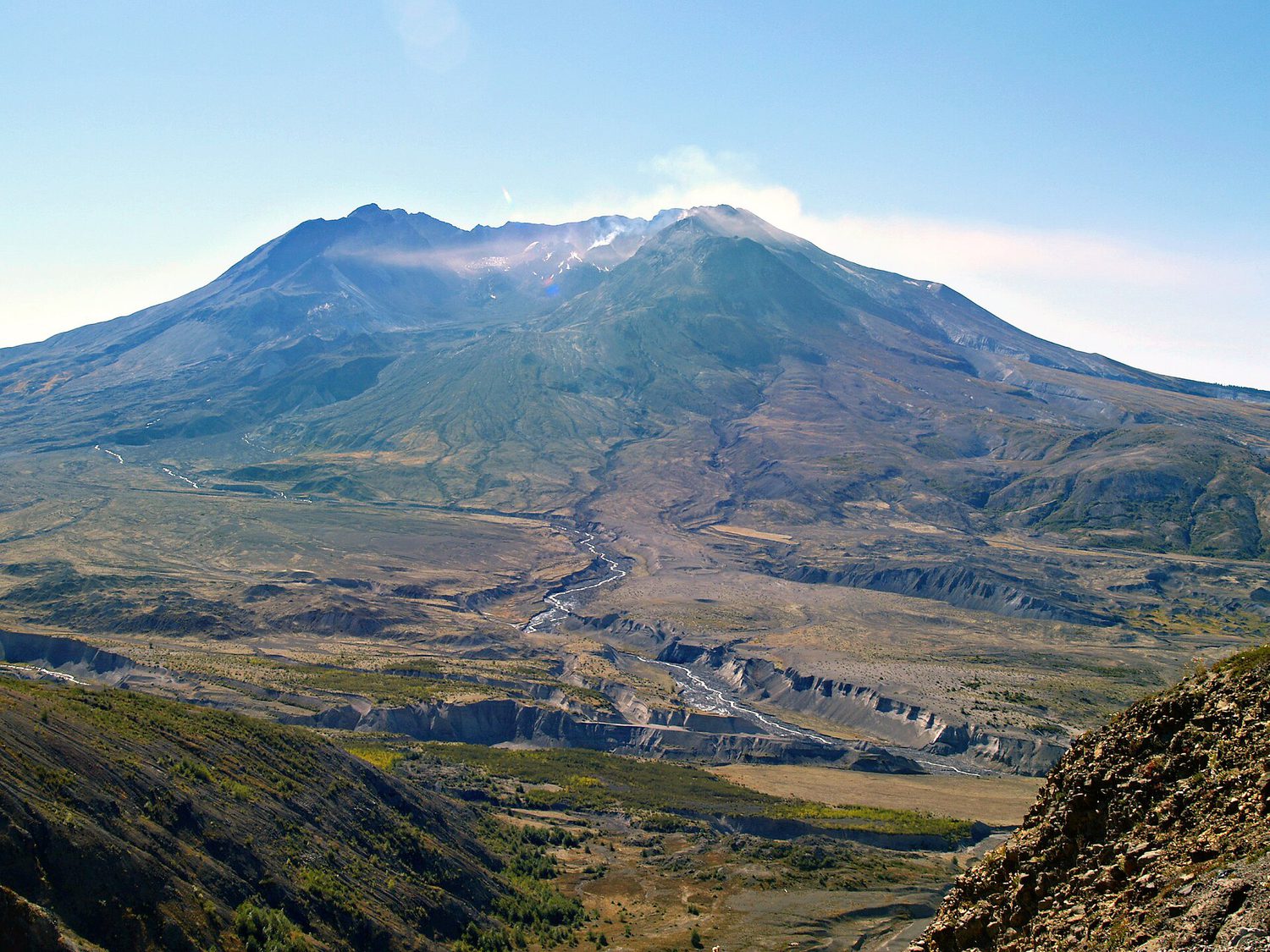 Mount St. Helens Summit ClimbGifford Pinchot NF · WashingtonPermitReservationtough odds
How it works
- An email the morning each window opens, never the day after.
- A 14-day heads-up so you can line up your group and dates.
- Win odds and a ranked backup plan for every trail you pick.
Didn't win? We keep watching. We check recreation.gov every day for The Enchantments, Half Dome and Angels Landing, and email you the moment a sold-out date frees up. Cancellations are the second chance most people never hear about.