Why the Niobrara Is Nebraska's Best Float
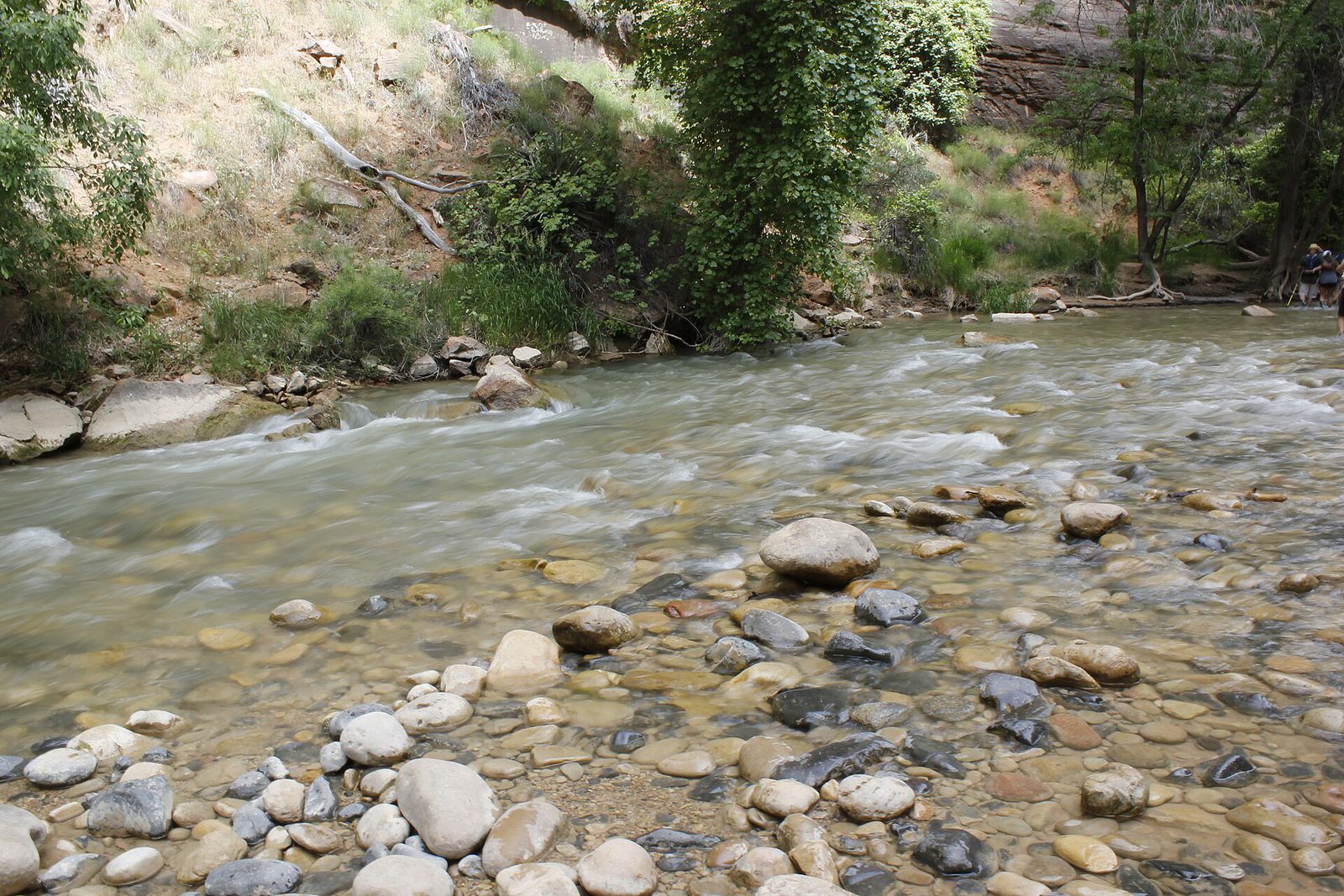
The Niobrara National Scenic River cuts a green, spring-fed canyon across the northern edge of the Sandhills, and the 76-mile stretch east of Valentine is one of the most popular tubing and paddling runs in the Great Plains. The water is shallow, clear, and steady, fed by hundreds of small cascades that drip off the canyon walls. On a hot July afternoon you will share the river with families on inner tubes, college students rafting coolers, and serious kayakers, all drifting past ponderosa pine, paper birch, and the occasional bighorn-free but bird-rich bluff.
Most floats start at Cornell Bridge inside Fort Niobrara National Wildlife Refuge and run downstream toward Smith Falls State Park. This is the heart of any Sandhills road trip, and you can see how it fits a longer route in our 10-day Nebraska Sandhills itinerary.
Picking Your Stretch: Half Day vs. Full Day
The river is divided into manageable segments, so you can match the trip to your group's stamina.
- Cornell Bridge to Smith Falls (about 3 to 4 hours): the classic half-day float, passing Fritz's Island and the spur to Nebraska's tallest waterfall.
- Smith Falls to Brewer Bridge (about 3 hours): quieter water with fewer tubers and good wildlife.
- Cornell Bridge to Rocky Ford (full day, 6 to 8 hours): for paddlers who want the canyon to themselves; note that Rocky Ford has a short Class III rapid that tubers should portage.
If it is your first time, the Cornell-to-Smith-Falls run is the right call. It has the best scenery per mile and an easy takeout.
Outfitters and Rentals in Valentine
You do not need your own gear. A cluster of family-run outfitters in and around Valentine rent tubes, kayaks, and tanks (the flat-bottomed metal stock tanks locals float for group trips), and most include the shuttle in the price. Look for operators along Highway 12 such as the riverside campgrounds near Sparks. Reserve ahead on summer weekends, when Lincoln and Omaha crowds drive four hours west to cool off. Typical rentals run a few hours of shuttle-included floating; bring cash for parking and refuge fees.
Water Levels and the Best Time to Go
The Niobrara floats reliably from late May through mid-September, with the most comfortable water and air temperatures in July and August. Because the river is spring-fed, levels stay steady even in dry summers, but check the USGS Sparks gauge before you launch. Spring runoff in May can make the current faster and colder, while September brings turning birch leaves, thinner crowds, and chilly mornings. Avoid floating right after heavy thunderstorms, when sediment clouds the water and side cascades surge.
What You Will See Along the Way
The Niobrara is famous for its waterfalls more than two hundred spill into the canyon. From the water you can spot Fort Falls, the spur trail to Smith Falls, and dozens of unnamed seeps where groundwater leaks through the porous Sandhills sand. The corridor is also a rare biological crossroads where eastern forest, western pine, and northern boreal species overlap. Watch for turkey vultures riding thermals, wood ducks in the eddies, and white-tailed deer browsing the banks at dusk. Inside Fort Niobrara refuge near the put-in, a separate driving loop lets you see bison and elk before you ever touch the water.
Float Trip Packing and Safety Tips
The Niobrara is gentle, but the Plains sun is not. Plan ahead and you will have a perfect day.
- Wear a life jacket, even on tubes; the outfitter provides them.
- Bring water shoes or old sneakers for sandy, sometimes rocky takeouts.
- Pack sunscreen, a hat, and a dry bag for your phone and keys.
- Tie coolers to your tube and pack out every can; the refuge enforces a leave-no-trace ethic.
- Glass containers are prohibited on the water.
Once you are off the river, Valentine makes an easy base for the rest of the region's highlights, from the Cowboy Trail to the wildlife loops at Valentine National Wildlife Refuge. A float on the Niobrara is the kind of slow, sun-soaked afternoon that defines a Sandhills summer.
Niobrara River Tubing FAQs
The most popular stretch, Cornell Bridge to Smith Falls State Park, takes about three to four hours at a relaxed pace. Shorter and longer segments are available, and outfitters in Valentine can match a route to your group's time.
July and August offer the warmest water and air, while late May through mid-September is the reliable season. The river is spring-fed, so levels stay steady, but check the USGS Sparks gauge and avoid floating right after heavy storms.
No. Several family-run outfitters near Valentine and Sparks rent tubes, kayaks, and stock tanks with shuttle service included. Reserve ahead on summer weekends, when the river draws crowds from Lincoln and Omaha.