Camping is the smartest way to hike Sedona. Trailheads like Devil's Bridge, Soldier Pass, and Cathedral Rock fill before 8 a.m., so sleeping a few minutes away lets you beat both the crowds and the desert heat. The catch: there is no developed campground inside the city of Sedona itself. Every option below sits in the surrounding Coconino National Forest or just down in the Verde Valley, and the good ones book out months ahead for spring and fall.
Oak Creek Canyon Campgrounds (Closest to Town)
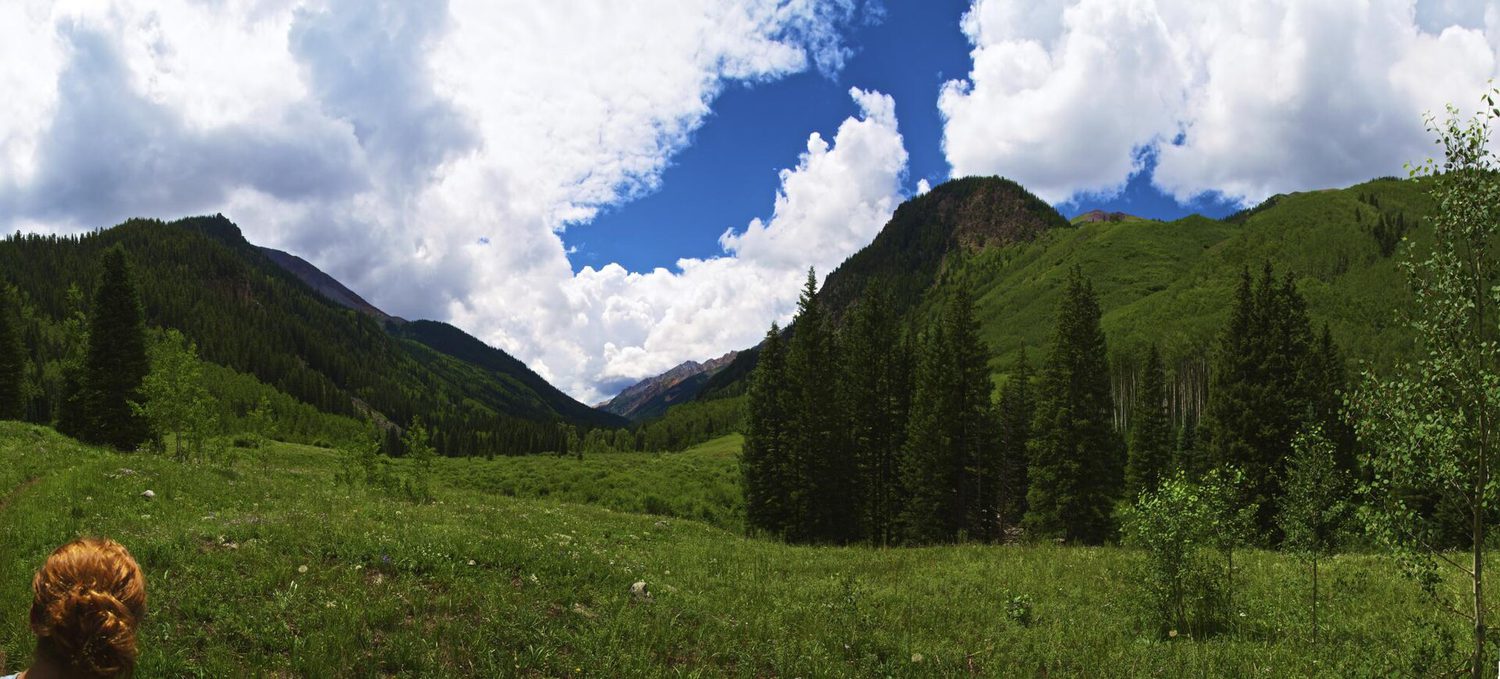
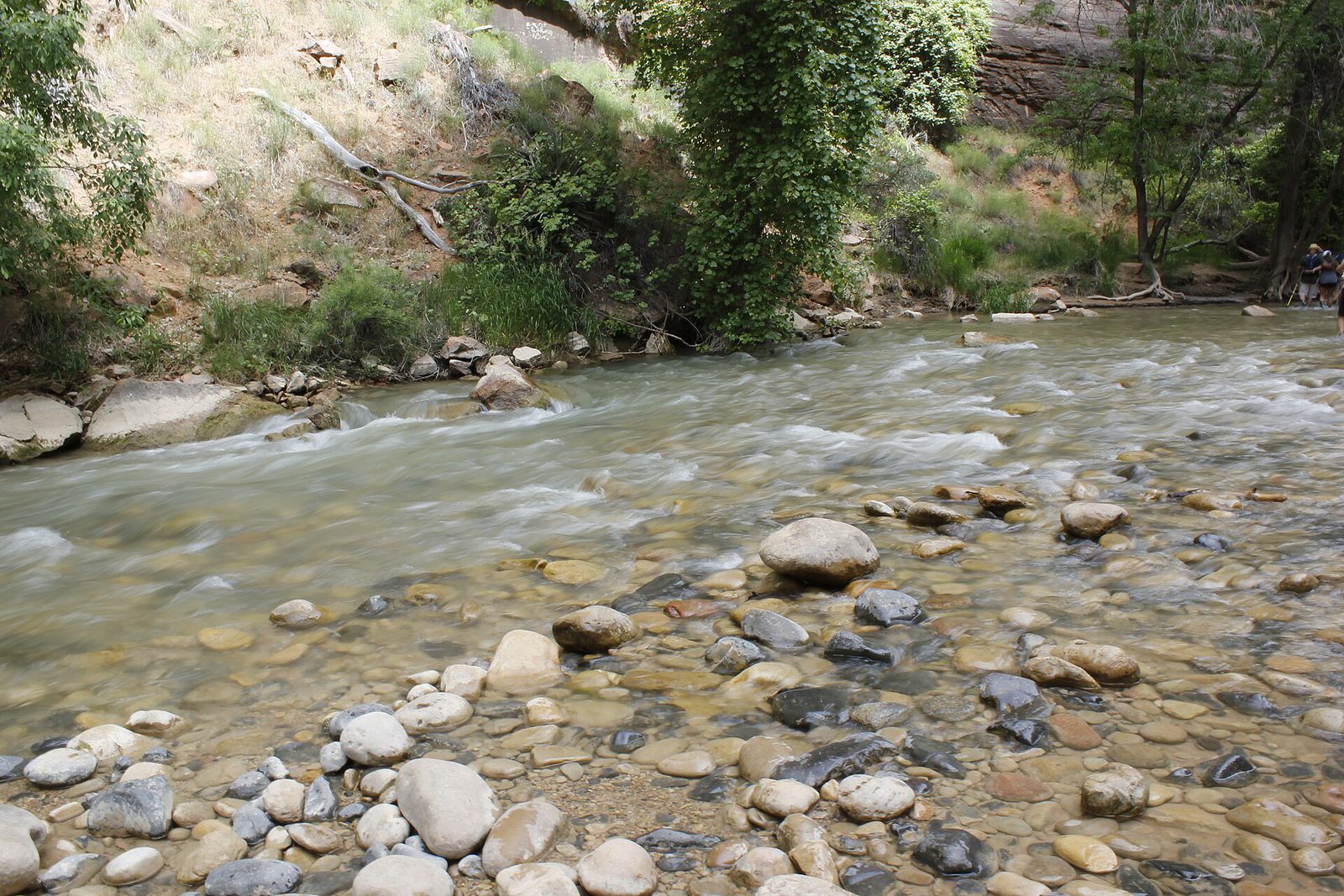
The most scenic cluster of campgrounds runs north of Sedona along Highway 89A in Oak Creek Canyon, where ponderosa pines and the creek itself give you shade that the red rock basins lack. From south to north you have Manzanita, Bootlegger, Cave Springs, and Pine Flat. Cave Springs is the largest and the only one with showers, and it puts you a short drive from the West Fork Trail and the Call of the Canyon area.
- Manzanita stays open year-round and sits right on Oak Creek, about 6 miles from uptown Sedona.
- Cave Springs and Pine Flat are seasonal (roughly April through October) and best for cooler high-canyon nights.
- All are first reserved through Recreation.gov, and weekend slots vanish quickly from February onward.
Dispersed Camping Near Cottonwood and Sedona
If campgrounds are full or you want to camp free, head west toward Cottonwood. Forest Road 525 and 525C off Highway 89A near the Boynton Pass area allow free dispersed camping with a 14-day limit. You get wide-open red rock views and easy access to the Mescal and Long Canyon trailheads, but there is no water, no toilets, and you must pack out everything. A high-clearance vehicle helps on the rougher spurs.
Developed Options in the Verde Valley
Down in the Verde Valley, about 20 to 30 minutes from Sedona, Dead Horse Ranch State Park in Cottonwood offers reservable sites with hookups, flush toilets, and showers. It is a reliable fallback when the canyon is booked, and it doubles as a base for paddling the Verde River or visiting Tuzigoot National Monument. Rancho Sedona RV Park, walking distance to uptown, is the in-town choice if you need full hookups.
When to Camp and What to Expect
Spring (March to May) and fall (September to November) are prime, with daytime highs in the 70s and 80s and cool nights. Summer days routinely top 95 degrees in the rock basins, so canyon campgrounds with shade and creek access are far more comfortable then. Winter brings frosty nights and occasional snow on the higher rims, but quiet trails. Whenever you go, store food securely, since javelina and ringtail cats are active around sites.
Pair Camping With a Hiking Plan
Camping only pays off if your trail days are dialed in. Use our 3-day Sedona hiking itinerary to map Devil's Bridge, Cathedral Rock, and the canyon trails around your campsite, so you are at the trailhead at sunrise instead of circling a full parking lot. Reserve your campground first, then build the hikes around its location.
Sedona Camping Guide FAQs
Yes. Free dispersed camping is allowed in Coconino National Forest along Forest Roads 525 and 525C near the Boynton Pass area west of Sedona, with a 14-day stay limit. There are no facilities or water, so come fully self-sufficient and pack out all trash.
Cave Springs and Manzanita in Oak Creek Canyon are the top picks. They sit closest to town, offer creekside shade, and put you minutes from the West Fork and canyon trailheads. Reserve through Recreation.gov well in advance for spring and fall.
There is no developed public campground within Sedona city limits. Tent campers use the Oak Creek Canyon Forest Service campgrounds to the north, while RV travelers can use Rancho Sedona RV Park in town or Dead Horse Ranch State Park in nearby Cottonwood.