What Makes Ruby Beach Special
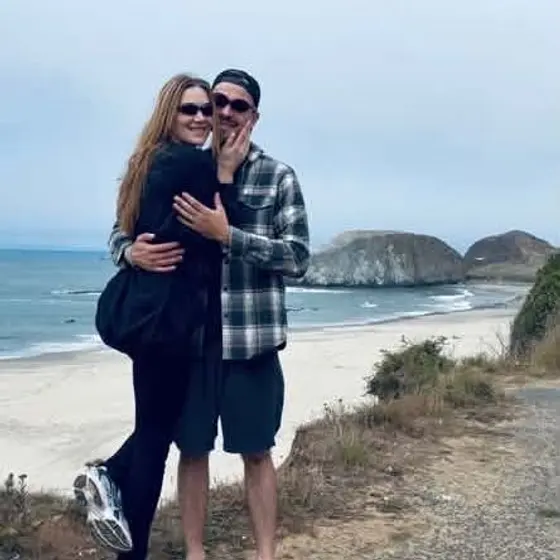
Ruby Beach is the northernmost of the Kalaloch beaches in Olympic National Park, just off US-101 about eight miles north of the Kalaloch Lodge. It is named for the pinkish ruby-colored sand that washes up from garnet crystals, and it is famous for its sea stacks, driftwood logs the size of telephone poles, and Abbey Island sitting just offshore. A short, steep trail of a few hundred yards drops from the parking area down to the beach. Once you are on the sand, the whole scene opens up: tide pools tucked among the rocks, mist rolling off the Pacific, and bald eagles working the shoreline. It is one of the most photographed spots on the Olympic Peninsula family road trip.
Ruby Beach Low Tide: When to Go
Ruby Beach low tide is the only time the tide pools are worth the walk down. The rocks around the sea stacks hold water and life when the ocean pulls back, and at high tide most of them are under the surf. A good rule of thumb:
- +1 foot or lower exposes a fair number of pools.
- A minus tide (below 0.0 feet) is the best, exposing the lowest rocks where the most sea stars and anemones live.
- Arrive about an hour before the predicted low and head back as the water turns.
- Late spring and summer have the lowest tides in daylight, usually in the morning. In winter the lowest tides tend to fall at night.
There is no tide gauge at Ruby Beach itself, so use a prediction for the nearby coast: NOAA publishes tide predictions for La Push, just up the coast, and Kalaloch-area charts are close enough for planning. Tide times on a phone app are fine, but download them before you drive in, because cell service on this stretch of US-101 is unreliable.
How to Time the Tide Pools
Tide pooling only works at low tide, so timing is everything. The pools and the rocks that hold them are submerged at high tide and exposed when the water pulls back. Aim to be on the beach during a negative or very low tide, which is when the most sea life is reachable. Check a tide chart for Kalaloch or La Push before you go, and plan to arrive about an hour before the predicted low so you can explore as the water keeps dropping. Spring and summer often bring the best daytime minus tides in the Pacific Northwest. Never turn your back on the ocean and watch for sneaker waves, which can surge far up the beach without warning.
What You Will Find in the Pools
Olympic's tide pools are rich. As you peer into the rocky crevices, look for:
- Ochre sea stars in purple and orange clinging to the rocks
- Green sea anemones that close around your fingertip if you touch gently
- Hermit crabs scuttling in borrowed shells
- Chitons, limpets, and barnacles on the rock faces
- Small fish and sculpins darting in the deeper pools
Look but do not collect. Everything here is protected inside the national park, and prying animals off the rocks can kill them. Step on bare rock or sand rather than on the living mussels and anemones.
Nearby Beaches to Add
Ruby Beach pairs naturally with the other Kalaloch beaches, simply numbered Beach 1 through Beach 6 along US-101 to the south. Beach 4 is a local favorite for tide pools and is a little less crowded than Ruby. To the north, the La Push beaches, Rialto Beach and First, Second, and Third Beach near the Quileute Reservation, offer more sea stacks and the famous Hole-in-the-Wall arch at Rialto, which is itself a low-tide destination. If you have time for only one tide-pool stop, Ruby Beach delivers the iconic view; if you want fewer people, try Beach 4.
What to Bring and Wear
The Olympic coast is cool and damp even in July. Pack a windproof layer and expect fog. Wear closed-toe shoes with grip, because the rocks are slick with algae and barnacles are sharp. A few extra items make the trip easier:
- Water shoes or old sneakers you do not mind getting wet
- A printed or downloaded tide chart, since cell service is unreliable here
- Layers and rain protection for sudden weather changes
Planning Your Visit
Ruby Beach is free to access along US-101, though Olympic National Park charges an entrance fee that covers the park as a whole. There are vault toilets at the parking area but no other services, so fuel up and grab food in Forks or at Kalaloch Lodge. Sunset is the magic hour for photographers, with sea stacks silhouetted against the sky, but check that low tide and sunset line up if you also want the pools. For a full west-coast day, combine Ruby Beach with the Hoh Rain Forest inland; both are featured on our 7-day Olympic loop.
Ruby Beach Tide Pools FAQs
Plus one foot or lower exposes plenty of pools, and a minus tide, below zero feet, is best because it uncovers the lowest rocks where most of the sea stars and anemones live. Arrive about an hour before the predicted low.
Late spring and summer, usually in the morning. In winter the lowest tides of the day tend to happen at night, so daytime tide pooling is harder.
Tide pools are only exposed at low tide. Check a tide chart for Kalaloch and aim to be on the beach about an hour before a low or negative tide, then explore as the water continues to drop.
No. Ruby Beach is inside Olympic National Park, where collecting shells, rocks, and animals is prohibited. Observe the tide pools without removing or prying anything off the rocks.
The trail from the parking lot to the sand is short, only a few hundred yards, but it is steep and uneven. Most families manage it easily, though it is not wheelchair or stroller accessible.