Olympic National Park packs glacier-capped peaks, a temperate rain forest, and a wild Pacific coastline into one park, and each one peaks at a different time of year. The short answer for most travelers is July through September, when the mountain roads are open and the trails are dry. But the right time really depends on whether you are chasing wildflowers, empty beaches, or snow-free passes. Here is how the seasons stack up.
Summer (July to September): the safest bet

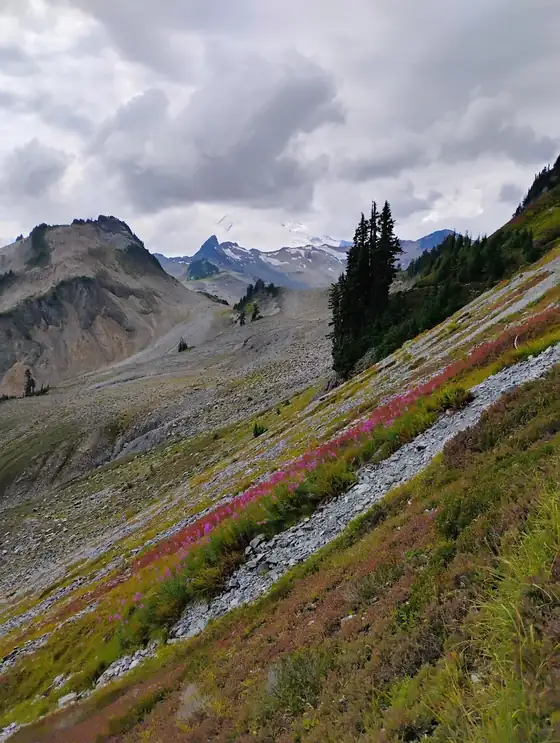
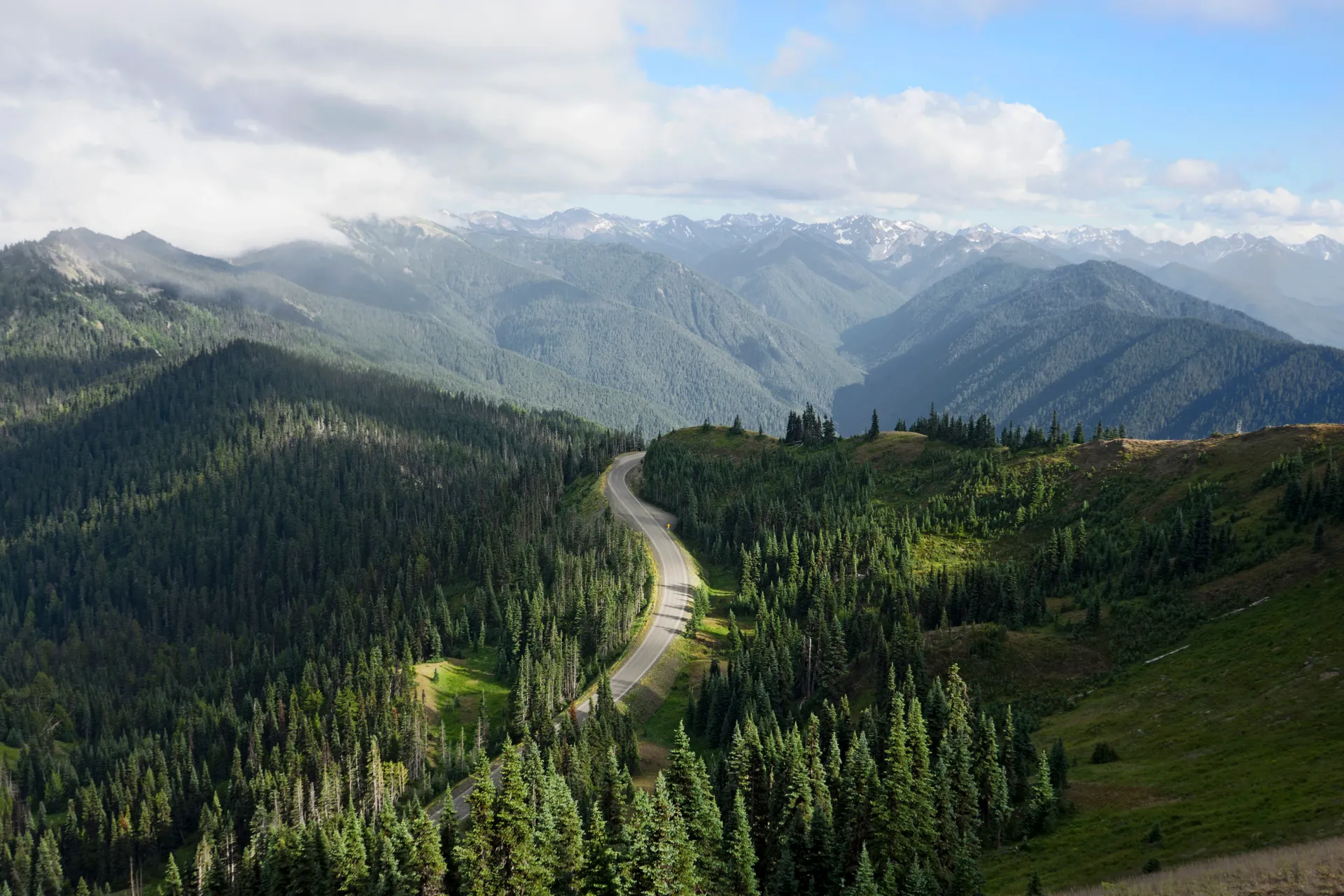
Summer is peak season for good reason. Hurricane Ridge is fully open, subalpine wildflowers bloom in late July and early August, and the Hoh River Trail and high routes are largely snow-free. Rain drops to its lowest of the year and daytime temperatures sit in the 60s to 70s Fahrenheit. The tradeoff is crowds and parking. The Hoh Rain Forest lot and Hurricane Ridge fill by mid-morning on weekends, so start early and book lodging in Port Angeles or Forks months ahead.
Fall (October to November): quiet and colorful
Fall is an underrated window. Bigleaf maples turn gold in the river valleys, crowds thin dramatically after Labor Day, and the coast takes on a dramatic, stormy mood. The catch is that rain ramps up and the first snows can close the Hurricane Ridge Road by November. Early October is the sweet spot for combining decent weather with solitude.
Winter (December to March): snow and storms
Winter splits the park in two. Up high, Hurricane Ridge becomes a small snow-play and ski area, open on a limited weekend schedule when the road is plowed and avalanche conditions allow. Down low, the rain forest is at its lushest and the beaches deliver thundering surf and driftwood storms. Expect short days, heavy rain, and possible road closures. Bring chains for the Hurricane Ridge Road.
Spring (April to June): waterfalls and shoulder-season value
Spring brings roaring waterfalls, returning wildlife, and lower-elevation trails greening up. The lowland rain forest hikes near the Hoh and Quinault are excellent, though high-country snow lingers into June and Hurricane Ridge may still see winter conditions early in the season. Crowds and prices are lower than summer, making late May and June a strong value window.
Weather by region: three parks in one
Olympic National Park weather is not a single forecast. The park spans three distinct zones, and what is sunny on one side can be soaking wet 30 miles away. Knowing the patterns helps you time each stop.
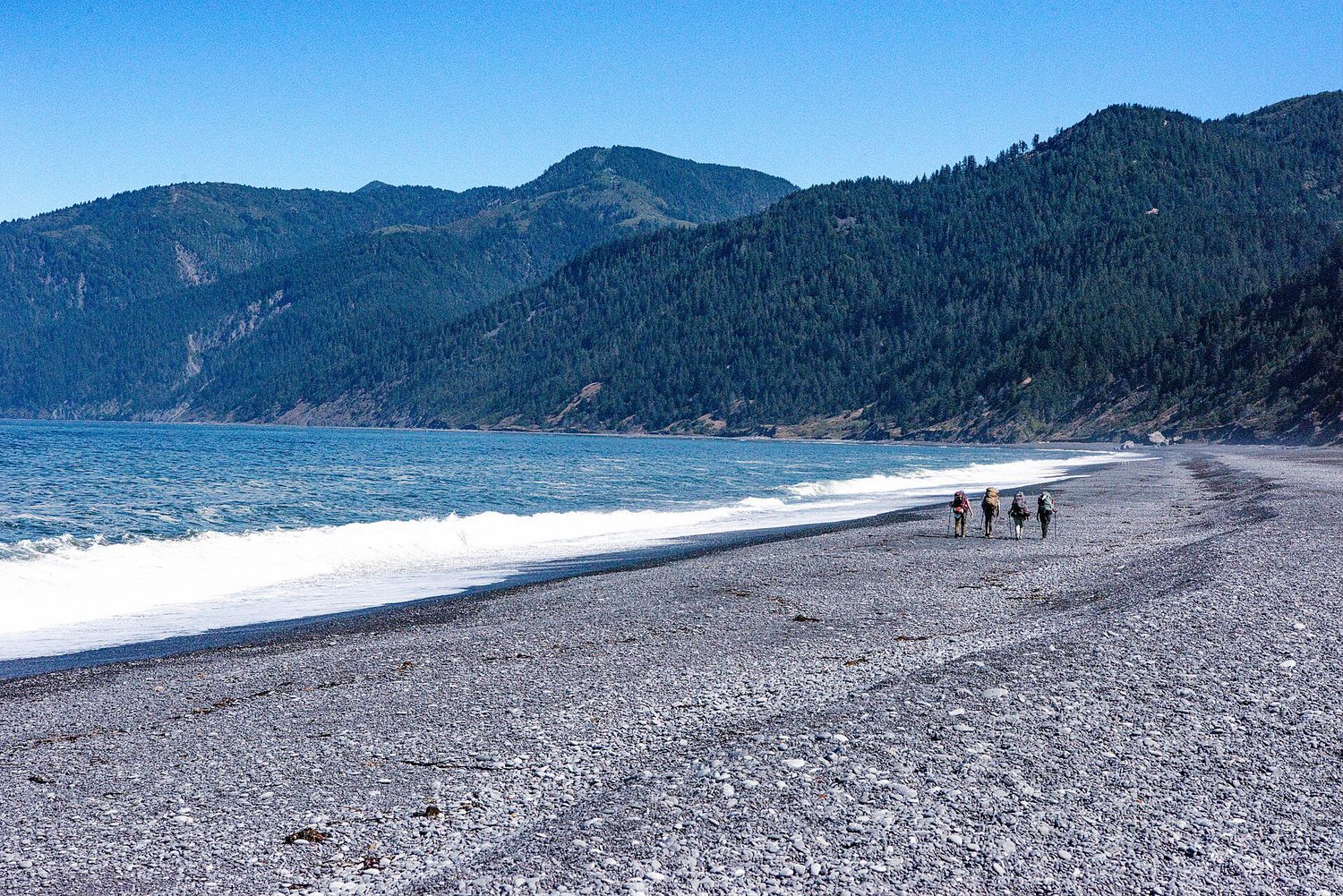
- The coast (Rialto, Ruby, Kalaloch): mild but damp year-round, with the heaviest surf and storms from November to February. Fog is common on summer mornings and usually burns off by noon.
- The rain forest (Hoh, Quinault): receives 12 to 14 feet of rain a year. It is lush in every season; July and August are the only reliably dry stretch.
- The mountains (Hurricane Ridge): snow lingers into June, peak hiking is mid-July through September, and the road can close on short notice from October onward.
Hurricane Ridge season: what to know
The Hurricane Ridge season is the single biggest variable in planning a trip. The 17-mile road from Port Angeles climbs to roughly 5,200 feet, and access depends entirely on snow and plowing. In a typical year the road is reliably open to vehicles from late June or early July through October. From November to April it usually opens only Friday through Sunday, weather permitting, and the National Park Service posts daily status. Always check the road status line before driving up, especially in shoulder season, because a clear morning in Port Angeles can sit below a closed, snowbound summit.
Best time for each Olympic experience
If you are deciding when to visit Olympic National Park around one specific goal, line your dates up with the activity rather than the calendar.
- Tide pooling: aim for the lowest minus tides, which cluster in late spring and summer mornings at Beach 4 and Rialto Beach. Check a tide chart and arrive an hour before low tide.
- Backpacking the high country: mid-July through mid-September, once snow clears the High Divide and Seven Lakes Basin loop.
- Roosevelt elk and wildlife: fall rut in September and October in the Hoh and Quinault valleys.
- Photography of the rain forest: overcast or drizzly days in spring and fall, when soft light saturates the moss and avoids harsh contrast.
Quick picks by goal
- Wildflowers and open mountain roads: late July to mid-August
- Fewest crowds with decent weather: late September to early October
- Storm watching and empty beaches: November through February
- Waterfalls and shoulder-season prices: May and June
Planning tips for any season
A few habits make every visit smoother. Distances inside the park are deceptive because there is no single road through the middle, so build in driving time between the coast, the rain forest, and the ridge. Pack a rain shell no matter the forecast, layer for a 20-degree swing between sea level and the mountains, and download offline maps because cell service is patchy throughout the peninsula. Reserve campgrounds and the popular Kalaloch and Lake Crescent lodges well in advance for any summer or holiday weekend.
Plan the loop
If you only have a long weekend, the highlights line up neatly on a single circuit. Our Olympic Peninsula Loop itinerary maps a 3-day drive from Seattle through Hurricane Ridge, the Hoh Rain Forest, and the coastal beaches, and it works in any season as long as you check road status for Hurricane Ridge before you go.
Best Time to Visit Olympic National Park FAQs
August is the most reliable. Wildflowers peak at Hurricane Ridge, rain is at its lowest, and high trails are snow-free. Late September is a close second for travelers who want fewer crowds.
Yes, if you adjust expectations. The lowland rain forest is lush, the beaches deliver dramatic storms, and Hurricane Ridge offers limited snow play. Expect heavy rain, short days, and possible road closures, and carry tire chains for the Hurricane Ridge Road.
Hurricane Ridge is open year-round in summer but only on a limited, weather-dependent schedule in winter, typically Friday through Sunday when the road is plowed. Always check the park's current road status before driving up.