25 Fun Facts About Rocky Mountain National Park
Established January 26, 1915. About 265,800 acres, or 415 square miles. Highest point: Longs Peak at 14,259 feet. Trail Ridge Road climbs to 12,183 feet, the highest continuously paved through-road in the country. All figures below come from the park's own statistics page. Plan a visit with our Rocky Mountain National Park itinerary.
Fun Facts About Rocky Mountain National Park: Size and History
- 1. It became a national park on January 26, 1915, after Enos Mills and other advocates pushed for its protection through the early 1900s.
- 2. The park covers about 265,800 acres, or roughly 415 square miles, an area a little smaller than the city of Los Angeles.
- 3. Nearly 95 percent of the park is designated wilderness, about 252,000 acres, which keeps most of it free of roads and development.
- 4. Elevation inside the park ranges from about 7,500 feet to 14,259 feet, the biggest range of almost any national park in the country.
- 5. The park sits on the Continental Divide, so water on one side eventually reaches the Pacific and water on the other reaches the Atlantic and the Gulf of Mexico.
Fun Facts About the Peaks and Trail Ridge Road
- 6. Longs Peak, at 14,259 feet, is the highest point in the park and the only mountain over 14,000 feet inside its boundary.
- 7. The park has 124 named peaks over 8,789 feet, according to NPS park statistics.
- 8. Of those, 77 peaks rise above 12,000 feet and 20 rise above 13,000 feet.
- 9. Trail Ridge Road is 48 miles long and connects Estes Park on the east side to Grand Lake on the west.
- 10. It is the highest continuously paved through-highway in the United States, topping out at 12,183 feet near the Alpine Visitor Center.
- 11. About 11 miles of Trail Ridge Road sit above treeline, more than any other paved road in the National Park System.
- 12. The road usually closes for winter by mid October and does not fully reopen until Memorial Day weekend, since snow depth up there can bury the guardrails.
Fun Facts About the Land
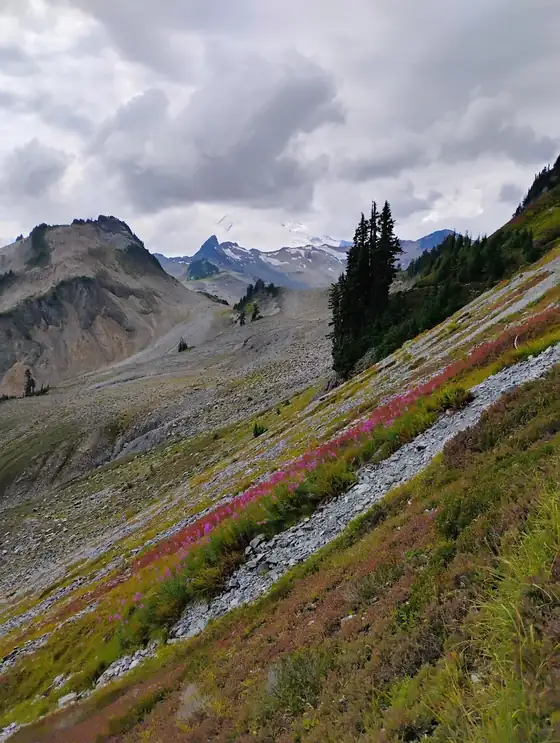
- 13. About one third of the park is alpine tundra, one of the largest protected stretches of it in the contiguous United States.
- 14. Tundra plants up there can take hundreds of years to recover from a single footprint off trail, which is why rangers ask hikers to stay on marked paths above treeline.
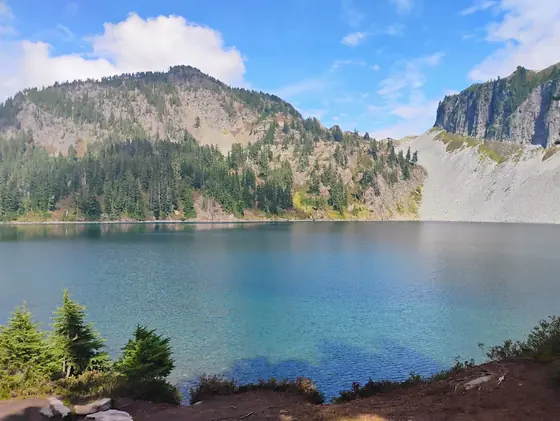
- 15. The park has 147 lakes, covering about 1,151 acres combined, most of them formed by glaciers.
- 16. There are roughly 355 miles of hiking trails inside the park, from short paved walks to multi-day backcountry routes.
- 17. The Colorado River starts inside the park, as a small stream in the Kawuneeche Valley on the west side.
- 18. Glaciers carved most of the park's valleys and peaks, and a handful of small glaciers and permanent snowfields, including Andrews Glacier and Tyndall Glacier, still exist today.
Fun Facts About the Wildlife
- 19. The park is home to 66 native mammal species, including elk, black bears, mountain lions, bighorn sheep and moose.
- 20. Moose are not native to the park. Colorado wildlife officials introduced them to North Park, outside the boundary, in 1978 and 1979, and the first moose was seen inside the park in 1980.
- 21. Elk gather in Moraine Park and Horseshoe Park every fall for the rut, when bulls bugle to challenge each other for a few weeks in September and October.
- 22. The park counts 280 recorded bird species, including the white tailed ptarmigan, which lives on the tundra year round and turns white in winter.
- 23. About 142 butterfly species have been recorded in the park, more than in some entire states.
A Few More Fun Facts
- 24. Rocky Mountain National Park is one of the most visited national parks in the country, drawing well over four million visitors most years.
- 25. The park has used a timed entry reservation system in summer since 2020, covering the Bear Lake Road corridor and, in some years, the rest of the park, to manage crowding on its busiest days.
Plan a Visit
Facts are one thing, but Rocky Mountain National Park rewards actually going. If you are putting a trip together, our Rocky Mountain National Park itinerary guide covers one, two and three day plans, and the timed entry rules page has the current permit dates, since they change every year.
Have Us Plan Your Rocky Mountain National Park Trip
Tell us your dates and what you want to see and we will build the itinerary, timed entry permits included. Planning is free, and we earn only if you book through us.
25 Fun Facts About Rocky Mountain National Park FAQs
It was established in 1915, its highest point (Longs Peak) is 14,259 feet, and Trail Ridge Road inside the park is the highest continuously paved through-highway in the United States at 12,183 feet.
About 265,800 acres, or 415 square miles, of which nearly 95 percent is designated wilderness.
The park counts 147 lakes, covering about 1,151 acres combined, most of them carved by glaciers.
Just one: Longs Peak, at 14,259 feet. The park does have 77 peaks above 12,000 feet and 20 above 13,000 feet.
No. Colorado wildlife officials introduced moose to North Park, outside the park boundary, in 1978 and 1979. The first moose was seen inside the park in 1980, and they have thrived there since.
January 26, 1915, making it one of the older national parks in the system.
Yes. The worked day-by-day plan is Rocky Mountain National Park Itinerary: 3 Days in Estes Park (3 Days), with the permits, the stays and the drive times already sorted. Tell us your dates and we will put it together for you and confirm what is genuinely open on those days. Asking is free: no card, no deposit, and nothing is held until you say yes.