Resurrection Pass Trail Cabins: All Eight, and How to Book Them
Eight US Forest Service cabins sit along the 39-mile Resurrection Pass Trail between Hope and Cooper Landing on the Kenai Peninsula. A five-day traverse uses four: Fox Creek at mile 11.5, Devils Pass at 2,400 feet, Swan Lake, and Juneau Lake at 1,300 feet. All are booked on recreation.gov on a rolling six-month window, and 19 designated campsites back them up.
How many cabins are on the Resurrection Pass Trail?
Eight public-use cabins run by the US Forest Service sit along the 39-mile trail between Hope and Cooper Landing, in the Chugach National Forest on the Kenai Peninsula. Every one of them is booked through recreation.gov. There is no walk-up option and no ranger to ask on the day.
The four cabins on a five-day traverse
A Hope to Cooper Landing crossing at a comfortable pace uses four of the eight, which is how our five-day Resurrection Pass Trail itinerary is built. These are the ones worth building a trip around, north to south.
| Cabin | Where it sits | Booked |
|---|---|---|
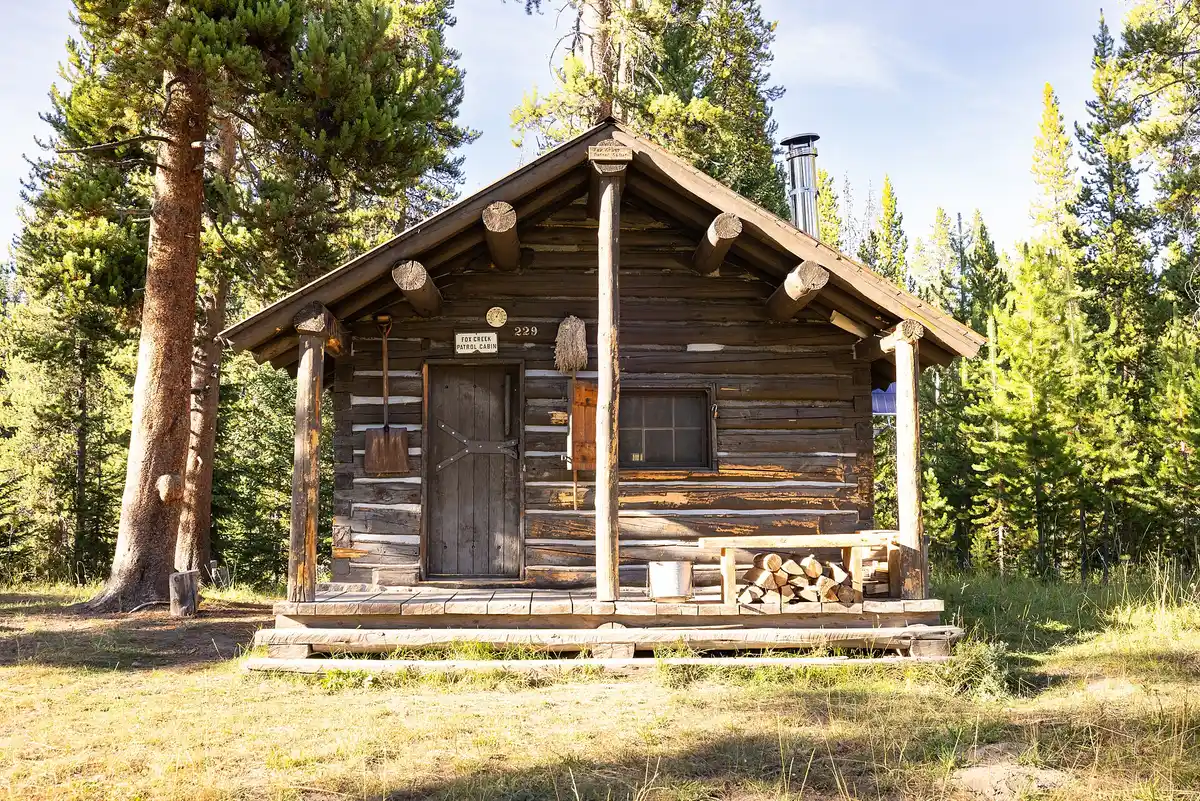
| Fox Creek | 11.5 miles in from the Hope trailhead | recreation.gov |
| Devils Pass | 2,400 ft, about mile 21, at the Devils Creek Trail junction | recreation.gov |
| Swan Lake | On the lake shore, GPS 60.61248, -149.84008 | recreation.gov |
| Juneau Lake | 1,300 ft, overlooking Juneau Lake, GPS 60.57619, -149.87203 | recreation.gov |
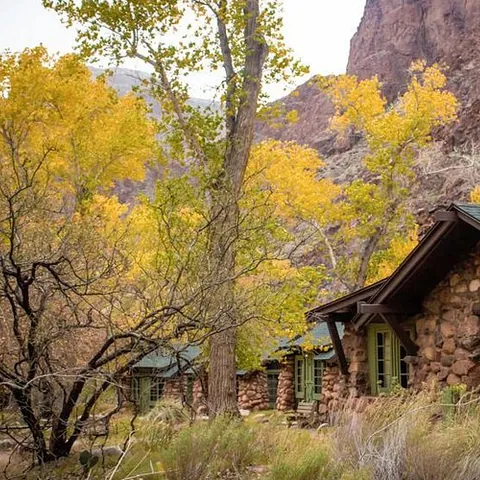
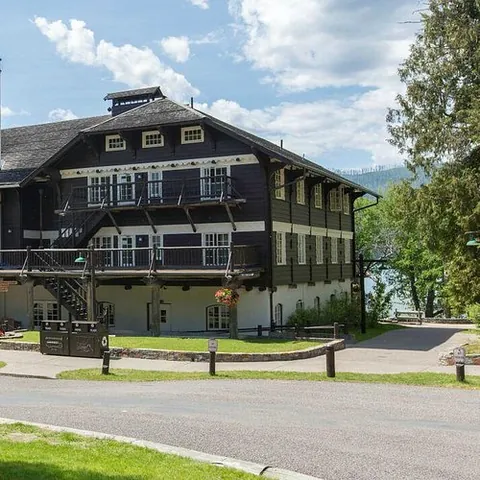
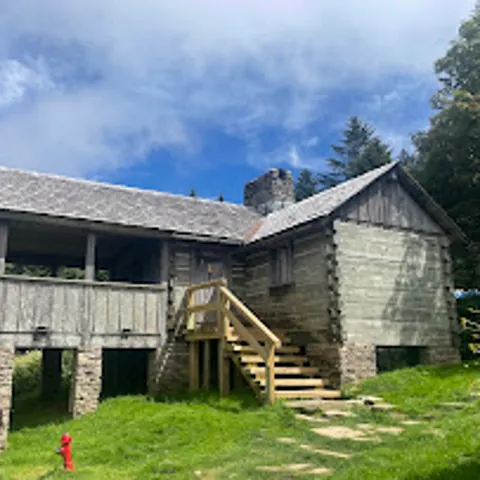
Each is a log cabin with bunks and a wood stove. None has running water, and none has bedding, cookware or a mattress, so your pack weight barely changes from a tent trip. What changes is that you are dry.
When to book, and why it is the whole trip
Reservations open on a rolling six-month window on recreation.gov. Book the day your date comes into range. Devils Pass sits at a trail junction and takes traffic from the Devils Creek Trail as well as the through-hikers, so it is the first to go. Check the current nightly rate on recreation.gov when you book, since Forest Service cabin fees are set per cabin and change between seasons.
Campsites, if the cabins are gone
There are 19 designated campsites along the route, so a cabin sellout does not cancel the trip. Carry a lightweight tent or tarp even with reservations in hand. A trail delay, an injury or a booking mix-up can leave you between cabins for a night, and the ground between them is the only other option.
What to know before you go
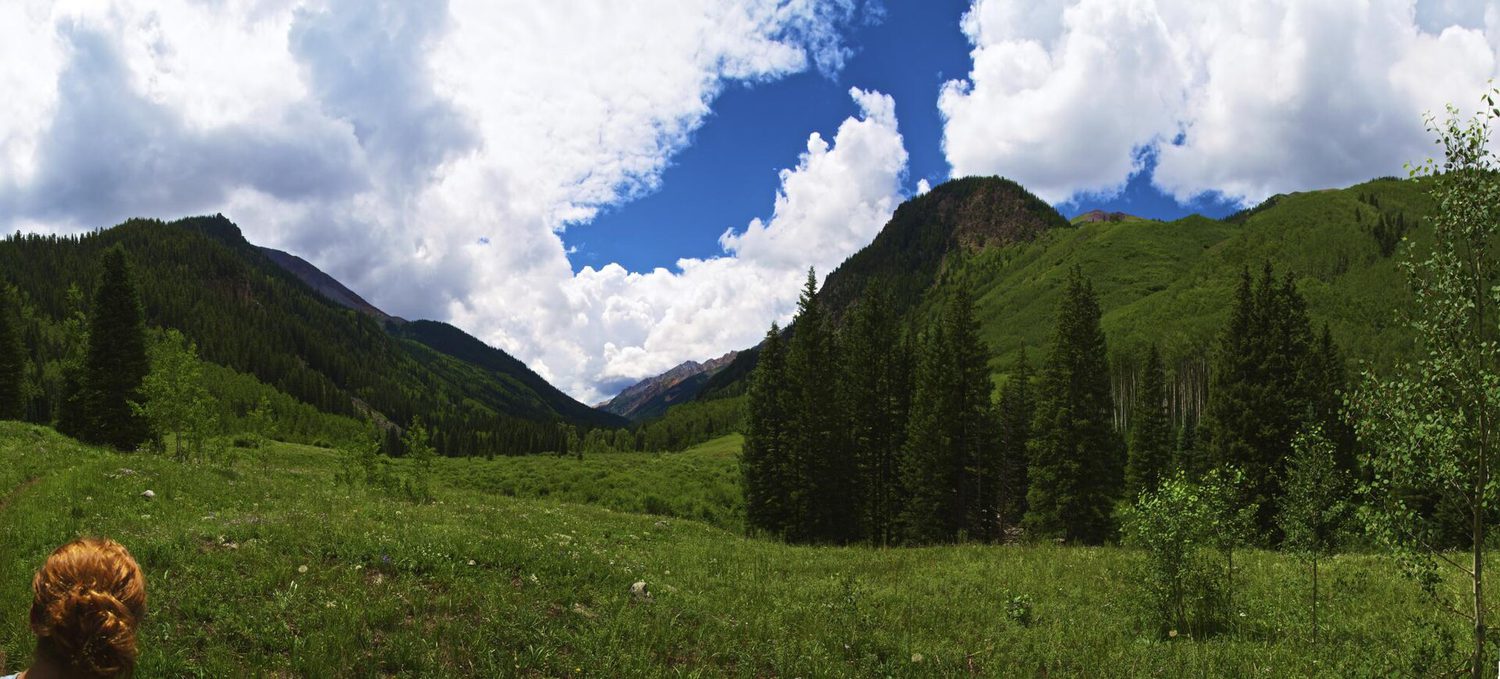
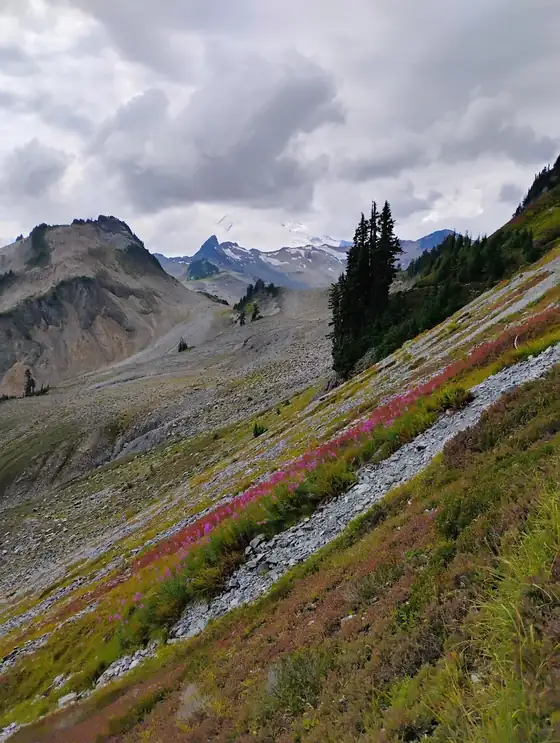
The trail runs 39 miles point to point, which means a shuttle or two cars between Hope and Cooper Landing. It crosses spruce forest, alpine tundra at Resurrection Pass itself, and salmon streams where bear traffic is real. The day-by-day itinerary covers the shuttle, the water sources and the bear rules. Have your reservation confirmation on your phone and on paper, and arrive at Devils Pass with daylight to spare, because it is the hardest cabin to find in poor visibility.
Resurrection Pass Trail Cabins: All Eight, and How to Book Them FAQs
Four cabins line up well for a five-day crossing from Hope: Fox Creek at 11.5 miles in, Devils Pass at 2,400 feet where the Devils Creek Trail joins, Swan Lake on the lake shore, and Juneau Lake at 1,300 feet for the last night. All are Forest Service log cabins with bunks and a wood stove, and all are booked on recreation.gov. There are also 19 designated campsites along the route, so you can mix cabins and tent nights or drop to camping entirely if the cabins are taken.
Every cabin is reserved through recreation.gov, on a rolling six-month window. Book the day your dates come into range, especially for Devils Pass, which takes traffic from both the Resurrection Pass Trail and the Devils Creek Trail and books out first. There is no walk-up option, so an unreserved cabin is not a cabin you can use.
It is 39 miles point to point between Hope and Cooper Landing, so you need a shuttle or two cars. The route climbs from spruce forest through alpine tundra at the pass and drops back past salmon streams, which means real bear traffic in season. Carry a tent even with cabin reservations, expect no cell service for most of the trail, and download your maps before you leave the road.
The standard route runs north to south, Hope to Cooper Landing, over 39 miles and five days, which puts the long climb early and the lake cabins late. Reversing it from Cooper Landing works and is often easier to shuttle. If you cannot get the cabins you want, the Devils Creek Trail joins at Devils Pass and lets you split the trail into two shorter trips instead.
No. The cabins have bunks and a wood stove and nothing else. No running water, no mattresses, no bedding, no cookware. Bring the same sleeping bag, pad, stove and water filter you would carry for a tent trip. The only weight you save is the tent itself, and you should carry that anyway.
The Chugach National Forest publishes the official trail map and each cabin has its own recreation.gov listing with photos and coordinates. For planning the crossing itself, our five-day Hope to Cooper Landing itinerary lays out the mileage day by day, names the cabin for each night with GPS coordinates, and covers the trailhead shuttle, bear rules and water sources.