Resurrection Pass Trail Map
A classic Alaska traverse, cabin to cabin, across the Kenai.
5-day Resurrection Pass Trail backpacking itinerary. 39 miles point-to-point across the Kenai Peninsula from Hope to Cooper Landing, through spruce forest, alpine tundra, and salmon streams, with four nights in rustic US Forest Service cabins.
“I’ve requested to book a Chain Lakes Loop guide on ExplorOFF, and it was the best idea ever! I highly recommend going with their guided option since you get a real human connection on the trail and don’t have to worry about a thing. Yulia was great to talk to!”
 13 stops on a real mapEvery stop pinned in order→
Resurrection Pass: every stop pinned in order.
Hope → Cooper Landing · 39 miles · Chugach National Forest
Every stop on this trip, in order, opens as one driving route in the Google Maps app. No copying addresses across one at a time.
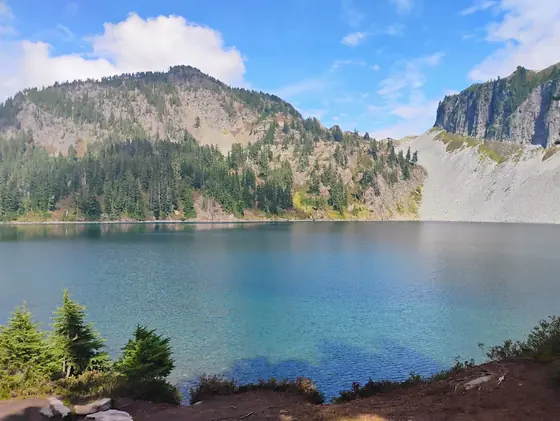
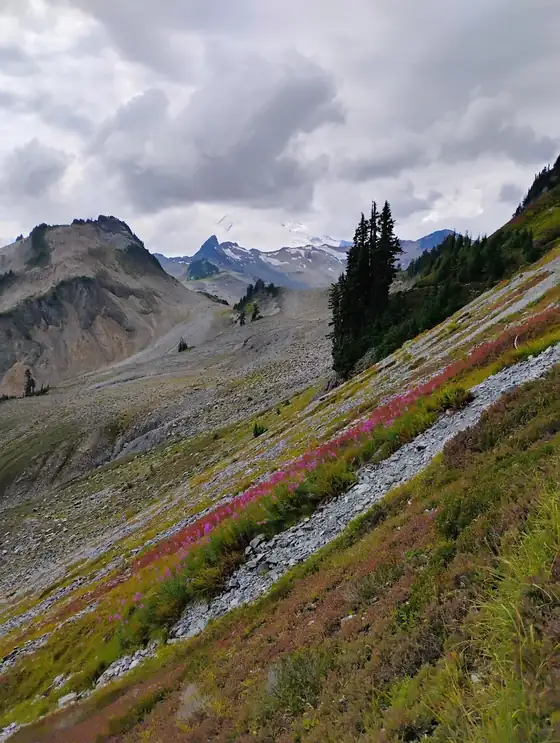
Resurrection Pass in photos: 2 of the stops.
Plan and book your 5 days in Resurrection Pass, one step at a time
How 5 days in Resurrection Pass split up
Plan 5 days for Resurrection Pass. Distance: 39 miles. High point: 2,600 ft. Permits: None to hike. The Resurrection Pass Trail runs 39 miles through the heart of the Kenai Peninsula, linking historic gold-mining country near Hope with a southern trailhead on the Sterling Highway near Cooper Landing. It delivers a full Alaska backpacking experience, spruce forest, salmon streams, and open alpine tundra, without any expensive fly-in access.
Day 1: Hope to Fox Creek Cabin
3 stops · Day one
Day 2: Over Resurrection Pass to Devils Pass Cabin
2 stops · Day two
Day 3: Descend to Swan Lake Cabin
2 stops · Day three
Day 4: Swan Lake to Juneau Lake Cabin
2 stops · Day four
Day 5: Juneau Falls to Cooper Landing Trailhead
4 stops · Day five
Hope to Fox Creek Cabin
Drive about 2 hours south from Anchorage along Turnagain Arm to the northern trailhead near Hope, four miles up Resurrection Creek Road from Mile 15 of the Hope Highway. Organize your gear, confirm your shuttle, and start up an old wagon road that climbs steadily through spruce forest.
Not the order you want? Drag a stop, or use the arrows beside it. Stops move between days too.
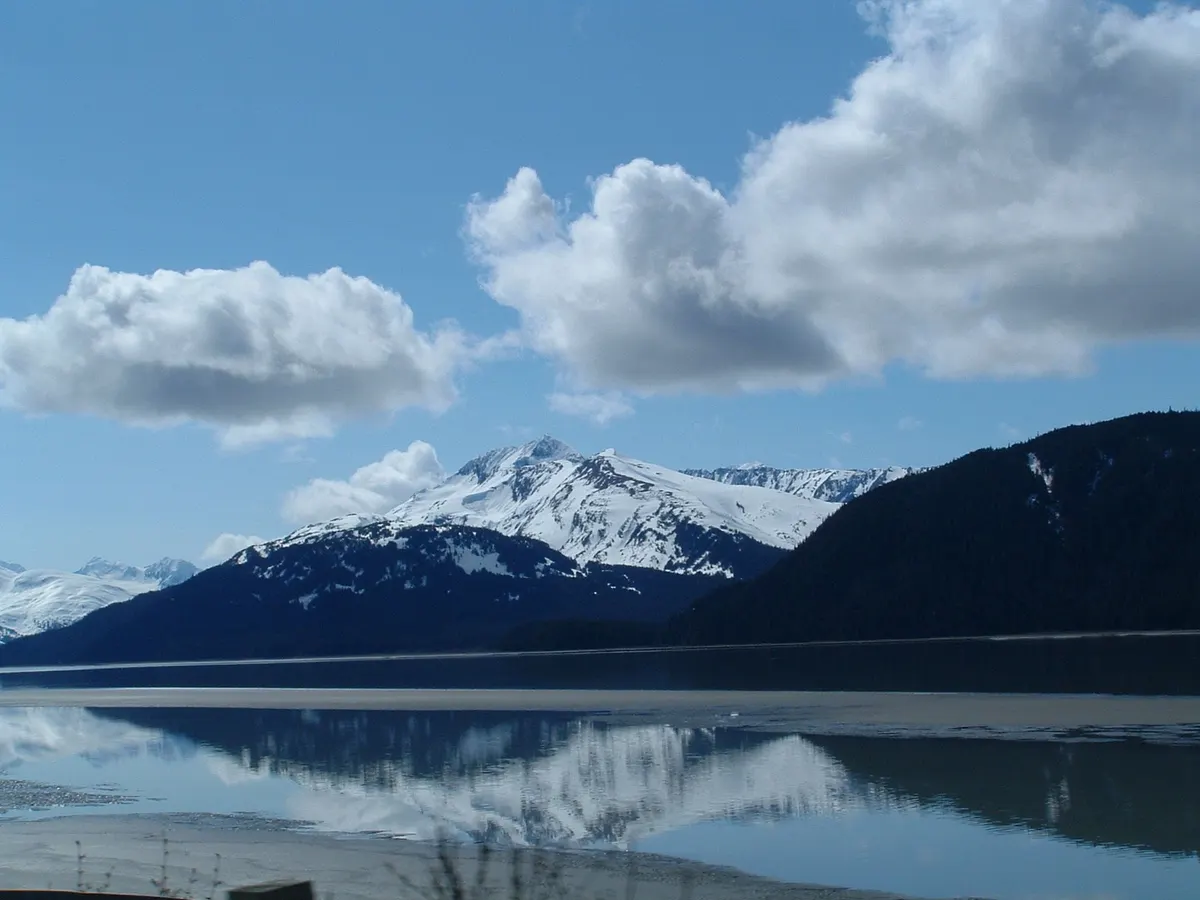 diverus from U.S. A. / CC BY 2.0Drive from
~2 hr to the Hope North Trailhead · car required · DriveDrive about 2 hours south from Anchorage along Turnagain Arm to the northern trailhead near Hope, four miles up Resurrection Creek Road from Mile 15 of the Hope Highway. Arrive early to secure parking, confirm your shuttle, and top off supplies, this is your last chance for services before the trail.
- Resurrection Pass North Trailhead (Hope)
GPS 60.86982, -149.63015 · trail mile 0 · ViewpointThe northern trailhead sits at the end of Resurrection Creek Road near Hope, in historic gold-mining country. The trail starts on an old wagon road and climbs steadily through spruce forest. There is no public transportation here, so your Cooper Landing shuttle must be arranged in advance.
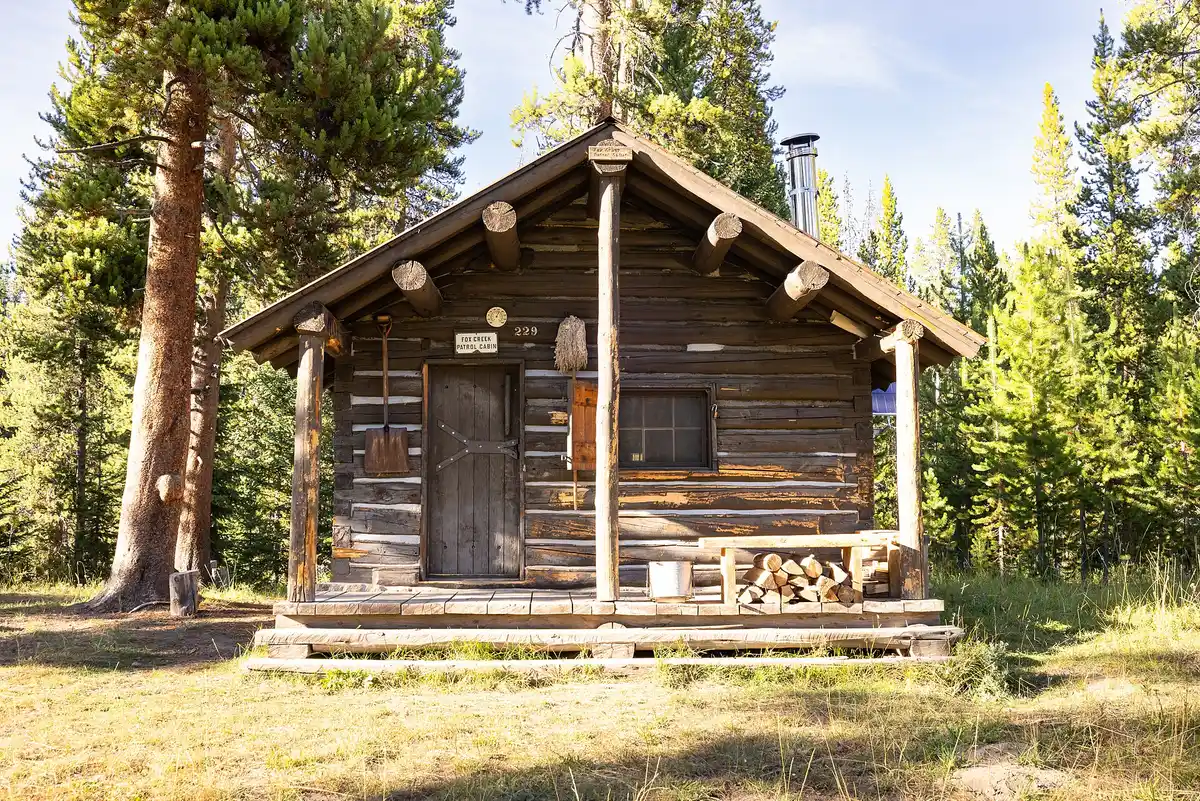
- Fox Creek Cabin
Trail mile 11.5 · $75/night · sleeps 8 · lodgeFox Creek Cabin sits 11.5 miles in, just up from Fox Creek. The log cabin has bunk space for six, a table, benches, and a wood stove, but no electricity, potable water, or bedding. Filter water from the creek and store food in the bear-resistant locker. Reserve on recreation.gov (facility 233023).
Over Resurrection Pass to Devils Pass Cabin
Today is the big alpine day. The trail keeps climbing through forest before breaking out into open alpine tundra and cresting Resurrection Pass at 2,600 feet, the high point of the trail, with sweeping views of the Kenai Mountains. Watch for Dall sheep, marmots, and moose, and be ready for wind and fast-moving weather above treeline.
Not the order you want? Drag a stop, or use the arrows beside it. Stops move between days too.
- Resurrection Pass summit (2,600 ft)
Trail high point · exposed alpine tundra · HikeThe trail climbs out of the forest into open alpine tundra and crests Resurrection Pass at 2,600 feet, the high point of the trail, with sweeping views of the Kenai Mountains. It is fully exposed, so carry a wind shell and warm layers, and watch for Dall sheep and marmots.
- Devils Pass Cabin
2,400 ft · trail mile ~21.6 · $75/night · sleeps 8 · lodgeDevils Pass Cabin sits at 2,400 feet where the Devils Creek Trail meets the Resurrection Pass Trail, one of the most scenic cabins on the route. Expect cool temperatures, big alpine vistas, and excellent stargazing on a clear night. Reserve on recreation.gov (facility 233018).
Descend to Swan Lake Cabin
A short, relaxed day. The trail descends off the alpine, re-entering spruce and hemlock forest as it drops toward Swan Lake. Some sections can be wet and boggy after rain, and the marshy pockets are prime moose habitat, so keep your eyes up.
Not the order you want? Drag a stop, or use the arrows beside it. Stops move between days too.
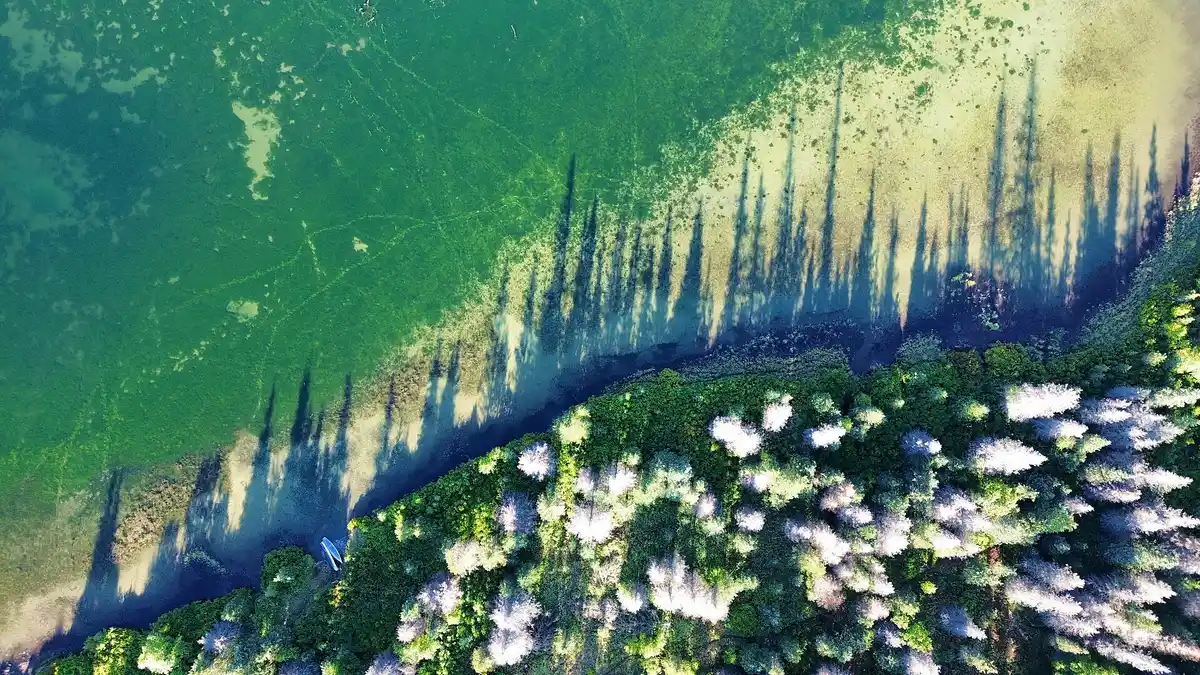 Descend the alpine to Swan Lake
4.6 mi · ~1,000 ft loss · forest & bog · HikeA short, relaxed day. The trail descends off the alpine and re-enters spruce and hemlock forest toward Swan Lake. Some stretches are wet and boggy after rain, and the marshy pockets are prime moose habitat, so keep your eyes up.
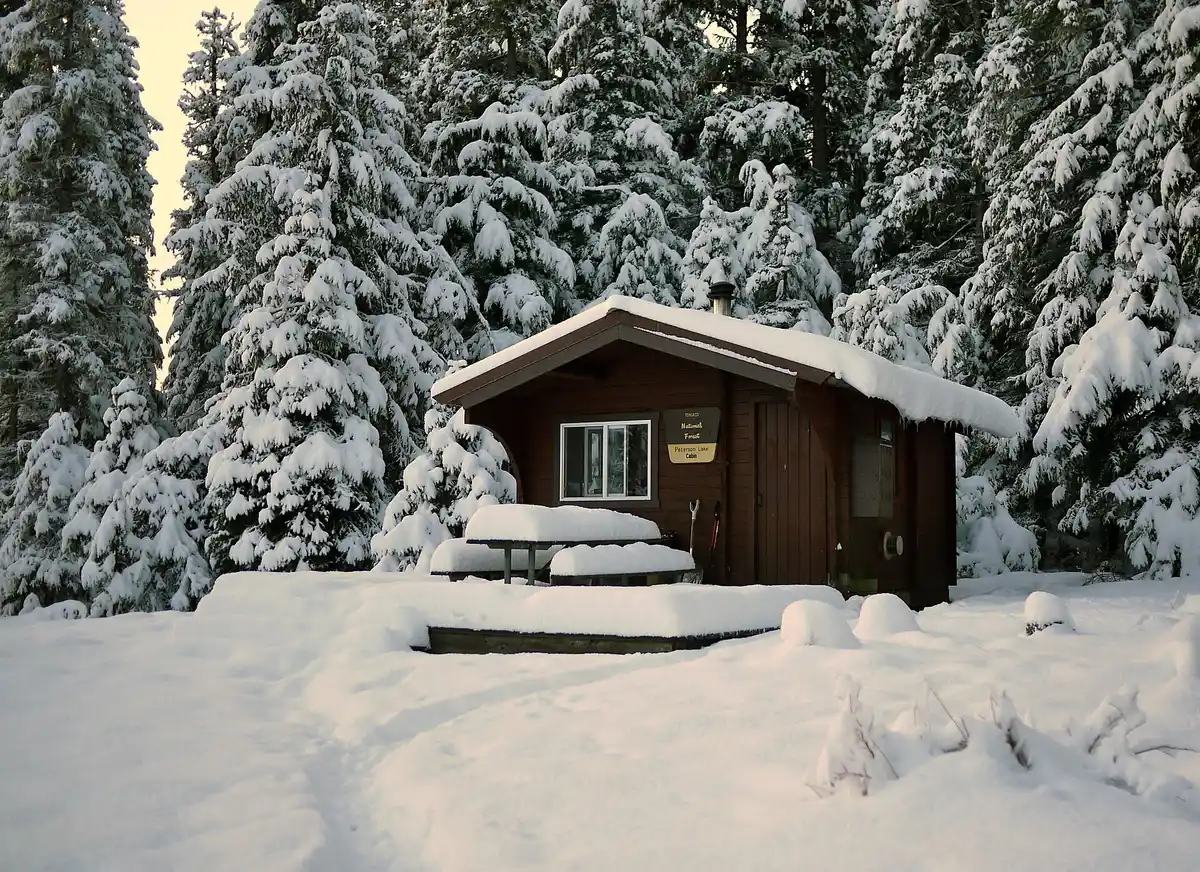
- Swan Lake Cabin
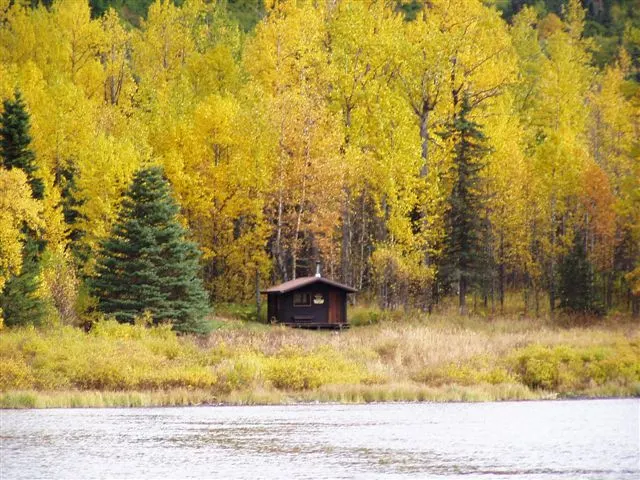
Lakefront · trail mile ~26 · $75/night · sleeps 8 · lodgeSwan Lake Cabin sits on the lake's shore, the trip's built-in rest day. Relax by the water, dry gear, and, with an Alaska fishing license and a packable rod, try for Arctic char and trout. Bunks for six, a wood stove, and an outhouse; filter your water from the lake. Reserve on recreation.gov (facility 233014).
Swan Lake to Juneau Lake Cabin
Another short, easy day through mature forest and along the meandering trail, passing lakes and streams where salmon spawn in late summer. With so little distance to cover, there is time for birdwatching and a slow start.
Not the order you want? Drag a stop, or use the arrows beside it. Stops move between days too.
- Easy forest miles to Juneau Lake
3.1 mi · minimal elevation change · HikeAnother short, easy day through mature forest and along the meandering trail, passing lakes and streams where salmon spawn in late summer. With so little distance to cover, there is time for birdwatching and a slow start.
- Juneau Lake Cabin
1,300 ft · trail mile 29.3 · $75/night · sleeps 8 · lodgeJuneau Lake Cabin at 1,300 feet overlooks Juneau Lake, your last night on the trail and the launch point for tomorrow's Juneau Creek Falls visit. Filter water from the lake and pack scented items into the bear locker. Reserve on recreation.gov (facility 233013).
Juneau Falls to Cooper Landing Trailhead
The final day is a mostly downhill hike out to the southern trailhead. About four miles from the end you reach Juneau Creek Falls, the trail's premier cataract, a short spur off the main trail and a perfect last-day highlight. Take the detour, then continue down through forest as day hikers appear.
Not the order you want? Drag a stop, or use the arrows beside it. Stops move between days too.
- Juneau Creek Falls
~4 mi from south trailhead · short spur · ViewpointAbout four miles from the end, Juneau Creek Falls is the trail's premier cataract, roughly 50 yards off the main trail and a perfect last-day highlight. Take the short detour before continuing the downhill hike out to the Sterling Highway.
 Frank K. from Anchorag / CC BY 2.0Resurrection Pass South Trailhead
Sterling Hwy Mile 53.2 · GPS 60.48376, -149.95314 · HikeFinish the 39-mile trail at the southern trailhead on the Sterling Highway near Cooper Landing, 9.7 mostly downhill miles from Juneau Lake. Cell service may return here, but keep your satellite messenger handy until you are out.
- Celebrate & stay in Cooper Landing
Kenai River town · shuttle back to Anchorage · lodgeMeet your pre-arranged shuttle at the south trailhead and celebrate with a meal in Cooper Landing on the Kenai River before the roughly 2.5-hour drive back to Anchorage. It is an easy base for an add-on rest day of rafting or fishing.
 Raft Six Mile Creek on the drive back
4 hr Class IV whitewater · 4.7 from 25 reviews · next morning, near Hope · activitySix Mile Creek meets the Seward Highway at the Hope turnoff, about 45 minutes from Cooper Landing and right on the road back to Anchorage. The two-canyon run is guided Class IV whitewater between sheer rock walls, a very different way to see the Kenai after five days on foot. Book it for the morning after you finish, so tired legs have had a night off first.
Book this →
Book the 4 nights
Beds near the trailheads are the one thing on this trip that genuinely runs out. Everything else can be decided later.
Tell us your dates and we will do the checking. We find what is still open near each trailhead and email you this plan back with a booking link for each night. Nothing is charged and you decide at the end.
Request to bookWhat to pack for Resurrection Pass
Built from this route, not a generic list. Every line says why it is here.
On every day of this trip
On your feet
Because you are sleeping indoors
For the driving days
Specific to Resurrection Pass
Essential wilderness rules & planning.
Reserve cabins on recreation.gov
No permit is needed to hike, but every cabin night must be reserved in advance on recreation.gov (or 1-877-444-6777). The eight trail cabins open about six months (180 days) ahead and summer dates sell out fast, so book in December or January for a summer trip. Cabins run roughly $75 to $90 per night.
This is bear country
Both black and brown (grizzly) bears live on the Kenai. Carry bear spray and know how to use it, make noise on the trail, and store all food and scented items in the bear-resistant lockers at each cabin, never inside the cabin.
Arrange a trailhead shuttle
The trail is point-to-point with no public transportation at either end. Arrange a shuttle between the Hope (north) trailhead and the Cooper Landing (south) trailhead in advance; budget roughly $150 to $300. Both trailhead lots may charge a parking fee.
Filter water & pack a satellite messenger
Cabins have no potable water, so filter or treat everything from creeks, lakes, and snowmelt. Cell service is unreliable to nonexistent, so carry a Garmin inReach, Spot, or similar satellite device for emergencies.
Carry a backup shelter
Even with cabin reservations, carry a lightweight tent or tarp. Trail delays, injuries, or a mix-up could leave you overnight between cabins, and there are 19 designated campsites along the route if you need them.
Go June through early September
Late June through August brings the warmest temperatures and the long Alaska daylight, but also peak mosquitoes. Early June can still hold snow at the pass. September means cooler days, fewer bugs, and fall color, but shorter days and a higher chance of rain or early snow.
Resurrection Pass: questions before you go
Resurrection Pass trail: the questions people ask most.
It is rated moderate. There is no technical climbing, but it is a long 39-mile trail with real elevation gain over Resurrection Pass (2,600 ft) and long daily distances. Hikers should be in good shape and have prior backpacking experience.
No permit is required to hike the trail itself. However, if you want to sleep in any of the eight US Forest Service cabins, an advance reservation is mandatory and serves as your permit for that overnight stay. Cabins are booked on recreation.gov or by calling 1-877-444-6777.
Cabin reservations are highly competitive and open about six months (180 days) in advance. Summer weekends often go the day they release, so for a June through August trip aim to book in December or January of the preceding season.
The main costs are cabin fees ($75 per night per cabin in 2026, up to 8 people), a trailhead shuttle between Hope and Cooper Landing (budget about $150 to $300), possible trailhead parking fees, plus food and gear. Add travel to Alaska and any pre or post-trip lodging in Anchorage.
Cell service is generally unreliable to nonexistent along the Resurrection Pass Trail. Carry a satellite communication device such as a Garmin inReach or Spot for emergencies, and download offline maps before you start.
The Kenai Peninsula is rich in wildlife. Expect moose, black bears, and brown (grizzly) bears, with Dall sheep and marmots in the alpine and salmon in the streams in late summer. Always carry bear spray and keep a safe distance from all wildlife.
Carry at least two cans of bear spray per party and keep them unclipped and within instant reach on a hip or chest harness, not buried inside your pack. The Kenai interior valleys are major brown-bear salmon-foraging corridors, so make noise on the trail, stay alert near the flood-prone creek beds where bears feed, and store all food and scented items in the bear-resistant lockers at each cabin.
Yes. Tell us your dates and we check what is still open for the plan on this page, then send it back with a booking link for each night and the total. Nothing is charged and nothing is held, and you pay the normal rate.
Pick how you want to go.
Same 5-day route. Same 7 stops.
- 4 nights, free tent camping along the trail
- Free
- Raft Six Mile Creek on the drive back
- $390
- Rental car, 5 days
- $550
- Gas, about 142 miles
- $25
- 4 nights, Fox Creek, Devils Pass, Swan Lake and Juneau Lake cabins
- $300
- Raft Six Mile Creek on the drive back
- $390
- Rental car, 5 days
- $550
- Gas, about 142 miles
- $25
- A private local guide, rooms and campsites booked
- Included
- Airport pickup and every drive
- Included
- Park, permit and campsite fees paid
- Included
- All the gear and the trail meals
- Included
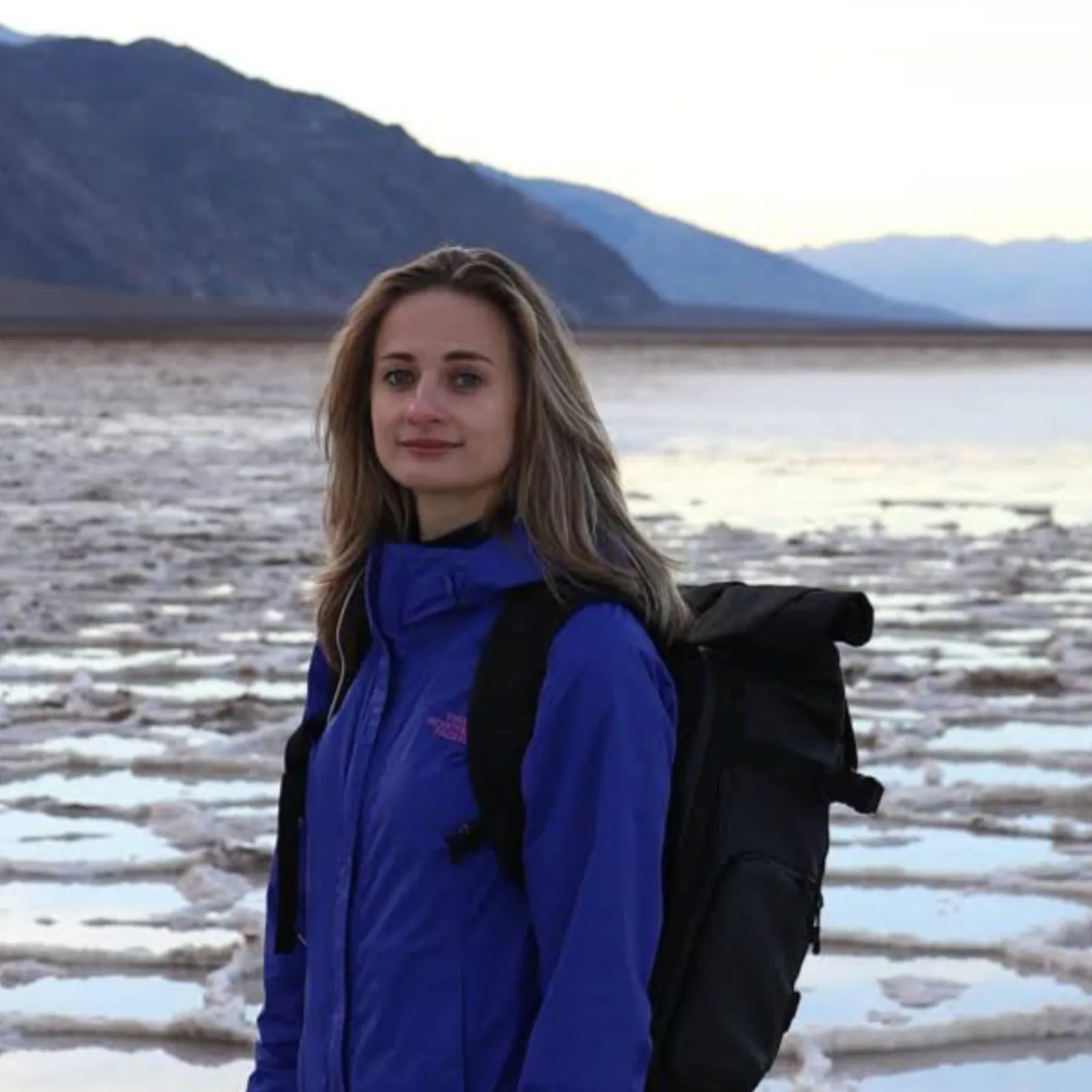
Written and walked by Yulia Vasilyeva · Co-founder · Lead planner and guide
Three years leading guided hikes in the Pacific Northwest, rated 5.0 by 20+ verified guests, and she builds every custom itinerary herself. Based in Seattle.
Last checked September 2026
You might also love these
Other itineraries near this one.
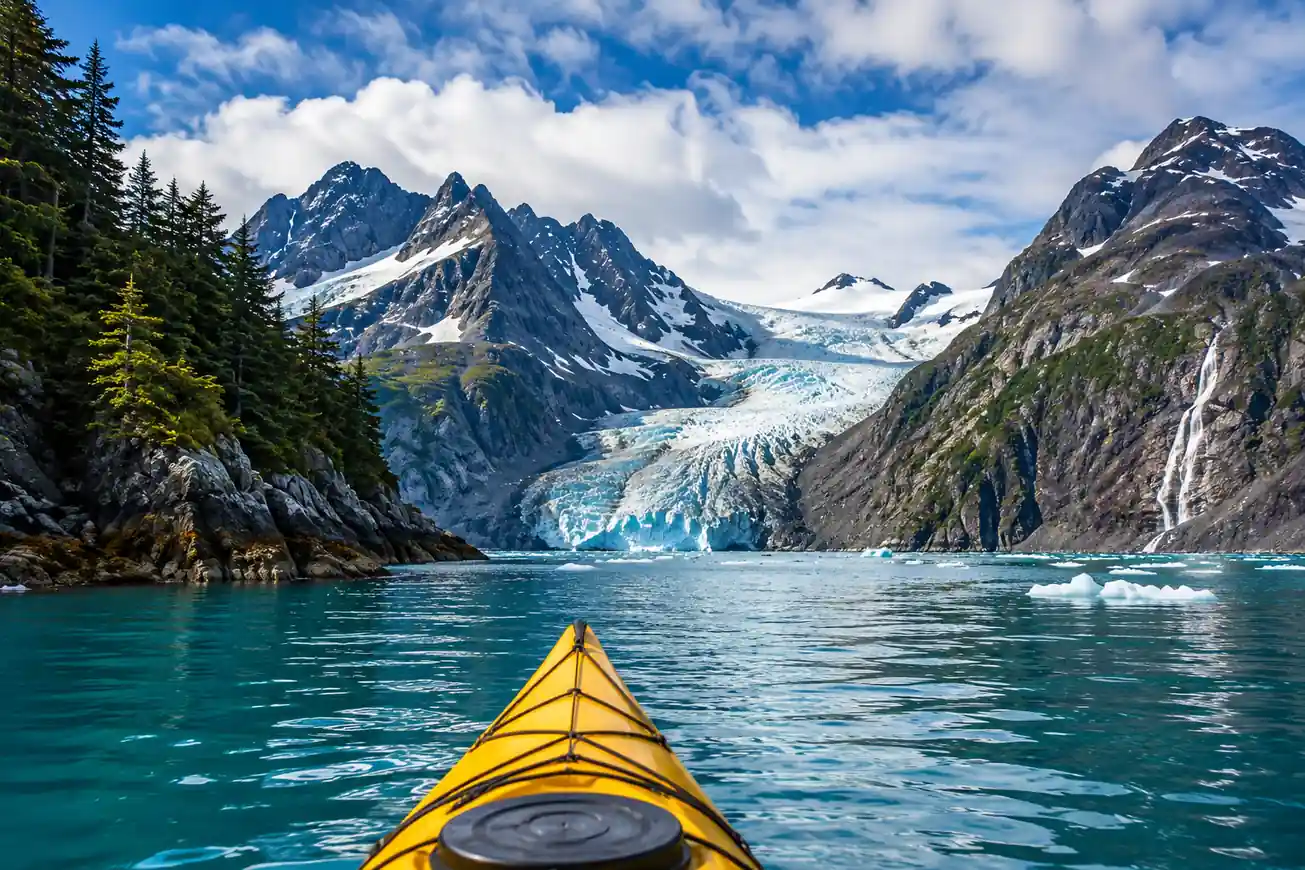
Kenai Fjords Kayaking: 2-Day Seward & Exit Glacier Itinerary
A 2-day Kenai Fjords National Park itinerary from Seward, Alaska: hike Exit Glacier and the Harding Icefield Trail, then take a full-day…
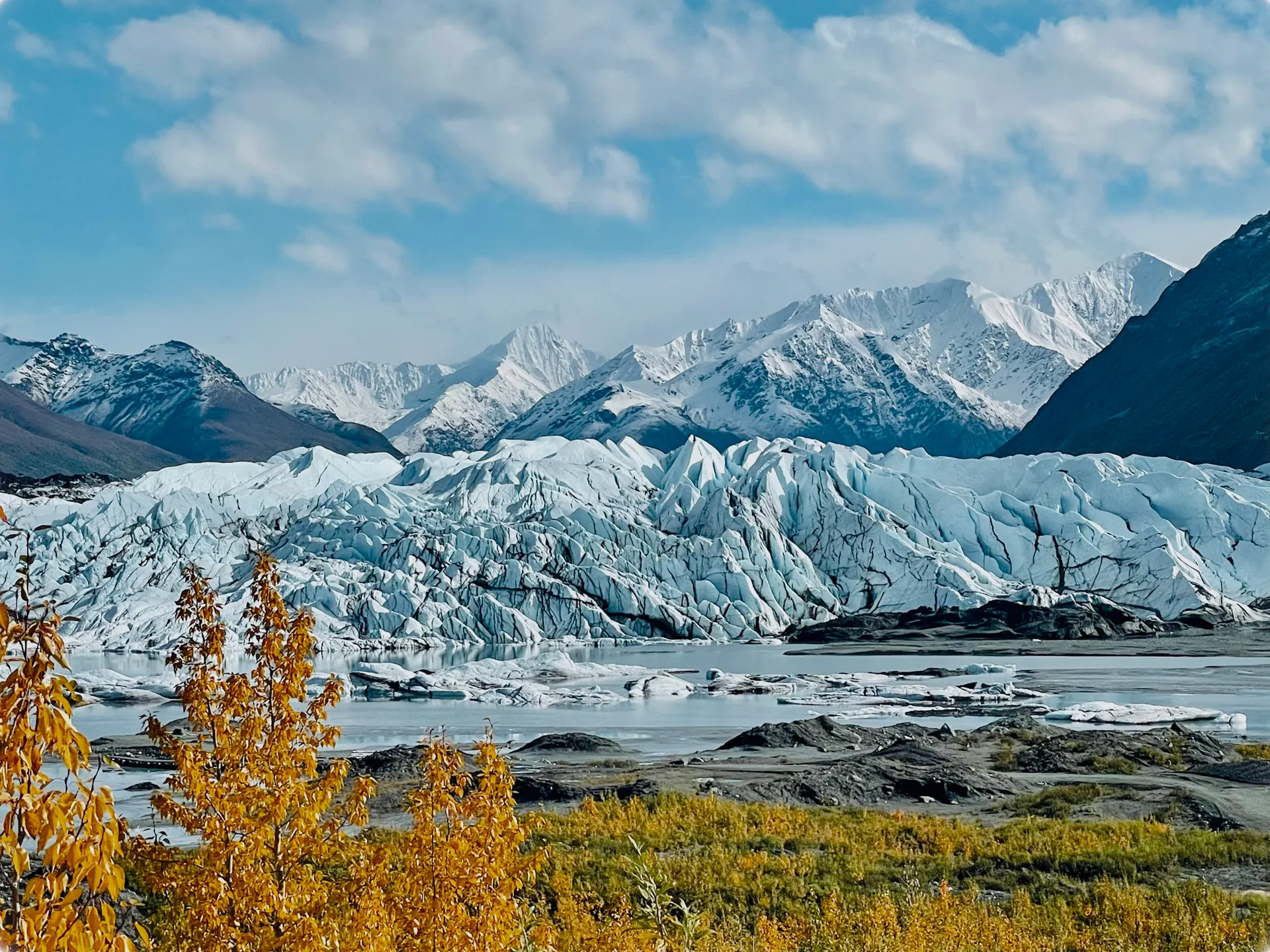
Wrangell-St. Elias National Park: A 4-Day Alaska Itinerary
Four days in America's largest national park: the McCarthy Road to the Kennecott Mines ghost town, the Root Glacier Trail and a guided…
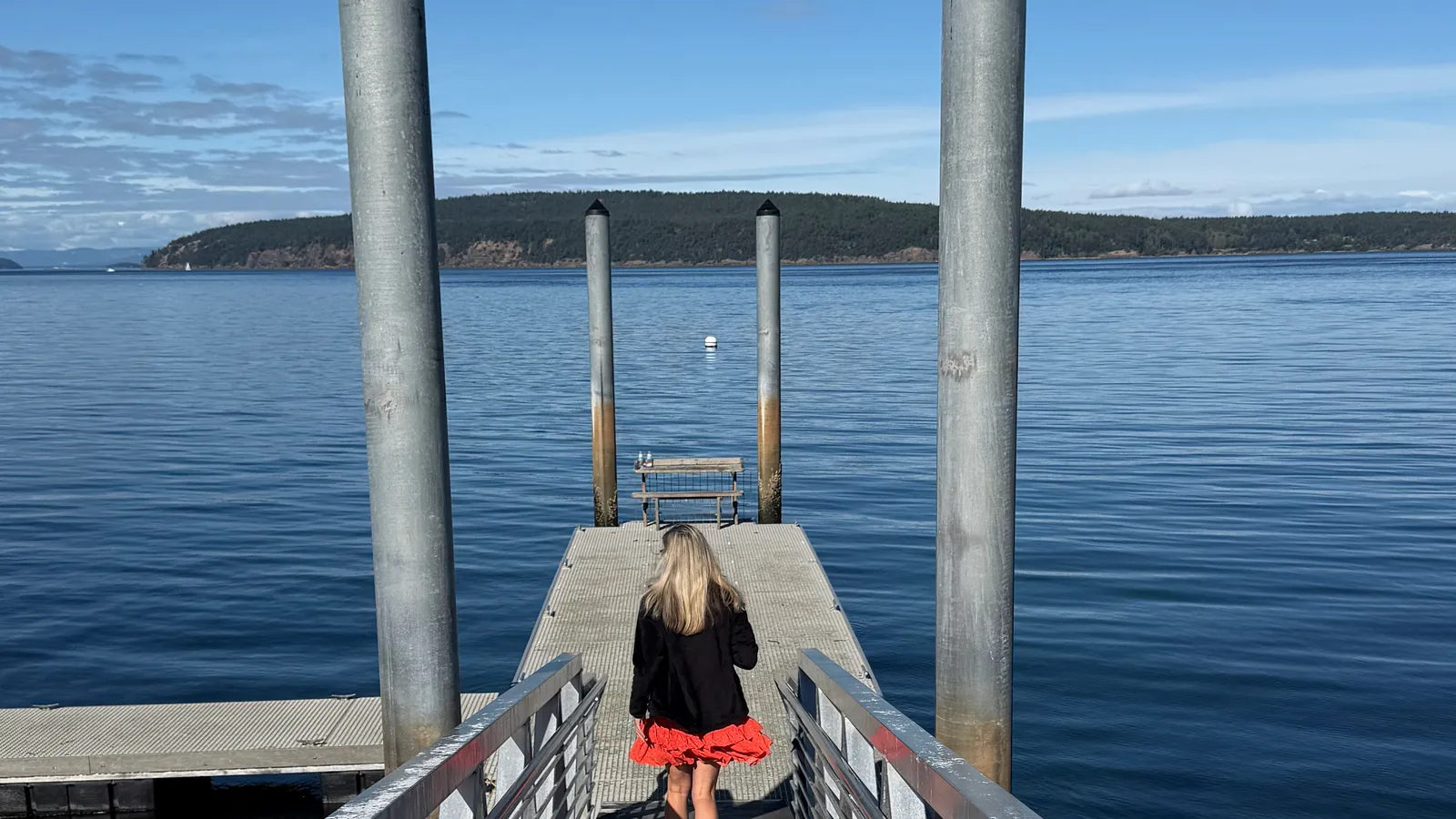
Orcas Island Itinerary: What to Do in 3 Days
Three days on Orcas Island: Mount Constitution, Cascade Falls, bioluminescent night kayaking and whale watching.
Guides for this tripResurrection Pass Trail CabinsGuided Backpacking Trips for BeginnersDrive From Anchorage to DenaliRoot Glacier Hike
What adventurers say about us.
All reviews are from verified guests. ★★★★★ 5.0 average from 20+ bookings.
"Felt like going out with a really knowledgeable friend who just happens to know everything about the area. No awkward tour-guide energy, just a magnificent day."
"Yulia is an incredible guide. She knew every trail, every viewpoint, and exactly how to pace the day for our group. The photos she took of us were stunning. 100% booking again."
"I was visiting Seattle solo and this was the best decision I made on the trip. Yulia picked me up, had snacks, and took us to a trail I never would have found on my own. Absolute must-do."
"We did this as a couple's trip and it was perfect. Yulia adapted everything to us, our pace, our interests, our photo obsession. The mountain views were unreal."
"Phenomenal experience. Yulia has deep local knowledge and a real passion for the outdoors. She went out of her way to show us the hidden gems tourists never see. Will remember this forever."
"I've done a few guided hikes and this was by far the best. Yulia is warm, funny, and genuinely expert. The trail she chose had the most insane wildflower bloom, we got so lucky."
Fees, reservation windows, shuttle dates and trail closures are planning estimates. Confirm hours, road status and any reservations with the land manager before you go.
What other travelers are saying
Be the first to leave a tip or question for the next traveler.
Was this helpful?
One tap. It goes straight to Yulia and Margarita.
You can't hike it if you can't get the permit.
The best hikes in America run on lotteries that open once a year and sell out in minutes. Every trail runs on its own calendar. Pick the ones you want and we do the watching.
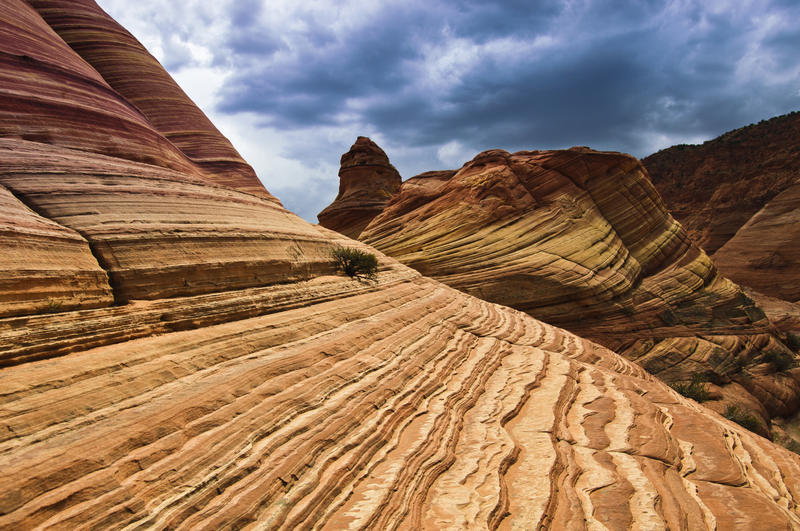 The WaveCoyote Buttes North · Arizona / UtahPermitLotterybrutal odds
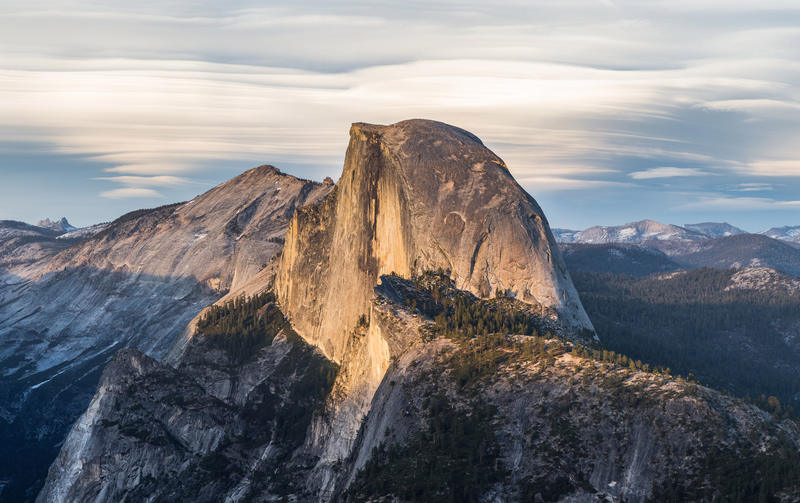 Half Dome CablesYosemite NP · CaliforniaPermitOpens Mar 1fair odds
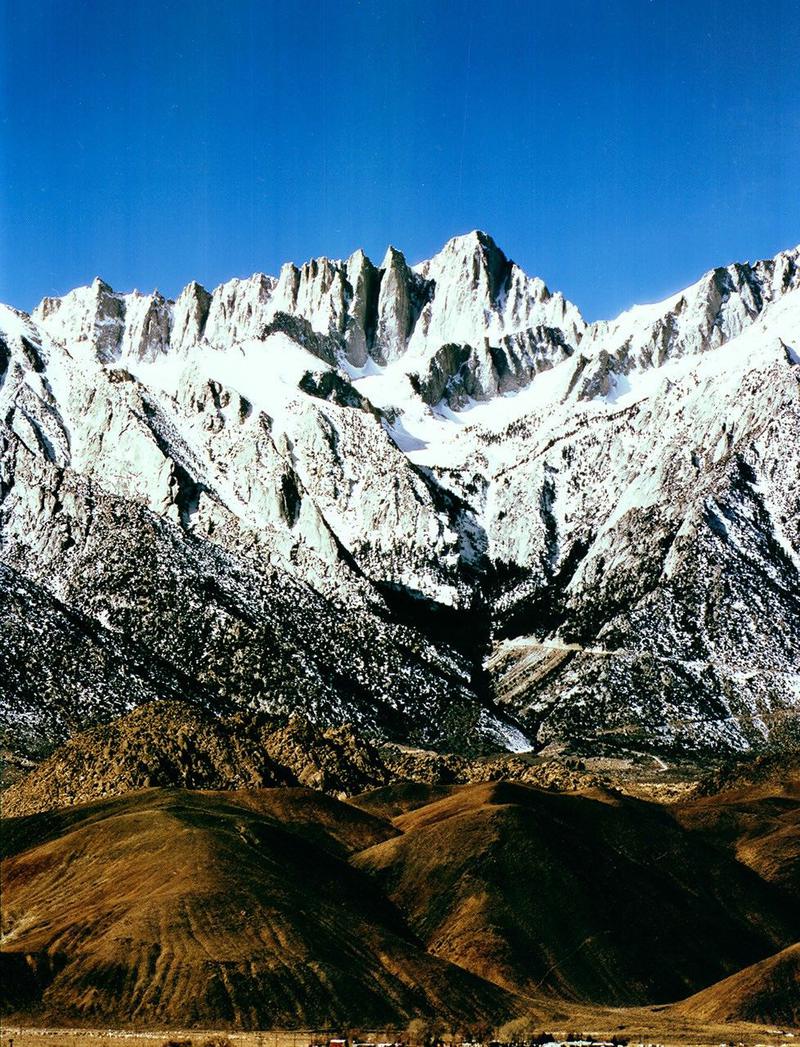 Mt. WhitneyInyo NF · CaliforniaPermitOpens Feb 1tough odds
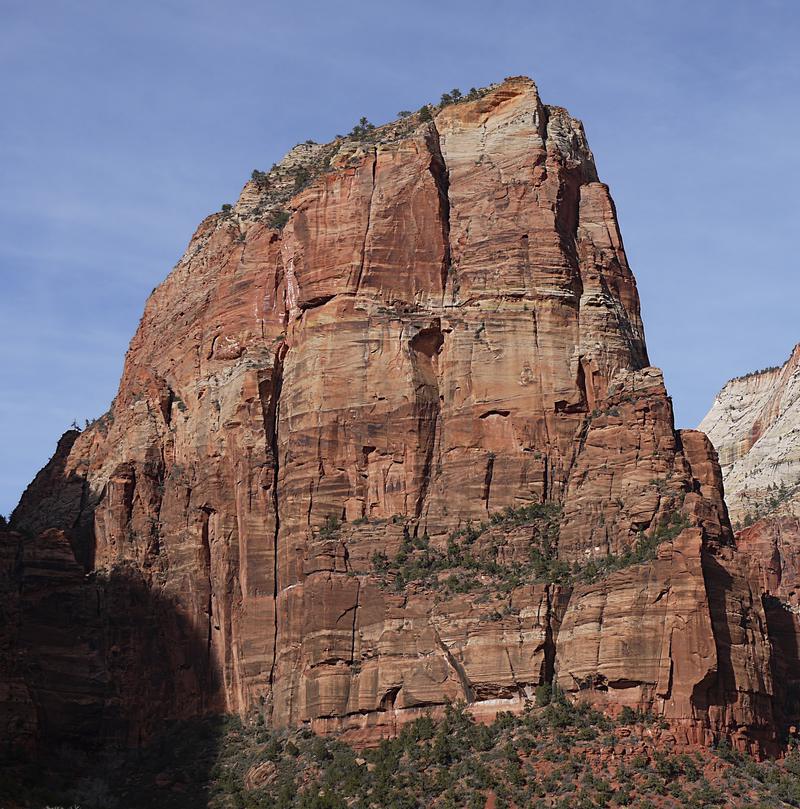 Angels LandingZion NP · UtahPermitLotterytough odds
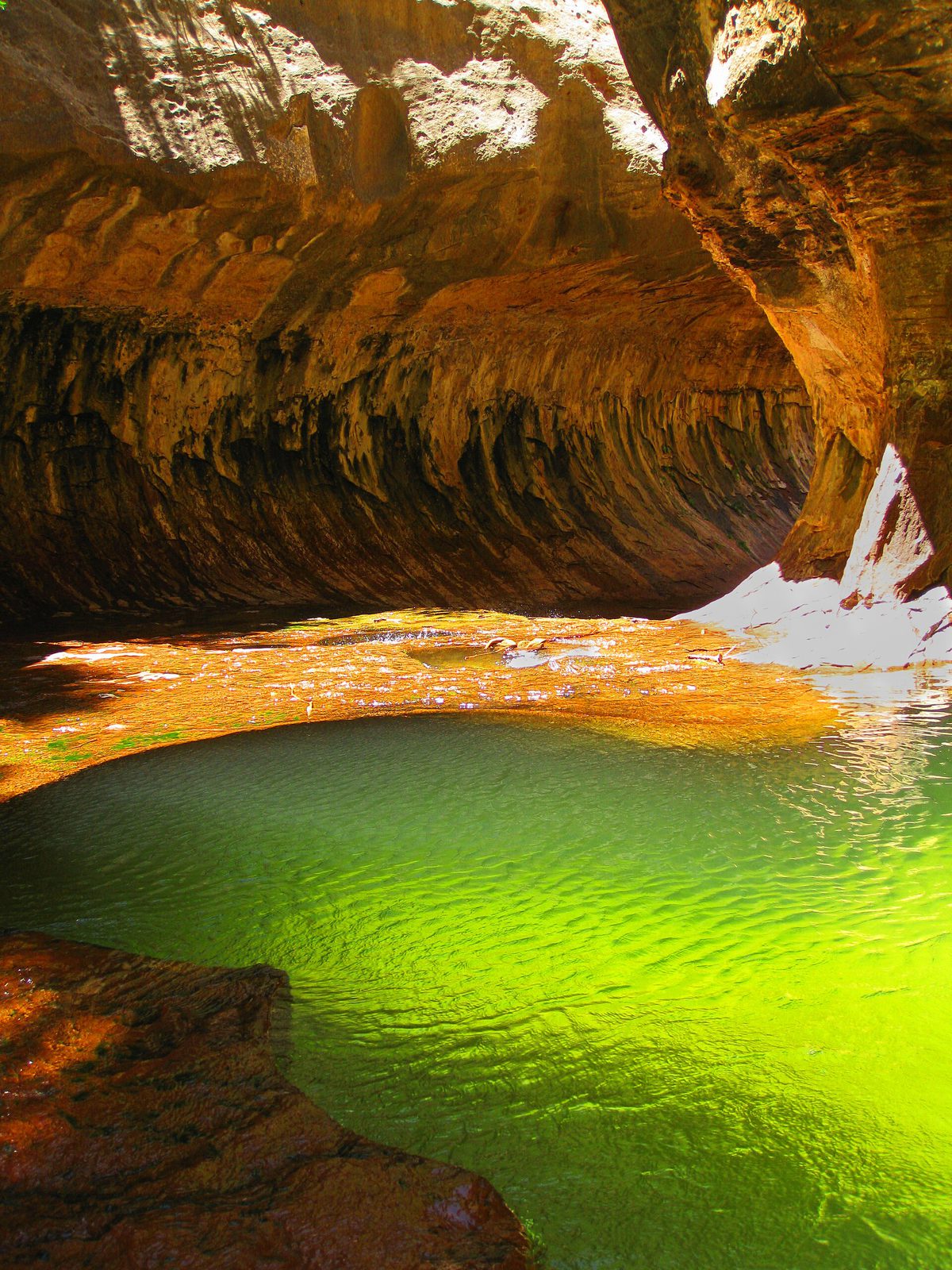 The SubwayZion NP · UtahPermitLotterytough odds
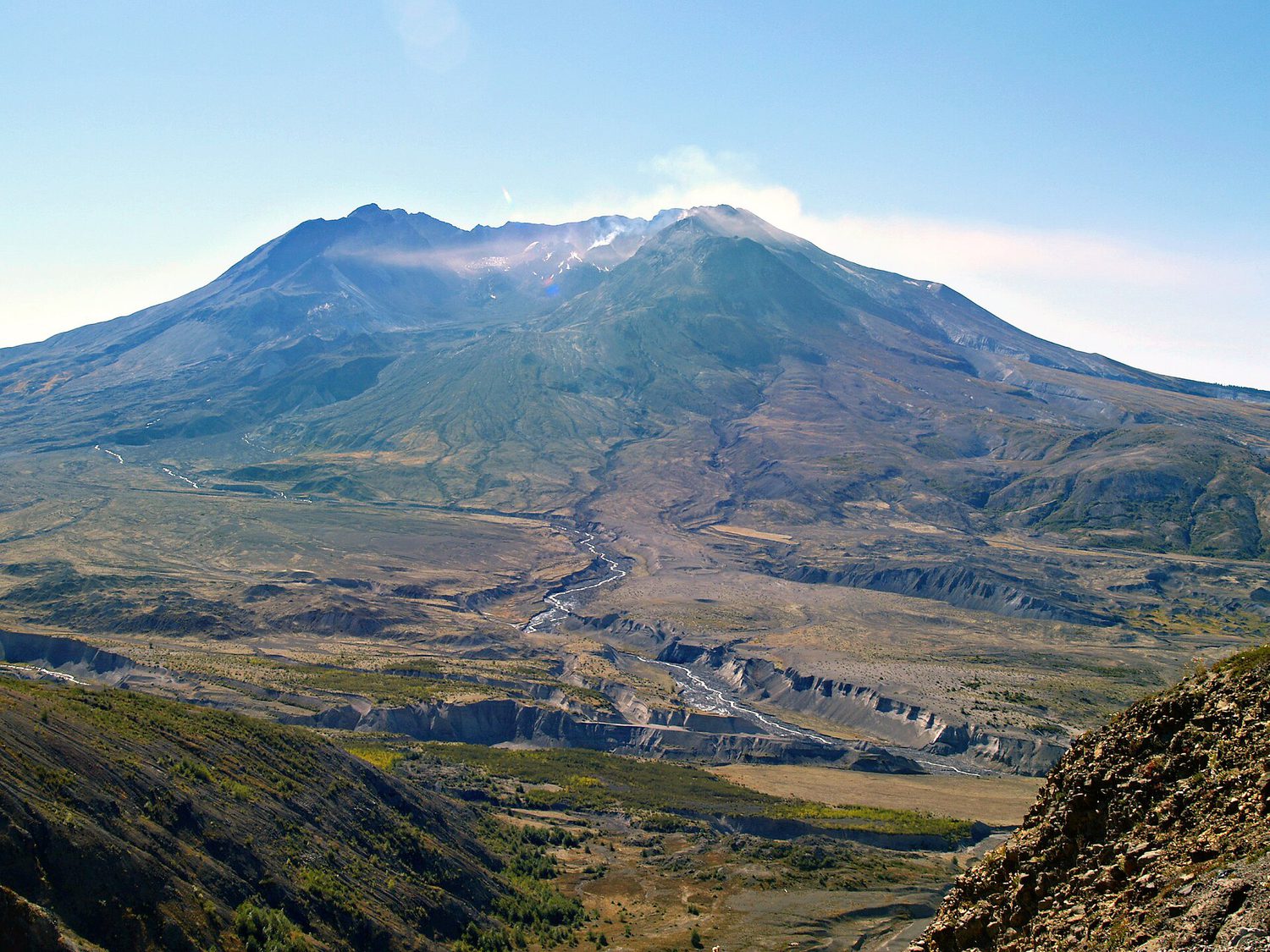 Mount St. Helens Summit ClimbGifford Pinchot NF · WashingtonPermitReservationtough odds
How it works
- An email the morning each window opens, never the day after.
- A 14-day heads-up so you can line up your group and dates.
- Win odds and a ranked backup plan for every trail you pick.
Didn't win? We keep watching. We check recreation.gov every day for The Enchantments, Half Dome and Angels Landing, and email you the moment a sold-out date frees up. Cancellations are the second chance most people never hear about.