The classic Oregon road trip itinerary is a 7 to 10 day loop from Portland: the Columbia River Gorge waterfalls, Bend and Smith Rock in the high desert, Crater Lake, and the Highway 101 coast, with the Three Sisters and the Cascade Lakes for extra mountain time. For a San Francisco to Oregon road trip, add 4 to 5 days and follow Highway 101 north through the Northern California redwoods and up the southern Oregon coast past Brookings and Bandon. The best time to go is late June through September, when the Crater Lake rim road and the high Cascade trails are snow free.
Oregon packs almost every kind of Western scenery into one state: a rugged 360 mile coastline, the deepest lake in the country, high desert rock towers, glacier capped volcanoes, and a gorge lined with waterfalls. That is exactly why an Oregon road trip itinerary is one of the best drives in the American West, and why so many people build a San Francisco to Oregon road trip up the coast to reach it. This hub guide lays out the classic loop, the coast, and the redwood approach from California, tells you how many days you need, and points you to the best time to go. When you are ready to plan the hiking day by day, our detailed itineraries for the Crater Lake rim trail, the Oregon Coast Trail, and a Smith Rock weekend map out the trailheads and where to sleep.
The classic Oregon road trip loop
The heart of any Oregon road trip itinerary is a loop out of Portland that strings together the state's greatest hits. Drive it in either direction over 7 to 10 days and you will touch high desert, alpine lakes, volcanoes, and ocean, often in a single day of driving. Here is how the loop breaks down region by region.
1. The Columbia River Gorge and its waterfalls
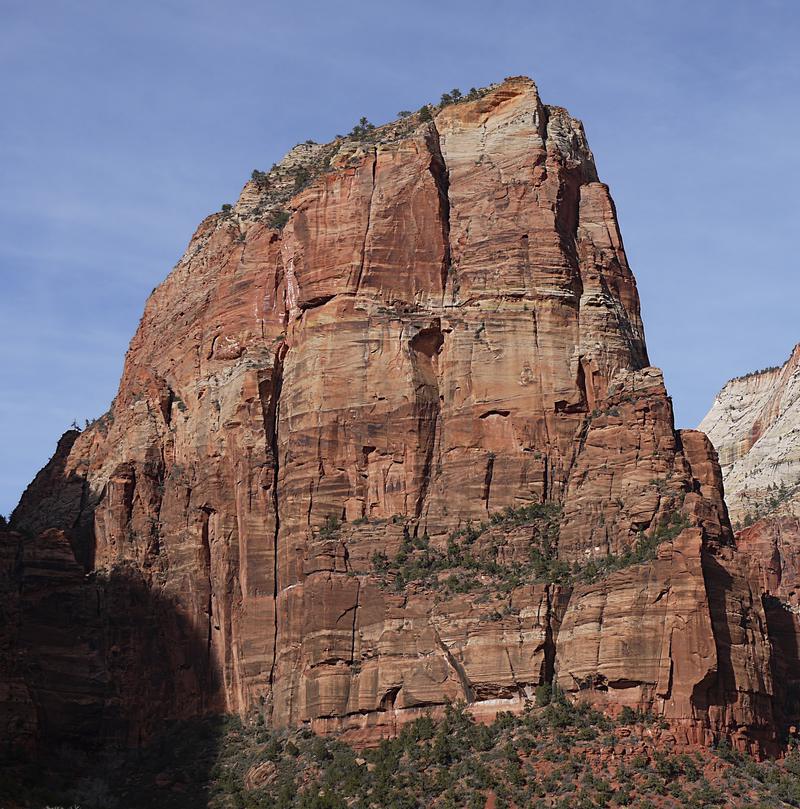
Start just east of Portland in the Columbia River Gorge, where the Historic Columbia River Highway threads past a wall of waterfalls. Multnomah Falls is the headliner at 620 feet, and the short trails to Wahkeena, Latourell, and Horsetail Falls make an easy first day. For a longer hike, climb to the top of Multnomah Falls or out to Angel's Rest for a gorge overlook. The Gorge is green and misty in spring, which makes it a perfect warm up before you cross the Cascades into the sunnier high desert.
2. Bend, Smith Rock, and the high desert
Cross the mountains to Bend, the outdoor hub of central Oregon and the natural base for the eastern half of the loop. Half an hour north, Smith Rock State Park rises in a horseshoe of ochre cliffs above the Crooked River, and the Misery Ridge Trail delivers one of the best short, steep hikes in the state, with a payoff view of Monkey Face spire and the snow capped Cascades. Bend itself sits on the Deschutes River and puts the Cascade Lakes, lava fields, and dozens of trails within reach. Our Smith Rock weekend itinerary lays out the best two days here.
3. Crater Lake
From Bend, drive south to Crater Lake, the deepest lake in the United States and the single most striking sight in Oregon. A shattered volcano holds an impossibly blue pool ringed by cliffs, and the 33 mile Rim Drive circles the whole caldera with overlook after overlook. Hike the Watchman Peak trail for the classic view over Wizard Island, or drop down to the water on the Cleetwood Cove Trail, the only legal route to the lakeshore. Remember the Rim Drive is only fully open in summer and early fall. Our Crater Lake rim trail itinerary walks you through the best rim hikes and viewpoints.
4. The Three Sisters and the Cascade Lakes
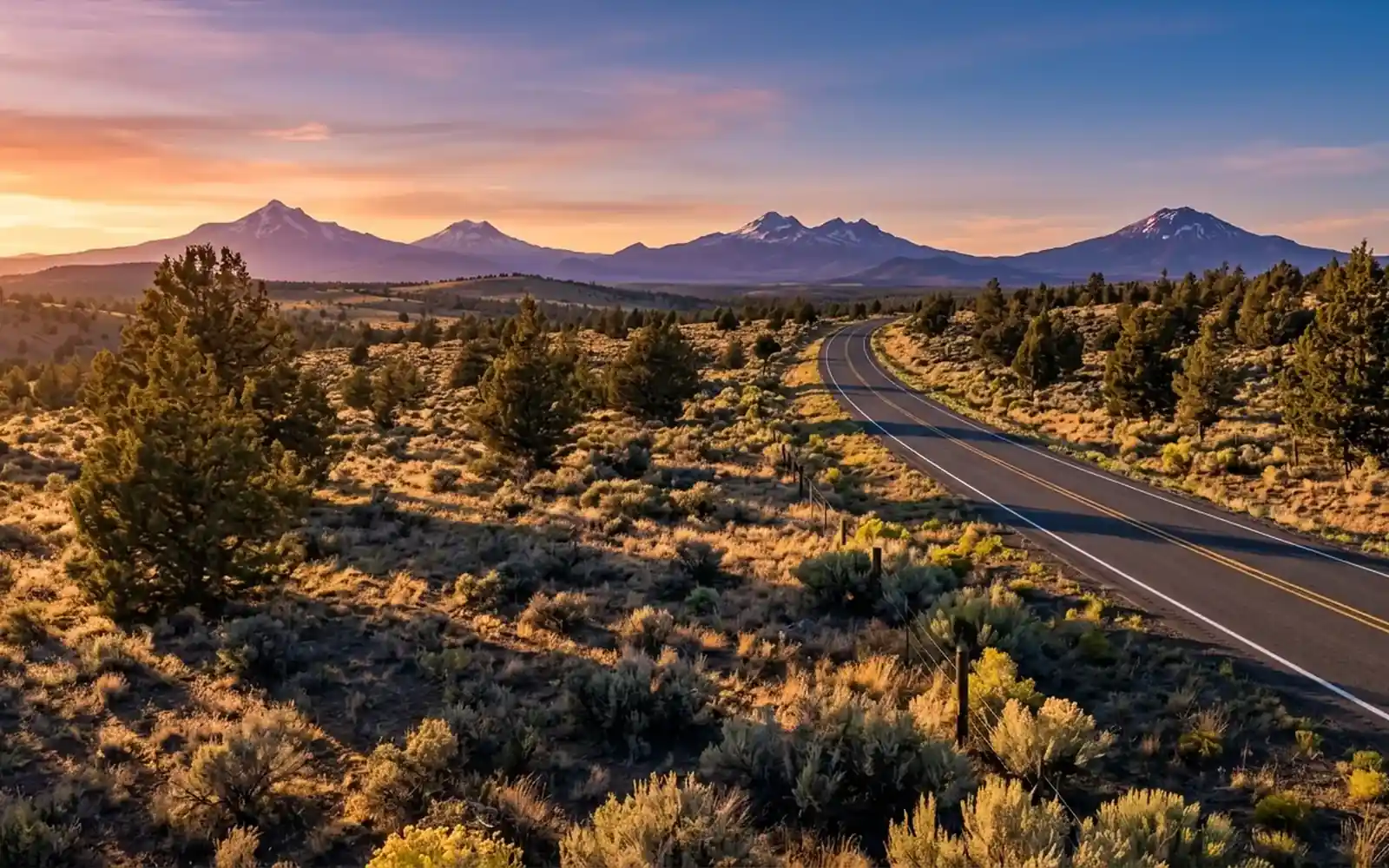
Back near Bend, the Three Sisters Wilderness is the high country crown of the Cascades, three volcanic peaks over 10,000 feet ringed by alpine lakes, meadows, and lava flows. The Cascade Lakes Scenic Byway west of Bend is a gorgeous half day drive past Sparks Lake, Devils Lake, and Elk Lake with the peaks reflected in the water. If you have backpacking time to spare, this is where to spend it. Our Three Sisters Wilderness backpacking itinerary maps a multi day loop through the range.
5. The Highway 101 coast
Close the loop by dropping west to the Pacific and following Highway 101 north back toward Portland. The Oregon coast is a nonstop parade of sea stacks, headlands, and empty beaches: Bandon and Coos Bay in the south, the towering dunes of the Oregon Dunes National Recreation Area, the tide pools and lighthouses around Newport, and the iconic Haystack Rock at Cannon Beach near the northern end. Cap it at Ecola State Park and Astoria where the Columbia meets the sea. The Oregon Coast Trail itinerary breaks the best coastal walking into a five day plan.
San Francisco to Oregon road trip: the coastal approach
A San Francisco to Oregon road trip is the most scenic way to reach the state, trading the interstate for the wild Northern California and southern Oregon coast. Cross the Golden Gate Bridge and follow Highway 101 north. The whole coastal run to northern Oregon is roughly 600 miles, so give it at least 4 to 5 days.
Northern California redwoods
The first great stop north of the Bay is redwood country. The Avenue of the Giants near Humboldt winds for 31 miles through the tallest trees on Earth, and farther north Redwood National and State Parks protect groves like Tall Trees and the Lady Bird Johnson Grove, plus the elk meadows of Prairie Creek. Walk at least one grove trail, stand at the base of a 300 foot tree, and you will understand why this stretch is worth the extra days on a San Francisco to Oregon road trip.
Crossing into southern Oregon: Brookings, Gold Beach, and Bandon
Cross the state line near Brookings, where the Samuel H. Boardman State Scenic Corridor strings together the most dramatic sea stacks and hidden coves on the entire West Coast, Natural Bridges and Secret Beach among them. Keep north through Gold Beach at the mouth of the Rogue River, then Bandon, famous for its beach of standing rocks and the offshore Face Rock. This southern Oregon coast is quieter than the northern beaches and often skipped by loop travelers, which is exactly why the San Francisco approach is so rewarding.
Joining the classic loop
From the central Oregon coast you have two good options. Cut inland from Bandon or Coos Bay on Highway 42 or Highway 138 to reach Crater Lake and Bend and pick up the classic loop, or stay on Highway 101 all the way north through the Oregon Dunes, Newport, and Cannon Beach to finish near Astoria and Portland. Either way, a San Francisco to Oregon road trip folds neatly into the main itinerary above.
How many days do you need?
- 7 days: A tight classic loop from Portland, the Columbia River Gorge, Bend and Smith Rock, Crater Lake, and a taste of the coast, with short drives and a few key hikes.
- 10 days: The full loop at a relaxed pace, with the whole Highway 101 coast and a day in the Three Sisters or Cascade Lakes country.
- 12 to 14 days: A San Francisco to Oregon road trip that starts with the redwoods and the southern Oregon coast, then joins the classic loop for Crater Lake, Bend, and the northern beaches.
Best time to go
Late June through September is the best time for a full Oregon road trip itinerary, because the Crater Lake Rim Drive and the high Cascade trails around the Three Sisters are usually snow free and the coast is at its driest. July and August bring the most reliable mountain weather and the biggest crowds. September into early October is the sweet spot, with warm high desert days around Bend and Smith Rock, clear coastal skies, and thinner crowds. Spring and fall are lovely for the coast and the Columbia River Gorge waterfalls, but snow closes the Crater Lake rim and the higher Cascade passes outside of summer, so save the mountains for the warm months.
Plan your Oregon road trip
Ready to turn this hub into a day by day plan? Start with our Crater Lake rim trail itinerary for the centerpiece of the loop, add a Smith Rock weekend for the high desert, and follow the Oregon Coast Trail itinerary for the Highway 101 beaches. If you want to trade nights in town for nights under the peaks, the Three Sisters Wilderness backpacking itinerary shows you how to link the alpine lakes and volcanoes into a real backcountry loop.
Oregon Road Trip Itinerary: The Classic Loop Plus San Francisco to Oregon FAQs
Plan on 7 to 10 days for a satisfying Oregon road trip itinerary. A tight 7 day loop can link the Columbia River Gorge waterfalls, Bend and Smith Rock, Crater Lake, and a stretch of the Highway 101 coast if you keep drives short and pick a handful of hikes. With 10 to 14 days you can slow down, add the full Oregon coast from Astoria to Brookings, and work in a night or two of backpacking in the Three Sisters Wilderness. If you are starting a San Francisco to Oregon road trip, add 2 to 3 days for the Northern California redwoods and the drive up the southern Oregon coast.
The classic Oregon road trip itinerary is a loop out of Portland: start with the Columbia River Gorge and its waterfalls, cross the Cascades to Bend and Smith Rock, drop south to Crater Lake, then swing west to the coast and follow Highway 101 north back toward Portland. That single loop covers the state's headline scenery, high desert, alpine lakes, volcanic peaks, and the ocean, in about a week. If you want more coast, run the whole of Highway 101, and if you want more mountains, add the Three Sisters and the Cascade Lakes country west of Bend.
For a San Francisco to Oregon road trip, cross the Golden Gate Bridge and follow Highway 101 north up the Northern California coast. Break the drive with the redwoods in Redwood National and State Parks and along the Avenue of the Giants, cross into Oregon near Brookings, and keep climbing the coast through Gold Beach, Bandon, and the Oregon Dunes toward Florence and Newport. From the central coast you can cut inland to Crater Lake and Bend, or stay on Highway 101 all the way to Cannon Beach and Astoria. The whole coastal drive from San Francisco to northern Oregon is roughly 600 miles, so give it at least 4 to 5 days to do it justice.
Late June through September is the best window for a full Oregon road trip itinerary, because the Crater Lake rim road and the high Cascade trails are usually snow free and the coast is at its driest and warmest. July and August are peak season with the most reliable mountain weather but also the biggest crowds at Crater Lake and along Highway 101. September into early October is a sweet spot: thinner crowds, warm high desert days around Bend and Smith Rock, and clear coastal skies. Spring and fall work well for the coast and the Columbia River Gorge waterfalls, but expect snow to close the Crater Lake rim and the higher Cascade passes outside of summer.
Drive the Oregon coast from north to south if you want the pullouts and viewpoints on your side of the road, since they mostly sit on the ocean side heading south. That means starting near Astoria and Cannon Beach and working down through Newport, the Oregon Dunes, Bandon, and Brookings. If you are doing a San Francisco to Oregon road trip, you will naturally drive south to north up Highway 101, which still delivers the same beaches and headlands, just with a few more left turns to reach the overlooks. Either direction is spectacular.
Yes, and it is one of the best parts of an Oregon road trip itinerary. Crater Lake sits in the southern Cascades, about a 2.5 hour drive inland from the coast near Bandon or Coos Bay. A common plan is to follow Highway 101 down the coast, cut east on Highway 42 or Highway 138 to Crater Lake for a day on the rim, then continue to Bend and Smith Rock in the high desert before looping back north. Just remember the Crater Lake rim road is only fully open in summer and early fall.
Yes. The worked day-by-day plan is Crater Lake Rim Trail: A 2-Day Hiking Itinerary (2 Days), with the permits, the stays and the drive times already sorted. Tell us your dates and we will put it together for you and confirm what is genuinely open on those days. Asking is free: no card, no deposit, and nothing is held until you say yes.