If you are searching for Oregon coast hot springs, here is the honest answer up front: there are no famous natural soaking springs sitting right on the beach. The good news is that some of the best hot springs in the country are only a scenic drive inland, in the Cascade foothills that feed the coastal rivers, and they pair beautifully with a coast trip. This guide covers the real hot springs Oregon coast travelers can actually reach, how far each one is from the shoreline, and the etiquette and safety that keep these fragile places open.
Why the hot springs are inland, not on the coast
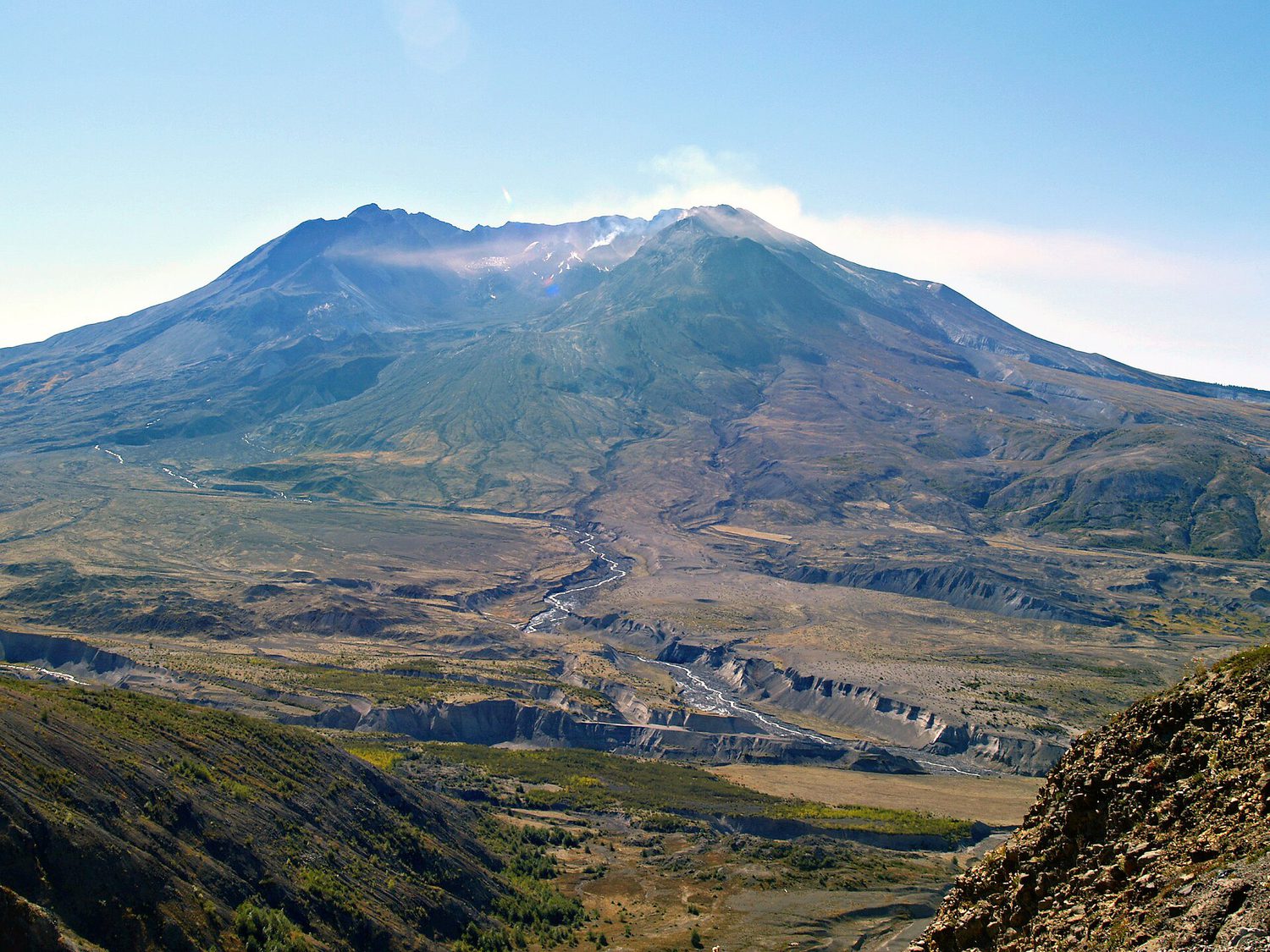
Geothermal hot springs form where groundwater is heated by volcanic rock deep underground, then rises through faults. On the Oregon coast, that geology lives to the east, along the Cascade volcanic arc, not out at the water's edge. So while you will not find a steaming pool overlooking the surf, you are usually only a two to three hour drive from a genuine soak. Think of it as a detour, not a dealbreaker: hike a headland in the morning, drive inland, and finish the day in hot water under the stars.
Umpqua Hot Springs: the closest classic soak
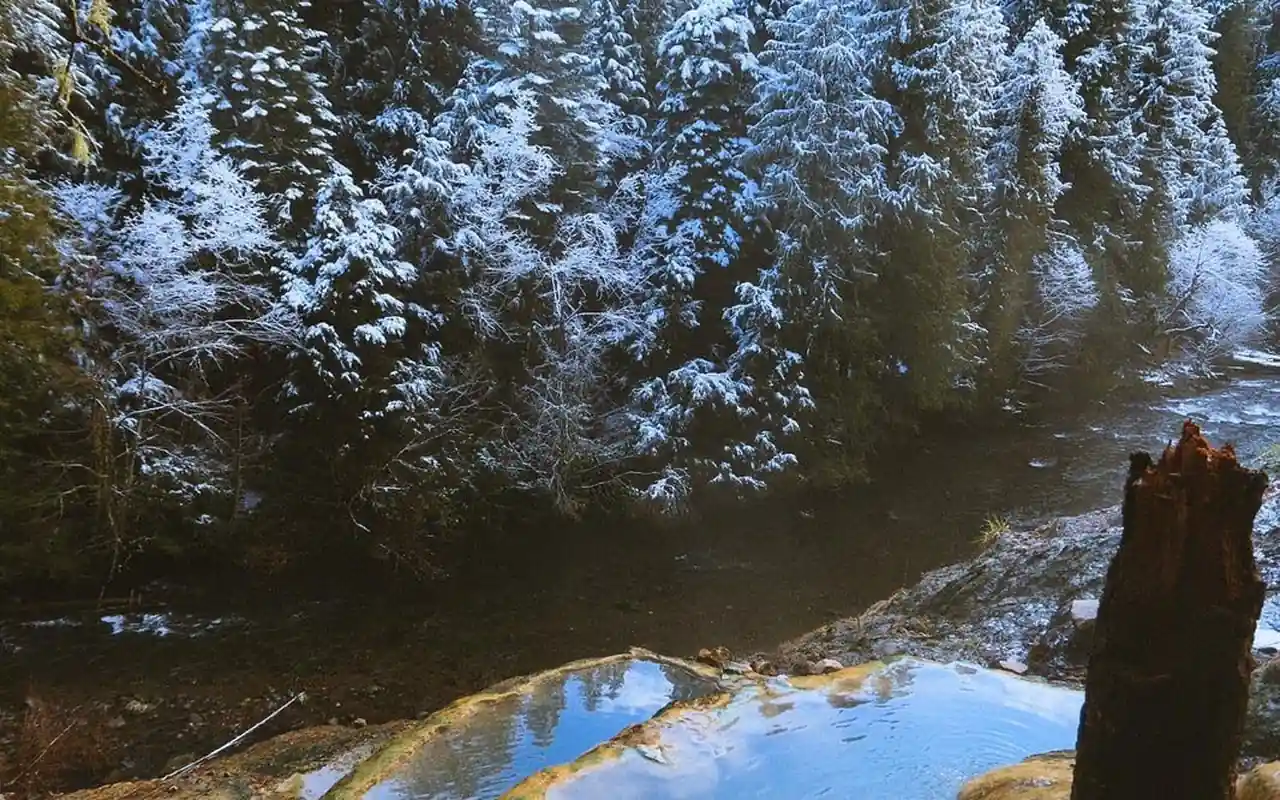
Umpqua Hot Springs is the one most coast travelers aim for. It sits along the North Umpqua River in the Umpqua National Forest, roughly a two and a half hour drive inland from the Reedsport and Winchester Bay stretch of coast, following Highway 138 up past Toketee Falls. A series of terraced mineral pools perch on a bluff above the river, ranging from very hot at the top to cooler as you move down. A short but steep quarter-mile trail climbs from the parking area, and a Northwest Forest Pass or day-use fee is required. Go on a weekday morning if you can: the pools are small and popular, and the upper tub can hit temperatures above 100 degrees. There is no roof over the natural pools, though a rustic shelter covers the topmost one.
Other Cascade soaks within reach of the coast
- Cougar (Terwilliger) Hot Springs near the McKenzie River, east of Eugene. A gorgeous set of forest pools reached by a short walk, about three hours from the central coast. A day-use fee applies and the site limits daily visitors.
- Bagby Hot Springs in the Mount Hood National Forest, southeast of Portland. Hand-hewn cedar tubs fed by piped spring water, reached by a 1.5-mile forest trail. Closer to the north coast as a two-stop road trip than as a day trip.
- Belknap and Breitenbush. These are developed resorts rather than wild soaks, with reservations, changing rooms, and set hours. Belknap sits on the McKenzie; Breitenbush is a longtime retreat center. Both are good options if you want comfort and certainty over a rugged natural pool.
Note that some coastal towns advertise spa soaking tubs or seawater bathhouses. Those are worth a visit for a warm end to a hike, but they are heated commercial tubs, not geothermal springs, so set expectations accordingly.
How to combine the coast and a springs detour
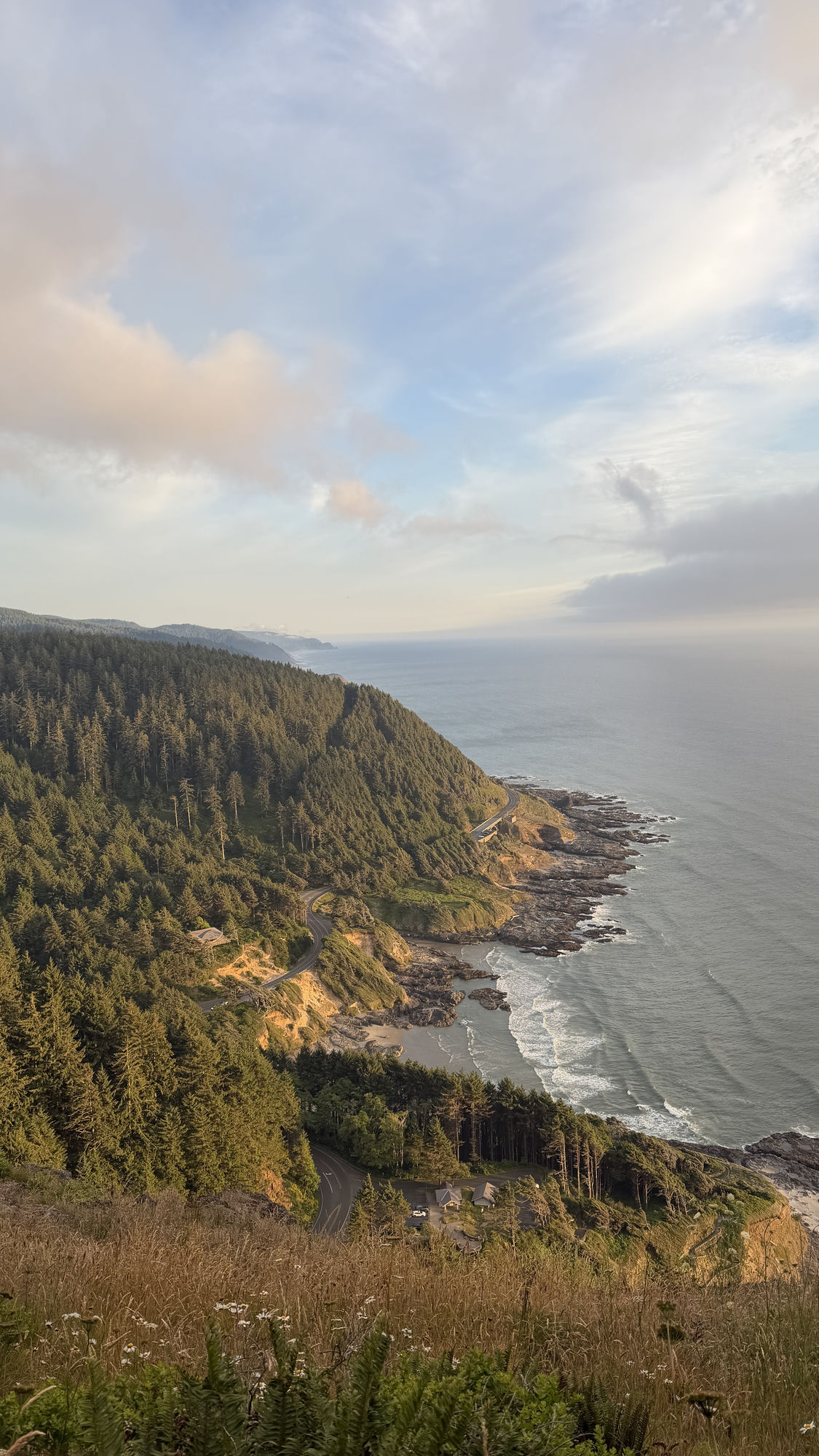
The cleanest way to fold a soak into a coastal trip is to treat the springs as an inland pivot point. A common loop: drive the coast north to south, then cut inland from Reedsport up the North Umpqua to Umpqua Hot Springs and Toketee Falls, and continue east toward Crater Lake or back to Interstate 5. That single detour links a beach day, a waterfall, and a hot spring within about a hundred miles. If you are planning a longer West Coast trip, our the 14-day West Coast Road Trip itinerary already routes past the North Umpqua corridor, so adding an Umpqua soak is mostly a matter of timing your afternoon.
When to go and what to expect from the water
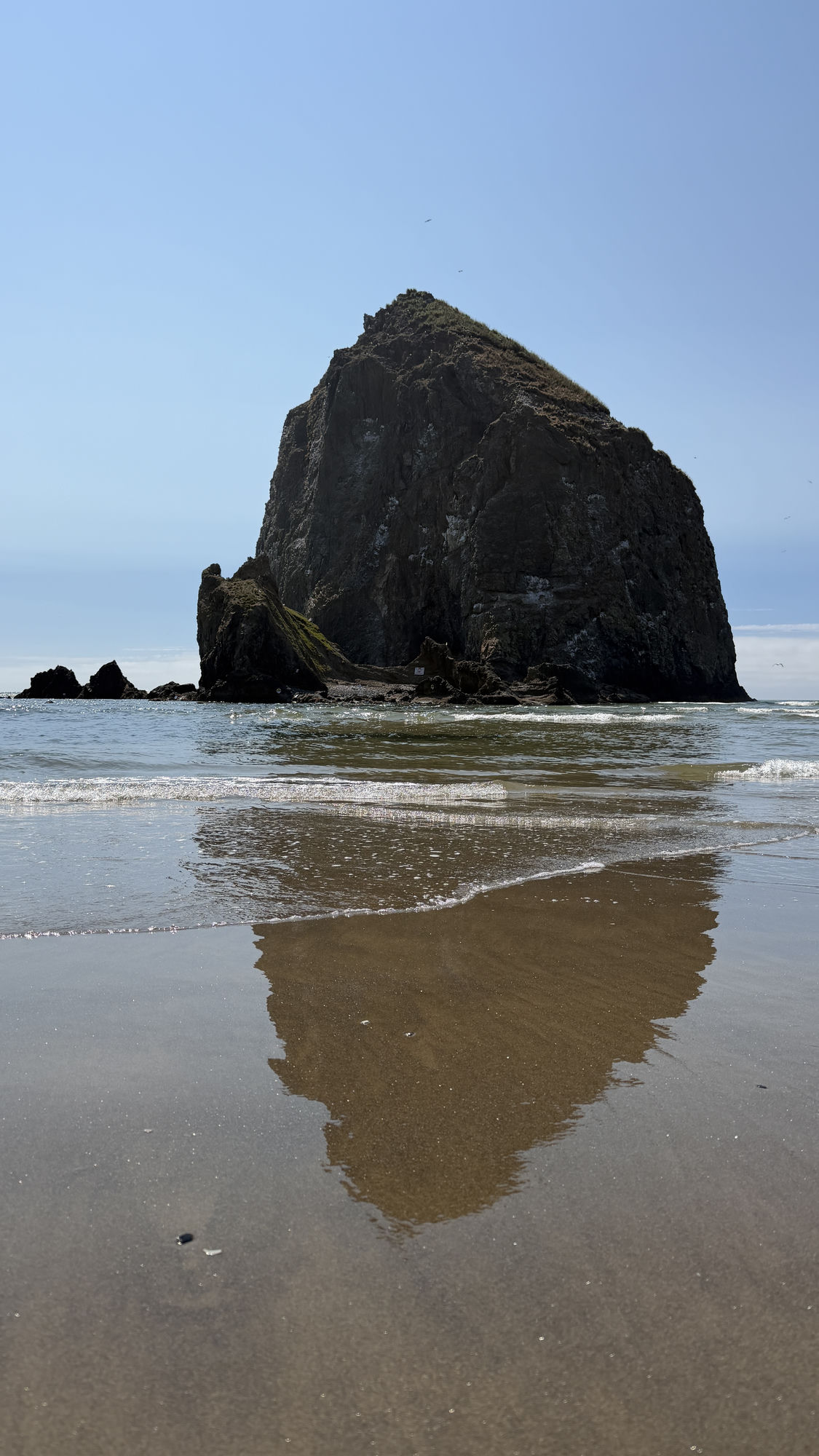
Shoulder seasons are the sweet spot for a springs detour. Late spring and early fall bring smaller crowds, comfortable driving weather, and enough daylight to hike the coast in the morning and still reach the mountains before dark. Summer weekends at popular spots like Umpqua and Cougar fill early, so plan a weekday or an early start if you can. Winter soaking is magical when snow rings the pools, but the forest roads leading in can ice over or close, so always check conditions first.
The water itself varies pool to pool. At Umpqua Hot Springs, the uppermost tub is the hottest, often above 100 degrees, and each terrace below runs a little cooler as it mixes with air and river spray, so you can pick a temperature that suits you. Mineral content gives many Cascade springs a faint sulfur smell and a smooth, slightly slick feel on the skin; that is normal and harmless. Because these are natural pools rather than chlorinated tubs, clarity changes with use and weather. The reward for the short, sometimes muddy walk in is a soak that feels earned, with river sound below and forest all around.
Hot springs etiquette
Natural hot springs stay open only because visitors treat them well. A few rules that apply everywhere:
- Pack out everything, including bottle caps and food scraps. Glass is banned at most sites for good reason.
- No soap, shampoo, or lotions in the pools. They poison the delicate mineral ecosystems and cloud the water for everyone.
- Respect the vibe. Some springs, including Cougar and Umpqua, are clothing-optional. Keep voices low, keep phones away from others, and do not photograph strangers.
- Share the space. Pools are small. Rotate, do not camp in the hottest tub for hours, and yield to people waiting.
Safety before you soak
Hot water carries real risks that are easy to underestimate. Test temperature before you get in, since upper pools can scald. Limit soaks to 15 or 20 minutes at a time and hydrate, because heat plus dehydration leads to dizziness fast. Never soak alone at a remote spring, and skip alcohol, which amplifies overheating. A rare but serious concern is Naegleria fowleri, an amoeba found in some warm freshwater; the practical precaution is simple, keep your head above water and do not let hot spring water go up your nose. Finally, check current conditions before driving out, as forest fires, road closures, and washed-out access roads can shut these places down seasonally.
Oregon Coast Hot Springs: Where to Soak Near the Coast FAQs
No. There are no natural geothermal hot springs on the Oregon coastline itself, because the geology that creates them sits inland along the Cascade volcanic arc. The nearest true soaks, like Umpqua Hot Springs, are a two to three hour drive inland but easy to pair with a coast trip.
Umpqua Hot Springs, along the North Umpqua River, is the most popular option for coast travelers. It is roughly a two and a half hour drive inland from the Reedsport area via Highway 138, passing Toketee Falls on the way up.
Most natural springs on national forest land, including Umpqua and Cougar, require a Northwest Forest Pass or a day-use fee. Some, like Cougar Hot Springs, also cap the number of daily visitors. Developed resorts such as Breitenbush and Belknap require paid reservations.
Yes, Umpqua Hot Springs is clothing-optional, as are several other natural Cascade springs. If that is not your preference, developed options like Belknap Hot Springs Resort have swimsuit-required pools and changing facilities.
They are safe with basic precautions. Test the water temperature before entering, limit soaks to short sessions, stay hydrated, avoid alcohol, and keep your head above water to reduce the small risk of waterborne amoeba. Do not soak alone at remote sites and check road and fire conditions before driving out.
Yes. The worked day-by-day plan is West Coast Road Trip: The Ultimate 14-Day Pacific Coast Itinerary (14 Days), with the permits, the stays and the drive times already sorted. Tell us your dates and we will put it together for you and confirm what is genuinely open on those days. Asking is free: no card, no deposit, and nothing is held until you say yes.