Why the South Rim Shines in December
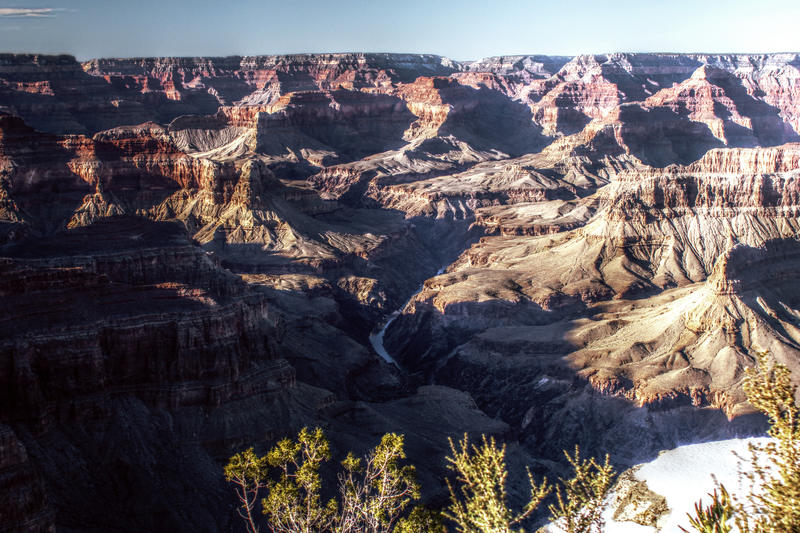
Summer turns the Grand Canyon into a crowded, baking corridor of tour buses. December does the opposite. The South Rim stays open all year, the crowds thin dramatically, and a dusting of snow on the red rock layers creates a contrast you simply cannot get in July. Daytime temperatures on the rim typically run in the 40s Fahrenheit with overnight lows below freezing, but the dry desert air and big blue skies make it feel invigorating rather than miserable. It is one of the headliners in our guide to the best national parks to visit in December, and for good reason.
Getting There and Where to Stay
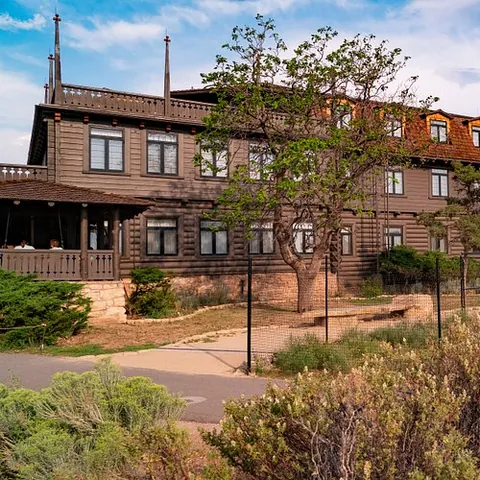
The South Rim sits at about 7,000 feet near the gateway town of Tusayan, just south of the entrance, with the historic Grand Canyon Village on the rim itself. The main approach from Interstate 40 is via Williams or Flagstaff on Highway 64. Roads are plowed and generally accessible, but carry chains and check conditions after a storm. Lodging options in winter include El Tovar, Bright Angel Lodge, and Maswik Lodge inside the park, all far easier to book than in peak season.
The Rim Trail: The Best Winter Walk
The paved and partly natural Rim Trail stretches roughly 13 miles from South Kaibab Trailhead west to Hermits Rest. You do not need to hike all of it. Pick a stretch:
- Mather Point to Yavapai Point: the classic first views and the Geology Museum
- Grand Canyon Village to Powell Point: historic buildings and wide canyon panoramas
- Hermit Road viewpoints: ride the free shuttle, walk between stops
Sections can be icy, so traction cleats over your boots are a smart, lightweight addition.
Hiking Below the Rim: Bright Angel and South Kaibab
You can still descend into the canyon in winter, but go in prepared. The upper switchbacks of the Bright Angel Trail and South Kaibab Trail are often snowy and slick, while conditions warm as you drop in elevation. Good winter day-hike turnaround points are the 1.5-Mile Resthouse or Three-Mile Resthouse on Bright Angel, or Ooh Aah Point on South Kaibab. Microspikes are essential for the top mile. Remember the canyon's golden rule: going down is optional, coming back up is mandatory, and it always takes longer.
Sunrise, Sunset, and Stargazing
Winter light is the South Rim's secret weapon. The low sun angle keeps the canyon glowing for longer stretches around dawn and dusk. Reliable spots include Mather Point and Yaki Point for sunrise and Hopi Point for sunset. With long December nights and a designated Dark Sky Park status, the stargazing is excellent. Dress in heavy layers because temperatures plummet the moment the sun drops.
What to Pack for a Winter Rim Trip
The rim's elevation makes it genuinely cold, so plan accordingly:
- Layers: base layer, insulating mid-layer, and a windproof shell
- Traction: microspikes or cleats for icy trails and viewpoints
- Warm extras: hat, gloves, and a thermos of something hot
- Sun protection: the high-altitude sun is strong even when it is cold
A Suggested Two-Day Plan
Day one: arrive, walk the Rim Trail from Mather Point through the Village, catch sunset at Hopi Point. Day two: hike down to a resthouse on Bright Angel in the morning, then ride the Hermit Road shuttle for the western viewpoints in the afternoon. Pair the South Rim with the warm low desert of Arizona or southern Utah's hoodoos to build a varied December parks loop that swings from snow to sun.
Visiting Grand Canyon South Rim in Winter: A December Guide FAQs
Yes. The South Rim is open year-round, including all December and the holidays. Lodging, shuttles, and most viewpoints remain accessible, though some services run reduced winter hours.
Yes. The South Rim sits near 7,000 feet and regularly receives snow from December through March. Roads are plowed, but trails can be icy, so microspikes or traction cleats are strongly recommended.
You can. Bright Angel and South Kaibab trails are open, but the top sections are often icy and require traction. Good winter turnaround points are the 1.5-Mile Resthouse or Ooh Aah Point.