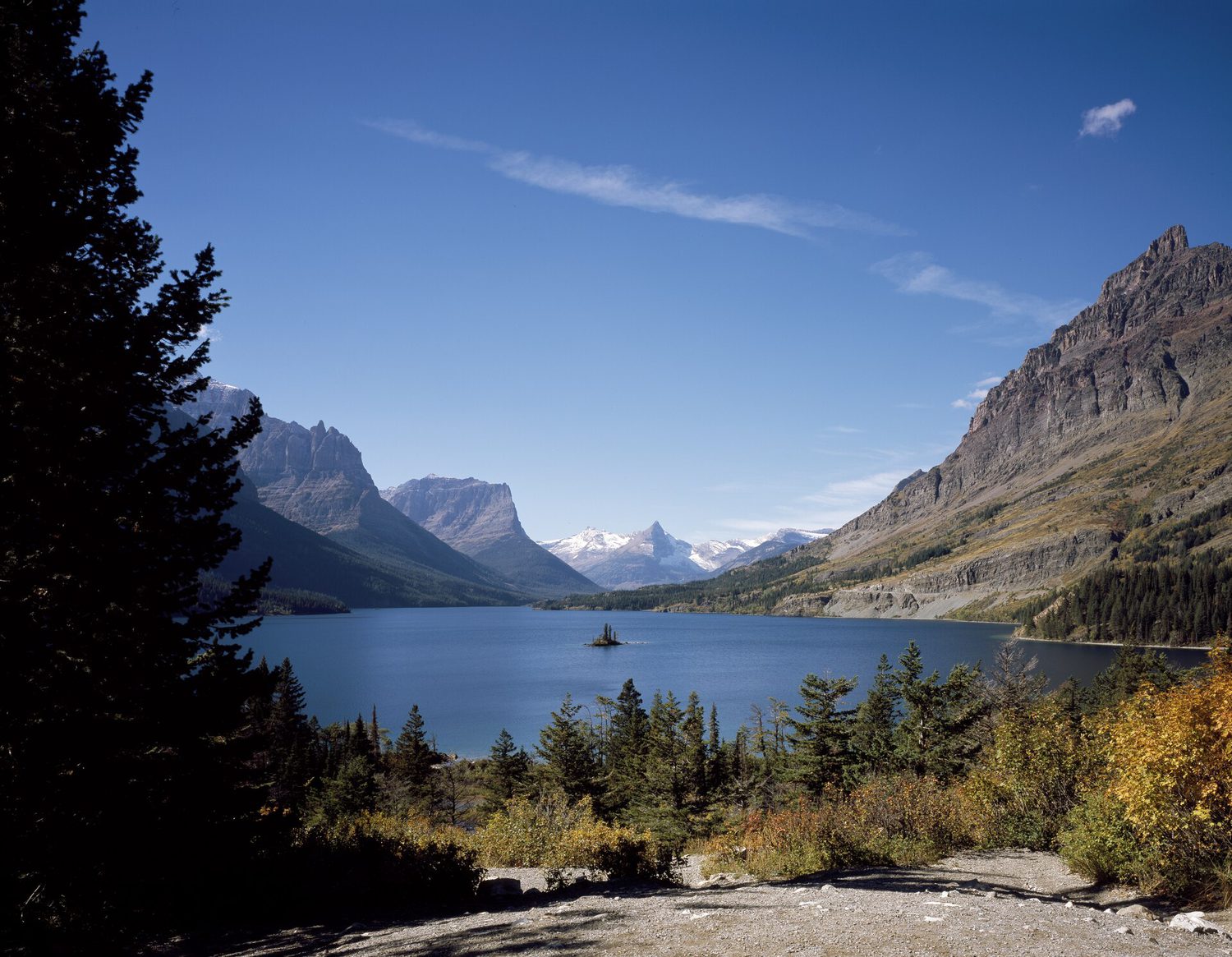
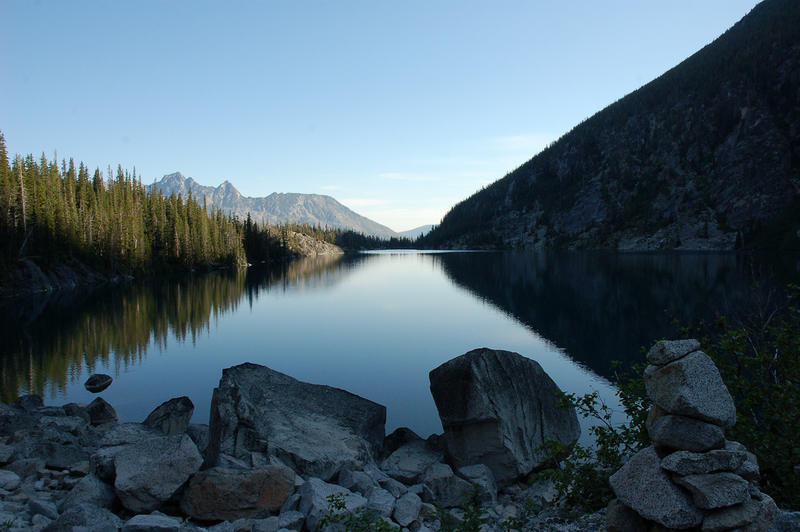
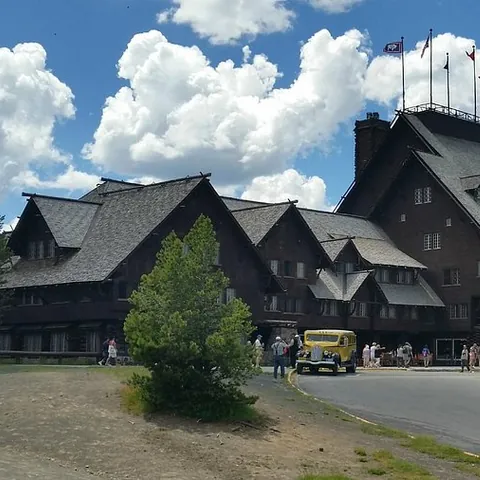
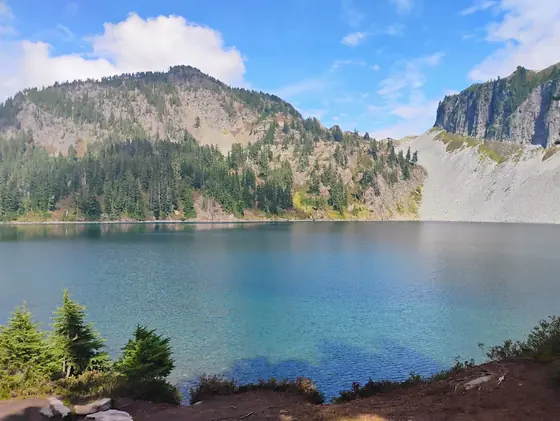
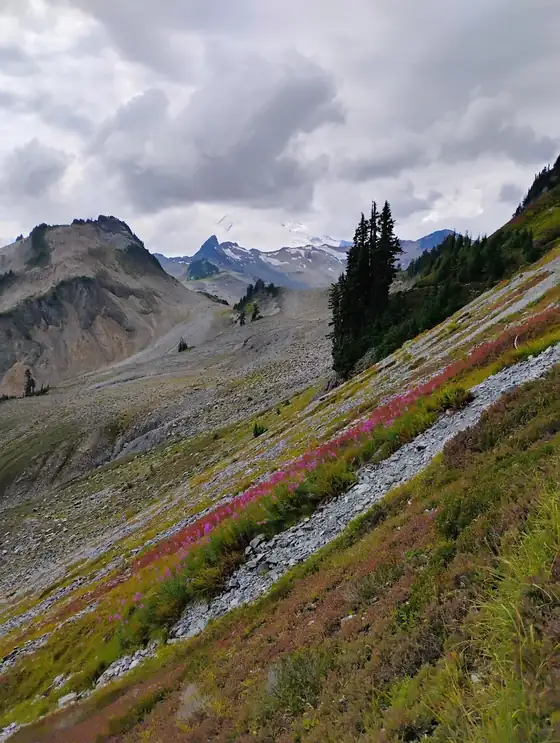
For Glacier National Park vs Yellowstone: choose Glacier if you want dramatic alpine hiking, turquoise lakes and the Going-to-the-Sun Road; choose Yellowstone if you want geysers, Old Faithful and the best big-wildlife viewing in the Lower 48. Glacier has a short summer season; Yellowstone runs spring through fall. They sit roughly 6-8 hours apart and combine well.
Glacier vs Yellowstone at a glance
The two parks scratch completely different itches. Glacier is compact, vertical and aquatic-blue; Yellowstone is enormous, geothermal and full of animals. The honest breakdown:
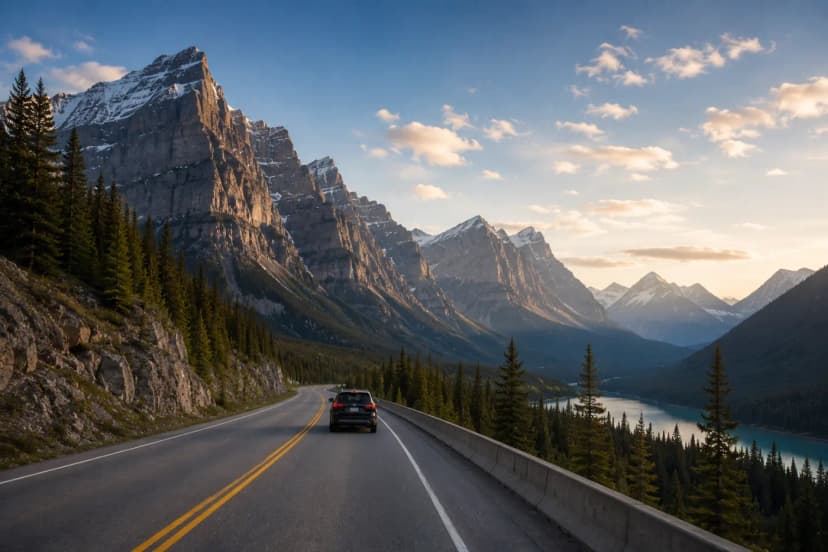
- Glacier: Alpine peaks, glacier-fed lakes, the cliff-hugging Going-to-the-Sun Road, world-class day hiking. No geysers. Short season (roughly mid-June to mid-September for the high country). About 1 million acres.
- Yellowstone: Geysers and hot springs (Old Faithful, Grand Prismatic), bison, elk, wolves and grizzlies, the Grand Canyon of the Yellowstone. Less dramatic hiking but far more to see by car. Open spring through fall, with limited winter access. About 2.2 million acres.
- Drive between them: roughly 6-8 hours / 370-470 miles, depending on which entrances you use.
- Fees (2026): $35 per private vehicle, 7-day pass, at both parks.
Which park is better for hiking?
Glacier, no contest. It's one of the best day-hiking parks in the country, and the trailheads sit right off the Going-to-the-Sun Road. Standout routes:
- Highline Trail from Logan Pass: about 11.6 miles one-way to "the Loop" (most people shuttle back), with modest net elevation but a famous narrow ledge section in the first mile. Big-sky alpine the whole way.
- Hidden Lake Overlook: about 2.7 miles round trip from Logan Pass, ~540 ft gain. Mountain goats almost guaranteed.
- Avalanche Lake: about 4.5-5.9 miles round trip depending on where you start, ~730 ft gain, through old-growth cedar. The best moderate hike in the park.
- Grinnell Glacier (Many Glacier): about 10.6 miles round trip, ~1,600 ft gain, to a milky glacial lake. A boat shuttle across Swiftcurrent Lake and Lake Josephine trims it to roughly 7.2 miles. Worth the drive to the east side.
Yellowstone has good trails too, but you mostly go there to see things rather than to climb. Solid options: Mystic Falls (~2.4 miles), the Fairy Falls / Grand Prismatic Overlook (~1.6 miles round trip to the overlook), and Mount Washburn (~5-6 miles round trip, ~1,400 ft gain) for the best summit view in the park. If hiking is the whole point of your trip, pick Glacier.
Which is better for wildlife and geysers?
Yellowstone, easily. It sits on a supervolcano and holds roughly half the world's geysers, plus famous hot springs. Old Faithful erupts about every 90 minutes on average (anywhere from ~50 to 120+ minutes), and Grand Prismatic Spring is the most photographed thermal feature in the U.S. Glacier has no geothermal features at all.
For wildlife, Yellowstone is the best megafauna viewing in the Lower 48: bison herds, elk, grizzlies, and wolves (drive the Lamar Valley at dawn). Glacier does have grizzlies, bighorn sheep, mountain goats and moose, and the Many Glacier area is excellent, but you won't see open-valley herds the way you will in Yellowstone.
Glacier vs Yellowstone: season and crowds
This is the single biggest deciding factor, and the one most people get wrong. Glacier's signature road, Going-to-the-Sunonly fully opens once plows clear Logan Pass, which is typically mid-to-late June (it opened June 16 in 2025 and is set to open June 22 in 2026). It closes with the first heavy snows, usually mid-to-late October, sometimes earlier. So Glacier's prime window is really July through mid-September. Show up in early June and the high country is still buried.
Yellowstone has a much longer season. Most roads are open from late April through early Novemberwith reduced winter access by snowcoach and snowmobile. If you're traveling in May, late September or October, Yellowstone is the safer bet because Glacier's best terrain may be closed or snowed in.
Both parks are busiest in July and August. For 2026, Glacier dropped its vehicle reservation/timed-entry systemyou no longer need a reservation to drive Going-to-the-Sun Road. A new ticketed Logan Pass shuttle launches, and a 3-hour parking limit at Logan Pass begins July 1. Yellowstone has never required timed entry; you just show up with your pass.
How far apart are Glacier and Yellowstone?
About 370-470 milesor 6 to 8 hours of driving, depending on your route and entrances. The usual path is I-90 east to Bozeman, then south via US-191 or US-89 to Yellowstone's North/West entrances. From West Glacier, plan on around 7 hours to West Yellowstone with no stops, realistically a full travel day with food and gas.
Good middle-stops that break up the drive: Missoula, or the Bozeman/Big Sky corridor. Many people also string in Grand Teton National Parkwhich sits directly south of Yellowstone (the entrances are only a few miles apart) and pairs naturally with it.
Can you do Glacier and Yellowstone in one trip?
Yes, and it's a fantastic Montana-Wyoming road trip, but give it time. Because they're 6-8 hours apart and each deserves real attention, budget a minimum of 7-8 days for both. A suggested split:
- Days 1-3: Glacier, drive Going-to-the-Sun Road, hike Avalanche Lake and Hidden Lake, spend a day at Many Glacier.
- Day 4: Travel day to Yellowstone (consider an overnight in Bozeman or West Yellowstone).
- Days 5-7: Yellowstone, Upper Geyser Basin and Old Faithful, Grand Prismatic, the Grand Canyon of the Yellowstone, and a dawn wildlife drive through Lamar or Hayden Valley.
- Optional Day 8: tack on Grand Teton just south.
Fly into Kalispell (FCA) for Glacier and out of Bozeman (BZN) or Jackson (JAC) for Yellowstone to avoid backtracking. A car is mandatory; there's no practical public transit between the parks.
So which should you pick?
If you're going once and love hiking, lakes and mountain scenery, and you can travel in July or August, pick Glacier. If you want geysers, guaranteed wildlife, family-friendly sights you can see from the car, or you're traveling in the shoulder season, pick Yellowstone. First-time visitors to the region who can swing the week often do both.
One practical tip: don't try to "add Glacier" as a day trip from Yellowstone, or vice versa. The distance kills it. Commit at least three nights to each, and respect Glacier's short season when you set your dates.
Glacier National Park vs Yellowstone: Which to Choose FAQs
Neither is objectively better, they're different. Glacier wins for alpine hiking, lakes and scenic driving on Going-to-the-Sun Road. Yellowstone wins for geysers, wildlife and a longer season. Pick Glacier for hiking, Yellowstone for geothermal features and animals.
About 370-470 miles, or roughly 6 to 8 hours of driving depending on route and entrances. West Glacier to West Yellowstone is around 7 hours with no stops, so plan a full travel day between them.
Yes. They make an excellent Montana-Wyoming road trip, but because they're 6-8 hours apart and each deserves real time, budget at least 7-8 days. Fly into Kalispell for Glacier and out of Bozeman for Yellowstone to avoid backtracking.
No. Glacier has no geothermal features at all, no geysers or hot springs. Those are unique to Yellowstone, which sits on a supervolcano and holds roughly half the world's geysers. Glacier's draw is alpine peaks, glacier-fed lakes and hiking.
Glacier's prime window is July through mid-September, because Going-to-the-Sun Road usually doesn't fully open until mid-to-late June (June 22 in 2026). Yellowstone has a longer season, roughly late April through early November, making it the better choice for spring and fall trips.
For 2026, Glacier dropped its vehicle timed-entry reservations, so you no longer need one to drive Going-to-the-Sun Road. A new ticketed Logan Pass shuttle launches and a 3-hour parking limit at Logan Pass begins July 1. Yellowstone has never required timed entry, just arrive with a valid $35 vehicle pass.