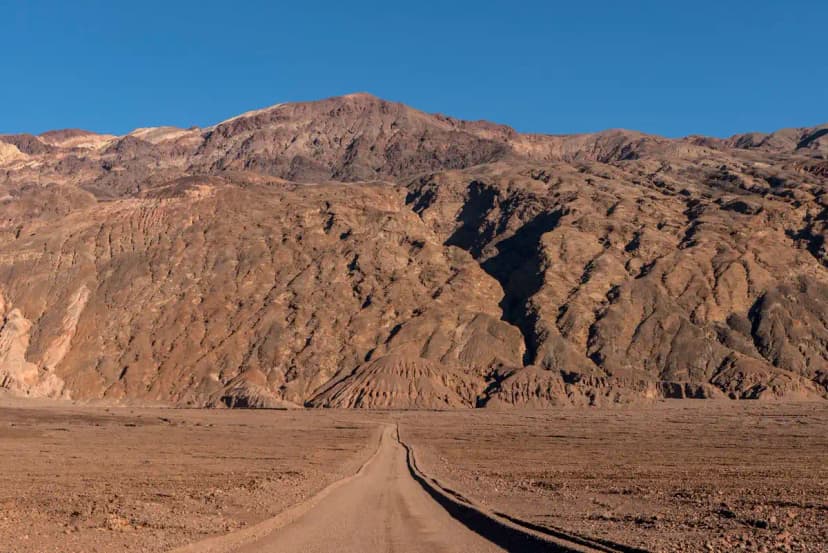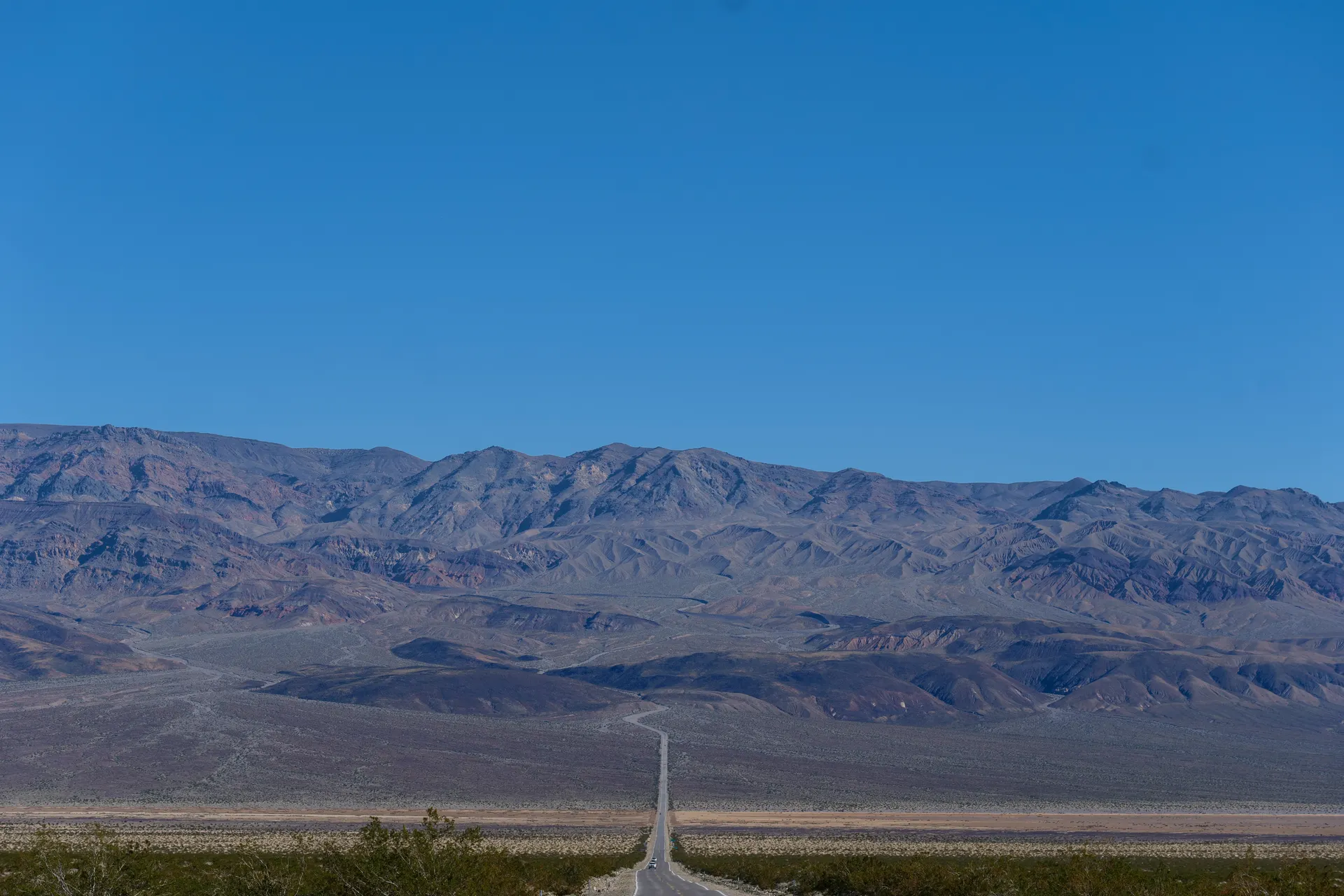
Camping is the best way to experience Death Valley, and winter is the best time to do it. Once the brutal summer heat fades, the park's nine campgrounds become genuinely pleasant places to spend the night under some of the darkest skies in the country. Death Valley is a certified International Dark Sky Park, and on a clear winter night the Milky Way arcs from horizon to horizon. This guide covers the best campgrounds for winter, how reservations work, and the gear that makes a cold desert night comfortable.
Furnace Creek Campground
Furnace Creek is the park's flagship campground and the only one that takes reservations in winter, which it does through Recreation.gov from mid-October through mid-April. It sits near sea level beside the visitor center, gas station, and general store, making it the most convenient base. Sites include some with water and electric hookups for RVs, and the campground has potable water and flush toilets. Because it is central to Badwater Basin, Golden Canyon, and Zabriskie Point, it pairs perfectly with our Death Valley winter hiking itinerary. Reserve early, as winter weekends fill months in advance.
Texas Springs and Sunset Campgrounds
Just above Furnace Creek, Texas Springs is a quieter, tent-friendly campground that bans generators, making it a favorite for hikers who want a peaceful night. It is first-come, first-served and open only in the cooler months. Nearby Sunset Campground is a large, flat gravel lot geared toward RVs and overflow, also first-come, first-served. Both put you within minutes of the main trailheads.
Stovepipe Wells and Mesquite Spring
Stovepipe Wells Campground sits near the Mesquite Flat Sand Dunes and the small village of the same name, which has a hotel, saloon, and gas. Farther north, Mesquite Spring near Scotty's Castle is one of the prettiest and least crowded campgrounds, set among desert shrubs at higher elevation. Both are good choices if you want to explore the northern half of the park.
Higher-Elevation and Free Camping
For cooler temperatures and pine trees, the Wildrose, Thorndike, and Mahogany Flat campgrounds climb toward Telescope Peak. These can be cold or snowed in during deep winter, so check road conditions first. Death Valley also allows free backcountry and roadside dispersed camping in many areas, provided you are at least one mile from any paved road, day-use area, or developed site. Always check the current rules at the visitor center, since restrictions change to protect sensitive areas.
What to Pack for a Winter Night
Desert nights get cold fast once the sun drops behind the mountains. Come prepared with the following:
- A cold-rated sleeping bag: overnight lows often dip into the 30s and 40s near Furnace Creek
- An insulated sleeping pad: the gravel ground pulls heat from your body
- Layers and a warm hat: dress for both 70F afternoons and near-freezing dawns
- Plenty of water: only some campgrounds have potable water, so carry your own supply
- A camp stove and fuel: wood gathering is prohibited and fires are restricted
Practical Tips Before You Go
Fill your gas tank and buy supplies before entering the park, since prices inside are high and stores are far apart. Cell service is almost nonexistent, so download offline maps and tell someone your plans. Pay the park entrance fee and any campground fee, store food securely to keep coyotes and kit foxes away, and pack out all trash. Plan your winter camping trip around the cool-weather window and Death Valley rewards you with quiet trails by day and unforgettable stars by night.
Death Valley Camping in Winter FAQs
Furnace Creek Campground accepts reservations through Recreation.gov from mid-October through mid-April. The other campgrounds, such as Texas Springs and Sunset, are first-come, first-served.
Yes. Death Valley permits free dispersed and backcountry camping in many areas, generally as long as you are at least one mile from any paved road or developed site. Confirm current rules at the visitor center.
Overnight lows near Furnace Creek often fall into the 30s and 40s, and higher campgrounds can be colder or snowed in. Bring a cold-rated sleeping bag and an insulated pad.