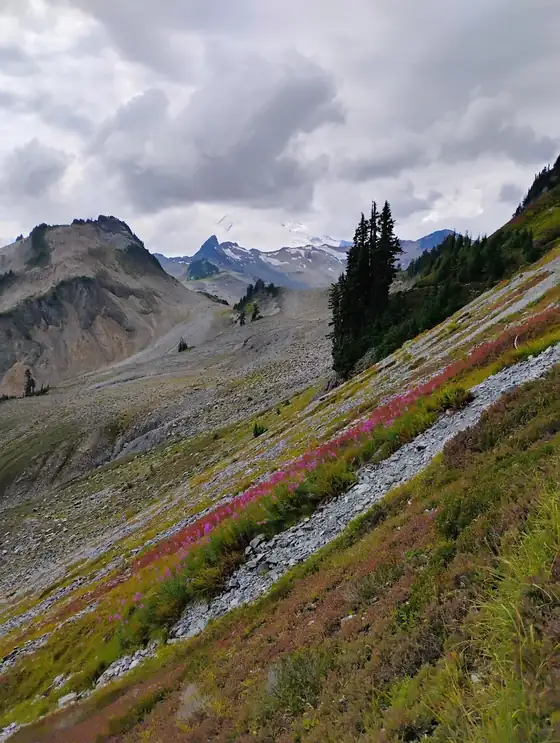
The Short Answer: Late July Through September

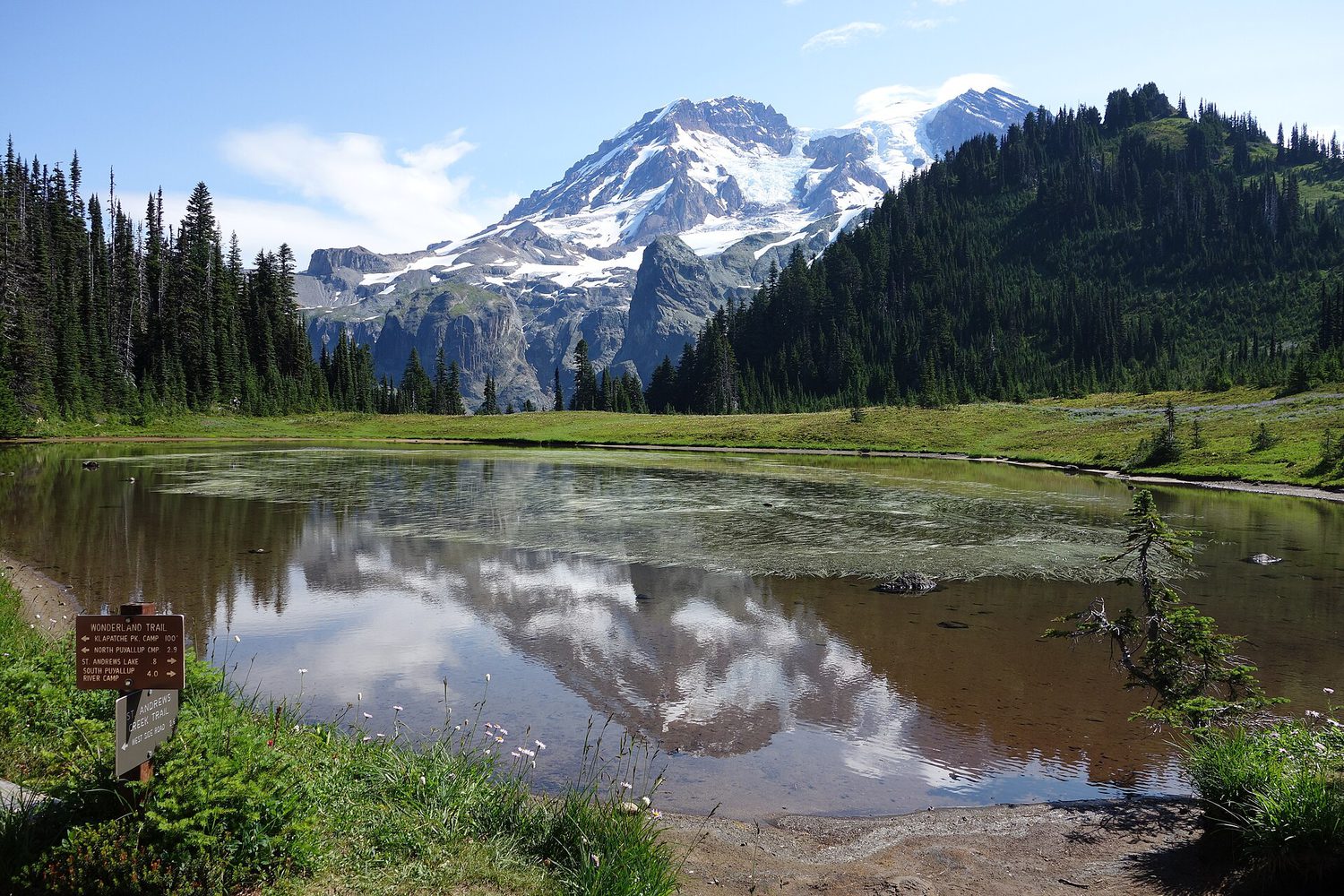
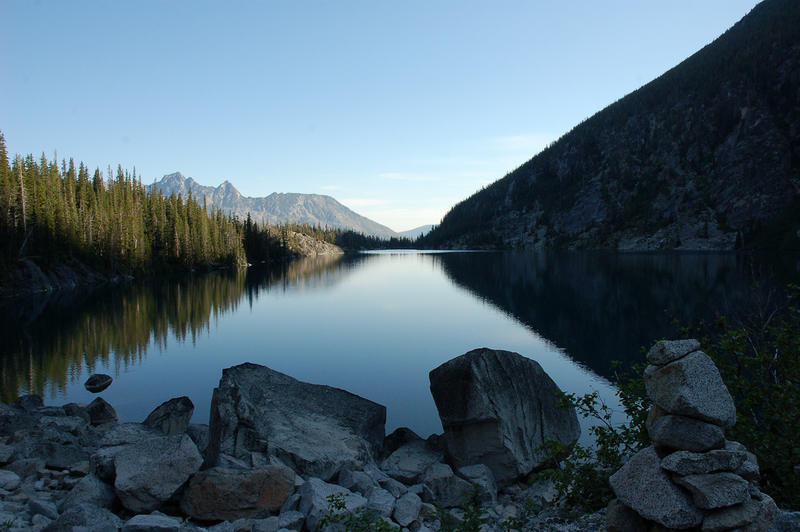
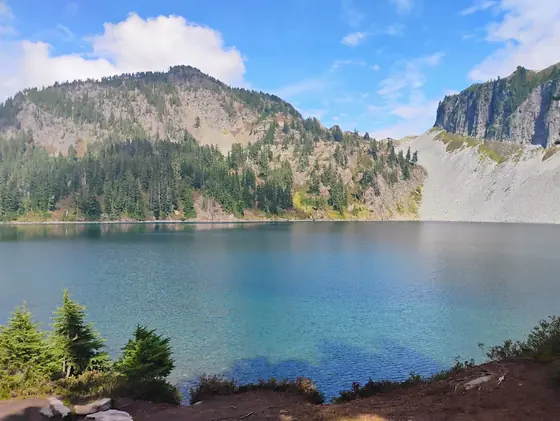
The best time to visit the Sawtooth Mountains for hiking is from late July through September, when the high lake basins are snow-free, the trails are dry, and the weather is mostly stable. If you want fewer crowds and crisp golden light, aim for September; if you want the longest days and full access to the alpine passes, target late July and August. This window is short because the Sawtooths are a high range in central Idaho, with peaks topping 10,000 feet and a winter that buries the trails for more than half the year.
That said, every season here has its own character. Here is how the year actually unfolds around Stanley and the Sawtooth National Recreation Area.
Spring (April to Early June): Mud, Snow, and Solitude
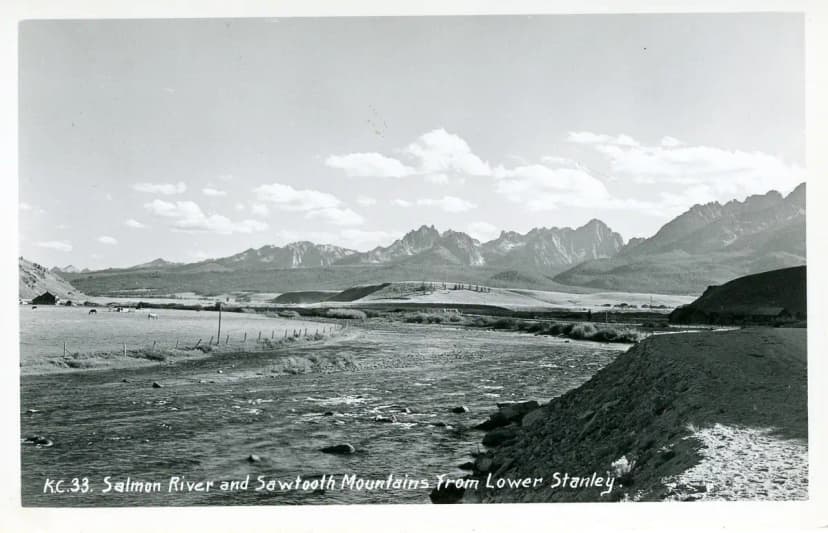
Spring is the trickiest time to plan a hike. The valley floor around Stanley and Redfish Lake greens up and the Salmon River runs high and fast with snowmelt, drawing rafters, but the mountains themselves are still locked in snow. Most trailheads above 7,000 feet remain snowbound or muddy into June, and high passes like Snowyside stay impassable far longer. Stick to low valley walks, river overlooks, and the Redfish Lake shoreline in spring, and expect cold nights well below freezing even in May.
Summer (Late June to August): Peak Hiking Season
By late June the lower lake trails open, and by mid-July the snow finally clears from the upper basins and passes in a normal year. This is when the Sawtooths shine:
- Wildflowers peak in the meadows from mid-July into early August, especially lupine, paintbrush, and arrowleaf balsamroot.
- Alpine lakes such as Sawtooth Lake, Alice Lake, and the Bench Lakes are fully accessible and warm enough for a brave swim.
- Long days give you light from before 6 a.m. to past 9 p.m., ideal for big mileage.
The catch is afternoon thunderstorms, which build fast over the peaks on hot days, and crowds at popular trailheads on weekends. Start early to beat both. For a ready-made summer plan, see our Sawtooth Mountains Idaho weekend hiking itinerary, which sequences the marquee lake hikes across three days.
Fall (September to Mid-October): The Local Favorite
Many Idaho hikers will tell you September is the best month in the Sawtooths. The biting insects of midsummer are gone, the air turns clear and cool, the crowds thin out after Labor Day, and the high country takes on a quiet, golden quality. By late September the willows and aspens along the creeks turn yellow, and the subalpine larches glow gold against the granite, peaking in the first half of October. Nights drop below freezing, and the first significant snow can dust the peaks any time after mid-September, so carry real layers and watch the forecast.
Winter (Late October to March): A Different Sawtooths
Once the snow sets in, the hiking trails close and the range transforms into a winter playground. Stanley regularly records some of the coldest temperatures in the Lower 48, with deep cold snaps and heavy snow. The Sawtooth high country becomes the realm of backcountry skiers, snowshoers, and snowmobilers, and the famous Stanley-area hot springs feel even better steaming against the cold. Highway 75 stays open but mountain spur roads and trailheads do not, so this is not the season for the lake hikes that draw most visitors.
How to Choose Your Window
Match the season to what you want most:
- Go in late July or August for full access to every alpine lake and pass, peak wildflowers, and the warmest weather.
- Go in September for the best balance of good trails, thin crowds, no bugs, and the start of fall color.
- Go in early October for golden larches, but be ready for freezing nights and possible early snow.
- Avoid spring for high hiking; the upper trails are simply not open yet.
Whenever you come, base yourself in Stanley for the quickest access to the Redfish and Stanley Lake trailheads, or in Ketchum if you are approaching the southern lakes like Pettit and Alice. Always check current trail and snow conditions with the Sawtooth National Recreation Area before you commit to a high-elevation route.
What the Weather Actually Does Up Here
The Sawtooths sit at high elevation in the interior West, which means the weather can swing dramatically within a single day no matter the month. Summer mornings often start clear and cold, climb into the comfortable 70s by midday, and then cloud over as thunderheads build over the peaks in the afternoon. Those storms can bring lightning, hail, and a sharp temperature drop, so the local rule is simple: be off exposed ridges and high passes by early afternoon. Nights are cold all season; even in July, valley campsites around Stanley can dip into the 30s, and the high lake basins are colder still. Pack a warm layer and a real sleeping bag regardless of the daytime forecast.
Quick Month-by-Month Cheat Sheet
Here is the year at a glance for trip planning:
- April to May: valley access only, high trails snowbound, big river flows for rafting.
- June: lower lakes start opening late in the month, high passes still snowy and muddy.
- July: full access by mid-month in a normal year, peak wildflowers, warmest days, most bugs.
- August: reliable trails and weather, warm lake swims, busy weekends.
- September: the sweet spot of thin crowds, no bugs, crisp air, and first fall color.
- October: golden larches early on, freezing nights, and the first closing storms.
Best Time to Visit the Sawtooth Mountains, Idaho FAQs
September is the local favorite, offering crisp clear weather, far fewer bugs and crowds than midsummer, and the start of fall color. Late July and August are best if you want the warmest weather and full access to every alpine lake and pass.
Lower lake trails usually open by late June, while the high basins and passes such as Snowyside typically clear by mid-July in a normal year. Big snow years can keep the upper trails snowbound well into July.
Yes, but the hiking trails close under deep snow. Winter is for backcountry skiing, snowshoeing, snowmobiling, and soaking in the Stanley-area hot springs. Stanley is one of the coldest spots in the Lower 48, so come prepared.