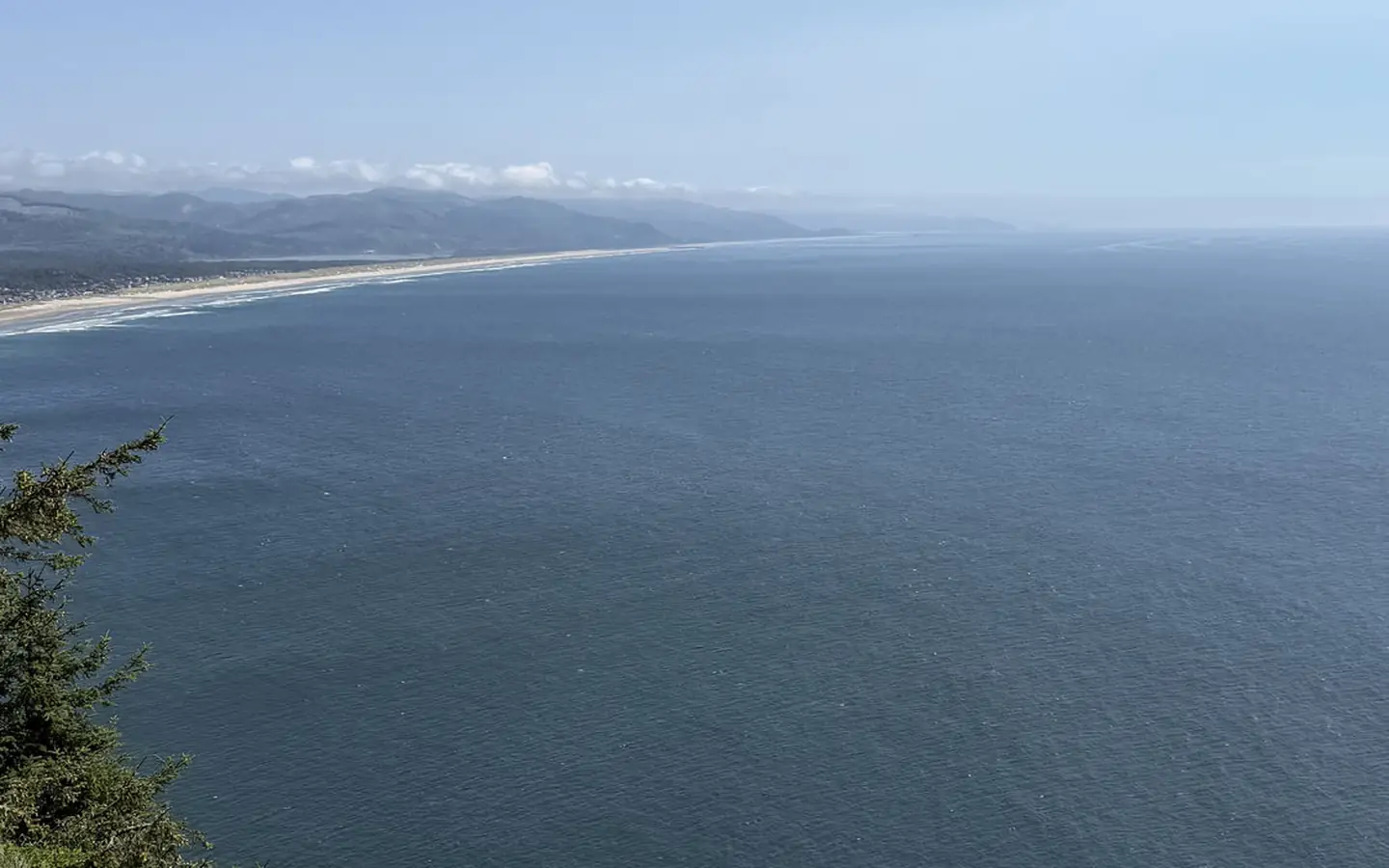
The best time to visit the Oregon Coast really depends on what you are chasing: warm sun and easy beach days, dramatic storms, migrating whales, or empty trails with nobody around. The coast is beautiful in every season, but the experience changes completely from July to January. This guide walks through the year month by month so you can match your trip to the weather, the crowds, and the light.
One thing to know up front: the Oregon Coast is cooler and wetter than most first-time visitors expect. Summer highs often sit in the low 60s Fahrenheit, morning fog is common, and the ocean stays cold enough that you will want a jacket even in August. Pack layers no matter when you come.
Summer: warmest and busiest (July to August)
July and August bring the driest, sunniest weather of the year, which is exactly why these are the most crowded months. Towns like Cannon Beach, Newport, and Bandon fill up, parking lots overflow by mid-morning, and popular hotels book out weeks ahead. If you want reliable sunshine and long daylight for hiking and beach walks, summer delivers. Just reserve lodging early and start your days before the crowds arrive.
September and October: the sweet spot
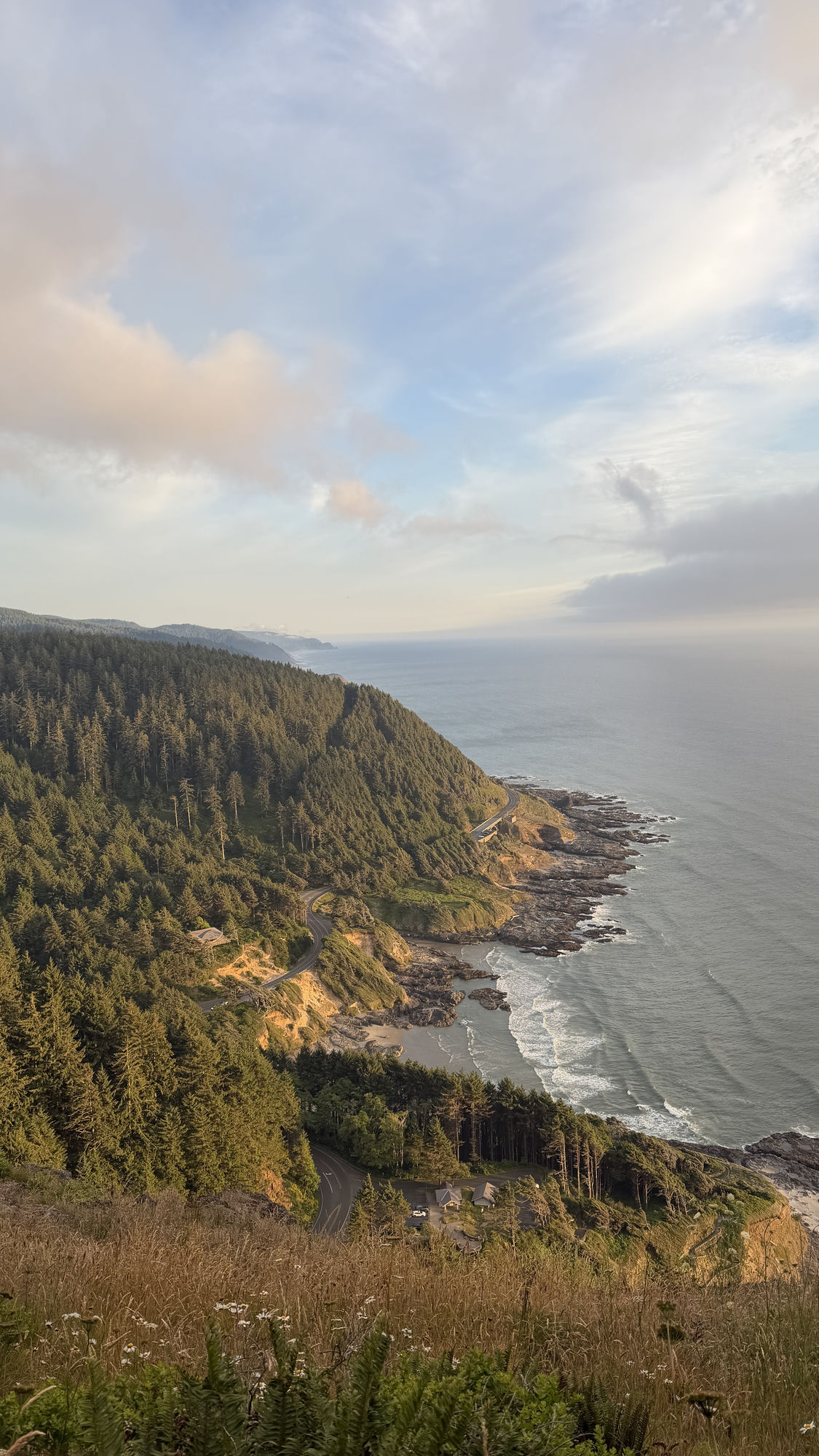
For many travelers, September is the single best time to visit the Oregon Coast. The summer crowds thin out after Labor Day, but the weather often stays warm and clear well into the month. Fog tends to burn off earlier, the ocean is at its warmest of the year, and you can usually find lodging without booking far ahead. It is a wonderful window for a relaxed road trip.
October keeps much of that calm. Early October still sees plenty of dry, golden days, while the back half of the month starts trading in the first real rain systems. Crowds are light, rates drop, and the low autumn sun makes the sea stacks and headlands glow. Late October is also when whale watching picks back up, with gray whales beginning their southern migration. Bring a rain shell and you will likely still get several clear days.
November and winter: storms and solitude
November marks the real shift into the wet season. Rain becomes frequent, days grow short, and the first big storm swells roll in off the Pacific. This is where the Oregon Coast earns its cult following for storm watching. From sheltered viewpoints like Cape Perpetua, Shore Acres State Park near Coos Bay, and Depoe Bay, you can watch waves explode against the rocks and spray shoot high into the air. Winter storm watching is genuinely spectacular, and lodging is cheap and easy to find.
Through the heart of oregon coast winter, December to February, expect regular rain, wind, and dramatic skies between the fronts. The trade-off is solitude: you can have a famous beach almost entirely to yourself. Late December through mid-January is peak gray whale season, with an organized Whale Watch Week bringing volunteers to the best headlands to help you spot spouts. Just check forecasts closely, respect posted warnings, and never turn your back on the ocean during high surf.
Spring shoulder season (March to May)
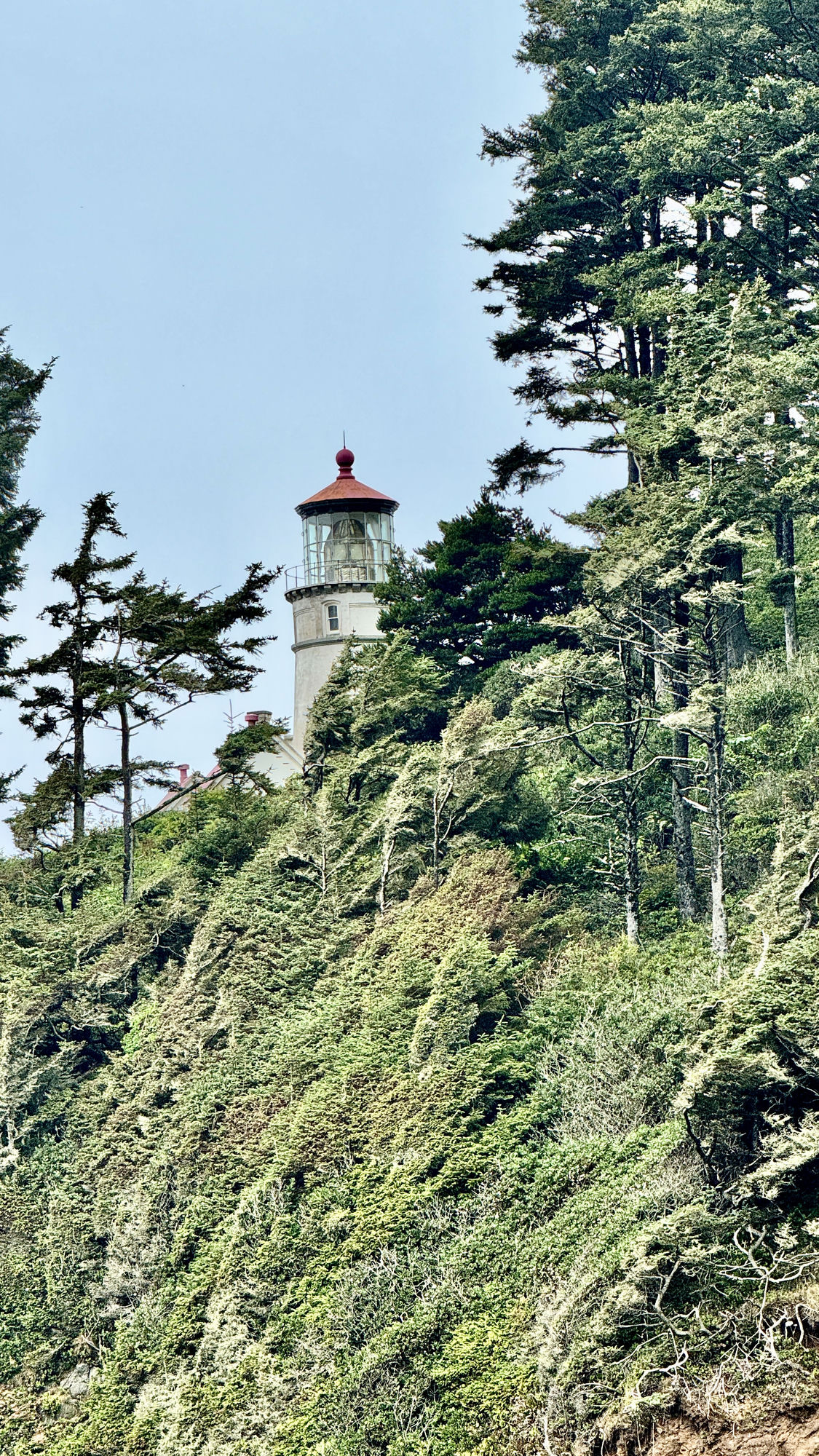
March is an underrated month to travel to the Oregon Coast. It is still moody and changeable, but the days are getting longer, the crowds have not returned, and it lines up with the spring gray whale migration heading north. There is another Whale Watch Week in late March that makes spotting them easier. Expect a mix of rain and bright, blustery clear-ups, and pack accordingly.
April and May keep warming and drying out. Wildflowers appear on the headlands, waterfalls run full from winter rain, and prices stay reasonable before the summer surge. If you want a good balance of decent weather and low crowds, spring is a strong bet.
How to pick your window
- Best weather and sun: July to early September, at the cost of crowds.
- Best overall balance: September and early October, warm and quiet.
- Storm watching and whales: November through January, wild and dramatic.
- Fewest people, lowest prices: the winter and early-spring shoulder months.
Whichever season you choose, plan your route so you are not driving Highway 101 in the dark during winter storms, and build in flexibility for weather. The coast rewards travelers who slow down. If you want to fold the Oregon Coast into a longer Pacific trip, it pairs naturally with the 14-day West Coast Road Trip itinerary, which strings together the best of the coastline at an unhurried pace. For a deeper coast experience, ExplorOFF can also connect you with local guides who know exactly when and where the tide, light, and wildlife line up.
The Best Time to Visit the Oregon Coast, Month by Month FAQs
September is the top pick for most people. Summer crowds fade after Labor Day, but the weather often stays warm and clear, the ocean is at its warmest, and lodging is easier to book. Early October is a close second.
Yes, if you know what you are coming for. Winter brings frequent rain and short days, but also dramatic storm watching, easy lodging, low prices, and peak gray whale season from late December into January. Just respect high-surf warnings.
Gray whales pass twice a year. The southern migration peaks from late December to mid-January, and the northern migration peaks in late March. Organized Whale Watch Weeks in both windows make them easier to spot from the headlands.
The wet season runs roughly November through April, with frequent rain and wind. July through September are the driest, sunniest months. No matter when you go, bring a waterproof layer, since weather can shift quickly any time of year.
March is an underrated shoulder month. It is still changeable, but days are lengthening, crowds are low, prices are reasonable, and it lines up with the northbound spring gray whale migration and a dedicated Whale Watch Week.
Yes. The worked day-by-day plan is West Coast Road Trip: The Ultimate 14-Day Pacific Coast Itinerary (14 Days), with the permits, the stays and the drive times already sorted. Tell us your dates and we will put it together for you and confirm what is genuinely open on those days. Asking is free: no card, no deposit, and nothing is held until you say yes.