Exploring Oregon Coast tide pools is one of the most rewarding things you can do on the shoreline, and it costs nothing but good timing. When the ocean pulls back at low tide, it uncovers rocky basins full of purple and orange sea stars, green anemones, hermit crabs, and clusters of mussels and barnacles. The trick is knowing where to go, when the water will be low, and how to explore without harming the fragile life you came to see.
Everything about tide pooling depends on the tide, so start there. Aim for a day with a low tide of around zero feet or lower, and plan to be on the rocks about an hour before that low so you can follow the water out. A minus tide, meaning below zero on the table, exposes the most sea life. A quick check of any tide chart for your specific beach will show the day and time.
The best tide pool spots
The Oregon Coast has excellent rocky intertidal zones up and down its length. A few of the most reliable:
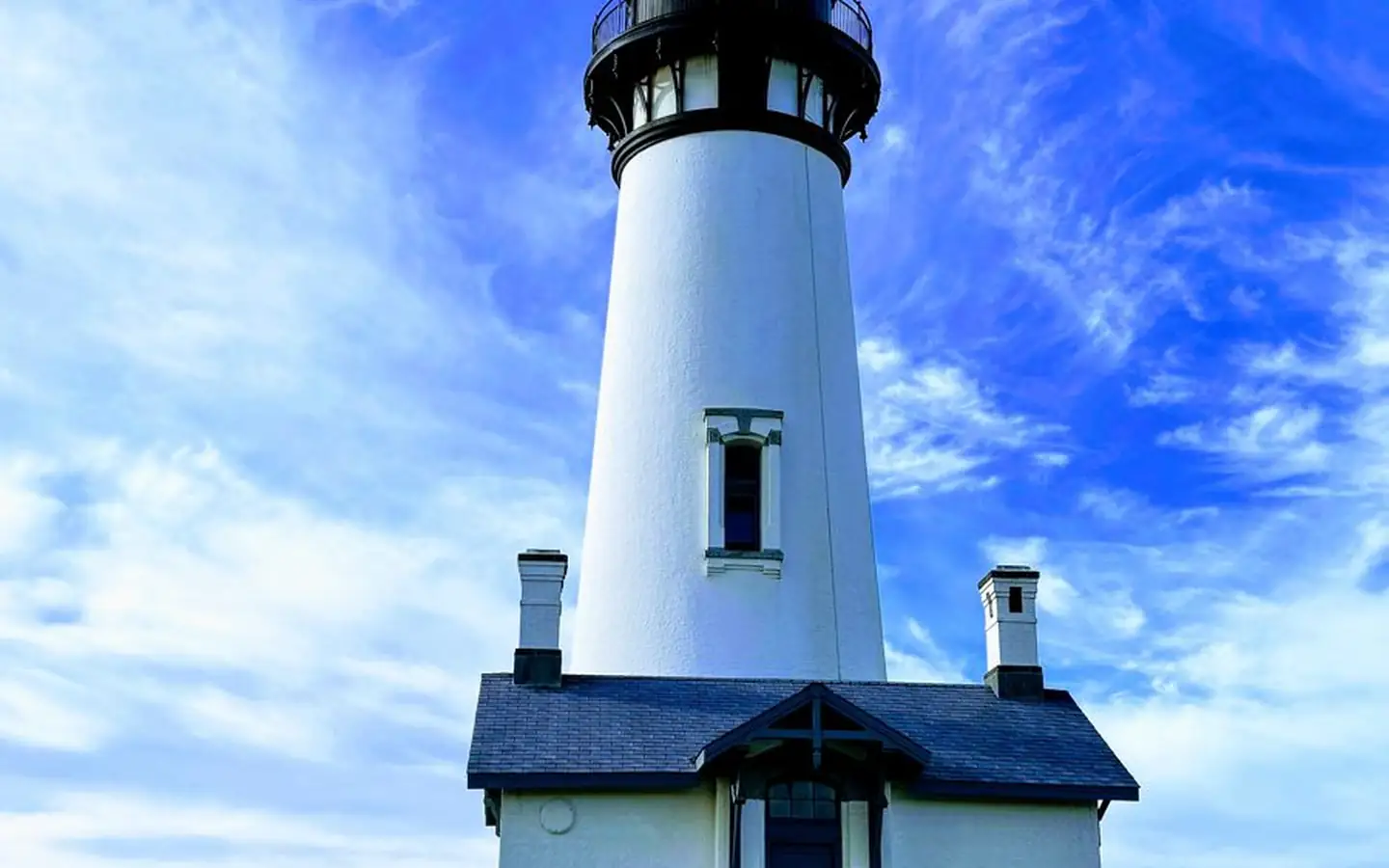
- Yaquina Head Outstanding Natural Area, near Newport, has a cobble beach with accessible pools right below the lighthouse and rangers on hand in summer.
- Haystack Rock at Cannon Beach is a protected marine garden with famous pools at its base, plus tufted puffins nesting on the rock in spring.
- Cape Perpetua and the Yachats area offer rugged pools around Cooks Chasm, alongside dramatic surf features.
- Cape Arago and Sunset Bay near Coos Bay hold rich pools and nearby sea lion haul-outs.
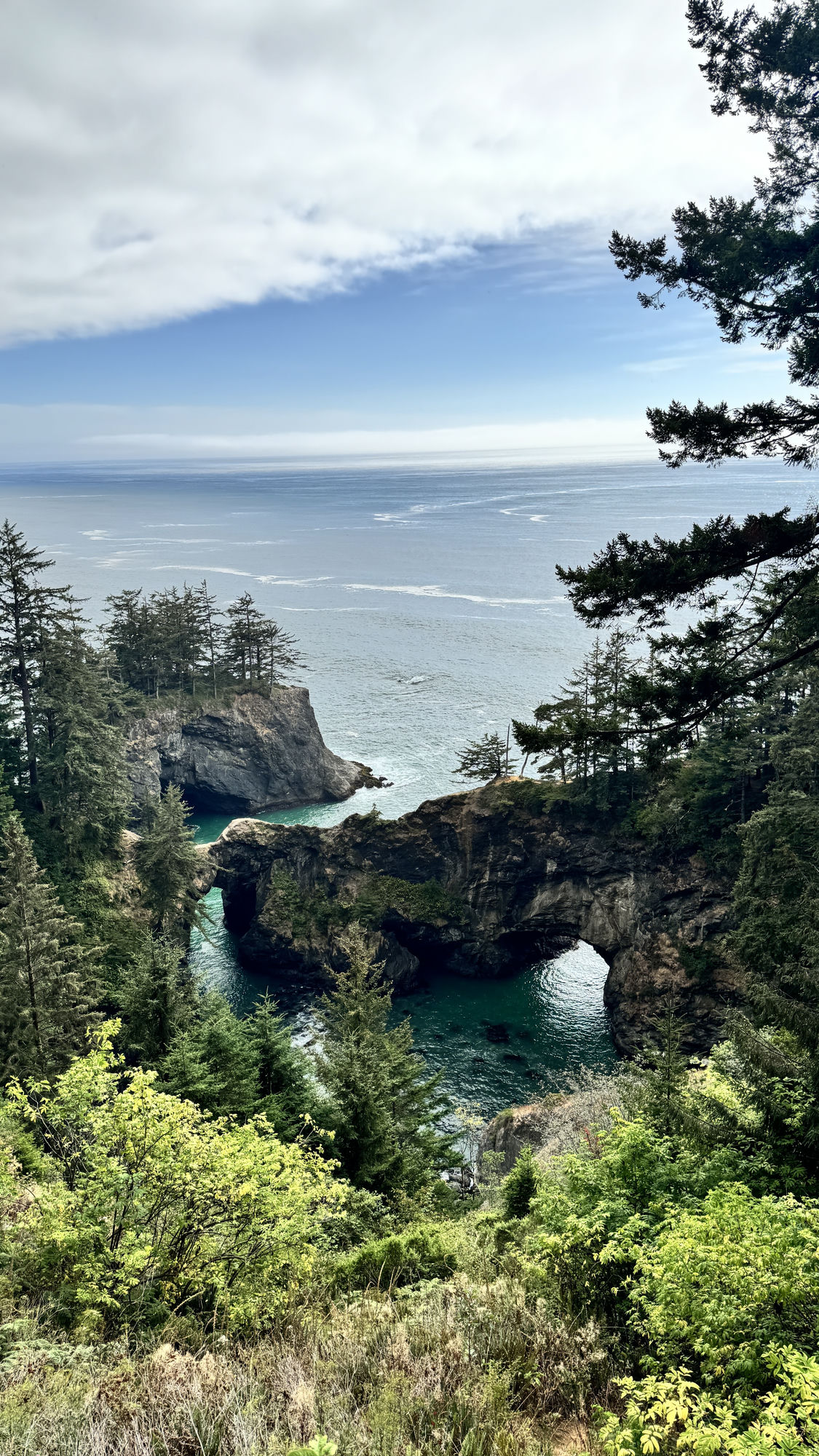
- Natural Bridges and the Samuel H. Boardman corridor on the far south coast pair sea arches with quiet, less-crowded pools.
How to read a tide table
A tide table lists the times and heights of each high and low tide for a given location. You want the low tide, and you want its height to be as low as possible. Heights are measured in feet against an average low-water baseline, so a reading of 1.5 feet is a modest low, while a minus 1.0 reading is an excellent minus tide that exposes far more rock and sea life.
Match the table to the specific beach you are visiting, since tide times shift along the coast. Arrive roughly an hour before the listed low, explore as the water keeps dropping, and start heading back as soon as it turns and begins to rise. Never let the incoming tide get between you and your exit.
What you will see
Healthy Oregon pools are crowded with life. Look for ochre sea stars in purple and burnt orange, bright green anemones that close into blobs when touched, gooseneck barnacles, chitons, limpets, hermit crabs scuttling in borrowed shells, and small sculpins darting in the deeper basins. Move slowly and let your eyes adjust, and a pool that looked empty will suddenly be full of motion.
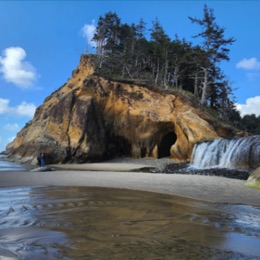
King tides and staying safe
A few times each winter, usually around December and January, the coast sees oregon coast king tides, the highest tides of the year, driven by the alignment of the sun and moon. King tides are the opposite of tide pooling conditions: the water rises unusually high and surf reaches far up the beach. They are fascinating to witness from a safe, elevated viewpoint, and volunteers photograph them to document sea-level change, but they are not the time to be down on the rocks.
Whenever you are near the ocean, follow the basic rules. Never turn your back on the waves, watch for sneaker waves that surge far higher than the rest, keep off logs at the waterline, and always know your route back before the tide returns. Wet rock and slick algae cause most tide-pool injuries, so wear shoes with real grip and move deliberately.
Tide pool etiquette
- Look, do not take. Leave every animal, shell, and rock where you found it. Many pools are protected marine gardens where collecting is illegal.
- Touch gently and rarely. If you touch an anemone or star, use a wet finger and never pry anything loose.
- Watch your step. Walk on bare rock and sand, not on mussels, barnacles, or clusters of anemones.
- Put rocks back exactly. If you lift a rock to look under it, replace it the same way so the creatures beneath keep their shelter.
Treated with care, these pools stay rich for the next visitors, including the kids who might grow up loving the coast because of one perfect low tide. Tide pooling folds beautifully into a slower coastal drive, and it pairs well with the 14-day West Coast Road Trip itinerary if you are building a longer route. For hands-on help reading the tides and finding the liveliest pools, ExplorOFF can connect you with local guides who watch these beaches all year.
Oregon Coast Tide Pools: Where and When to Find Sea Life FAQs
Go at low tide, ideally a minus tide below zero feet on the table. Arrive about an hour before the listed low so you can follow the water out. Spring and summer daytime minus tides are the easiest to plan around.
Common sights include purple and orange ochre sea stars, bright green anemones, gooseneck barnacles, chitons, limpets, hermit crabs, and small sculpins. Move slowly and pools that look empty soon reveal a lot of life.
King tides are the highest tides of the year, usually around December and January, caused by the alignment of the sun and moon. Water rises unusually high, so watch from a safe overlook rather than exploring the rocks during them.
Touch gently, rarely, and only with a wet finger, and never pry anything loose or take it home. Many pools are protected marine gardens where collecting is illegal. The rule is simple: look, do not take, and leave everything where it is.
Reliable spots include Yaquina Head near Newport, Haystack Rock at Cannon Beach, Cape Perpetua near Yachats, Cape Arago and Sunset Bay near Coos Bay, and the Samuel H. Boardman corridor on the south coast.
Yes. The worked day-by-day plan is West Coast Road Trip: The Ultimate 14-Day Pacific Coast Itinerary (14 Days), with the permits, the stays and the drive times already sorted. Tell us your dates and we will put it together for you and confirm what is genuinely open on those days. Asking is free: no card, no deposit, and nothing is held until you say yes.