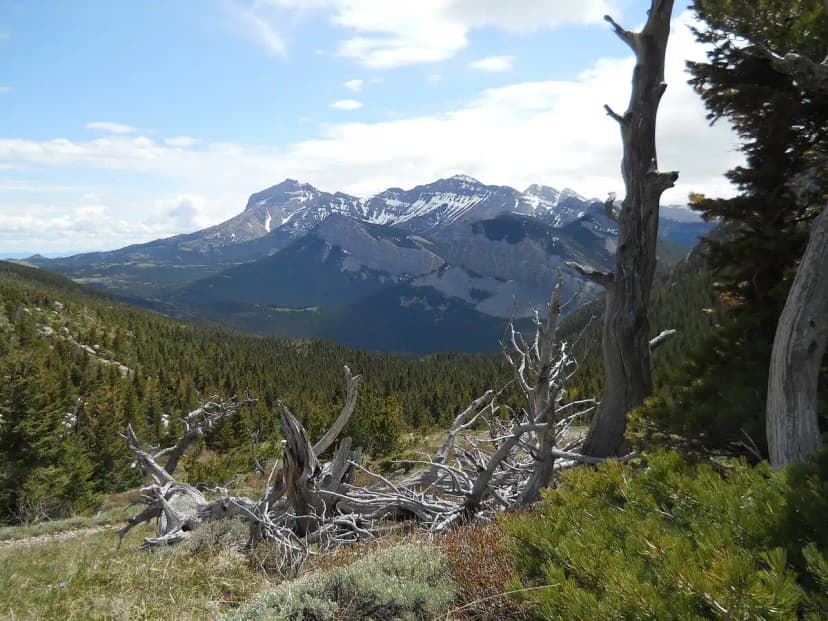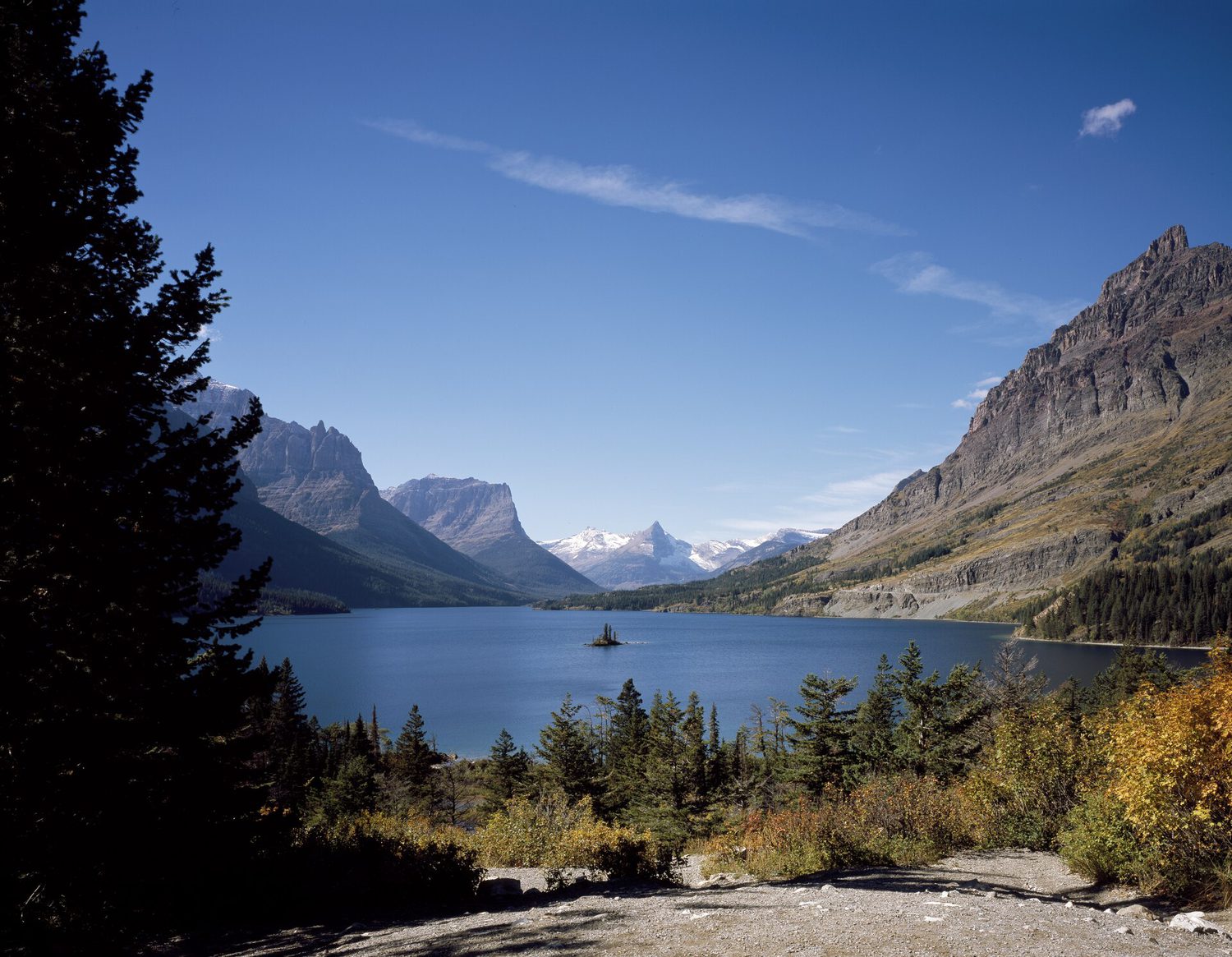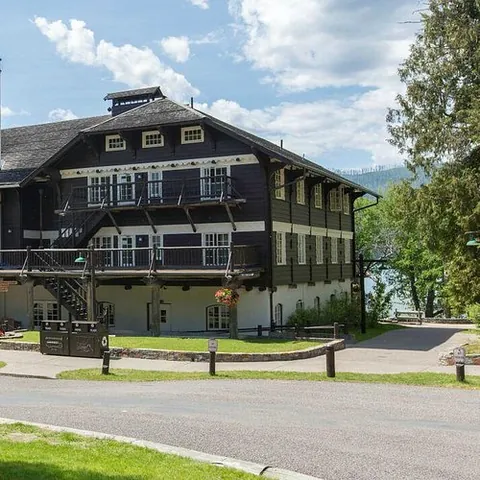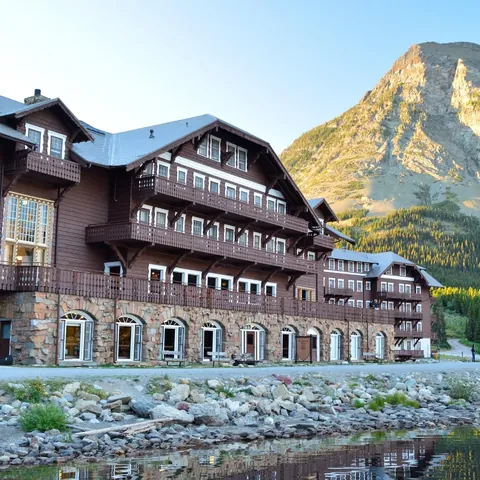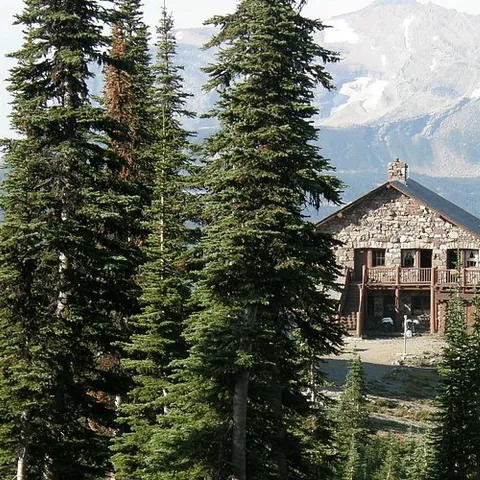
Timing makes or breaks a trip into the Bitterroot Mountains. These steep granite canyons on the Idaho-Montana border hold snow late, melt in a rush, and then deliver a short but glorious high-country window before fall closes the passes. Here is how the hiking season actually unfolds across the Selway-Bitterroot.
Spring (April to Early June): Canyon Floors Only

The low canyon mouths near Hamilton open first. By late April you can walk the shaded first miles of Blodgett Canyon and Bass Creek, where wildflowers like the namesake bitterroot bloom on south-facing slopes. Do not expect to reach the high country yet, snow lingers above 6,000 feet and creek crossings run dangerously high during peak melt in May and early June. This is the season for valley day hikes, not the divide.
Early Summer (Mid-June to Mid-July): The Big Melt
The high passes start to open, but conditions are messy. Trails turn to mud, creeks roar, and mosquitoes hatch in force near the alpine lakes off Canyon Creek. Experienced hikers who carry trekking poles and have the snow skills can start tagging the lower lakes by early July, but most backpackers should wait. If you go, expect snowfields on north aspects and bridges that may still be underwater.
Peak Season (Mid-July to Mid-September): The Alpine Window
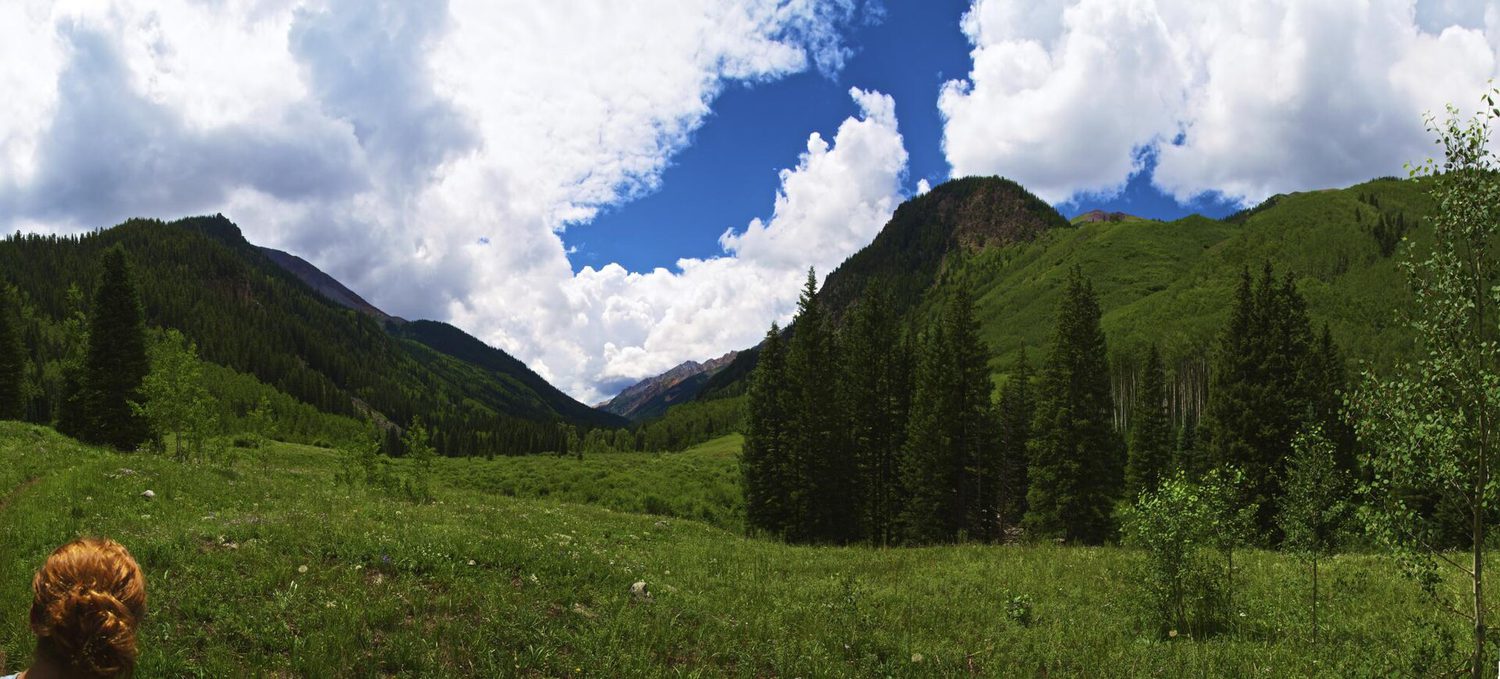
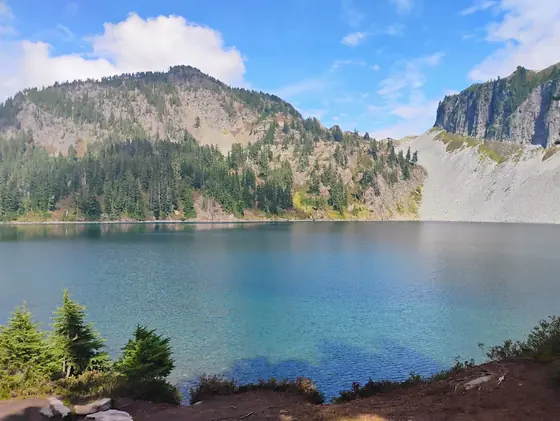
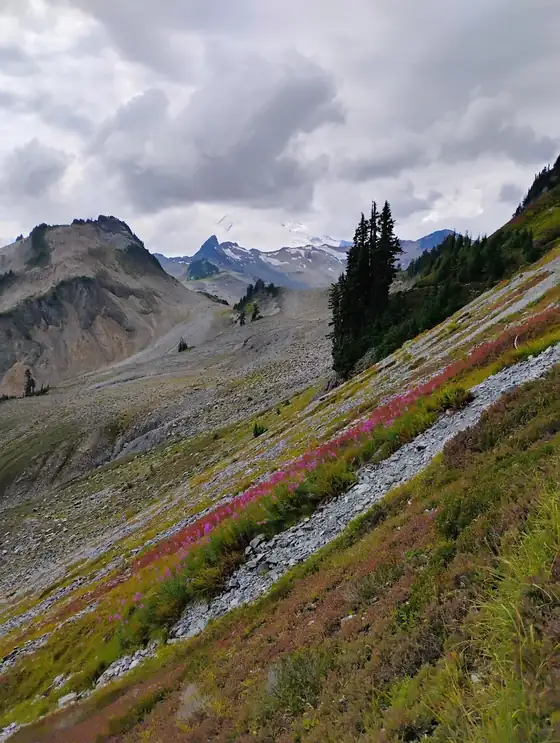
This is the time to be here. Trails dry out, wildflowers peak in the meadows, and the granite walls glow under long days. The full high route over the Bitterroot crest becomes passable, lakes warm just enough for a brave swim, and stable high pressure makes for reliable weather.
- Best overall weeks: Late July through August for full access to the divide and alpine lakes.
- Watch for: Afternoon thunderstorms building over the crest; start early and be off exposed ridges by early afternoon.
- Wildfire smoke: Common in August and early September; check air quality before committing to a long trip.
This window is exactly when our Selway-Bitterroot backpacking itinerary is designed to run, threading Blodgett Canyon, the high crest, and the Canyon Creek lakes while the passes are clear.
Fall (Mid-September to October): Gold and Quiet
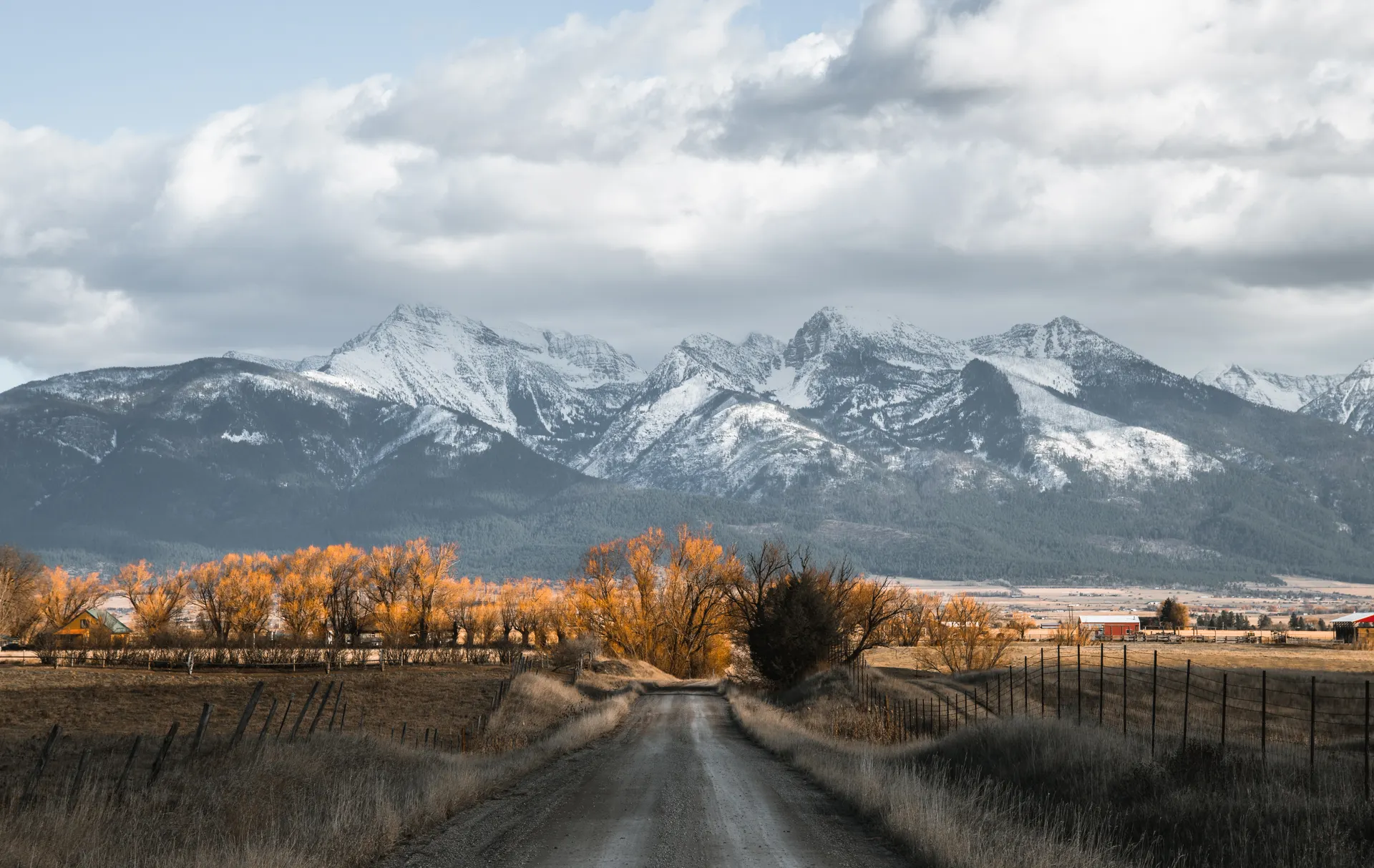
Many locals call September the finest month. Crowds vanish after Labor Day, mosquitoes die off, and the larch and cottonwoods turn brilliant gold in the canyons. Nights get cold and the first snows can dust the peaks by late September, so carry a warm bag and watch the forecast. By mid-October the high country is shutting down and you are back to canyon-floor day hiking.
What the Weather Does
Summer days in the high Bitterroots run warm but not hot, often in the 70s, while nights at elevation can dip near freezing even in July. The range sits in a transition zone, so the Idaho side catches more moisture and the Montana valleys stay drier. Always pack a rain shell and an insulating layer regardless of the month.
Quick Recommendation by Goal
- Easy canyon day hikes: May, June, late September.
- Alpine lakes and the divide: Late July through August.
- Solitude and fall color: September.
- Avoid: Peak runoff in May, and smoke-prone stretches of late August.
Best Time to Hike the Bitterroot Mountains FAQs
Mid-July through mid-September is the prime window for the high country, with late July and August offering full access to the alpine lakes and the Bitterroot crest. September brings fall color and fewer people.
Yes, but only the low canyon floors like Blodgett and Bass Creek. The high country stays snow-covered and creek crossings run dangerously high during peak snowmelt in May and early June.
Mosquitoes peak from mid-June through mid-July near the lakes and meadows during snowmelt. By August they ease off, and they are largely gone after the first cold nights in September.