Selway-Bitterroot Wilderness: A Hiking Itinerary
Granite canyons into a million acres of wilderness, from one Montana base.
Five days of Selway-Bitterroot Wilderness hiking from one base in Hamilton, Montana: the granite walls of Blodgett Canyon, the Blodgett Overlook, Canyon Creek, Lake Como and Bass Creek, with a real bed every night.
“I’ve requested to book a Chain Lakes Loop guide on ExplorOFF, and it was the best idea ever! I highly recommend going with their guided option since you get a real human connection on the trail and don’t have to worry about a thing. Yulia was great to talk to!”
 11 stops on a real mapEvery stop pinned in order→
Selway-Bitterroot: every stop pinned in order.
Blodgett Canyon · Canyon Creek · Lake Como · Bass Creek · Montana
Every stop on this trip, in order, opens as one driving route in the Google Maps app. No copying addresses across one at a time.
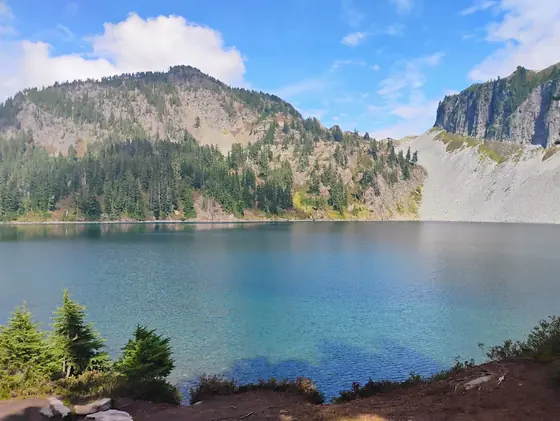
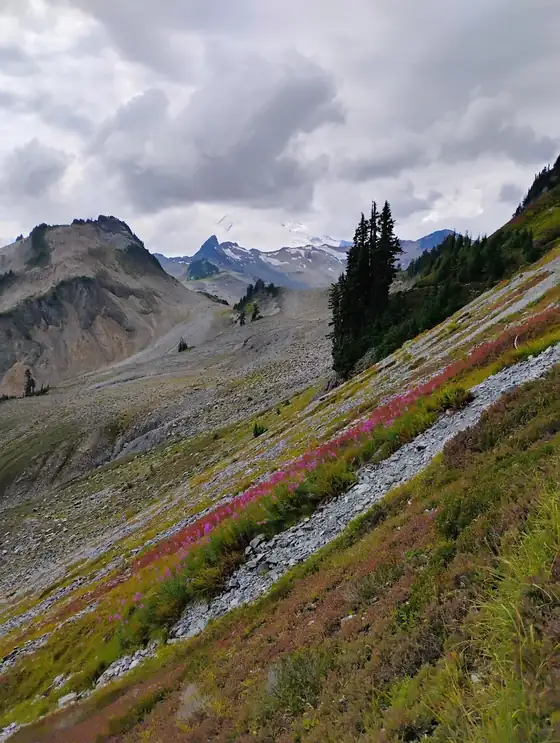
Selway-Bitterroot in photos: 5 of the stops.


Plan and book your 5 days in Selway-Bitterroot, one step at a time
How 5 days in Selway-Bitterroot split up
Plan 5 days for Selway-Bitterroot. Wilderness size: 1.3M+ acres. Difficulty: Moderate. Base: Hamilton. The Selway-Bitterroot Wilderness straddles the Idaho–Montana border across more than 1.3 million acres. On the Montana side, a row of steep granite canyons runs straight up from the Bitterroot Valley into the wilderness, and every one of them has a trailhead a short drive from town.
Day 1: Missoula to Hamilton & the Blodgett Overlook
3 stops · Day one
Day 2: Blodgett Canyon into the Wilderness
2 stops · Day two
Day 3: Canyon Creek
2 stops · Day three
Day 4: Lake Como
2 stops · Day four
Day 5: Bass Creek & Back to Missoula
2 stops · Day five
Missoula to Hamilton & the Blodgett Overlook
Fly into Missoula and drive south up the Bitterroot Valley, about an hour and a quarter to the Canyon Creek trailhead west of Hamilton.
Not the order you want? Drag a stop, or use the arrows beside it. Stops move between days too.
- Drive from
~1 hr 15 to the Canyon Creek trailhead · DriveFly into Missoula (MSO), pick up a car, and drive south up the Bitterroot Valley on US-93.
- Blodgett Overlook Trail
From the Canyon Creek trailhead · view into Blodgett Canyon · HikeFrom the Canyon Creek trailhead, the Blodgett Overlook Trail climbs to the rim above Blodgett Canyon for a look straight down its granite walls.
- Stay in Hamilton
Your base for four nights · lodgeHamilton is the main town in the Bitterroot Valley, with groceries, restaurants and every trailhead on this trip within 35 minutes.
Blodgett Canyon into the Wilderness
Drive fifteen minutes from Hamilton to the Blodgett Creek trailhead and walk up the canyon floor between the granite walls you saw from the rim yesterday. The trail follows the creek and crosses into the Selway-Bitterroot Wilderness.
Not the order you want? Drag a stop, or use the arrows beside it. Stops move between days too.
- Blodgett Canyon Trail
Blodgett Creek trailhead, 15 min from Hamilton · out-and-back · HikeWalk up the floor of Blodgett Canyon along the creek, between the granite walls, into the Selway-Bitterroot Wilderness. Turn around when you have used half your time and water.
- Second night in Hamilton
Same base · lodgeBack in Hamilton for dinner.
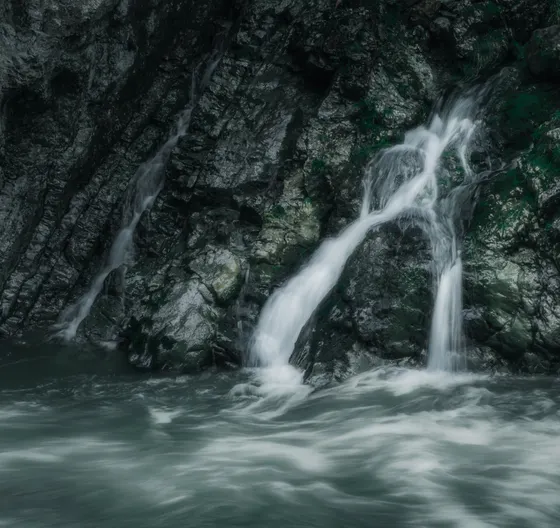
Canyon Creek
Back to the Canyon Creek trailhead, this time up the Canyon Creek Trail instead of the overlook. It climbs steadily toward the falls and the lakes below the crest, so this is the steepest day of the trip.
Not the order you want? Drag a stop, or use the arrows beside it. Stops move between days too.
- Canyon Creek Trail
Canyon Creek trailhead, ~20 min from Hamilton · steep · out-and-back · HikeThe steepest day of the trip, climbing Canyon Creek toward the falls and the lakes below the Bitterroot crest. Snow can linger up high into July.
- Third night in Hamilton
Same base · lodgeA third night in Hamilton.
Lake Como
Drive about 25 minutes south past Darby to Lake Como, a reservoir tucked right against the mountains. Walk the shoreline trail at your own pace, with the Bitterroot peaks rising straight out of the far end of the lake.
Not the order you want? Drag a stop, or use the arrows beside it. Stops move between days too.
- Lake Como
~25 min south of Hamilton past Darby · easy, pick your distance · HikeA reservoir right against the Bitterroot Mountains, with a trail along the shore and the peaks rising out of the far end of the lake.
- Fourth night in Hamilton
Last night in town · lodgeThe last night in Hamilton.

Bass Creek & Back to Missoula
Drive north half an hour to the Bass Creek trailhead near Stevensville for a last walk up one more canyon into the wilderness.
Not the order you want? Drag a stop, or use the arrows beside it. Stops move between days too.
- Bass Creek Trail
~30 min north of Hamilton near Stevensville · out-and-back · HikeOne more canyon into the wilderness on the way north. Keep it short enough to leave a buffer for your flight.
- Drive to Missoula (MSO)
~40 min from Bass Creek · DriveAbout 40 minutes north to Missoula airport. Leave the bear spray behind; you cannot fly with it.
Book the 4 nights
Beds near the trailheads are the one thing on this trip that genuinely runs out. Everything else can be decided later.
Tell us your dates and we will do the checking. We find what is still open near each trailhead and email you this plan back with a booking link for each night. Nothing is charged and you decide at the end.
Request to bookWhat to pack for Selway-Bitterroot
Built from this route, not a generic list. Every line says why it is here.
On every day of this trip
On your feet
Because you are sleeping indoors
For the driving days
Specific to Selway-Bitterroot
Essential Bitterroot logistics & planning.
No reservation, no fee
Day hiking into the Selway-Bitterroot from these trailheads needs no reservation and no fee; fill in the trailhead register where one is posted. The Bitterroot National Forest has a food storage order, so never leave food or trash unattended at a trailhead.
Bear country
Carry bear spray on your hip, make noise on blind corners, and hike in a group where you can. You cannot fly with bear spray, so buy it in Missoula or Hamilton.
One base, short drives
Every trailhead in this plan is 15 to 35 minutes from Hamilton, and every hike is an out-and-back, so you are always walking back to your own car.
Go July to September
Snow lingers on the upper canyon trails into July and creeks run high with melt. Late summer and early fall are the most reliable, with afternoon storms over the crest in July and August.
Selway-Bitterroot: questions before you go
Blodgett Canyon: the questions people ask most.
Yes. On the Montana side, steep canyons run straight from the Bitterroot Valley into the wilderness, and their trailheads are 15 to 35 minutes from Hamilton. This plan day-hikes Blodgett Canyon, Canyon Creek and Bass Creek and sleeps in town every night.
There is no reservation and no fee for day hikes from these trailheads; fill in the trailhead register where one is posted. Food storage rules apply across the Bitterroot National Forest.
July through September. Snow lingers on the upper trails into July and creeks run high with snowmelt early in the season.
Missoula (MSO), about an hour and a quarter north of the Canyon Creek trailhead and 40 minutes from Bass Creek.
Yes. Carry bear spray, make noise, and never leave food at the trailhead. You cannot fly with bear spray, so buy it locally.
Yes. Tell us your dates and we check what is still open for the plan on this page, then send it back with a booking link for each night and the total. Nothing is charged and nothing is held, and you pay the normal rate.
Pick how you want to go.
Same 5-day route. Same 5 stops.
- 4 nights, a room in Hamilton
- from $700
- A private local guide, rooms and campsites booked
- Included
- Airport pickup and every drive
- Included
- Park, permit and campsite fees paid
- Included
- All the gear and the trail meals
- Included
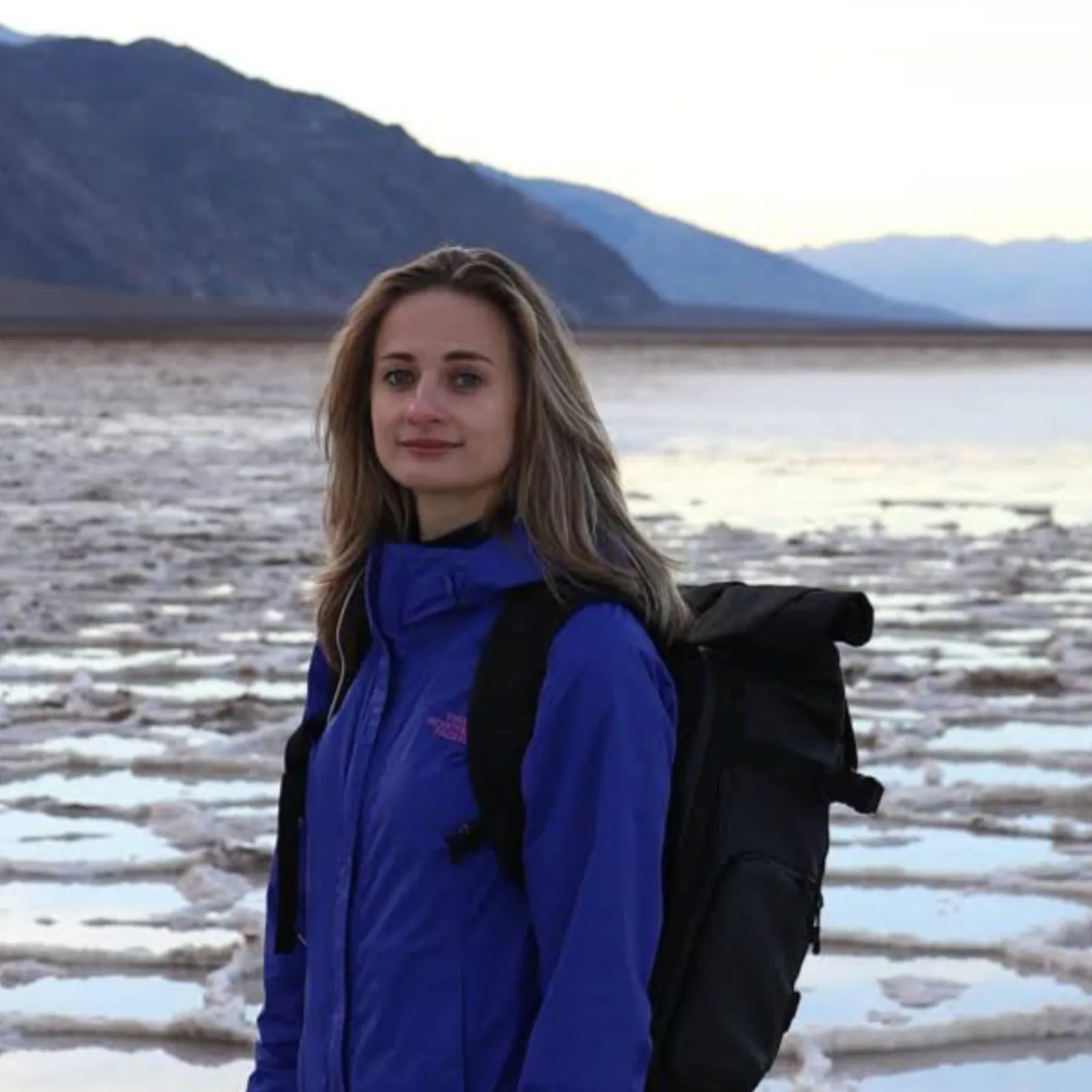
Written and walked by Yulia Vasilyeva · Co-founder · Lead planner and guide
Three years leading guided hikes in the Pacific Northwest, rated 5.0 by 20+ verified guests, and she builds every custom itinerary herself. Based in Seattle.
Last checked September 2026
You might also love these
Other itineraries near this one.
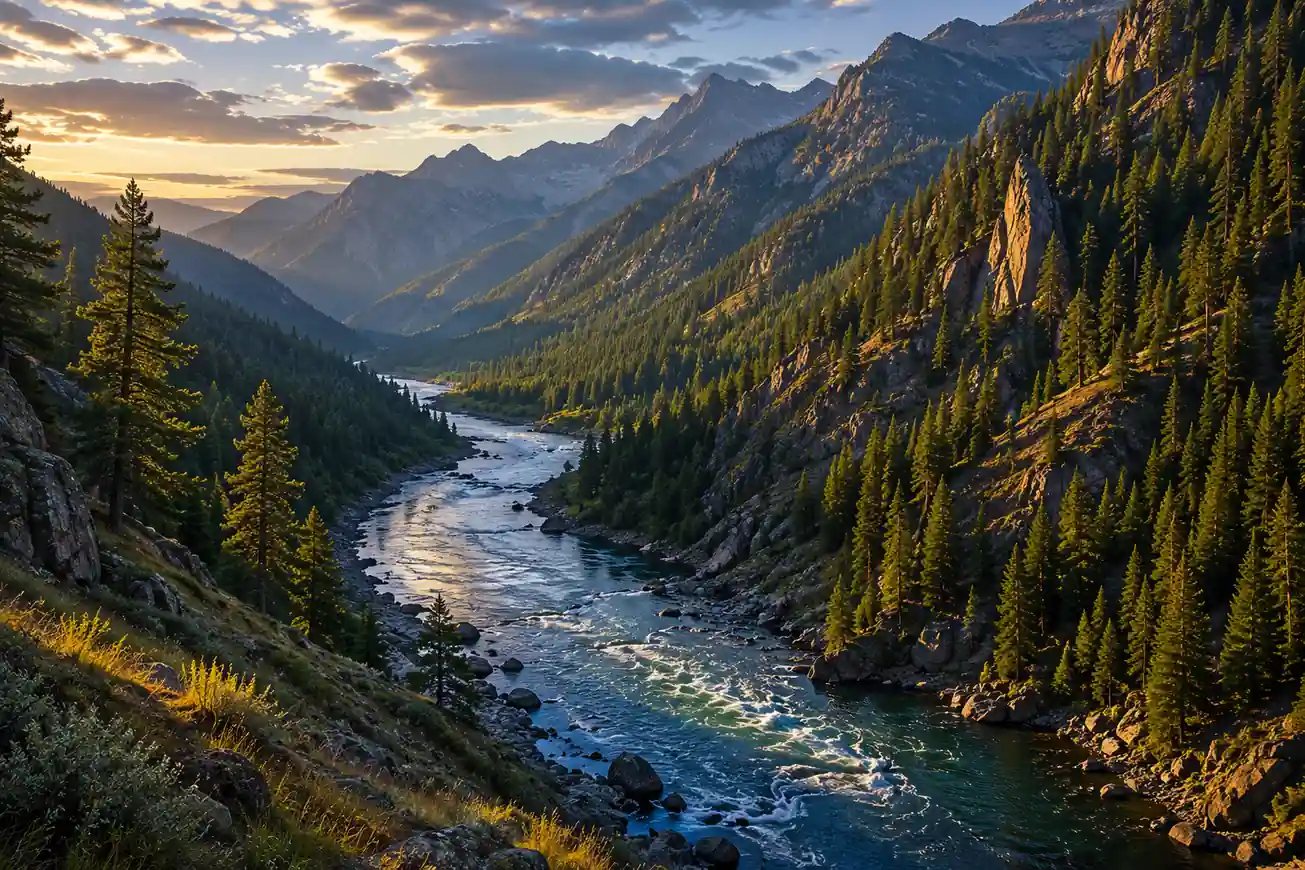
Frank Church River of No Return: 10-Day Idaho Expedition
A 10-day Frank Church River of No Return Wilderness expedition: Main Salmon whitewater from Corn Creek, Bighorn Crags backpacking to…
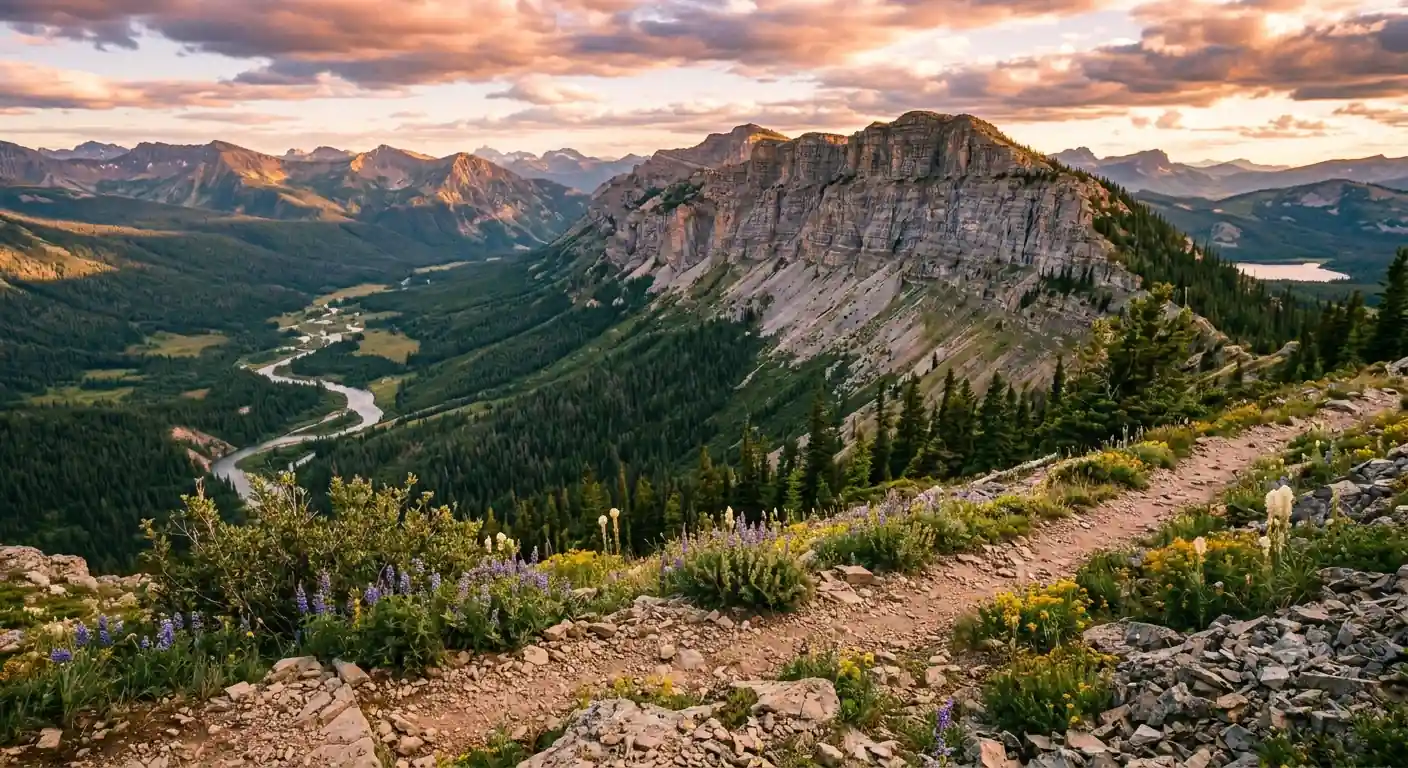
Bob Marshall Wilderness Backpacking: 6-Day Chinese Wall Itinerary
A 6-day Bob Marshall Wilderness backpacking itinerary to the Chinese Wall from the Benchmark Trailhead: trail numbers, mileages, grizzly…
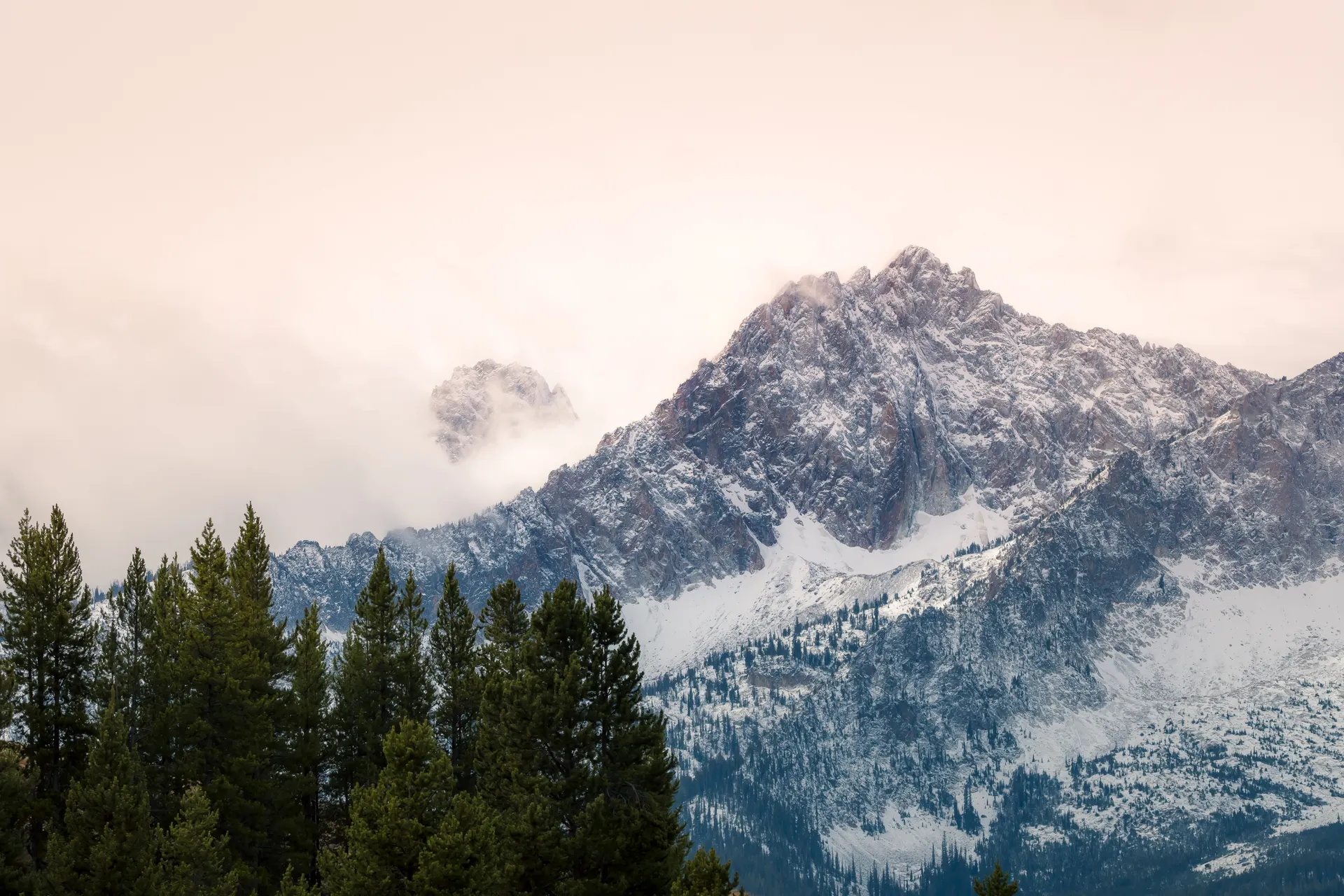
Sawtooth Mountains Idaho: A Weekend Hiking Itinerary
Three days of Sawtooth Mountains Idaho hiking: Sawtooth Lake under Mount Regan, Alice Lake from Pettit, the Bench Lakes above Redfish,…
Guides for this tripCamping in the Bitterroot National ForestBlodgett Canyon TrailBlodgett Canyon TrailBest Time to Hike the Bitterroot Mountains
What adventurers say about us.
All reviews are from verified guests. ★★★★★ 5.0 average from 20+ bookings.
"Felt like going out with a really knowledgeable friend who just happens to know everything about the area. No awkward tour-guide energy, just a magnificent day."
"Yulia is an incredible guide. She knew every trail, every viewpoint, and exactly how to pace the day for our group. The photos she took of us were stunning. 100% booking again."
"I was visiting Seattle solo and this was the best decision I made on the trip. Yulia picked me up, had snacks, and took us to a trail I never would have found on my own. Absolute must-do."
"We did this as a couple's trip and it was perfect. Yulia adapted everything to us, our pace, our interests, our photo obsession. The mountain views were unreal."
"Phenomenal experience. Yulia has deep local knowledge and a real passion for the outdoors. She went out of her way to show us the hidden gems tourists never see. Will remember this forever."
"I've done a few guided hikes and this was by far the best. Yulia is warm, funny, and genuinely expert. The trail she chose had the most insane wildflower bloom, we got so lucky."
Fees, reservation windows, shuttle dates and trail closures are planning estimates. Confirm hours, road status and any reservations with the land manager before you go.
What other travelers are saying
Be the first to leave a tip or question for the next traveler.
Was this helpful?
One tap. It goes straight to Yulia and Margarita.
You can't hike it if you can't get the permit.
The best hikes in America run on lotteries that open once a year and sell out in minutes. Every trail runs on its own calendar. Pick the ones you want and we do the watching.
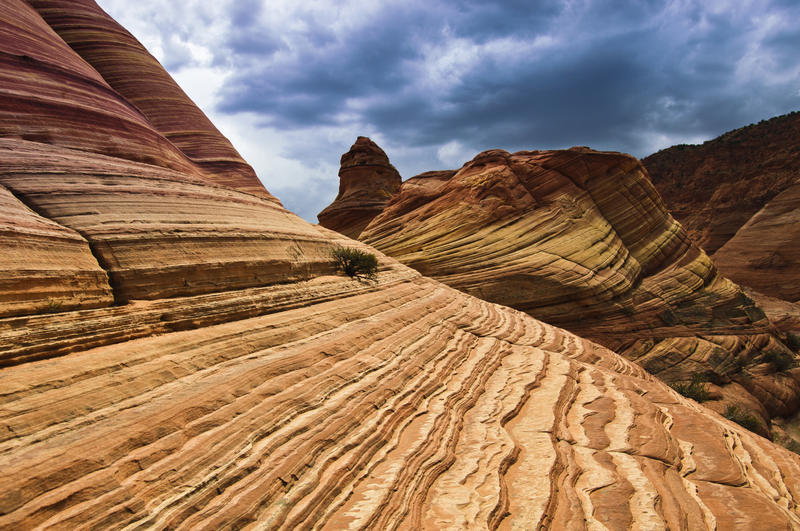 The WaveCoyote Buttes North · Arizona / UtahPermitLotterybrutal odds
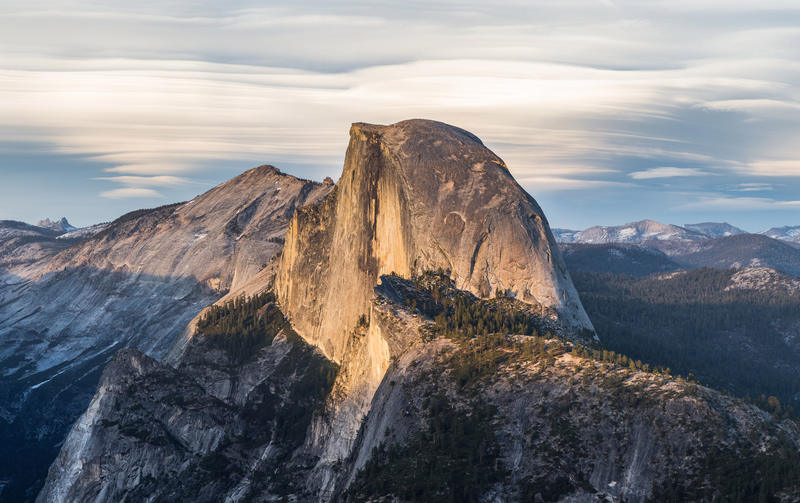 Half Dome CablesYosemite NP · CaliforniaPermitOpens Mar 1fair odds
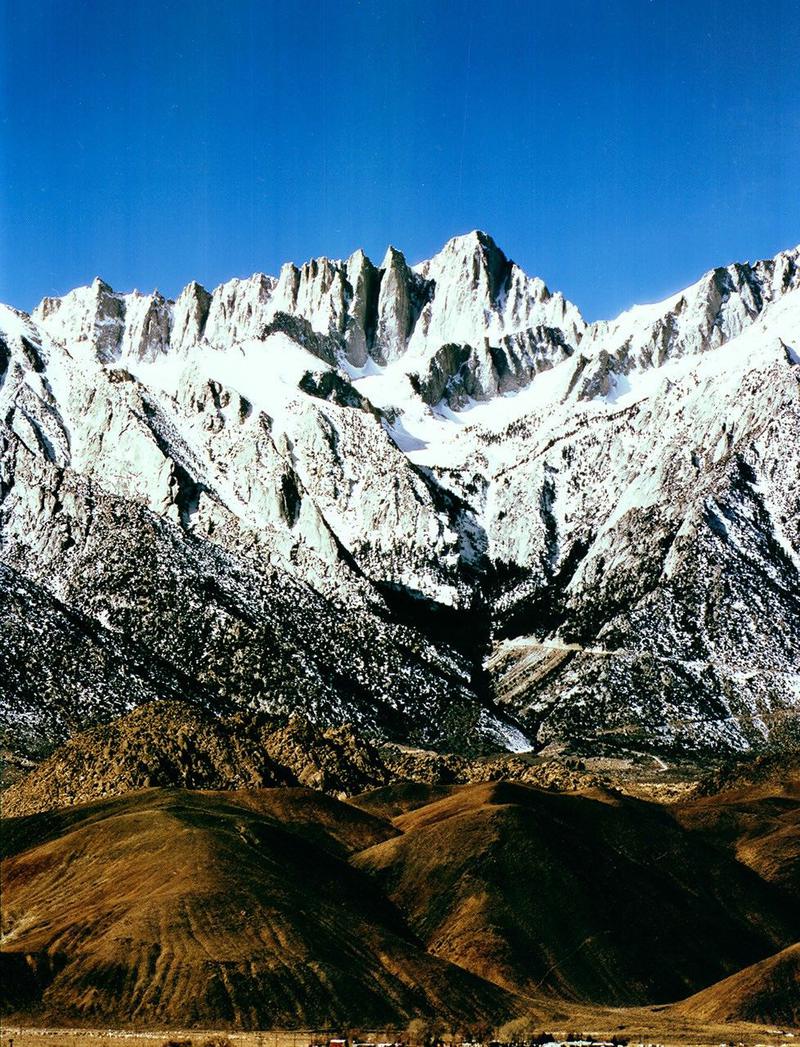 Mt. WhitneyInyo NF · CaliforniaPermitOpens Feb 1tough odds
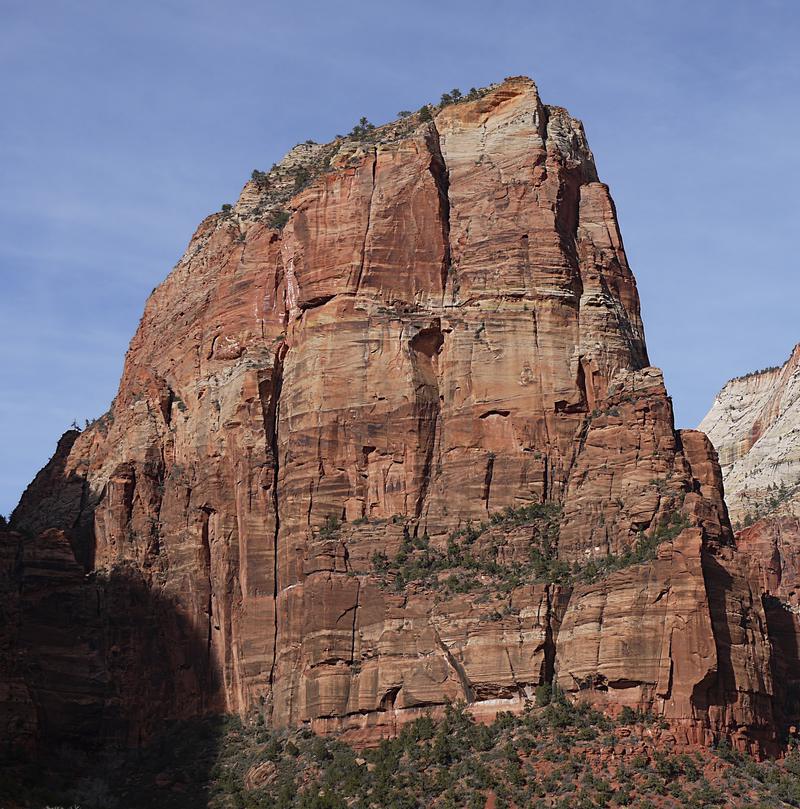 Angels LandingZion NP · UtahPermitLotterytough odds
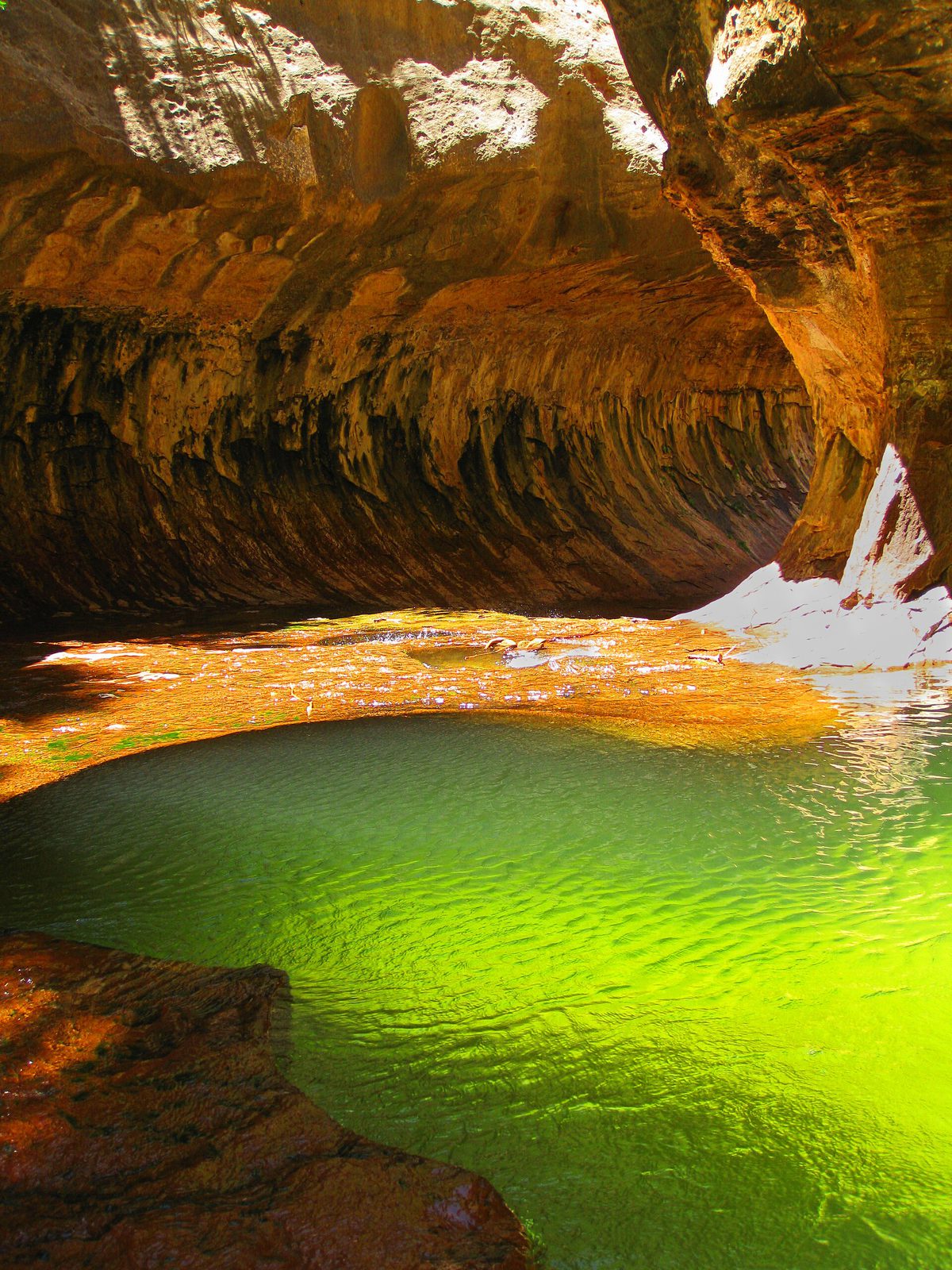 The SubwayZion NP · UtahPermitLotterytough odds
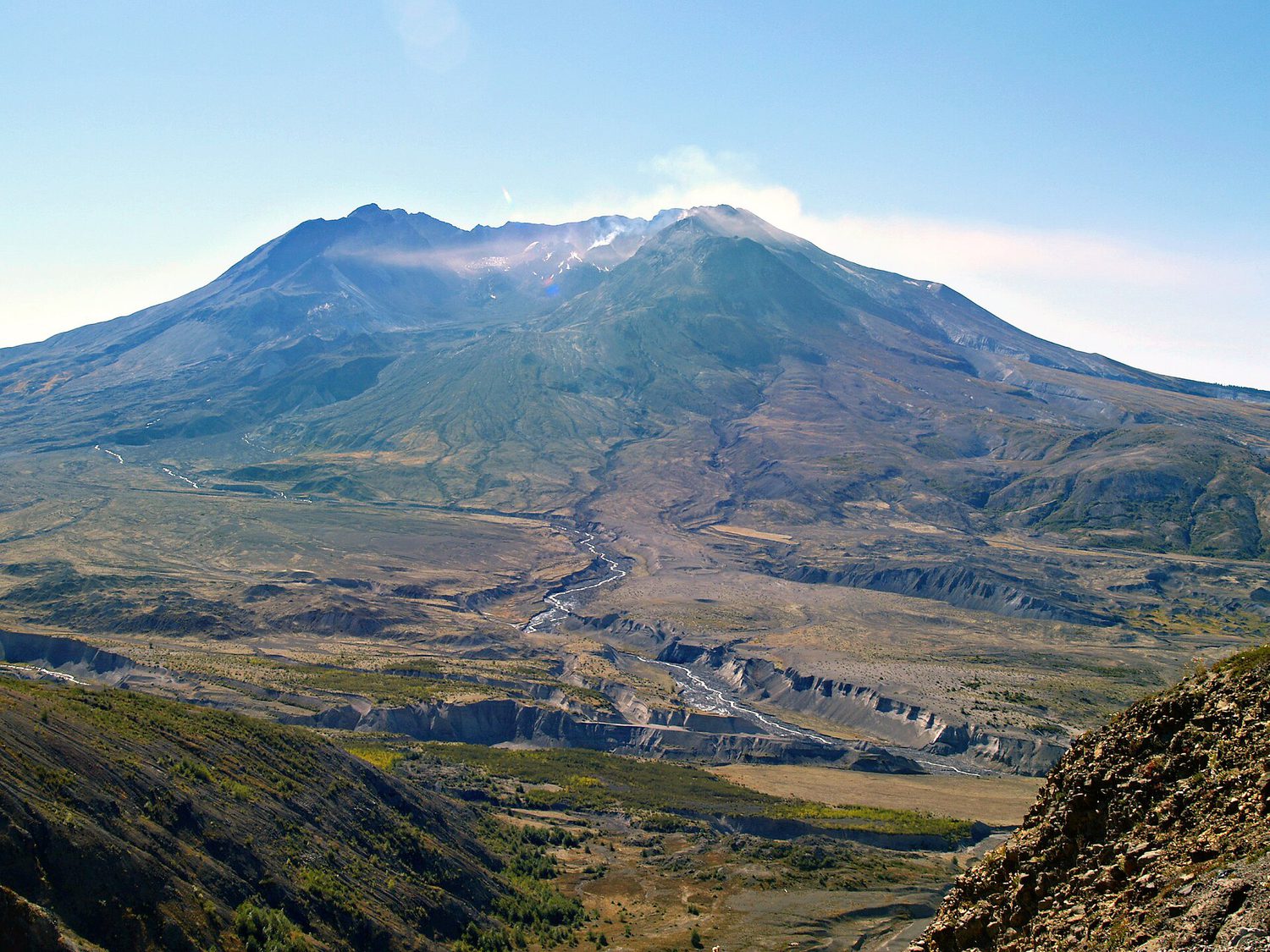 Mount St. Helens Summit ClimbGifford Pinchot NF · WashingtonPermitReservationtough odds
How it works
- An email the morning each window opens, never the day after.
- A 14-day heads-up so you can line up your group and dates.
- Win odds and a ranked backup plan for every trail you pick.
Didn't win? We keep watching. We check recreation.gov every day for The Enchantments, Half Dome and Angels Landing, and email you the moment a sold-out date frees up. Cancellations are the second chance most people never hear about.