The Short Answer: The First Three Weeks of October

If you want one window for the whole region, aim for the first three weeks of October. That is when the deepest, most reliable color spreads across New Hampshire, Vermont, and Maine. But New England is bigger and more vertical than people expect, and peak color rolls across it like a slow wave from north to south and from high elevation to low. Understanding that wave is the difference between hitting a brown, past-peak forest and standing in a tunnel of glowing maples. Timed right, the whole region becomes the kind of trip our New England fall road trip is designed around.
How the Color Wave Moves
Two factors drive timing: latitude and elevation. The farther north and the higher up you are, the colder the nights, and cold nights plus shortening days are what trigger the trees to shut down chlorophyll and reveal red, orange, and yellow pigments. That means the Northeast Kingdom of Vermont and the high peaks of the White Mountains turn first, while the Connecticut coast and Maine's southern shore turn last.
- Late September: Northern Vermont, far northern New Hampshire, and high elevations begin.
- Early October: Central Vermont, the White Mountains, and western Maine hit peak.
- Mid October: Southern New Hampshire, the Berkshires, and coastal Maine peak.
- Late October: Southernmost Massachusetts, Connecticut, and Rhode Island.
Week-by-Week Breakdown
Here is a practical calendar to plan around, recognizing that any given year can run a week early or late depending on summer rainfall and the timing of the first cold snaps:
- Sept 25 to Oct 1: Stowe, the Green Mountains, and Kancamagus Pass start turning. Great for early travelers willing to chase elevation.
- Oct 2 to Oct 9: The sweet spot. Central and southern Vermont, the entire White Mountains region, and Maine's Western Lakes and Mountains are typically at or near peak.
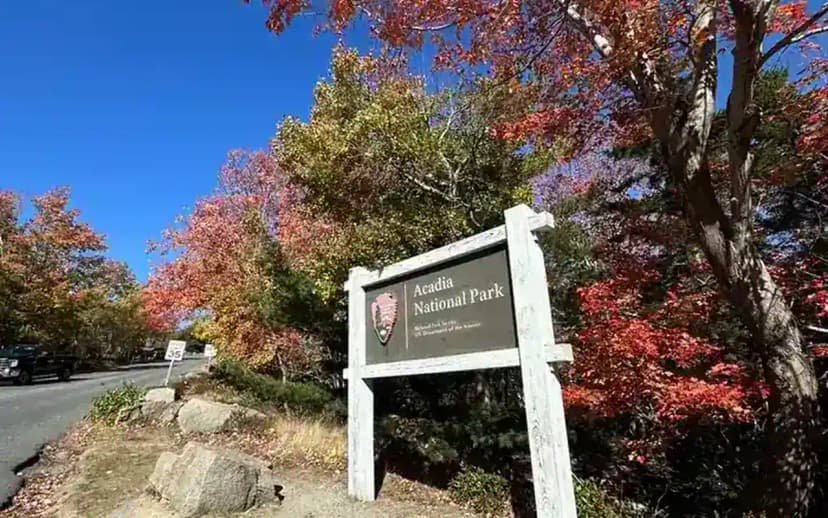
- Oct 10 to Oct 17: Lower elevations, the Lakes Region of New Hampshire, the Berkshires, and Acadia National Park on the Maine coast.
- Oct 18 to Oct 25: Southern New England and the coast hold the last reliable color.
How to Chase Peak If Your Dates Are Fixed
Most travelers cannot move their vacation, so the trick is to chase peak within your fixed week. If you arrive and the valleys still look green, drive up. A 2,000-foot gain on the Kancamagus Highway or up to Vermont's Smugglers' Notch can take you from summer green to full color in 20 minutes. If everything low is already past peak, head south or toward the coast where the wave is just arriving. Acadia, in particular, often peaks a full two weeks after the inland mountains.
Tools to Track the Color in Real Time
Foliage moves with the weather, so check live conditions before you commit to a region. State tourism offices publish weekly foliage maps, and many ski resorts post webcams that show exactly how far the color has progressed on the slopes. The most reliable signal of all is a forecast of clear, crisp nights in the 30s and 40s, which accelerates the turn, versus a warm, cloudy stretch that stalls it.
Beyond Timing: Crowds and Weather
Peak weekends, especially Columbus Day weekend in mid-October, bring heavy traffic to popular routes and booked-out inns. If your schedule allows, travel midweek and reserve lodging months ahead. Mornings reward you with mist, low light, and empty overlooks, so build your driving and hiking around early starts. Pack layers, because a sunny 60-degree afternoon can drop to near freezing once the sun sets behind the ridgelines.
Put the Whole Region Together
Because color peaks at slightly different times across the three states, a multi-day loop is the smartest way to guarantee you stand in peak foliage somewhere every single day. Starting high and north, then working lower and south, keeps you riding the wave. That is exactly the logic behind our seven-day foliage itinerary through New Hampshire, Vermont, and Maine.
Best Time to See New England Fall Foliage FAQs
Most of New England peaks during the first three weeks of October. Northern Vermont and high elevations turn in late September, while coastal Maine and southern New England peak in mid to late October.
The Northeast Kingdom of Vermont, far northern New Hampshire, and the highest mountain elevations turn first, usually in late September, because they have the coldest nights.
Yes, Columbus Day weekend in mid-October usually lands near peak across much of New England, but it is also the busiest travel weekend with heavy traffic and limited lodging, so book early and travel midweek if you can.