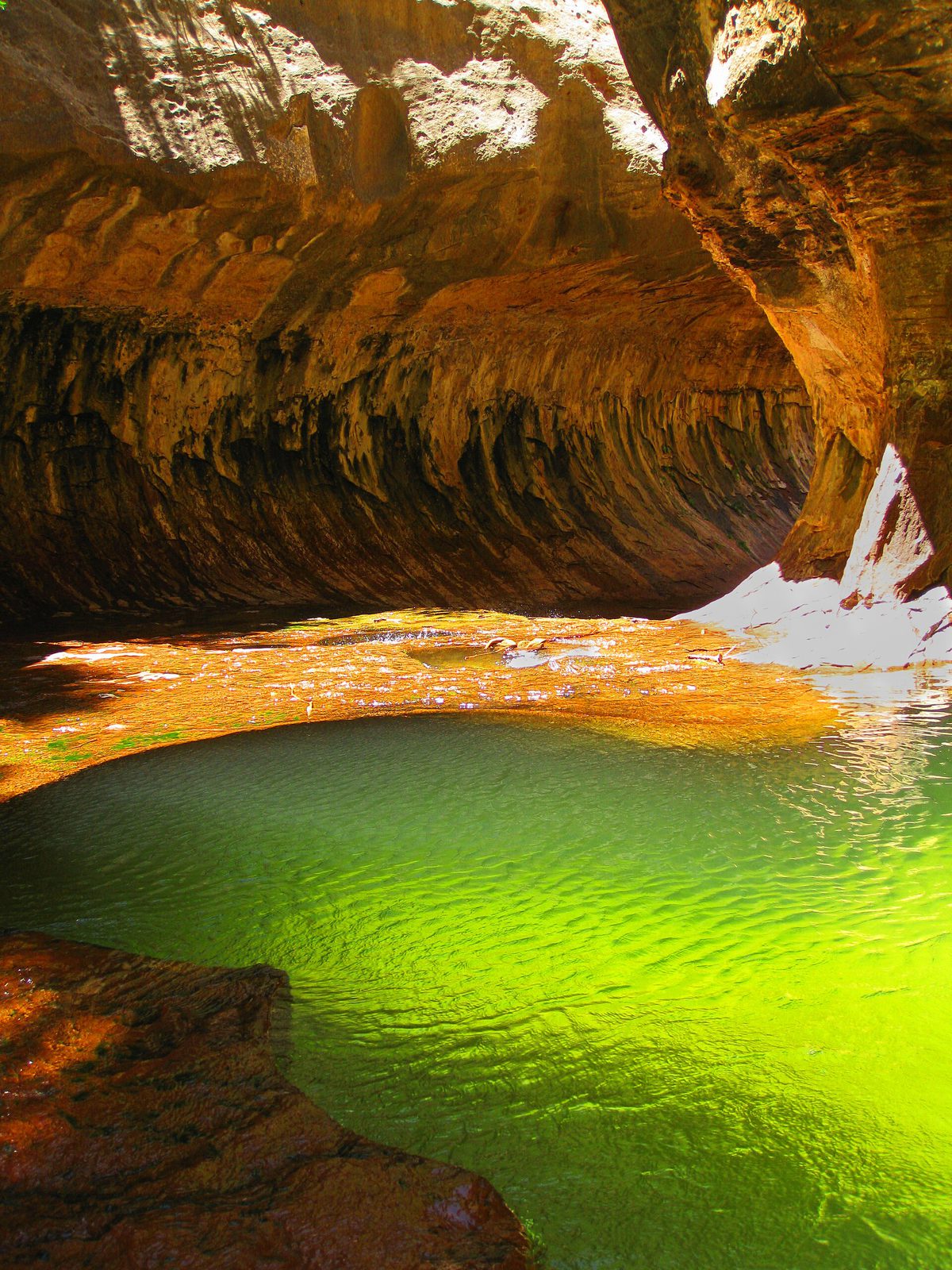
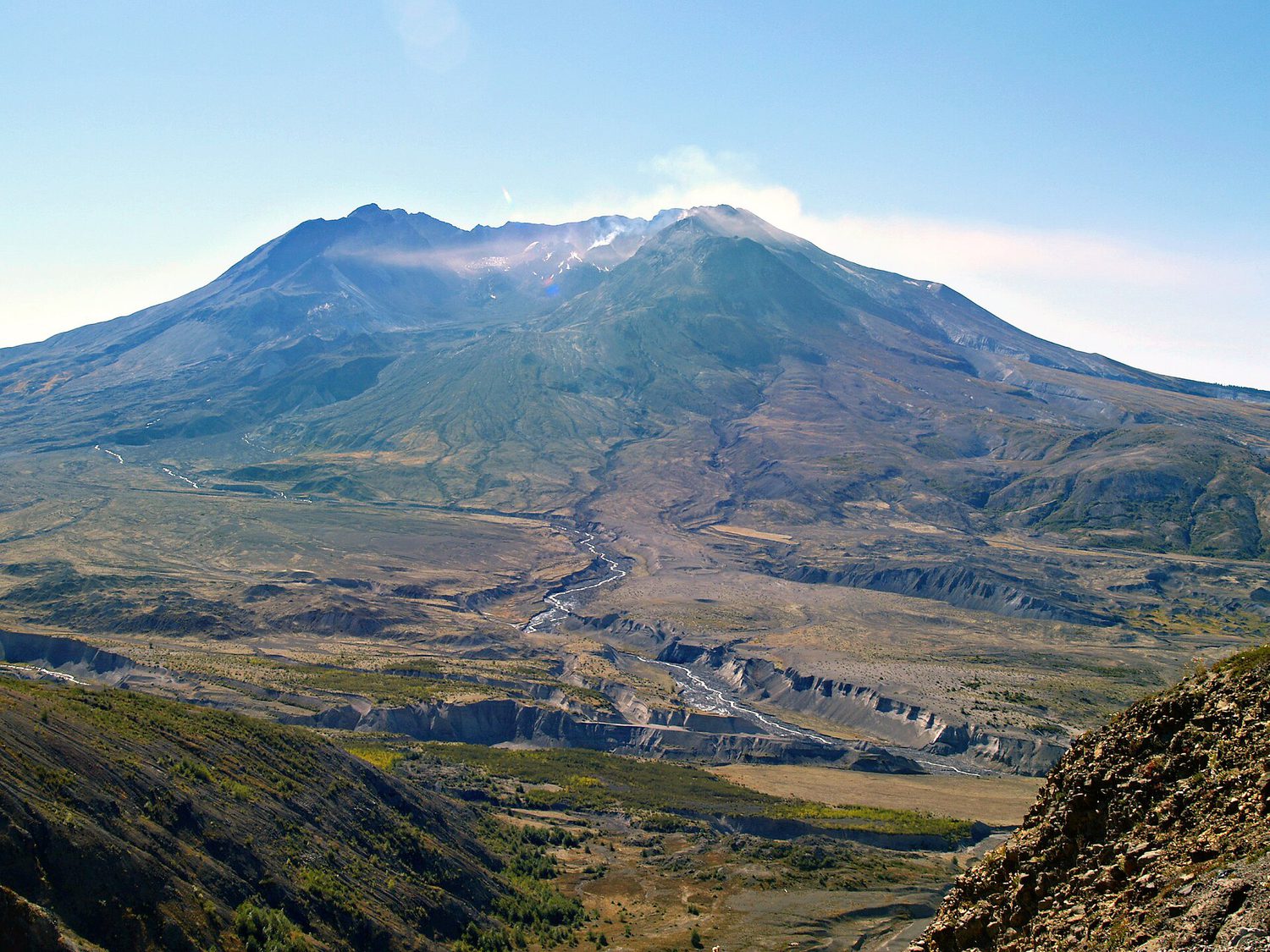
The best national parks to visit in winter are the desert and subtropical ones. Death Valley, Big Bend, Joshua Tree, Saguaro, and the Everglades hit their most pleasant temperatures of the year. Add Grand Canyon South Rim and Bryce Canyon for snow on red rock, plus Yosemite for February's firefall. Skip the snowbound northern parks.
Winter is my favorite season to guide. The summer mobs are gone, lodging is cheap, and the parks that are unbearable in July, brutal desert heat, finally become comfortable. The trick is knowing which way the map flips: head south and low, not north and high. Here are the nine I send people to, and the ones I tell them to skip until spring.
1. Death Valley National Park, California
Death Valley is the single best winter park in the system, full stop. The place that kills hikers with 120°F heat in July sits at average highs around 60-65°F in December and January, with crisp lows in the upper 30s to low 40s. That is perfect hiking weather on the lowest, hottest land in North America. Roads are all open, including the paved route to Badwater Basin at 282 feet below sea level. Skies are usually clear and the light is unreal.
Signature hike: Golden Canyon to Zabriskie Point loop via the badlands and Gower Gulch, about 6 miles, through eroded golden ridges that glow at sunrise. For a shorter day, walk the salt-polygon boardwalk and flats at Badwater (1-2 miles). Bring layers; canyon shade gets genuinely cold.
Our 3 days itinerary: Death Valley Winter Hiking: A 3-Day Itinerary. Day by day, with where to sleep and what to book.
2. Big Bend National Park, Texas
Big Bend is enormous, remote, and gloriously empty in winter. December and January are the coldest months with desert-floor highs in the mid-60s and overnight lows in the mid-30s, climbing into the 70s by late winter. The Chisos Mountains can get snow while the desert floor stays mild, so you choose your elevation. All three districts, Chisos, desert, and the Rio Grande, are open and the spring-break crowds are still months away.
Signature hike: The Window Trail from the Chisos Basin, about 5.6 miles round trip, descends to a dramatic pour-off framing the desert below. Cap the day with a soak at the Hot Springs (105°F) on the river. Nights here are some of the darkest skies in the country.
Our 3 days itinerary: Big Bend National Park 3-Day Itinerary: Desert Hiking Weekend. Day by day, with where to sleep and what to book.
3. Joshua Tree National Park, California
Joshua Tree in winter is sunny days in the 60s and freezing nights, occasionally a dusting of snow on the Joshua trees, which is magic. The high desert at 4,000 feet is far more comfortable than the blazing low-desert sections. Rock climbers and scramblers love this season because the granite isn't scorching. All roads are open; just carry water even when it's cold, because the dry air dehydrates you fast.
Signature hike: Ryan Mountain, about 3 miles round trip with 1,000 feet of climb, for a summit view over the whole park. The Hidden Valley loop (1 mile) is an easy, kid-friendly classic through a rock-rimmed basin.
Our 3 days itinerary: Hikes in Joshua Tree: A 3-Day Best-of Itinerary. Day by day, with where to sleep and what to book.
4. Saguaro National Park, Arizona
Flanking Tucson, Saguaro is a winter no-brainer: highs in the 60s, cool mornings near 40°F, and forests of giant cactus you can actually hike among without heatstroke. Both districts, Rincon Mountain (east) and Tucson Mountain (west), are fully open. This is the season the Sonoran Desert wants to be visited, and you can pair it with a comfortable city base.
Signature hike: Valley View Overlook Trail in the west district, about 0.8 miles, for a saguaro-studded vista, or the Hugh Norris Trail for a longer ridgeline push. In the east, the Freeman Homestead loop (1 mile) winds past towering cacti.
Our 3 days itinerary: Saguaro National Park Hikes: 3-Day Best Hikes Itinerary. Day by day, with where to sleep and what to book.
5. Everglades National Park, Florida
Winter is THE season for the Everglades, and not by a little. The dry season runs roughly December through April: humidity drops, the mosquitoes that make summer miserable largely vanish, and wildlife concentrates around shrinking water holes. Temperatures sit between about 55°F and 77°F. You will see alligators, wading birds, and if you're lucky a manatee, all far more visible than in the wet season.
Signature hike: The Anhinga Trail near Royal Palm, a 0.8-mile boardwalk loop that is the best wildlife-viewing short walk in any U.S. park in winter. Rent a kayak in Flamingo or the Ten Thousand Islands for a half day on the water.
Our 3 days itinerary: Everglades Kayaking Weekend: 3-Day Chickee Camping Route. Day by day, with where to sleep and what to book.
6. Grand Canyon National Park (South Rim), Arizona
The South Rim is open all year, and winter brings something most visitors never see: snow on the red rock, with the canyon dropping into clear cold air. Rim highs run in the low 40s with lows in the teens and 20s, and snow is common at 7,000 feet, so carry traction. Crowds are a fraction of summer. Note: the North Rim is closed for the season (roads shut by snow, typically mid-October to mid-May), so plan the South Rim only.
Signature hike: The Rim Trail is mostly flat and paved with constant views, perfect when ice makes steep trails risky. Strong hikers can descend Bright Angel a mile or two to Mile-and-a-Half Resthouse, but microspikes are essential on the icy upper switchbacks, and never aim for the river and back in a day.
Our 3 days itinerary: Grand Canyon South Rim Hikes: 3-Day Itinerary. Day by day, with where to sleep and what to book.
7. Bryce Canyon National Park, Utah
Bryce in winter is the prettiest park on this list. At 8,000-9,000 feet it gets real snow, and white powder draped over the orange hoodoos is a sight that stops people cold. Highs hover in the 30s-40s with sub-freezing nights. The main road and most overlooks stay plowed and open. Bring snowshoes or microspikes; rim trails turn to packed snow and ice.
Signature hike: The Navajo Loop and Queens Garden combo, about 3 miles, drops you among the hoodoos; in winter the Navajo side is often closed for ice and the route becomes a snowshoe outing, so check conditions and don't descend if it's pure ice. The Rim Trail between Sunrise and Sunset Points is an easy, safer alternative.
Our 2 days itinerary: Bryce Canyon Itinerary: 2 Days Among the Hoodoos. Day by day, with where to sleep and what to book.
8. Yosemite National Park, California (for the firefall)
Most of Yosemite high country (Tioga Road, Glacier Point Road) is snowed shut in winter, but Yosemite Valley stays open year-round and offers a genuinely special February event: the firefall. For about two weeks in mid-to-late February, the setting sun lights up Horsetail Fall so it glows like molten lava. In 2026 the strong window runs roughly February 19-23, with February 21 expected to be best. It needs water flowing and a clear western sky, so it's never guaranteed.
How to see it: Park at Yosemite Falls parking (just west of Yosemite Valley Lodge) and walk about 1.5 miles each way to the El Capitan Picnic Area viewing zone; the glow peaks in a roughly 10-minute window around sunset (about 5:30 p.m.). No reservations are required for the 2026 firefall, but parking restrictions apply, so arrive hours early and dress for cold. Off the firefall dates, the Valley is a quiet, snow-dusted wonderland.
Our multi-day itinerary: Yosemite Hiking Trips: Best Trails & Complete Guide. Day by day, with where to sleep and what to book.
9. Honorable mention: Hawaii Volcanoes National Park
If you can get to the Big Island, Hawaii Volcanoes is a near-perfect winter escape, mild and green while the mainland freezes. Coastal areas sit in the 70s-80s, though the summit of Kilauea at 4,000 feet is cooler and can be rainy and windy. Roads are open year-round. The Kilauea Iki Trail, about 4 miles, crosses a solidified lava-lake crater floor and is one of the most surreal hikes in the country.
Skip these in winter
Don't waste a winter trip on the northern high-country parks. Glacier National Park closes Going-to-the-Sun Road for the season, so the heart of the park is inaccessible. Rocky Mountain shuts Trail Ridge Road and most high trails require avalanche awareness. Yellowstone's interior roads close to regular cars; access is by snowcoach or snowmobile only, which is amazing but expensive and not a casual visit. The Grand Canyon's North Rim is closed entirely until spring. When in doubt this season: go south, go low, and check NPS road status before you drive.
The pattern is simple. Winter rewards the parks that punish you in summer. Trade the snowbound peaks for warm deserts and empty boardwalks, and you'll get the best park weather and the smallest crowds of the entire year.
More trips that work in winter
Every itinerary below is one we have written day by day, and each one lists winter in its own season. Same parks in some cases, different length of trip.
- Atchafalaya Basin Kayaking: 3-Day Weekend Itinerary 3 Days · Louisiana
- Black Creek Wilderness Mississippi: 6-Day Float & Backpacking Itinerary 6 Days · Mississippi
- Florida Trail Big Cypress: 5-Day Backpacking Itinerary 5 Days · Florida
- Guadalupe Mountains Backpacking: 5-Day Texas Itinerary 5 Days · Texas
- Haleakala Sunrise Hike: A 2-Day Maui Summit Itinerary 2 Days · Maui
- Hiking in Big Bend National Park: 4-Day Texas Itinerary 4 Days · West Texas
- Kisatchie National Forest Backpacking: 3-Day Wild Azalea Trail Itinerary 3 Days · Louisiana
- Louisiana Wetlands Circuit: A 10-Day Itinerary 10 Days · South Louisiana
- Ouachita Trail Backpacking: A 7-Day Arkansas Itinerary 7 Days · West-Central Arkansas
- Things to Do in Las Vegas Besides Partying: A 3-Day Outdoor Itinerary 3 Days · Southern Nevada
- What to Do in Congaree National Park: A 2-Day Itinerary 2 Days · Central South Carolina
- White Sands National Park: A Backcountry Weekend Itinerary 2 Days · Southern New Mexico
9 Best National Parks to Visit in Winter (Dec-Feb) FAQs
Death Valley. The park that hits 120°F in summer sits at comfortable highs around 60-65°F in December and January, with all roads open, clear skies, and excellent hiking weather. It is the rare park that is genuinely at its best in the dead of winter.
Glacier (Going-to-the-Sun Road closed), Rocky Mountain high country (Trail Ridge Road closed), Yellowstone (interior roads open only to snowcoach/snowmobile), and the Grand Canyon North Rim (fully closed mid-October to mid-May). Skip these or plan a snow-specific trip.
The firefall is visible roughly February 11-26, 2026, with the strongest window around February 19-23 and February 21 expected to be best. It requires Horsetail Fall to be flowing and a clear western sky at sunset, so it is never guaranteed. No reservations are required for the 2026 event, though parking restrictions apply.
No. Daytime highs in Joshua Tree, Saguaro, Big Bend, and Death Valley sit in the 60s, ideal for hiking. Nights drop near or below freezing, so pack warm layers, but days are very comfortable. Always carry water; the dry air dehydrates you even when it is cold.
Yes, but the upper switchbacks of Bright Angel and South Kaibab are often icy, so microspikes or traction devices are essential. Descend only a mile or two; never attempt the river and back in a single winter day. The flat, paved Rim Trail is the safest option in icy conditions.
Winter, decisively. The December-through-April dry season brings lower humidity, far fewer mosquitoes, mild 55-77°F temperatures, and wildlife concentrated around shrinking water holes, making alligators and wading birds easy to spot. Summer is hot, buggy, and stormy.
Yes. The worked day-by-day plan is Death Valley Winter Hiking: A 3-Day Itinerary (3 Days), with the permits, the stays and the drive times already sorted. Tell us your dates and we will put it together for you and confirm what is genuinely open on those days. Asking is free: no card, no deposit, and nothing is held until you say yes.