So if you are coming from Yellowstone or Glacier and bracing for grizzly protocol, you can relax. The risk profile here is completely different, and the animal you should actually be careful around is not a bear at all.
How Many, and Why You Probably Will Not See One
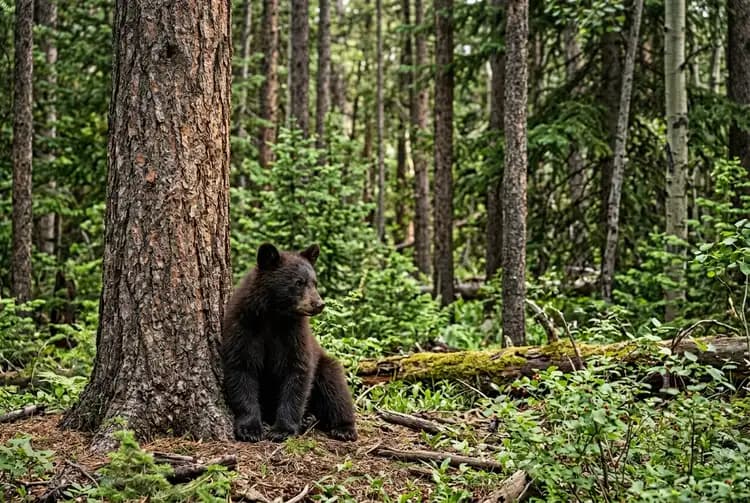
The park's black bear population is small by national park standards, generally estimated in the low hundreds across more than 400 square miles. Compare that to the density in the Smokies or Yosemite and the difference is stark.
There is a straightforward ecological reason. Much of Rocky Mountain National Park sits high, above 9,000 feet, and a lot of it is above treeline altogether. That is thin habitat for a bear: not much mast, few berries, short seasons. The bears here concentrate in the lower montane forest on the east and west edges, and they are genuinely scarce in the high country most visitors spend their time in.
Most people who visit for a week never see one. That is normal, not bad luck.
Black Bear Behaviour, Which Is Not Grizzly Behaviour
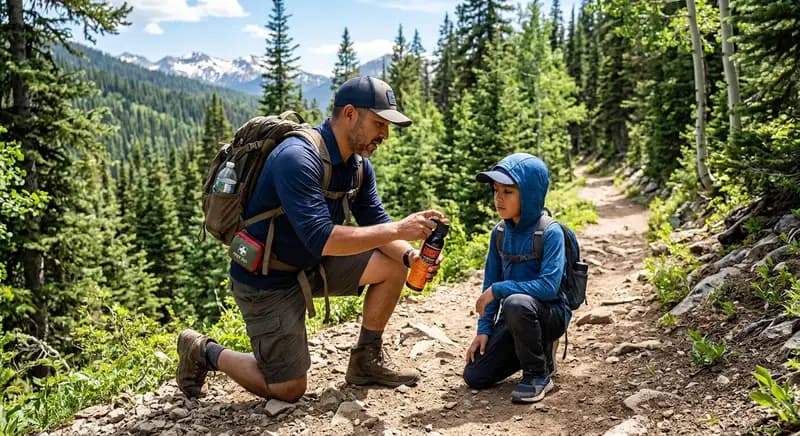
Black bears are timid around people in a way grizzlies are not. Almost every encounter here ends with the bear leaving. The standard advice, and it genuinely is different from grizzly country:
- Do not run. Running triggers pursuit in almost every animal that has ever chased anything.
- Make yourself large and loud. With a black bear, standing your ground and shouting is the correct response. Playing dead is grizzly advice and it is wrong here.
- Back away slowly, facing the animal, giving it a clear escape route.
- Never get between a sow and cubs, which is the one situation that turns a timid animal into a defensive one.
Food Storage Is the Real Rule
The rules exist to protect the bears more than you. A bear that learns to associate people with food becomes a problem bear, and problem bears get relocated or destroyed. In the backcountry, bear-resistant food storage is required, and that covers not just food but toothpaste, sunscreen, rubbish and anything scented.
At the campgrounds and picnic areas, use the metal lockers provided. A cooler in a car boot is not bear-proof, and a bear that has learned what a cooler looks like will open a car to get one.
The Animal That Actually Hurts People
It is the moose. Moose are common in the park, particularly on the west side around the Kawuneeche Valley and in the willow along the Colorado River headwaters, and they injure more people in Colorado every year than bears do.
A cow with a calf, or a bull in the autumn rut, will charge with no warning that most people recognise. Unlike with a bear, the correct response to a charging moose is to run, and to put a large tree between you and it. Give them hundreds of feet, not tens.
Elk are the other one worth respecting, especially during the September and October rut around Estes Park and Moraine Park, when bulls are aggressive and entirely unbothered by the presence of a camera.
Where Sightings Actually Happen
Bears turn up most often in the lower forested areas: around Wild Basin, the Moraine Park and Glacier Basin margins, and the west side near Grand Lake. Dawn and dusk, as with almost everything.
Moose are far more reliable. The Kawuneeche Valley on the west side is close to a guaranteed sighting in the early morning, and there is a real chance in the willow flats around Sprague Lake too.
Bears in Rocky Mountain National Park: What Actually Lives There FAQs
No. There are no grizzly bears in Rocky Mountain National Park or anywhere else in Colorado. They were extirpated from the state, with the last confirmed animal killed in the San Juan Mountains in 1979. The park has black bears only.
Not very. The black bear population is small, generally estimated in the low hundreds across more than 400 square miles, and much of the park is high or above treeline, which is poor bear habitat. Many visitors never see one.
Do not run. Stand your ground, make yourself look large, and make noise. Back away slowly while facing the animal and leave it an escape route. Playing dead is advice for grizzly encounters and is the wrong response to a black bear.
Yes, and they are much easier to see than bears, especially in the Kawuneeche Valley on the west side and in the willow around the Colorado River headwaters. Early morning is the reliable time.
The moose. They injure more people in Colorado each year than bears do, particularly cows with calves and bulls during the autumn rut. Unlike with a bear, the right response to a charging moose is to run and put a tree between you and it.
In the backcountry, yes, it is required, and it covers scented items like toothpaste and sunscreen as well as food. At campgrounds and picnic areas, use the metal lockers provided. A cooler in a car is not bear-proof.
Yes, black bears live in the park, mostly in the lower montane forest on the east and west edges rather than the high country most visitors spend their time in. There are no grizzly bears in Rocky Mountain National Park or anywhere else in Colorado.
Only black bears, in a population generally estimated in the low hundreds across more than 400 square miles. They range in color from black to cinnamon brown, which trips people up because a brown black bear looks grizzly-colored, but the species here is American black bear only.
Yes. The worked day-by-day plan is Rocky Mountain National Park Itinerary: 3 Days in Estes Park (3 Days), with the permits, the stays and the drive times already sorted. Tell us your dates and we will put it together for you and confirm what is genuinely open on those days. Asking is free: no card, no deposit, and nothing is held until you say yes.