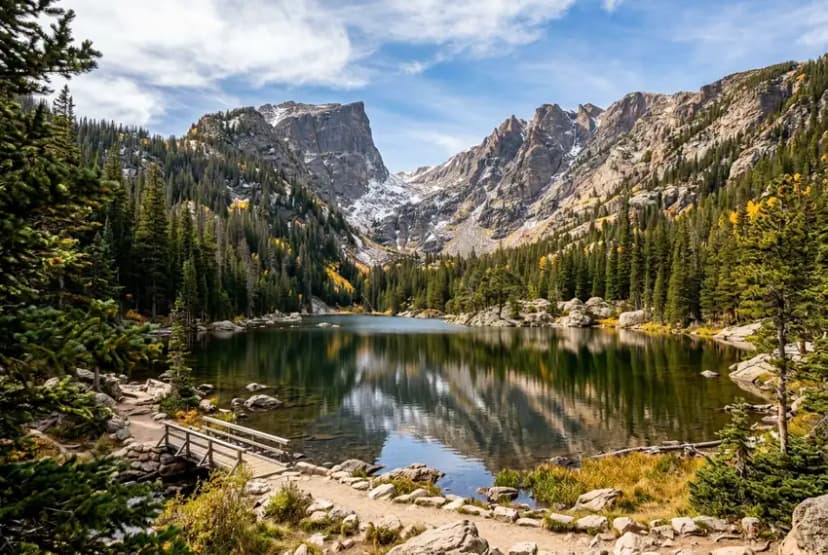
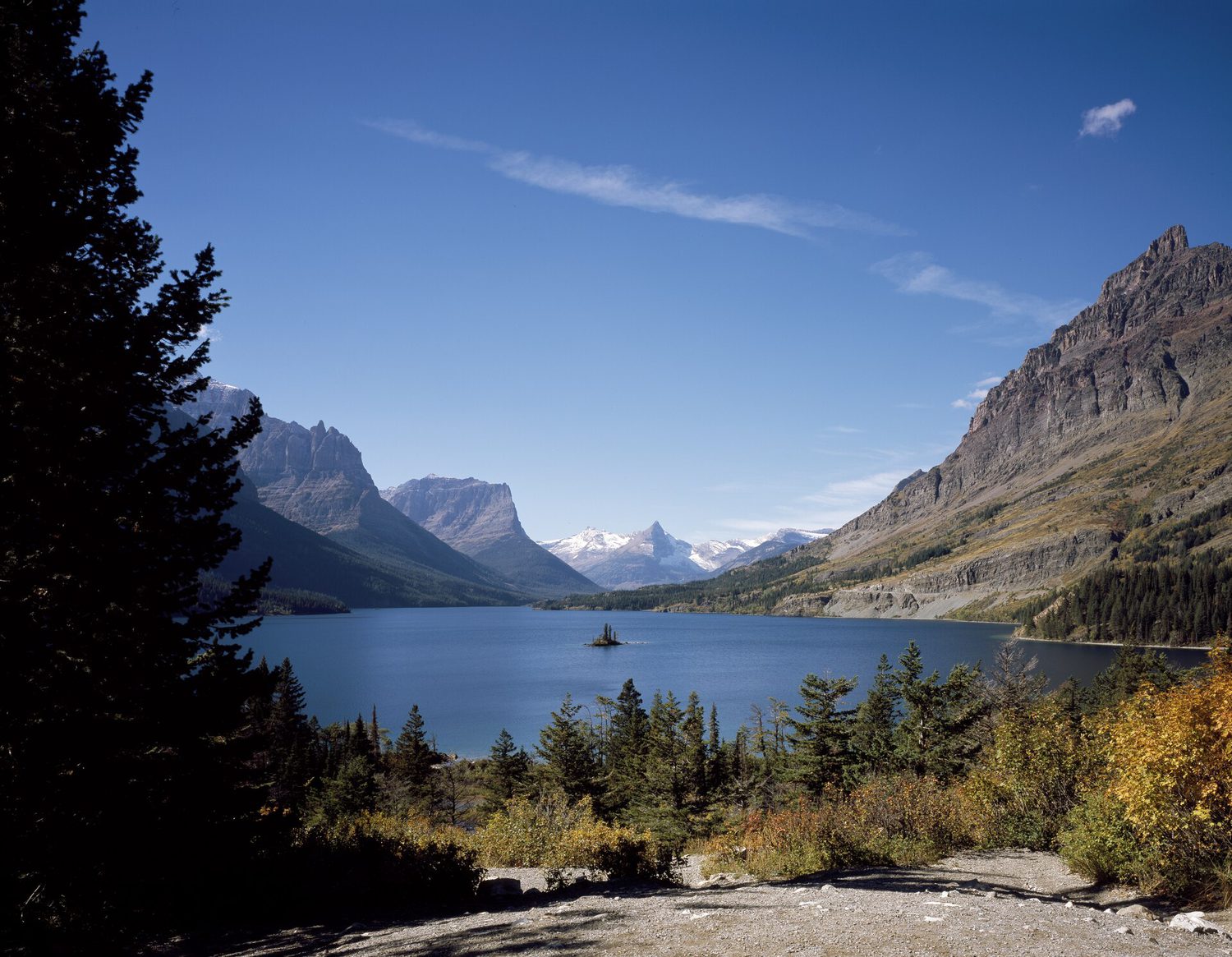
Trail Ridge Road is the headline drive of Rocky Mountain National Park and the highest continuous paved highway in the United States, topping out at 12,183 feet. Over 48 miles between Estes Park and Grand Lake, it climbs through pine forest, breaks above treeline into raw alpine tundra, and delivers views that stretch a hundred miles. This Trail Ridge Road guide covers when to go, the best stops, and how to do it comfortably with kids.
When Trail Ridge Road is open
The road is seasonal. It typically opens by Memorial Day weekend in late May and closes for the winter in mid-October, depending on snow. Plowing crews clear drifts up to 20 feet deep each spring using rotary plows, and a single late-season storm can shut the top again with little warning. Even in summer the upper section can close temporarily for afternoon storms or snow, so check the park's road status line and webpage the morning you plan to drive. In June, snow walls still line parts of the road, which kids love, and the lower forested stretch from Estes Park to Rainbow Curve stays open and plowed well before and after the high section closes for the season. Plan your drive for a clear-weather day if you have any flexibility in your trip.
The best stops, west to the top
Driving from Estes Park, plan for two to three hours one way with stops. The highlights:
- Many Parks Curve for your first big valley overlook.
- Rainbow Curve at 10,829 feet, looking down on Horseshoe Park and the Alluvial Fan.
- Forest Canyon Overlook, a short paved path to a dramatic glacial valley view.
- Tundra Communities Trail, an easy half-mile paved walk through fragile alpine tundra with marmots and pikas.
- Alpine Visitor Center at 11,796 feet, the highest visitor center in the National Park System, with a cafe and restrooms.
- Gore Range Overlook and the high point near Lava Cliffs.
The alpine tundra: a world above the trees
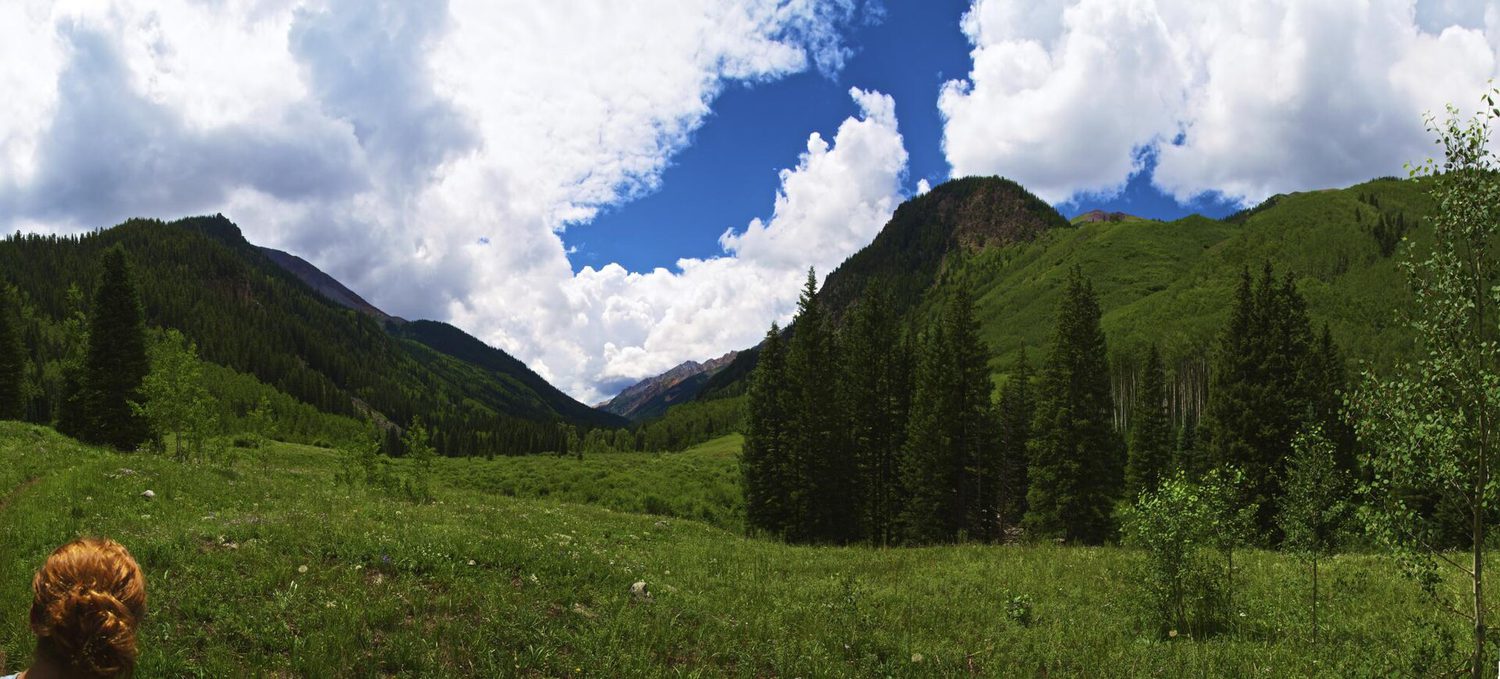
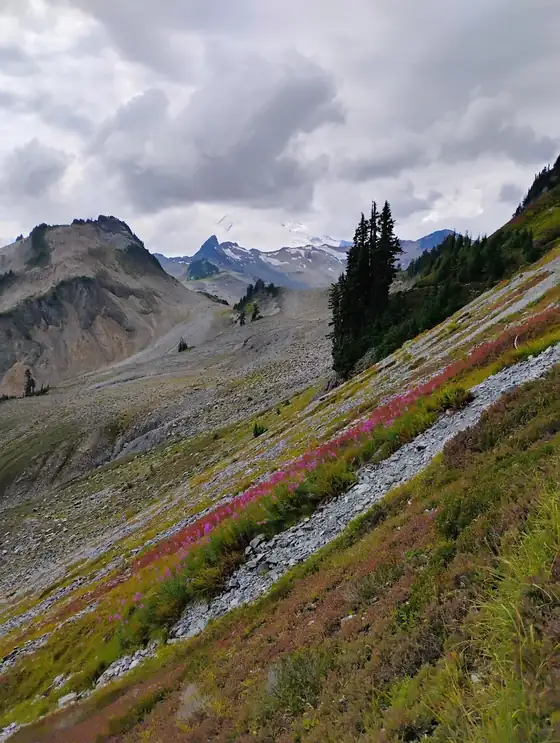
The most special part of Trail Ridge Road is the eleven miles that run above treeline, higher than any trees can grow. This is true alpine tundra, the same ecosystem you would find in the Arctic, and it covers a third of the park. Cushion plants, alpine sunflowers, and tiny wildflowers bloom in a brief summer window, and the ground is dotted with marmots sunning on rocks and pikas darting between boulders with mouthfuls of grass. The Tundra Communities Trail and the boardwalks at the Alpine Visitor Center let you walk through it without trampling the fragile vegetation, which can take hundreds of years to recover from a single footprint. Reading the interpretive signs here turns the stop into a genuine learning moment for kids.
Altitude and weather
You will gain over 4,000 feet of elevation in under an hour, and some people feel lightheaded or short of breath at the top. Drink plenty of water, go slow, and do not be surprised if it is 30 degrees colder and windier at the Alpine Visitor Center than in town. Pack a warm jacket, gloves, and a hat even in July, because wind chill at 12,000 feet can feel near freezing. Watch for afternoon thunderstorms, which arrive fast above treeline and make the exposed road genuinely dangerous with lightning. Aim to be at the high points by late morning and headed back down before clouds build. If anyone in your group has heart or breathing conditions, the extreme altitude is worth taking seriously.
Tips for families and timing
The drive is long for small kids, so break it up with the short tundra walks and a snack stop at the Alpine Visitor Center. A timed-entry reservation is required to enter the park in summer, but once inside you can drive Trail Ridge Road freely. Keep an eye out for elk, bighorn sheep, and yellow-bellied marmots along the upper sections. Remember to stay on marked trails, because the tundra plants you see are decades or even centuries old and crushed easily. A few practical notes that make the day smoother:
- Top off your gas tank in Estes Park, because there are no services on the road itself.
- Bring layers for everyone, since you may go from shorts weather to snow flurries in 45 minutes.
- Use the official pullouts for photos rather than stopping in the lane.
- Pack motion-sickness remedies if your kids are sensitive, because the upper switchbacks are winding.
- You can drive all the way to Grand Lake and loop back, or turn around at the Alpine Visitor Center to save time.
Where the drive fits in your trip
Trail Ridge Road is best as a half-day centerpiece rather than something to rush. Pairing it with morning lake hikes and an evening of elk watching makes for a perfectly balanced day. Our Rocky Mountain National Park family adventure itinerary schedules the tundra drive on a clear morning and pairs it with the easy trails and wildlife meadows so you experience the full range of the park without overpacking any single day.
Trail Ridge Road Guide FAQs
Trail Ridge Road typically opens by Memorial Day weekend in late May and closes in mid-October, weather permitting. The exact dates depend on snowpack, and the top can close temporarily during summer storms.
Plan for about two to three hours one way from Estes Park to Grand Lake with stops. Without stops the drive itself is roughly 1.5 hours, but the overlooks and short tundra walks are the whole point.
It is a well-maintained two-lane paved road with guardrails at the steepest points, but it does have exposed sections above treeline. Drive slowly, use the pullouts, and watch for altitude effects, which can affect young kids and adults alike.