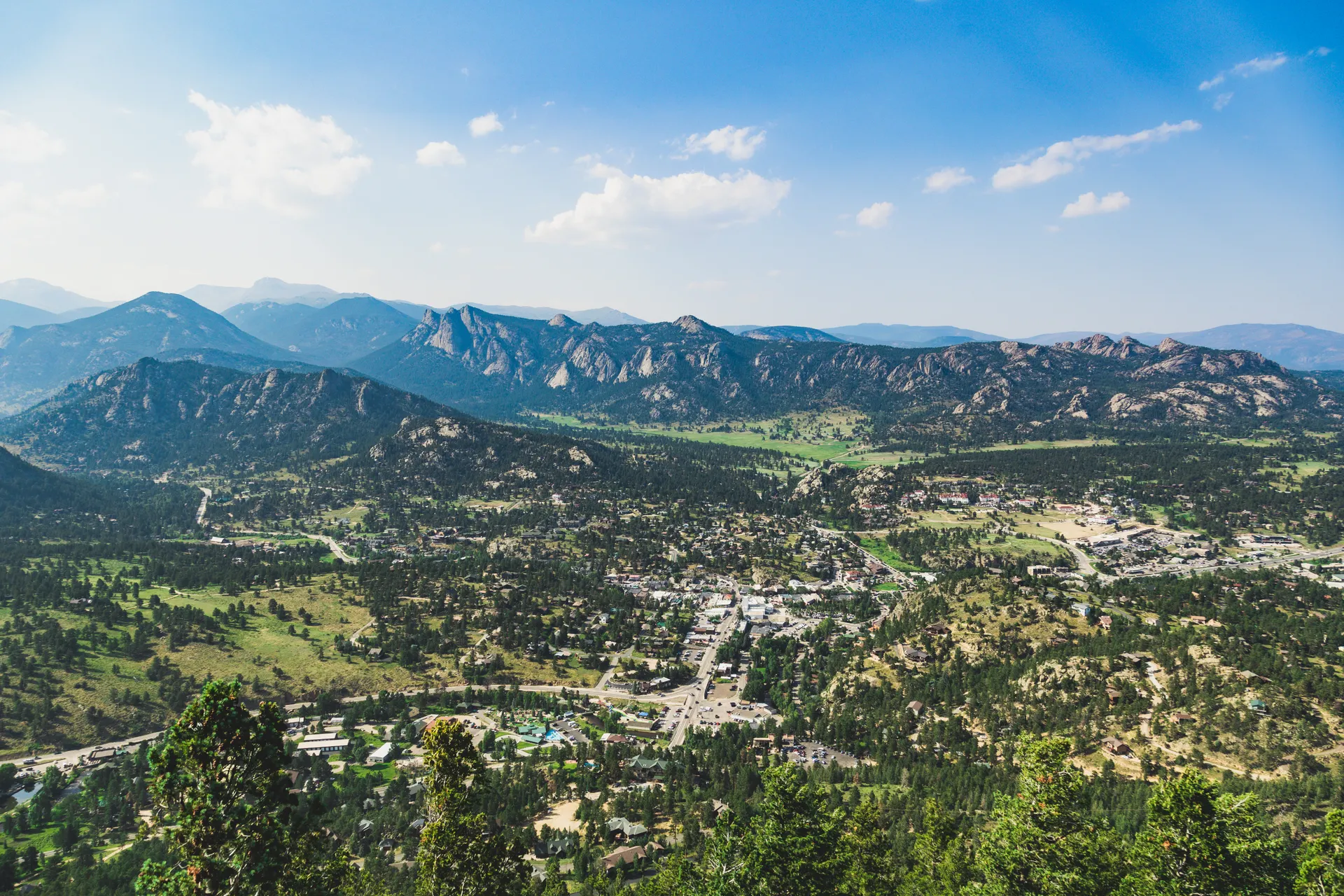
What the elk rut is and why people travel for it
Every autumn the meadows around Estes Park fill with one of North America's great wildlife spectacles: the elk rut. Bull elk gather harems of cows, spar with rivals, and let loose an eerie, high-pitched call called bugling that carries across the valleys at dawn and dusk. Hundreds of elk move down from the high country into the open parks, and the town of Estes Park itself often hosts elk lounging on lawns and golf courses. It is a free, unforgettable show if you know where and when to look.
The rut overlaps beautifully with the golden aspens, making early fall one of the best times to combine wildlife with hiking. Our Rocky Mountain National Park itinerary works just as well in September, when you can pair morning lake hikes with evening elk viewing.
When the rut peaks
The elk rut runs roughly from early September into mid October, with the most intense bugling and sparring usually in the last two weeks of September. Cold, crisp mornings tend to bring the most activity. Plan your viewing for the first hour after sunrise or the last two hours before dark, when the elk are most active and the light is best for photos.
The best places to see elk
A few open meadows reliably produce sightings. Arrive early to claim a pullout:
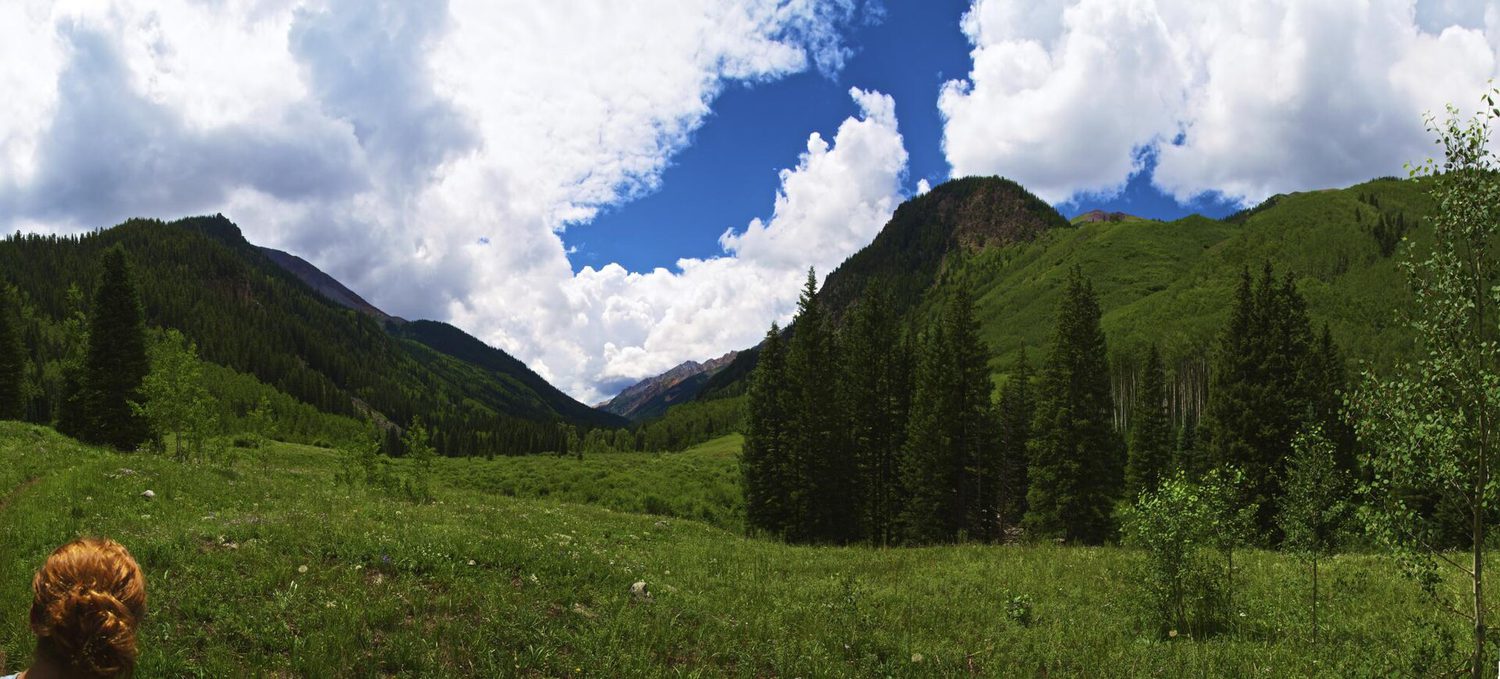
- Moraine Park: a broad valley inside the park along Bear Lake Road, with large herds and big bulls. One of the most dependable spots.
- Horseshoe Park: near the Fall River entrance, with sweeping meadows ideal for watching from your car or a roadside pullout.
- Upper Beaver Meadows: quieter than Moraine, with a dirt access road and good morning light.
- In town: the Estes Park golf course, Lake Estes, and the fairgrounds frequently host elk, no park pass required.
How to watch safely and responsibly
Bull elk are wild, unpredictable, and during the rut they are loaded with hormones. People are injured every year by getting too close. Keep these rules in mind:
- Stay at least 25 yards (75 feet) from elk at all times, farther if a bull is agitated.
- Never get between a bull and his harem, or between a cow and her calf.
- Use a telephoto lens or binoculars instead of approaching for a photo.
- Stay in or near your vehicle in roadside meadows and never block traffic.
- Keep dogs leashed and away from the meadows entirely.
Rangers and trained volunteers, often called the Bugle Corps, patrol popular meadows in fall to help visitors keep a safe distance. Follow their guidance.
Combining the rut with a hike
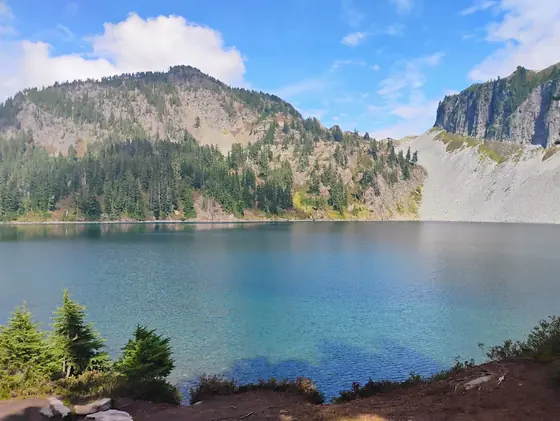
Fall is the ideal time to do both. Knock out a sunrise hike such as Emerald Lake from Bear Lake or a stroll among the golden aspens of Bierstadt Lake, then settle into Moraine Park as the light fades to listen for bugling. Trail Ridge Road usually stays open until the first heavy snow, often into mid October, giving you high-country views before the seasonal closure. To map all of this into a tidy multi-day plan with Estes Park as your base, see our complete Rocky Mountain National Park itinerary.
What to bring
Fall mornings near 8,000 feet are cold. Pack a warm jacket, gloves, and a hat for dawn viewing, plus binoculars or a zoom lens. A thermos of coffee makes the early start far more pleasant while you wait for the first bugle to echo across the meadow.
Estes Park Elk Rut: Where and When to See the Fall Bugling FAQs
The rut runs from early September into mid October, peaking in the last two weeks of September. Go at sunrise or in the two hours before dark, when bulls bugle and spar most actively.
Moraine Park and Horseshoe Park inside Rocky Mountain National Park are the most reliable spots, along with Upper Beaver Meadows. In town, elk often appear at the golf course, Lake Estes, and the fairgrounds.
Stay at least 25 yards, about 75 feet, from elk at all times and farther if a bull seems agitated. Never get between a bull and his harem. Use binoculars or a telephoto lens instead of approaching.