For many visitors, watching a bull elk bugle across a golden meadow is the single most memorable moment of a trip to Colorado's high country. The good news is that elk are easy to find here if you know where and when to look. This guide covers exactly where to see elk in Rocky Mountain National Park and around Estes Park, plus how to watch them safely.
The best meadows for elk
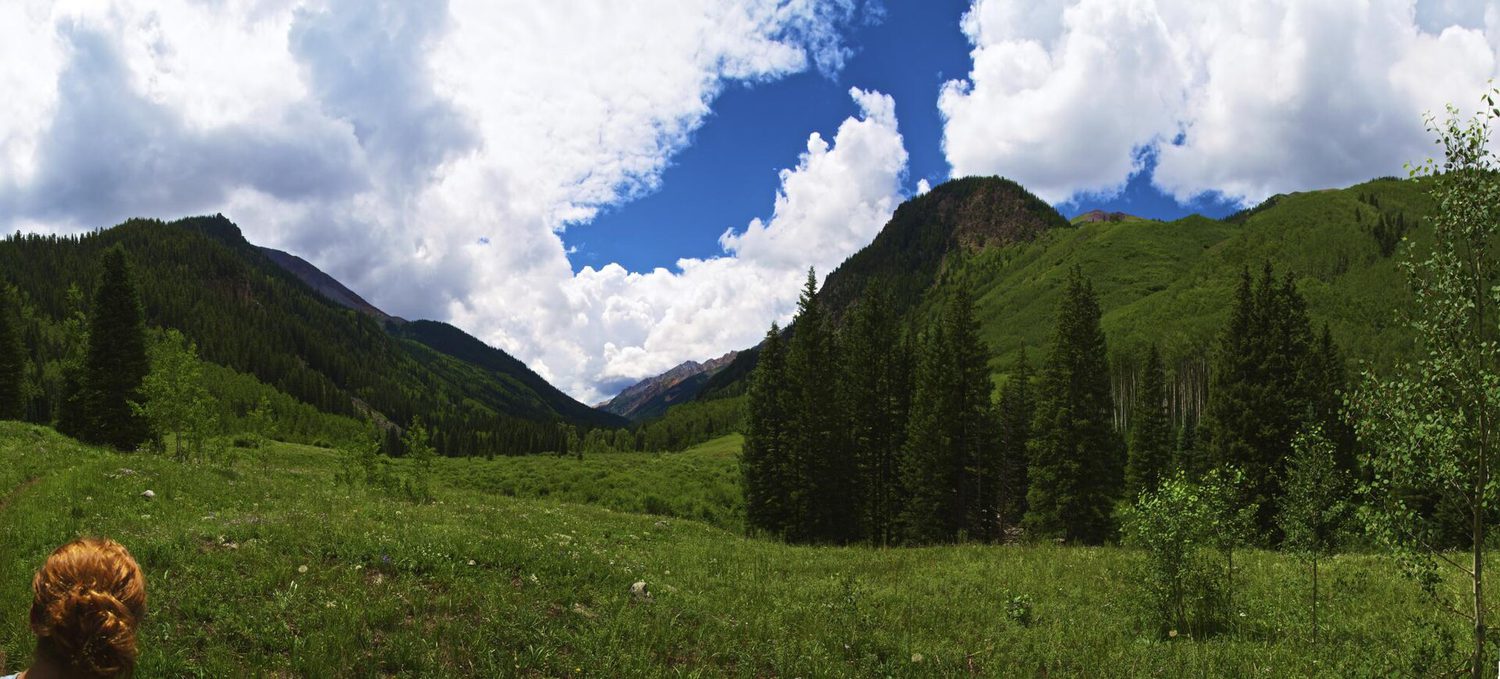
Elk congregate in the park's broad, grassy valleys at dawn and dusk. These are the most reliable spots:
- Moraine Park just inside the Beaver Meadows entrance is the single best bet, with large herds grazing the open valley most evenings.
- Horseshoe Park along the Fall River, especially the Sheep Lakes area, where elk and bighorn sheep both appear.
- Upper Beaver Meadows, a quieter pullout that often has elk with fewer people.
- Kawuneeche Valley on the Grand Lake (west) side, which has its own resident herd and frequent moose.
Elk right in town
You do not even have to enter the park to see elk near Estes Park. Herds routinely wander the golf course, the shoreline at Lake Estes, the grounds of the Stanley Hotel, and residential yards along the edge of town, particularly in fall. During the rut it is common to see a bull lounging on a lawn or crossing Elkhorn Avenue downtown while traffic waits. The town has learned to coexist with its elk, and the paved Lake Estes Trail is an easy, flat place to watch them at a safe distance with the kids. This makes elk viewing possible even on a day you do not have a park reservation.
The fall rut: the best show of the year
From mid-September through mid-October, bull elk gather harems and bugle their eerie, high-pitched calls across the meadows. This is the most dramatic time to visit. Bulls clash antlers, herd cows, paw the ground, and challenge rivals at close range, and the bugling carries for a mile across a quiet valley at dusk. The park runs the Elk Bugle Corps, with volunteers managing traffic and crowds at the popular meadows during rut evenings, so arrive an hour before sunset for a good viewing spot. Bring a jacket, because once the sun drops behind the divide the temperature falls fast. Moraine Park and Horseshoe Park are the prime rut theaters, and weekends draw big crowds, so a weekday evening is calmer.
Best time of day and year
Plan for the golden hours. Elk are most active and visible roughly one hour after sunrise and one to two hours before sunset, when they move from forest cover into the open meadows to graze. Midday sightings are rare in summer because the animals retreat to shade at higher elevations, often along Trail Ridge Road's upper meadows where they escape the heat and bugs. Late spring brings cute, spotted calves to the meadows in late May and June, a gentler experience than the intense fall rut and a favorite with younger kids. Winter is quiet but rewarding too, with herds wintering in the lower valleys around Estes Park and Horseshoe Park where the snow is shallow enough to dig down to grass.
Other wildlife you will likely see
While you are scanning the meadows for elk, keep an eye out for the park's other large mammals. Moose are increasingly common, especially on the Kawuneeche Valley and west side near Grand Lake, where they browse the willows along the Colorado River. Bighorn sheep gather at Sheep Lakes in Horseshoe Park, typically in late spring and early summer when they descend to lick minerals. Mule deer are everywhere, and coyotes trot the meadow edges at dawn. The same golden hours that bring out elk are your best window for all of these animals.
Watch safely and ethically
Elk are large wild animals and can be dangerous, especially bulls during the rut and cows protecting calves. The park requires you to stay at least 75 feet away. Use binoculars or a zoom lens rather than approaching, never get between a bull and his harem, and keep dogs out of the meadows entirely. Stay in your car or on established trails and pullouts, do not block traffic, and turn off your engine and voices to actually hear the bugling. Feeding wildlife is illegal and harmful. Teaching kids to watch quietly and patiently is part of the magic, and it keeps both your family and the animals safe.
Pair elk viewing with the rest of the park
An evening of elk watching in Moraine Park slots perfectly into a multi-day family trip alongside easy lake hikes and the alpine tundra drive. Our Rocky Mountain National Park family adventure itinerary builds a sunrise or sunset elk session into the schedule so you catch the meadows at exactly the right hour without missing the daytime trails.
Where to See Elk in Rocky Mountain National Park FAQs
Moraine Park, just inside the Beaver Meadows entrance, is the most reliable spot. Horseshoe Park and Upper Beaver Meadows are also excellent, especially at dawn and dusk.
The rut runs from mid-September through mid-October. Evenings are best, when bull elk bugle and gather harems in the open meadows. Arrive about an hour before sunset.
You must stay at least 75 feet away from elk at all times. They are unpredictable, particularly bulls during the rut and cows with calves, so use binoculars or a zoom lens instead of approaching.