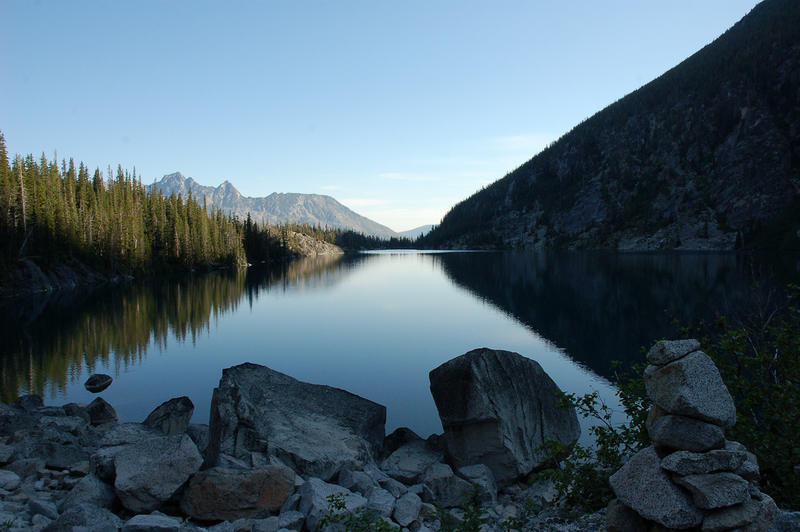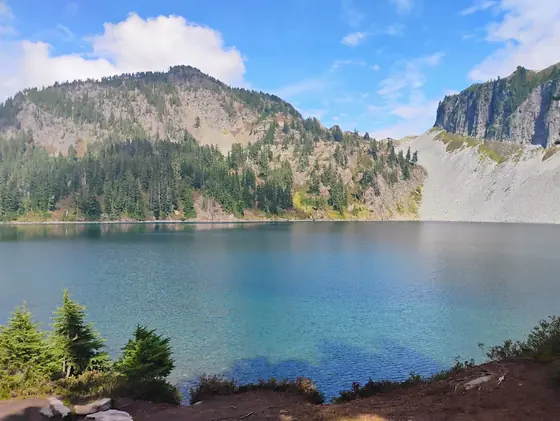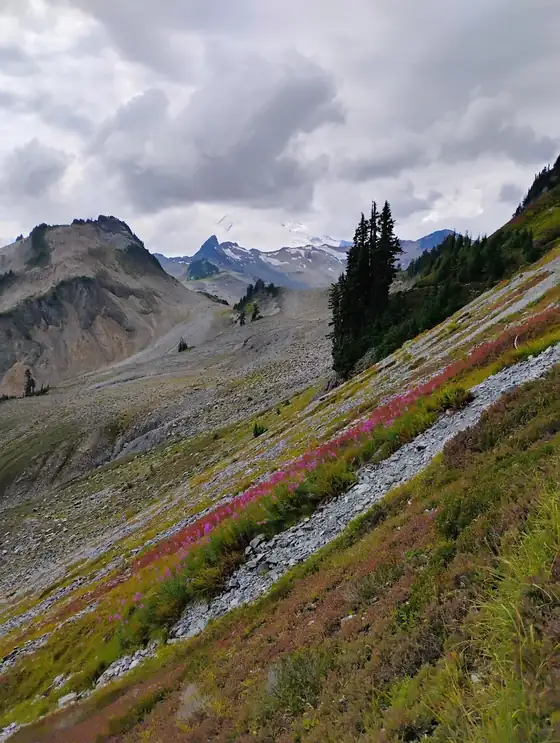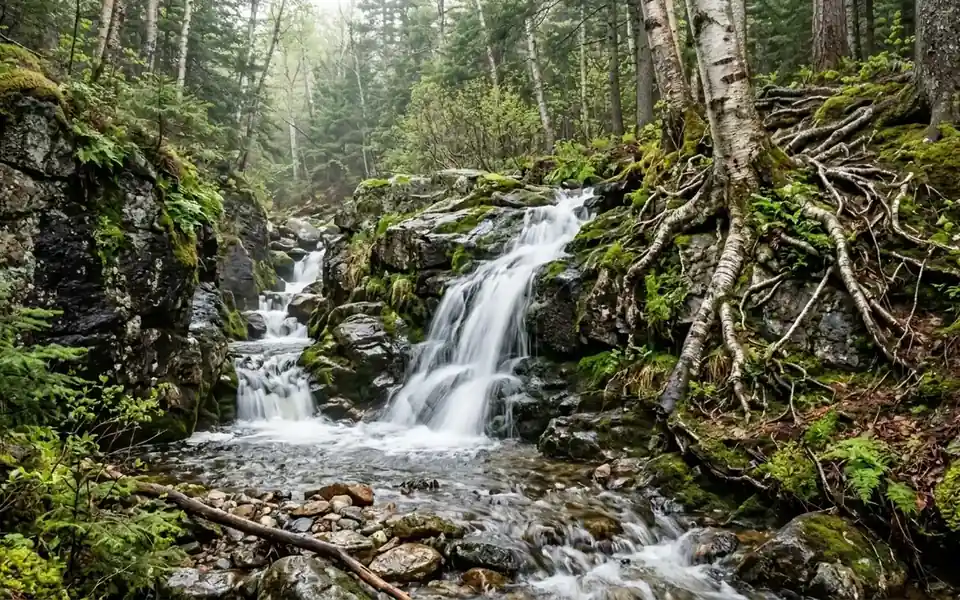
Let us be honest up front: Acadia is not a waterfall park. It is a granite-and-ocean park, and nobody comes to Mount Desert Island for the cascades. But there are four genuinely worthwhile Acadia National Park waterfalls, and if you time your visit right they are lovely, uncrowded, and reached on hikes that would be worth doing anyway.
Timing is the whole game here, because these are snowmelt waterfalls, not spring-fed ones.
The timing problem nobody mentions
Acadia's waterfalls begin running as soon as the snow starts melting and are mostly dry by summer. Hadlock Brook in particular draws most of its flow from spring runoff, so by mid-summer the park's tallest waterfall is barely a trickle down a granite face.
This is the single most useful thing to know. Visitors arrive in July having read about a 40-foot waterfall, hike to Waterfall Bridge, and find a wet rock. The waterfalls are a spring attraction, roughly April into early June, peaking with the melt and after heavy rain.
If you are visiting Acadia in spring specifically, this is the thing spring does better than any other season. The foliage crowds are months away, the carriage roads are quiet, and the brooks are the loudest they get all year. The trade-off is mud season closures on the carriage roads while the surface thaws, and genuinely cold, wet weather.
Hadlock Falls (the tallest, and the easiest)
At around 40 feet, Hadlock Falls is the highest waterfall in Acadia. Hadlock Brook drops down an exposed granite face and tumbles beneath Waterfall Bridge, one of the most photogenic of the park's seventeen carriage road bridges. The bridge was built with the falls in mind, and the view from it is the classic shot.
Getting there is easy: start from the Parkman Mountain or Norumbega Mountain parking areas off Route 198 and follow the carriage roads to Waterfall Bridge. It is a gentle walk on crushed stone, suitable for most people, and can be combined with Parkman Mountain or Bald Peak if you want to make a morning of it.
Go after heavy spring rain and it is genuinely impressive. Go in August and you will wonder what you came for.
Man o' War Brook Falls (the one that reaches the sea)
On the west side of the island, Man o' War Brook drops down toward Somes Sound, the only true fjard on the US East Coast. The falls sit near the bottom of the Man o' War Brook fire road, reached from the Acadia Mountain or Valley Peak trails.
The historical detail is the fun part: the brook is named for the sailing warships that once came into the sound to refill their water casks directly from the falling fresh water, deep enough that ships could get close in. Combine it with the Acadia Mountain loop, a 2.5-mile moderate hike with the best views over the sound in the park, and you have one of the better west-side mornings available.
Canon Brook (the wild one)
Canon Brook tumbles out of the Featherbed, a small mountain pond on the flank of Cadillac Mountain, then finds its way down over bare granite and jumbled boulders in a long series of small falls rather than one big drop.
This is the least manicured of the four. The Canon Brook Trail is rougher, wetter, and much less travelled than the carriage roads, and in spring the crossings can be genuinely awkward. Worth it if you want the version of Acadia where you do not see anybody.
Duck Brook (the bridge more than the falls)
Just outside Bar Harbor, Duck Brook Bridge is the grandest of the carriage road bridges, a triple-arched structure in local granite. The brook below runs well in spring and the walk in from Duck Brook Road is short and flat. This is the one to do if you have an hour and no appetite for a climb, and the bridge itself is the real attraction.
Putting them together
You can see all four in a day in spring without rushing: Duck Brook on the way out of Bar Harbor, Hadlock Falls and Waterfall Bridge on the carriage roads mid-morning, Man o' War Brook combined with Acadia Mountain in the afternoon, and Canon Brook if you still have energy and dry feet.
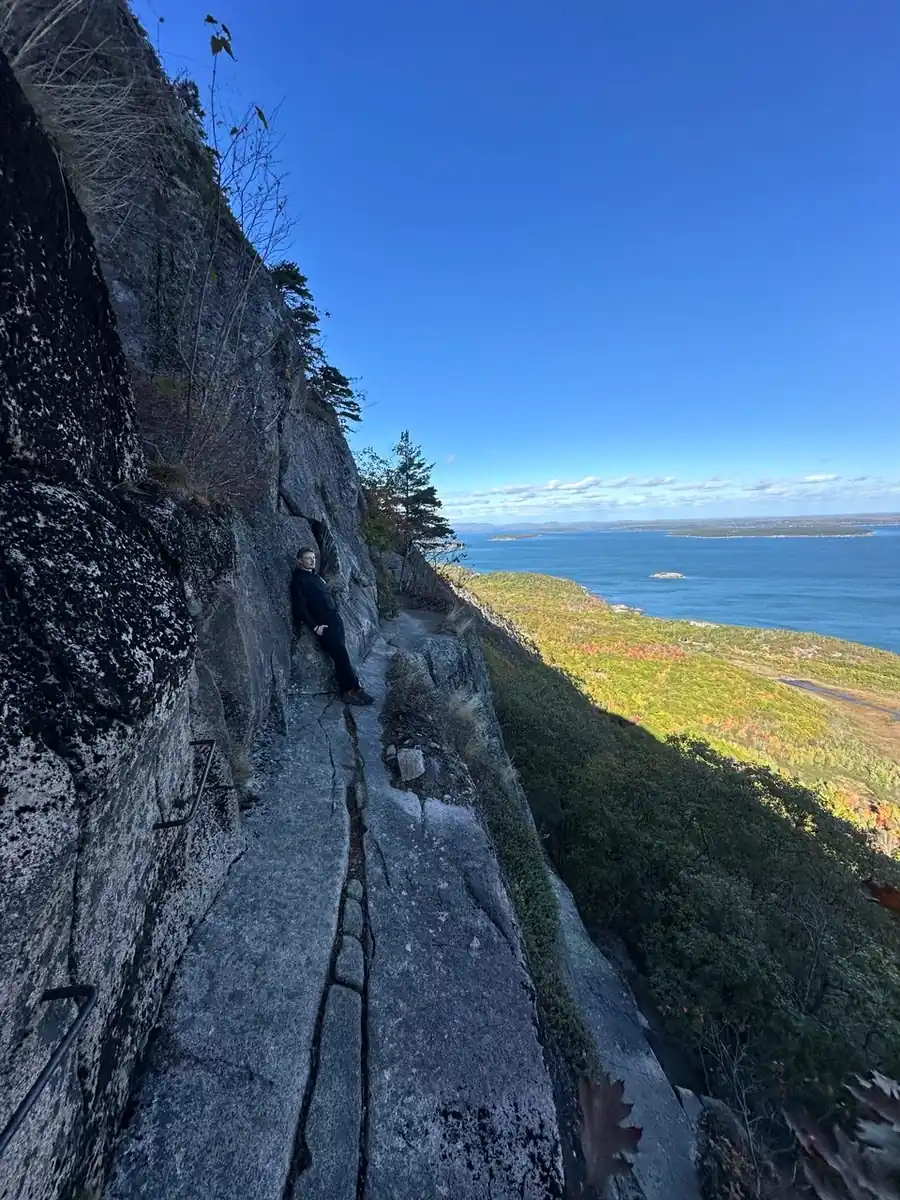
Practical notes: brook crossings run high in the melt, so waterproof boots matter more than usual, and wet granite is treacherous, which is the same warning that applies to the Precipice all year. Carriage roads may be closed during mud season while the surface thaws, and those closures are worth respecting since the roadbed is genuinely fragile then.
If you are visiting later in the year when the brooks have gone quiet, the park's real headline acts are the coast and the summits. Our Acadia National Park 3 day itinerary covers those day by day, and our guide to the best Acadia hiking trails ranks the routes by difficulty.
Acadia National Park Waterfalls: Where to Go and When FAQs
Yes, four worth seeking out: Hadlock Falls at Waterfall Bridge, Man o' War Brook Falls above Somes Sound, Canon Brook on the flank of Cadillac Mountain, and Duck Brook near Bar Harbor. Acadia is not primarily a waterfall park, but these are genuine and reached on hikes worth doing anyway.
Hadlock Falls, at roughly 40 feet. Hadlock Brook drops down an exposed granite face and passes beneath Waterfall Bridge, one of the most photogenic of the park's carriage road bridges.
Spring, roughly April into early June. Acadia's waterfalls run on snowmelt and start flowing as soon as the snow begins to melt, then are mostly dry by summer. Hadlock Falls in particular is often just a trickle by mid-summer, so a July visit will likely disappoint.
Park at the Parkman Mountain or Norumbega Mountain lots off Route 198 and follow the carriage roads to Waterfall Bridge. It is a gentle walk on crushed stone that suits most fitness levels, and it combines easily with Parkman Mountain or Bald Peak for a longer morning.
The brook is named for the sailing warships that once entered Somes Sound to refill their water casks directly from the falling fresh water. The sound is deep enough that large ships could get close to shore to do it.
Usually, but they close during mud season while the thawing surface is vulnerable to damage. Those closures are worth respecting, since the crushed-stone roadbed is genuinely fragile during the thaw. Check current conditions before planning a carriage road walk in early spring.