Frank Church River of No Return Map
The largest wilderness in the Lower 48, river and high country in one trip.
10-day Frank Church River of No Return Wilderness expedition. Raft the Main Salmon from Corn Creek, backpack the Bighorn Crags to Ship Island Lake, and fly out by bush plane, the largest contiguous wilderness in the Lower 48 in one trip from Salmon, Idaho.
“I’ve requested to book a Chain Lakes Loop guide on ExplorOFF, and it was the best idea ever! I highly recommend going with their guided option since you get a real human connection on the trail and don’t have to worry about a thing. Yulia was great to talk to!”
 27 stops on a real mapEvery stop pinned in order→
Frank Church River of No Return: every stop pinned in order.
Main Salmon River & Bighorn Crags · Frank Church Wilderness · Idaho
Every stop on this trip, in order, opens as one driving route in the Google Maps app. No copying addresses across one at a time.
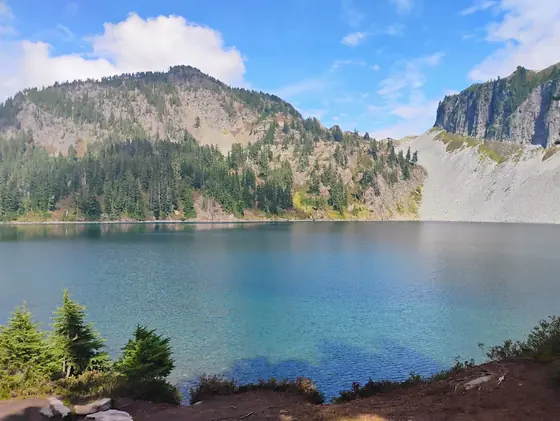
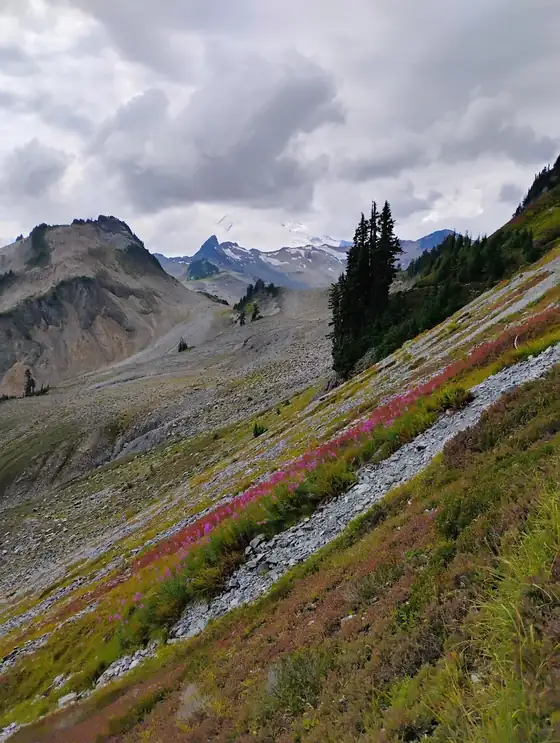
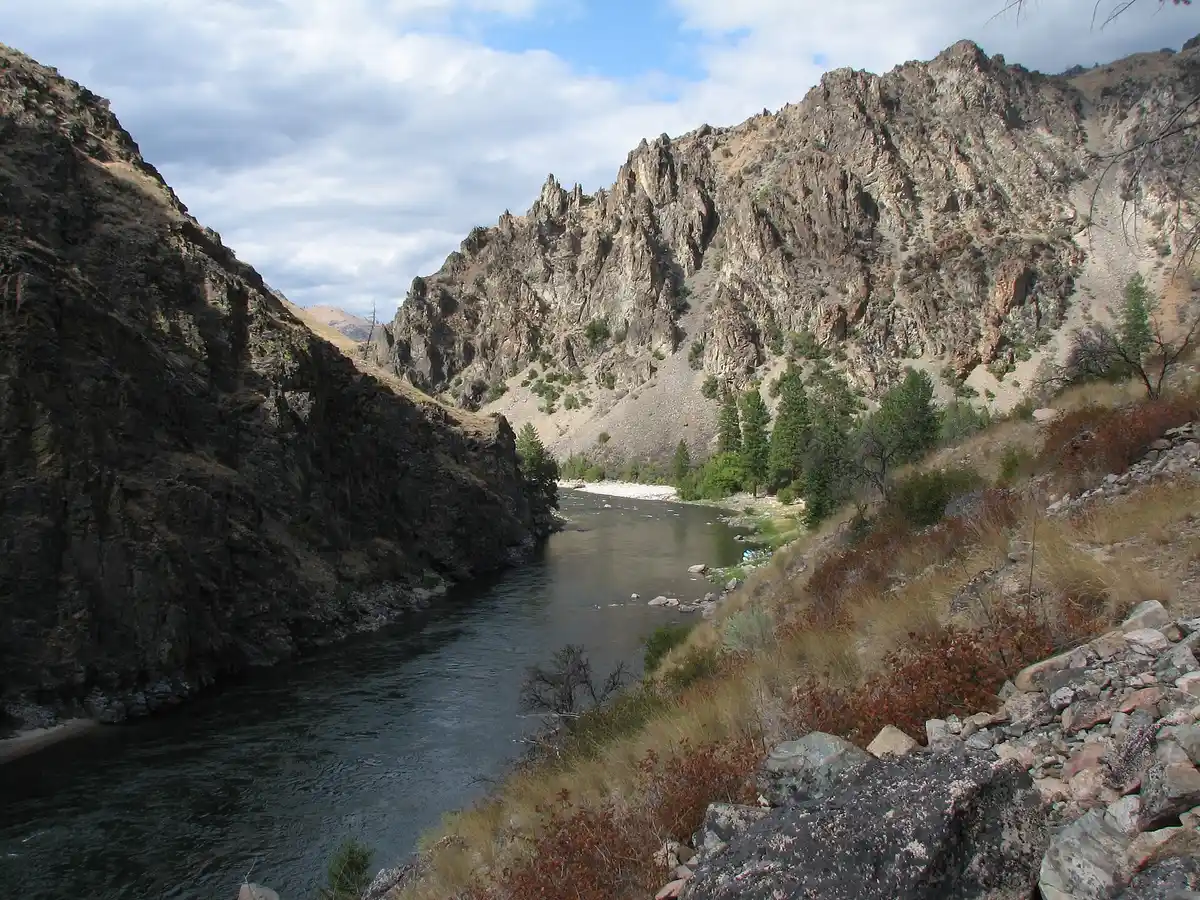
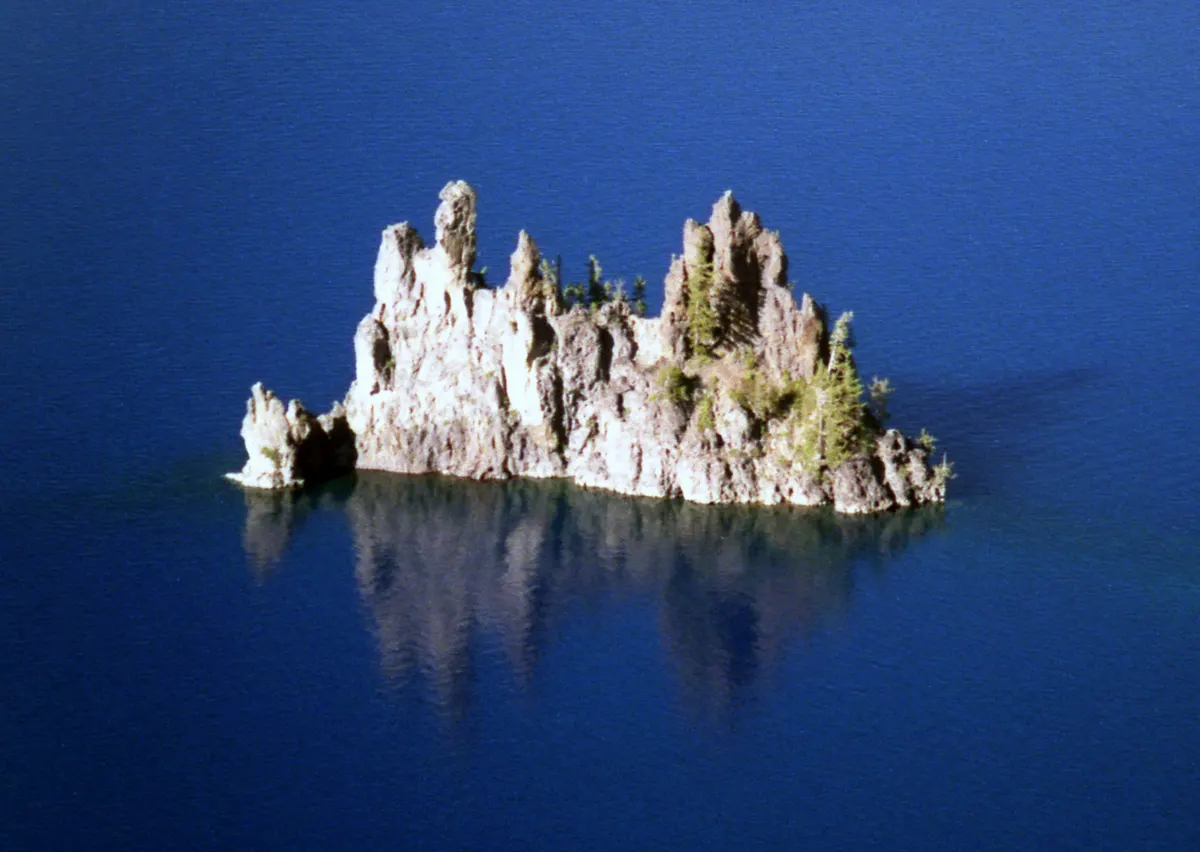
Frank Church River of No Return in photos: 2 of the stops.
Plan and book your 10 days in The Frank, one step at a time
How 10 days in The Frank split up
Plan 10 days for The Frank. River: Main Salmon. Backpacking: Bighorn Crags. Permits: Required. The Frank Church–River of No Return Wilderness, known simply as "The Frank," is the largest contiguous wilderness area in the Lower 48 states. This 10-day expedition combines exhilarating whitewater on the Main Salmon River, strenuous backpacking in the Bighorn Crags, and a bush-plane fly-in deep into roadless Idaho.
Day 1: Arrive in Salmon, ID & Pre-Trip Briefing
3 stops · Day one
Day 2: Fly into the Wilderness & River Launch
4 stops · Day two
Day 3: Whitewater on the Main Salmon
3 stops · Day three
Day 4: Big Mallard & River Immersion
3 stops · Day four
Day 5: Off the River & Base Camp for the Crags
2 stops · Day five
Day 6: Backpack into the Bighorn Crags
3 stops · Day six
Day 7: Exploring the Bighorn Crags High Country
3 stops · Day seven
Day 8: Descend the Crags to Base Camp
2 stops · Day eight
Day 9: Bush Plane Return to Salmon, ID
2 stops · Day nine
Day 10: Departure from Salmon, ID
2 stops · Day ten
Arrive in Salmon, ID & Pre-Trip Briefing
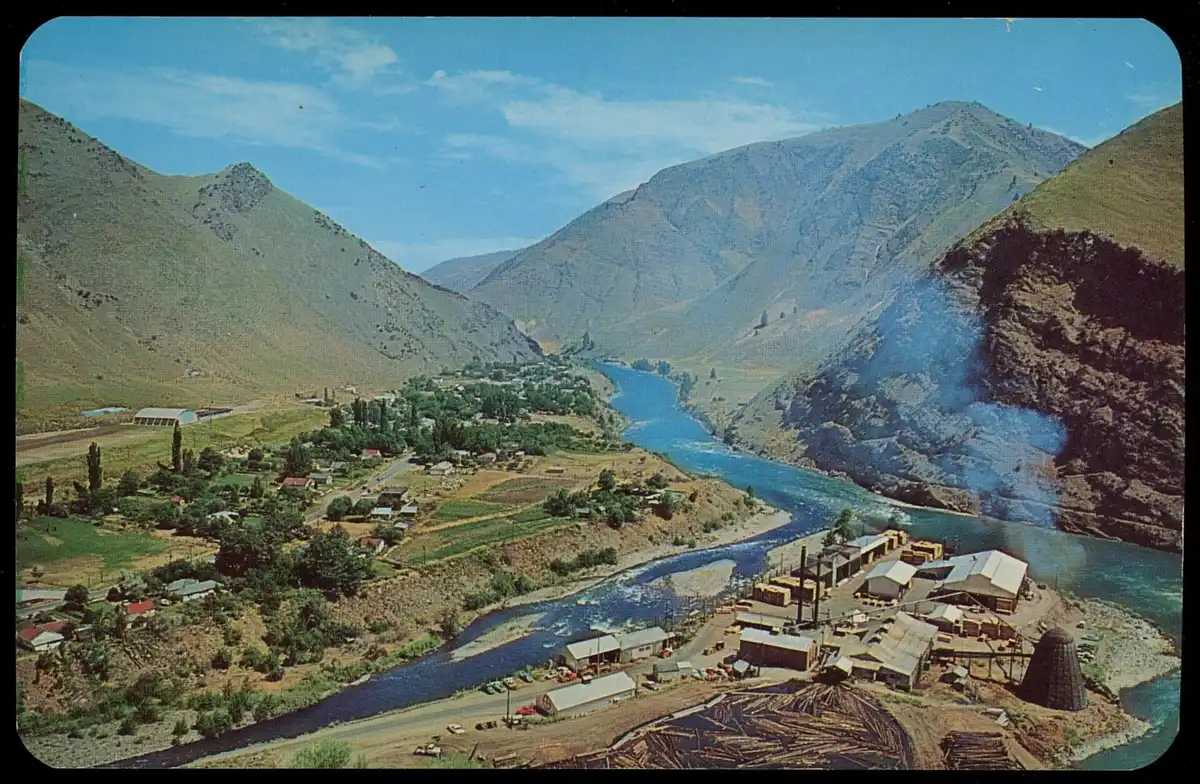
Arrive in Salmon, Idaho, the gateway town for the Frank Church Wilderness. Salmon is about 4–5 hours from Boise (BOI) and 2.5–3 hours from Missoula (MSO). Spend the afternoon on last-minute gear checks and a mandatory pre-trip briefing with your outfitter covering safety, logistics, and the days ahead.
Not the order you want? Drag a stop, or use the arrows beside it. Stops move between days too.
- Drive from
4–5 hr from Boise (BOI) · 2.5–3 hr from Missoula (MSO) · DriveTravel to Salmon, Idaho, the primary gateway town for the Frank Church Wilderness. It is about 4–5 hours from Boise (BOI) and 2.5–3 hours from Missoula (MSO). This small town (population ~3,000) is your last stop for supplies and amenities before you fly into the wilderness.
- Check into Salmon lodging
Limited motels & B&Bs · book well ahead · lodgeSettle into your accommodation in Salmon. Options range from motels to small lodges and fill up fast in summer river season, so confirm your booking in advance. Prepare for an early start tomorrow when everything you own has to fit inside a bush plane.
- Outfitter pre-trip briefing
1–2 hr · mandatory for organized trips · activityAttend the mandatory outfitter briefing covering safety protocols, gear distribution, and an itinerary overview. Meet your guides and fellow expedition members, do a final gear check, and confirm bush-plane baggage-weight limits for the morning.
Fly into the Wilderness & River Launch
Transfer to the Salmon airport for an early departure and fly deep into the Frank Church Wilderness by bush plane, an unmatched aerial view of the vast, roadless landscape. Land near the river, meet your guides, and rig the rafts for the Main Salmon.
Not the order you want? Drag a stop, or use the arrows beside it. Stops move between days too.
- Transfer to Salmon airport
Short drive · early departure · DriveAn early transfer from your lodging to the Salmon (Lemhi County) airport. Confirm baggage weight with the charter, do a final personal-items check, and meet your pilot before the flight into the wilderness.
- Bush plane flight into the wilderness
30–60 min · scenic roadless landscape · ViewpointFly deep into the Frank Church Wilderness by bush plane, with unparalleled aerial views of mountains and river canyons. Experienced backcountry pilots land near the Corn Creek launch area, accessing sections of the wilderness you cannot reach any other way.
Operator info → - Main Salmon River launch · Corn Creek
Rig rafts · safety briefing · permit required · HikeMeet your river guides and rig the rafts at the Corn Creek launch, the put-in for 79 miles of Wild & Scenic Main Salmon. A full safety briefing covers paddle commands, river hazards, and emergency procedures. A permit is required for the Wild section during the controlled season.
Official info → - Riverside beach camp
Wilderness camping · remote spot · lodgeSet up camp at a new, remote riverside location after an afternoon float mixing rapids and calm water with guide talks on the ecology and conservation of The Frank. Enjoy the evening ambiance and prepare for the transition to backpacking.
Whitewater on the Main Salmon
After breakfast, continue downstream into bigger water. Run Killum Rapid (Class III) and a string of lively wave trains, then pull over to explore riverside homesteads and mining relics that tell the story of the hardy settlers who lived here.
Not the order you want? Drag a stop, or use the arrows beside it. Stops move between days too.
- Killum Rapid & morning whitewater
10–15 mi · Class III · HikeAfter breakfast, continue downstream into bigger water and run Killum Rapid, a Class III challenge early in the day. Guides read and steer the hydraulics while you get a taste of active paddling and river hydrology. (Rapid location is approximate.)
- Historic homestead & mining sites
Short stops · early-settler history · ViewpointPull over at riverside homesteads and mining claims to explore the remnants of the hardy settlers who lived in this remote canyon. Guides give interpretive talks and there are excellent photo opportunities.
- Riverside beach camp
Wilderness camping · remote spot · lodgeSet up camp at a new, remote riverside location after an afternoon float mixing rapids and calm water with guide talks on the ecology and conservation of The Frank. Enjoy the evening ambiance and prepare for the transition to backpacking.
Big Mallard & River Immersion
Today brings Big Mallard Rapid (Class III–IV), one of the more significant drops on the Main Salmon, as the river carves into its deepest canyon sections and the sense of remoteness peaks. Guides read and run the biggest hydraulics of the trip.
Not the order you want? Drag a stop, or use the arrows beside it. Stops move between days too.
- Big Mallard Rapid & deep canyon
12–18 mi · Class III–IV · HikeToday features Big Mallard Rapid, one of the more significant drops on the Main Salmon (Class III–IV), as the river enters its deepest canyon sections. Guides provide expert navigation through the biggest water of the trip. (Rapid location is approximate.)
- Side hike to waterfall or hot spring
1–3 mi RT · moderate · HikeBreak from the boats for a side hike to a hidden waterfall or a natural hot spring, depending on river progress and access. These tributary hikes stretch your legs, offer a soak or a cool-down, and reveal the canyon geology up close.
- Riverside beach camp
Wilderness camping · remote spot · lodgeSet up camp at a new, remote riverside location after an afternoon float mixing rapids and calm water with guide talks on the ecology and conservation of The Frank. Enjoy the evening ambiance and prepare for the transition to backpacking.
Off the River & Base Camp for the Crags
Run the final, calmer river miles and reach the takeout, then transfer to a base camp near the Bighorn Crags trailhead at Crags Campground (elevation ~8,400 ft). Offload river gear, separate your backpacking kit, and repack for the high country.
Not the order you want? Drag a stop, or use the arrows beside it. Stops move between days too.
- Final rafting section & takeout
5–10 mi · Class II · HikeEnjoy a calmer final morning of rafting to the takeout that concludes the river portion. Reflect on the float, take in the last canyon views, and offload gear, separating river equipment from your backpacking essentials.
- Bighorn Crags base camp
Crags Campground trailhead · ~8,400 ft · lodgeTransfer to a base camp near the Bighorn Crags trailhead at Crags Campground (elevation ~8,400 ft). Consolidate your backpacking essentials, repack daypacks, and get an outfitter briefing on trail conditions, water, and bear safety before the strenuous climb tomorrow.
Backpack into the Bighorn Crags
Self-issue your wilderness permit at the trailhead kiosk, then begin the strenuous climb into the Bighorn Crags on the main Crags trail: roughly 6–8 miles with 2,000–3,000 ft of gain through forested valleys that open onto exposed, rocky terrain.
Not the order you want? Drag a stop, or use the arrows beside it. Stops move between days too.
- Self-issue wilderness permit & trailhead
Trailhead kiosk · no quota · no fee · HikeAt the Crags Campground trailhead, locate the kiosk and self-issue your wilderness permit. It is free, has no quota, and helps the Forest Service with safety and use data. Fill out all sections accurately and carry the permit with you.
Official info → - Ascend the Bighorn Crags trail
6–8 mi · 2,000–3,000 ft gain · strenuous · HikeBegin the strenuous climb into the Bighorn Crags on the main trail, gaining 2,000–3,000 ft through forested valleys that open onto exposed, rocky terrain with expanding wilderness views. Carry adequate water and pace yourself on the sustained climb.
- High camp near Ship Island Lake
Alpine lake ~7,841 ft · bear canister required · lodgeReach a high-elevation camp near Ship Island Lake, the largest lake in the Crags at about 7,841 ft, ringed by granite and sparse subalpine vegetation. Filter water, pitch tents, and store all food in a bear canister. Prepare for cool nights above 8,000 ft.
Exploring the Bighorn Crags High Country
A layover day to explore the dramatic granite spires and glacial cirques without moving camp. Day-hike to Ship Island Lake and the surrounding basins beneath towering peaks, watching for pika, marmots, and mountain goats among the rocks.
Not the order you want? Drag a stop, or use the arrows beside it. Stops move between days too.
- Day hike to Ship Island Lake basin
3–5 mi RT · alpine lakes & granite · HikeExplore Ship Island Lake and the surrounding granite basins on a day hike from camp, watching for pika, marmots, and mountain goats. The scenery on the way in and around the lake is the reason the Crags draw backpackers from all over Idaho.
See the trail → - Ridge scramble below Mount McGuire
Off-trail · panoramic Frank Church views · ViewpointStronger hikers can scramble a nearby ridge or minor peak, such as the shoulders below Mount McGuire (the high point of the Crags at ~10,082 ft), for panoramic views across the Frank Church Wilderness. This requires off-trail route-finding, so watch the weather.
- Second night at high camp
Tent camping · high elevation · lodgeReturn to your high camp for a second night, fully immersed in the Crags. Filter water, prepare dinner, and enjoy the solitude and dark skies. Continue bear-safety protocols and prepare for the descent tomorrow.
Descend the Crags to Base Camp
Pack up high camp and begin the 6–8 mile descent (2,000–3,000 ft of loss) back toward the trailhead, watching the landscape shift from alpine granite through subalpine forest to the lower valleys. Trekking poles save your knees on the steep sections.
Not the order you want? Drag a stop, or use the arrows beside it. Stops move between days too.
- Descend from high camp
6–8 mi · 2,000–3,000 ft loss · HikePack up high camp and begin the descent, retracing the route through alpine granite, subalpine forest, and lower valleys. The downhill is hard on the knees, so use trekking poles and mind your footing on the steep sections.
- Final night at base camp
Near-trailhead camp · celebratory dinner · lodgeArrive back at the base camp near the trailhead, shed the heavy pack, and enjoy the relative comfort of a lower camp. Celebrate finishing the backpacking segment with a hearty dinner and swap stories before tomorrow's flight out.
Bush Plane Return to Salmon, ID
Pack up base camp with a final Leave No Trace sweep and prepare for the bush-plane flight back to Salmon. From the air you trace the river and mountains you just crossed, a fitting last look at the roadless heart of The Frank.
Not the order you want? Drag a stop, or use the arrows beside it. Stops move between days too.
- Bush plane flight to Salmon
30–60 min · aerial view of the wilderness · ViewpointAfter a final Leave No Trace sweep, board the bush plane for the flight back to Salmon, tracing the river and mountains you just crossed from the air. It is a fitting last look at the roadless heart of The Frank.
Operator info → - Celebrate & stay in Salmon
Hot shower, real bed · celebratory dinner · lodgeBack in Salmon, check into your accommodation for a hot shower and a real bed after days in the wilderness. Gather for a celebratory dinner in town to toast a successful Frank Church expedition and thank your guides.
Departure from Salmon, ID
Enjoy a leisurely breakfast in Salmon and a final gathering with your group before you head home. This is your last chance for local cuisine and to swap contact info with the people you shared the wilderness with.
Not the order you want? Drag a stop, or use the arrows beside it. Stops move between days too.
- Breakfast & farewell in Salmon
Hotel or local cafe · last group meal · ViewpointEnjoy a leisurely breakfast in Salmon and a final gathering with your group. This is your last chance for local cuisine and to swap contact info with the people you shared the wilderness with before heading home.
- Shuttle to Boise or Missoula airport
4–5 hr to BOI · 2.5–3 hr to MSO · DriveDepart Salmon and shuttle to Boise (BOI, 4–5 hours) or Missoula (MSO, 2.5–3 hours), or continue your travels through Idaho. Allow ample time for the mountain drive, and consider a buffer day in case bush-plane weather pushed your return.
Book the 2 nights under a roof
Most nights on this trip are in a tent. Reserve any campsite the route needs, and the room either side of it if you want one.
Tell us your dates and we will do the calling: the rooms either side, and the guided days in between. Nothing is charged and you decide at the end.
Request to bookFour Rivers Lottery (Middle Fork Salmon, Main Salmon, Selway, Snake) opens on its own calendar
One lottery covering four wild rivers. Applications name the river, the launch date and the party.
| Permit | Required: Four Rivers Lottery (Middle Fork Salmon, Main Salmon, Selway, Snake) Official page |
|---|---|
| Application window | applications are accepted 1 December to 31 January, results go out on 14 February, and a winning reservation must be confirmed by 15 March or it is revoked. The controlled season runs 28 May to 3 September. |
| Odds of drawing | One of the hardest float permits in the country. The Middle Fork in July is the single worst draw of the four rivers. |
| If your application is denied | Apply for all four rivers, not just the famous one, and take shoulder dates. Cancelled permits are re-released through the season, so the post-lottery pool is worth watching rather than writing the year off. |
| Trip starts from | Stanley, ID, flying into Boise (BOI) |
What to pack for The Frank
Built from this route, not a generic list. Every line says why it is here.
On every day of this trip
On your feet
Because you are sleeping out 7 nights
For the 2 nights under a roof
For the drive to the trailhead
Essential permits, gear & wilderness planning.
Main Salmon permit lottery
A permit is required to float the Wild section of the Main Salmon (Corn Creek to Long Tom Bar) during the controlled season, June 20 to September 7. Permits are allocated by competitive lottery on Recreation.gov, with applications December 1 to January 31. A maximum of eight float parties launch per day. Outfitters carry permits for commercial trips.
Bighorn Crags permit
Wilderness permits for backpacking the Bighorn Crags are self-issued at the trailhead kiosk, with no quota and no fee. Fill it out accurately for safety and use data. Always check the Salmon-Challis National Forest website for current regulations before your trip.
Bush plane charters
Bush planes are the practical way into this roadless wilderness. Book early for peak season with operators out of Salmon such as Salmon Air. Prices depend on passenger count and gear weight, so expect several hundred dollars per person round trip, and weigh your dry bags before you fly.
Leave No Trace & food storage
Pack out everything you pack in. On the river use the outfitter groover and WAG-bag system; in the backcountry dig catholes and carry a bear canister or Ursack. Camp only in durable, established sites and minimize impact throughout The Frank.
Go late June through August
July is the sweet spot: good river flows, warm weather, and melted-out high country. June brings bigger, colder whitewater and lingering snow in the Crags; August has lower flows and can carry wildfire smoke. Always check current flows and forecasts before you go.
This is an advanced trip
You combine multi-day Class III–IV rafting with strenuous backpacking above 8,000 ft. Come in excellent shape with prior experience in both, or go with a commercial outfitter who provides guides, food, gear, and handles the permits and bush-plane logistics.
Pack for a huge temperature swing
This trip spans two climates in one week. The river canyons can push past 90F and bake you on the water, while camps above 8,000 ft in the Bighorn Crags drop near freezing at night and draw fast-building afternoon lightning. Bring sun protection and light layers for the float plus a warm insulating layer, hat, gloves, and a full rain shell for the high country. Plan any ridge or summit scrambles for early morning, before storms build.
Split your gear into two kits
Because you raft first and backpack second, sort everything into a river kit and a mountain kit before you fly in, ideally back in Salmon on day one. That way your wet river gear can be cached cleanly with the outfitter at the takeout while you carry only backpacking essentials into the Crags. It keeps your pack lighter and your bush-plane baggage weight easier to manage in both directions.
Frank Church River of No Return: questions before you go
Salmon idaho: the questions people ask most.
Floating the Wild section of the Main Salmon (Corn Creek to Long Tom Bar) requires a permit during the controlled season, June 20 to September 7, allocated by competitive lottery on Recreation.gov with applications December 1 to January 31. Backpacking the Bighorn Crags requires only a self-issued wilderness permit at the trailhead, which has no quota and no fee. Commercial outfitters handle the river permit for guided trips.
Most expeditions stage in Salmon, Idaho (4–5 hours from Boise, 2.5–3 hours from Missoula) and fly in by bush plane, since this is the largest roadless wilderness in the Lower 48. The Main Salmon launches at Corn Creek, about 45 miles west of North Fork. The Bighorn Crags are reached from the Crags Campground trailhead. Bush-plane charters out of Salmon, such as Salmon Air, are the practical way in and out.
It is an advanced trip. You combine multi-day Class III–IV whitewater on the Main Salmon with strenuous backpacking in the Bighorn Crags, gaining 2,000–3,000 ft to camps above 8,000 ft. You should be in excellent physical condition, comfortable in remote wilderness, and experienced in both rafting and backpacking, or go with a commercial outfitter.
Late June through August. July is ideal, with good river flows, warm weather, and melted-out high country. June brings bigger, colder whitewater and lingering snow in the Crags. August has lower flows and can carry wildfire smoke. Always check current river flows and weather forecasts before your trip.
It varies. Commercial outfitter trips typically run $4,000 to $7,000+ per person, covering guides, food, gear, and bush-plane charters. Private trips reduce guide fees but require winning the river lottery, buying gear, and paying directly for bush-plane flights (often $500–$1,000+ per person) and shuttles. Check current Recreation.gov and charter rates when you plan.
Either airport works, but Missoula (MSO) in Montana is usually the shorter and simpler approach at roughly 2.5 to 3 hours of driving to Salmon, versus 4 to 5 hours from Boise (BOI). If your schedule allows, flying into Missoula saves time on both ends and leaves more buffer for the mountain drive and any bush-plane weather delays. Boise can still make sense if flights or fares line up better, or if you plan to add days in the Sawtooths. Allow generous drive time either way, since the route is long and mountainous.
The Frank Church Wilderness is rich in wildlife. On the river you might spot bighorn sheep, deer, elk, river otters, and bald eagles. In the Bighorn Crags, look for mountain goats, pika, and marmots, with black bears and wolves present but rarely seen. Keep a safe distance and never feed wildlife.
Yes, the Four Rivers Lottery is required. One lottery covering four wild rivers. Applications name the river, the launch date and the party.
Application window: applications are accepted 1 December to 31 January, results go out on 14 February, and a winning reservation must be confirmed by 15 March or it is revoked. The controlled season runs 28 May to 3 September..
One of the hardest float permits in the country. The Middle Fork in July is the single worst draw of the four rivers.
Apply for all four rivers, not just the famous one, and take shoulder dates. Cancelled permits are re-released through the season, so the post-lottery pool is worth watching rather than writing the year off.
Stanley, ID is the gateway town, flying into Boise (BOI).
Tell us your dates and we ask a local guide who works this area what they can do on your days and what it costs. If nobody is free, we tell you. Asking is free: no card, no deposit, and nothing is held until you say yes.
Pick how you want to go.
Same 10-day route. Same 15 stops.
- 9 nights, sites along the route
- $198
- Rental car, 10 days
- $600
- Gas, about 289 miles
- $60
- A private local guide, campsites booked
- Included
- Airport pickup and every drive
- Included
- Park, permit and campsite fees paid
- Included
- All the gear and the trail meals
- Included
Written and walked by Yulia Vasilyeva · Co-founder · Lead planner and guide
Three years leading guided hikes in the Pacific Northwest, rated 5.0 by 20+ verified guests, and she builds every custom itinerary herself. Based in Seattle.
Last checked September 2026
You might also love these
Other itineraries near this one.

Selway-Bitterroot Wilderness: A Backpacking Itinerary
Five days of Selway-Bitterroot Wilderness backpacking: the granite walls of Blodgett Canyon, the high Bitterroot crest, alpine lakes off…
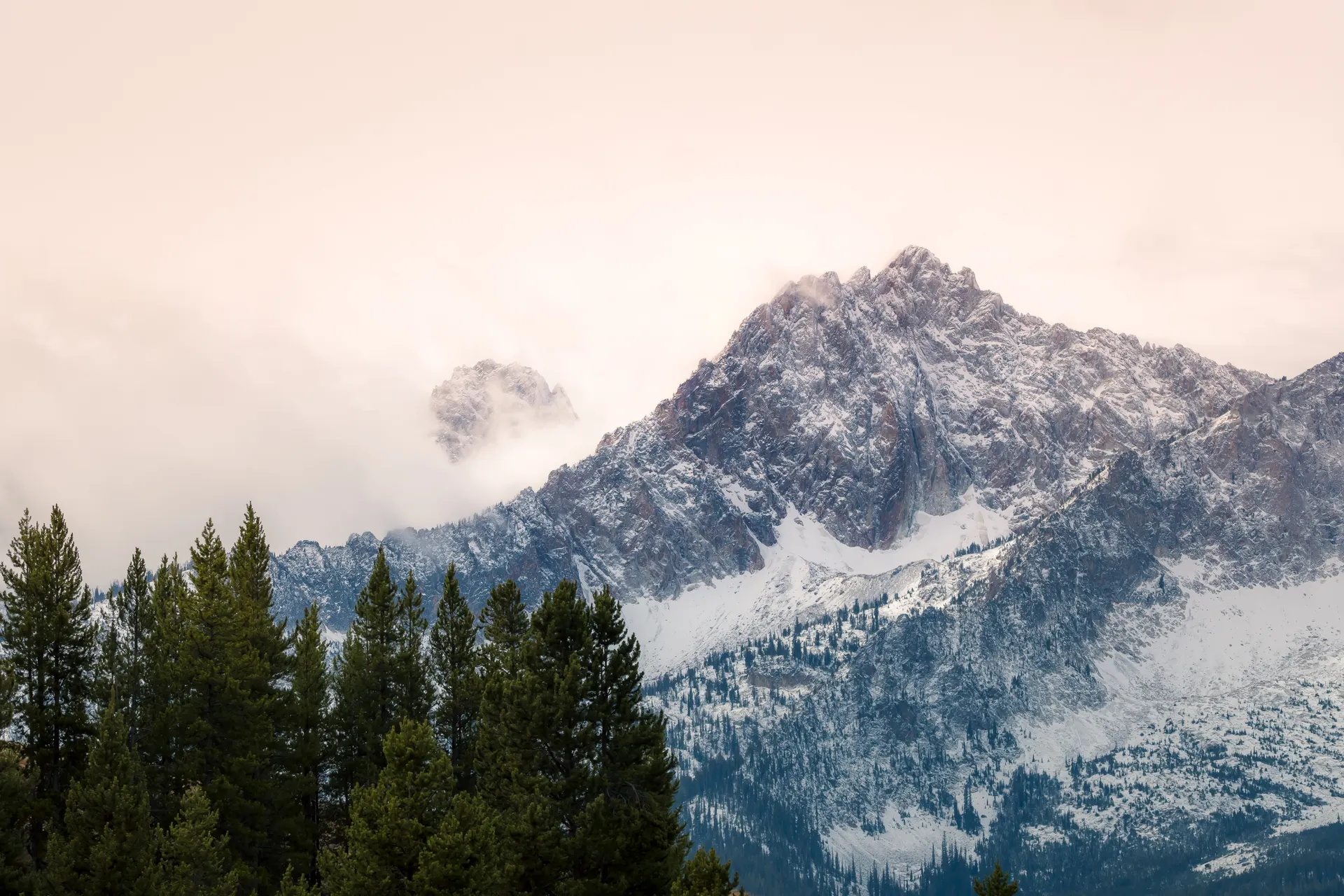
Sawtooth Mountains Idaho: A Weekend Hiking Itinerary
Three days of Sawtooth Mountains Idaho hiking: Sawtooth Lake under Mount Regan, Alice Lake from Pettit, the Bench Lakes above Redfish,…
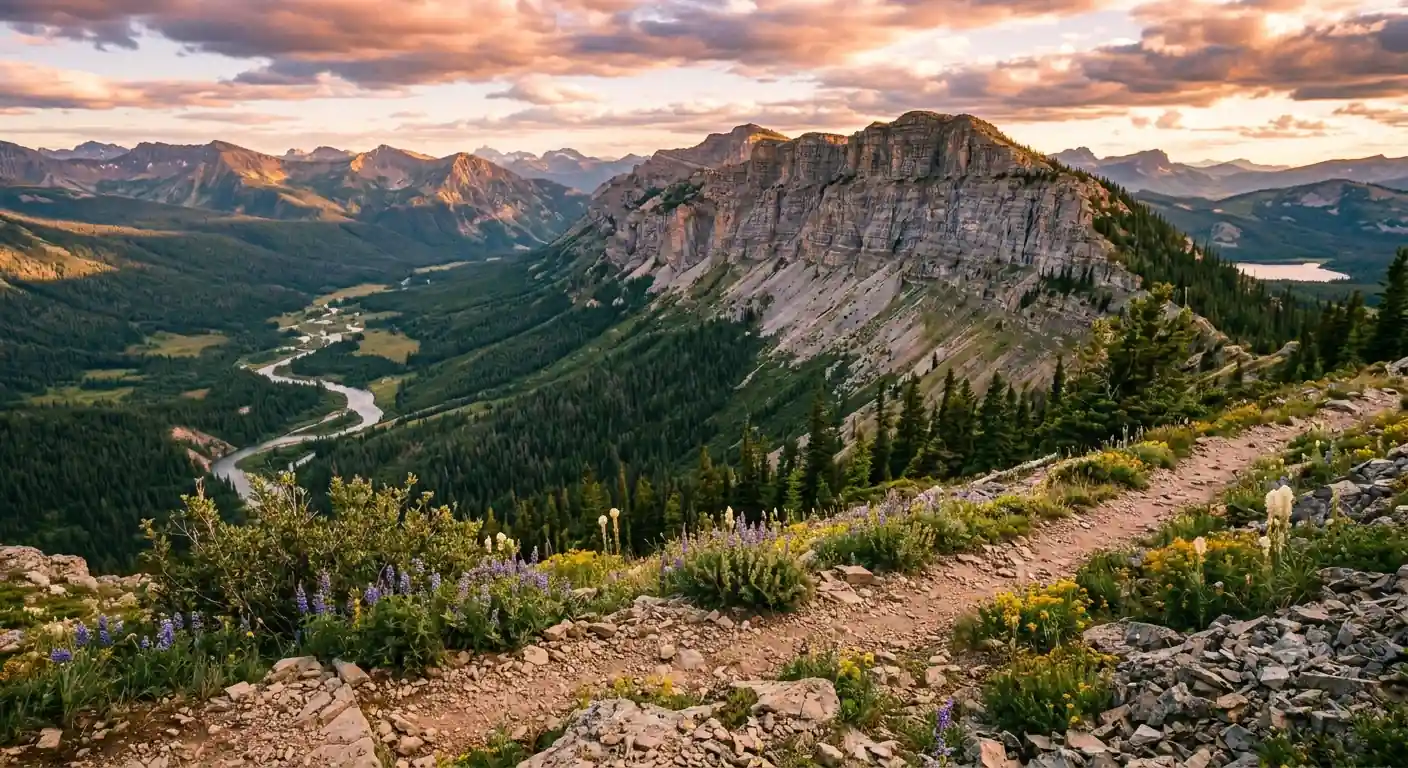
Bob Marshall Wilderness Backpacking: 6-Day Chinese Wall Itinerary
A 6-day Bob Marshall Wilderness backpacking itinerary to the Chinese Wall from the Benchmark Trailhead: trail numbers, mileages, grizzly…
Guides for this tripBest Time to Hike the Bitterroot MountainsBest Time to Backpack the Selway-Bitterroot Wilderness
What adventurers say about us.
All reviews are from verified guests. ★★★★★ 5.0 average from 20+ bookings.
"Felt like going out with a really knowledgeable friend who just happens to know everything about the area. No awkward tour-guide energy, just a magnificent day."
"Yulia is an incredible guide. She knew every trail, every viewpoint, and exactly how to pace the day for our group. The photos she took of us were stunning. 100% booking again."
"I was visiting Seattle solo and this was the best decision I made on the trip. Yulia picked me up, had snacks, and took us to a trail I never would have found on my own. Absolute must-do."
"We did this as a couple's trip and it was perfect. Yulia adapted everything to us, our pace, our interests, our photo obsession. The mountain views were unreal."
"Phenomenal experience. Yulia has deep local knowledge and a real passion for the outdoors. She went out of her way to show us the hidden gems tourists never see. Will remember this forever."
"I've done a few guided hikes and this was by far the best. Yulia is warm, funny, and genuinely expert. The trail she chose had the most insane wildflower bloom, we got so lucky."
Fees, reservation windows, shuttle dates and trail closures are planning estimates. Confirm hours, road status and any reservations with the land manager before you go.
What other travelers are saying
Be the first to leave a tip or question for the next traveler.
Was this helpful?
One tap. It goes straight to Yulia and Margarita.
You can't hike it if you can't get the permit.
The best hikes in America run on lotteries that open once a year and sell out in minutes. Every trail runs on its own calendar. Pick the ones you want and we do the watching.
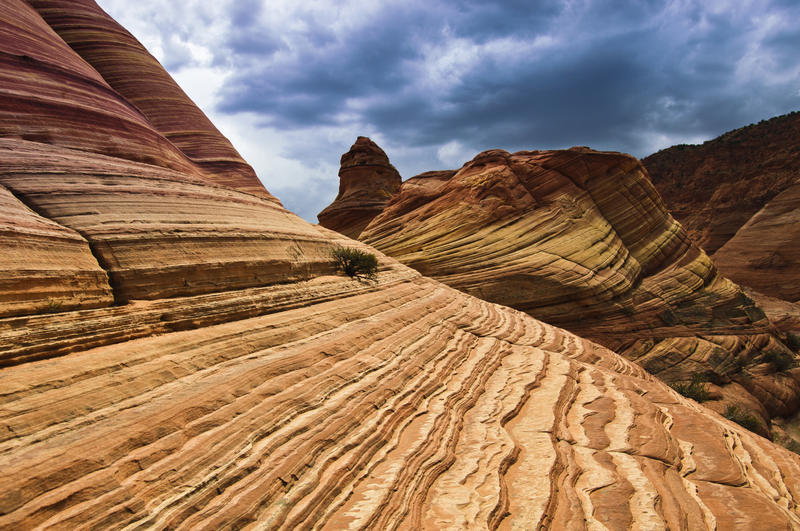 The WaveCoyote Buttes North · Arizona / UtahPermitLotterybrutal odds
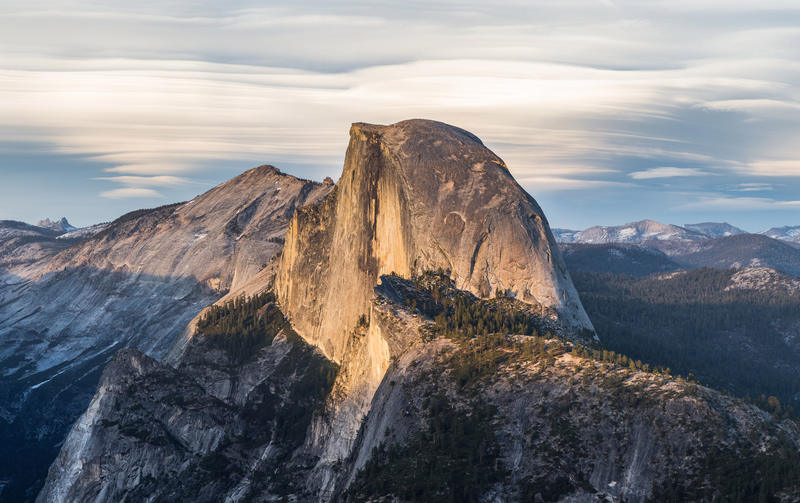 Half Dome CablesYosemite NP · CaliforniaPermitOpens Mar 1fair odds
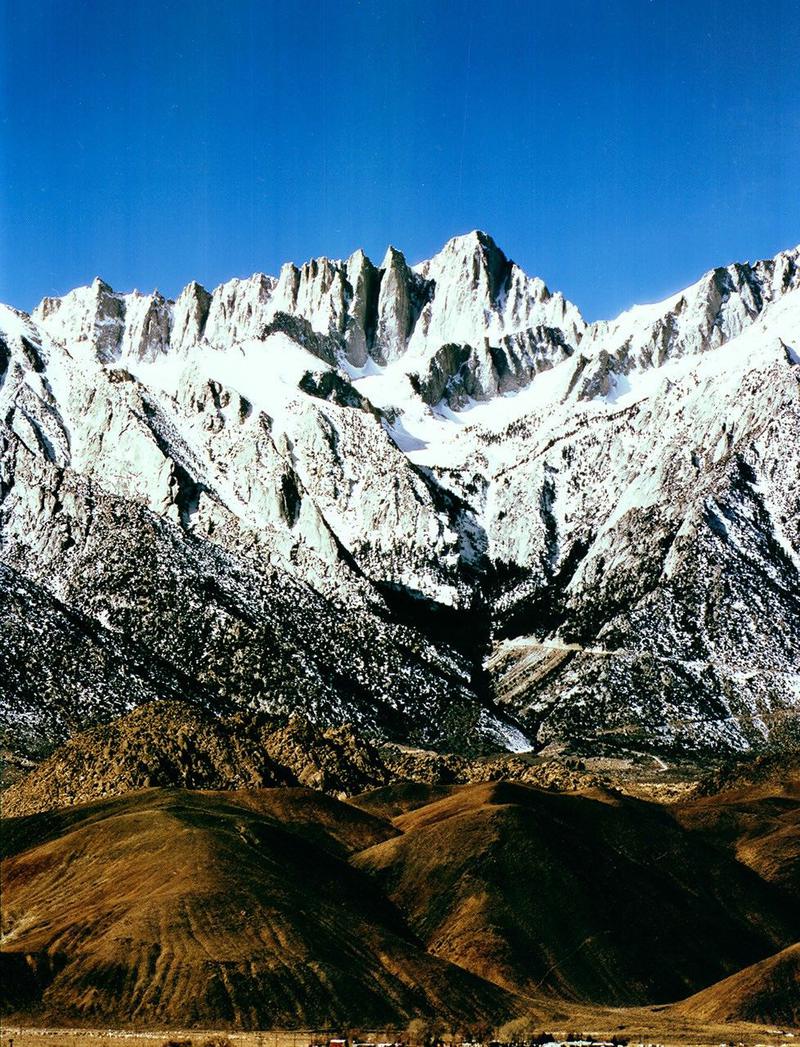 Mt. WhitneyInyo NF · CaliforniaPermitOpens Feb 1tough odds
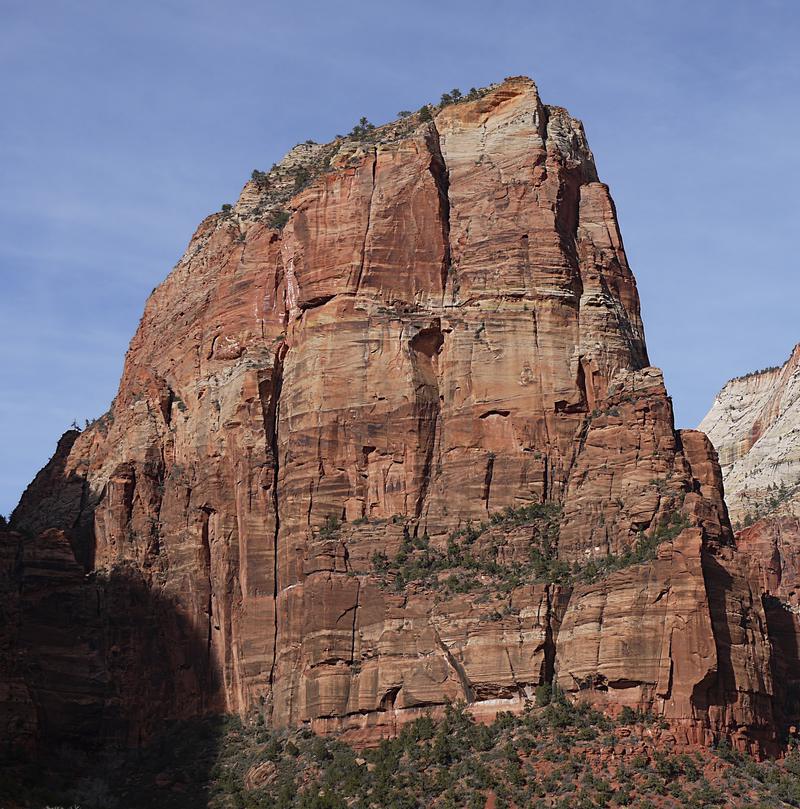 Angels LandingZion NP · UtahPermitLotterytough odds
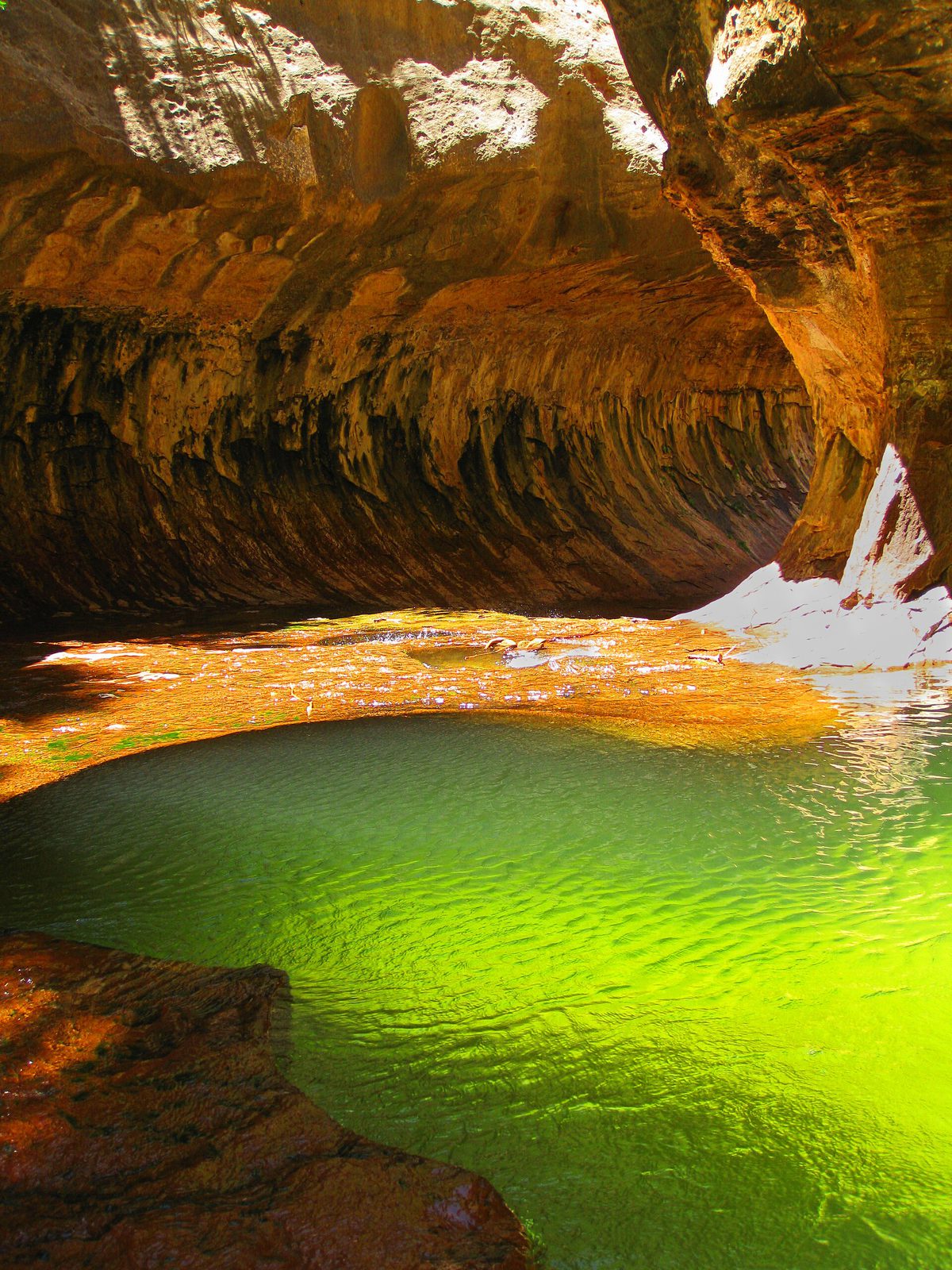 The SubwayZion NP · UtahPermitLotterytough odds
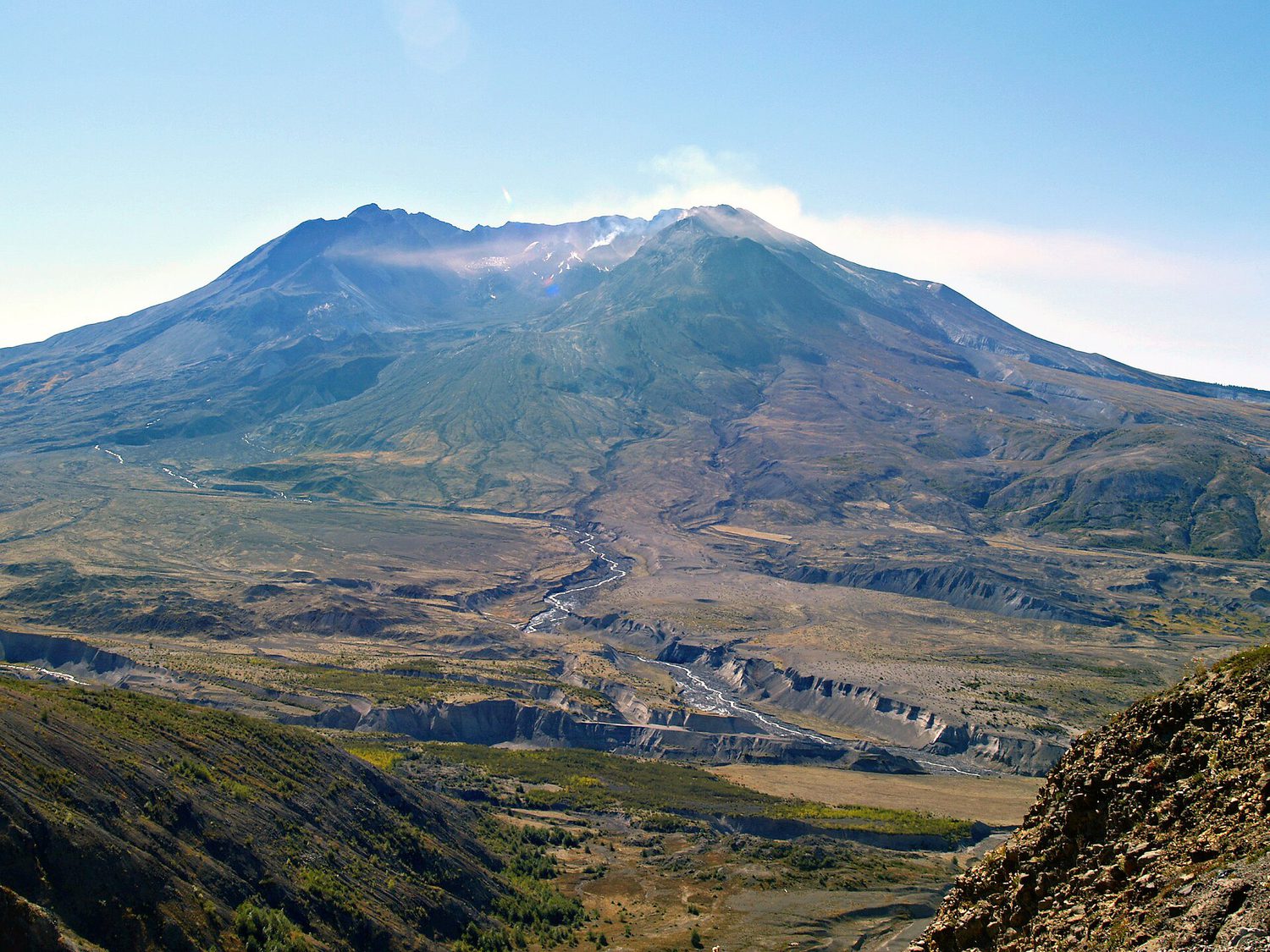 Mount St. Helens Summit ClimbGifford Pinchot NF · WashingtonPermitReservationtough odds
How it works
- An email the morning each window opens, never the day after.
- A 14-day heads-up so you can line up your group and dates.
- Win odds and a ranked backup plan for every trail you pick.
Didn't win? We keep watching. We check recreation.gov every day for The Enchantments, Half Dome and Angels Landing, and email you the moment a sold-out date frees up. Cancellations are the second chance most people never hear about.