Bob Marshall Wilderness Map
Six days to the Chinese Wall, from the Benchmark Trailhead.
6-day Bob Marshall Wilderness backpacking itinerary to the Chinese Wall, a 12-mile limestone escarpment along the Continental Divide, from the Benchmark Trailhead. Trail numbers, mileages, grizzly-country rules, and camp coordinates for one of the most remote treks in the Lower 48.
“I’ve requested to book a Chain Lakes Loop guide on ExplorOFF, and it was the best idea ever! I highly recommend going with their guided option since you get a real human connection on the trail and don’t have to worry about a thing. Yulia was great to talk to!”
 15 stops on a real mapEvery stop pinned in order→
Bob Marshall Wilderness Backpacking: every stop pinned in order.
Benchmark → Chinese Wall → Big Salmon Lake · Montana
Every stop on this trip, in order, opens as one driving route in the Google Maps app. No copying addresses across one at a time.
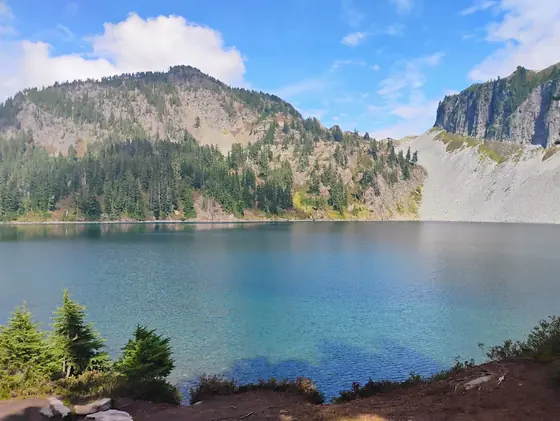
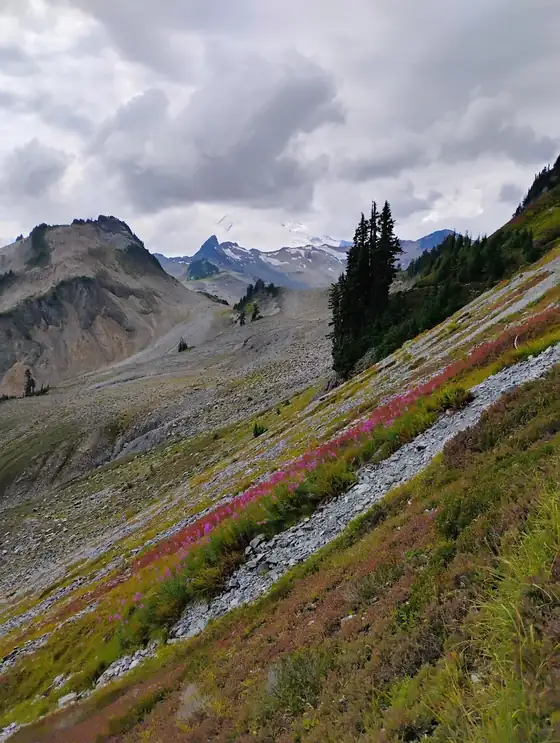
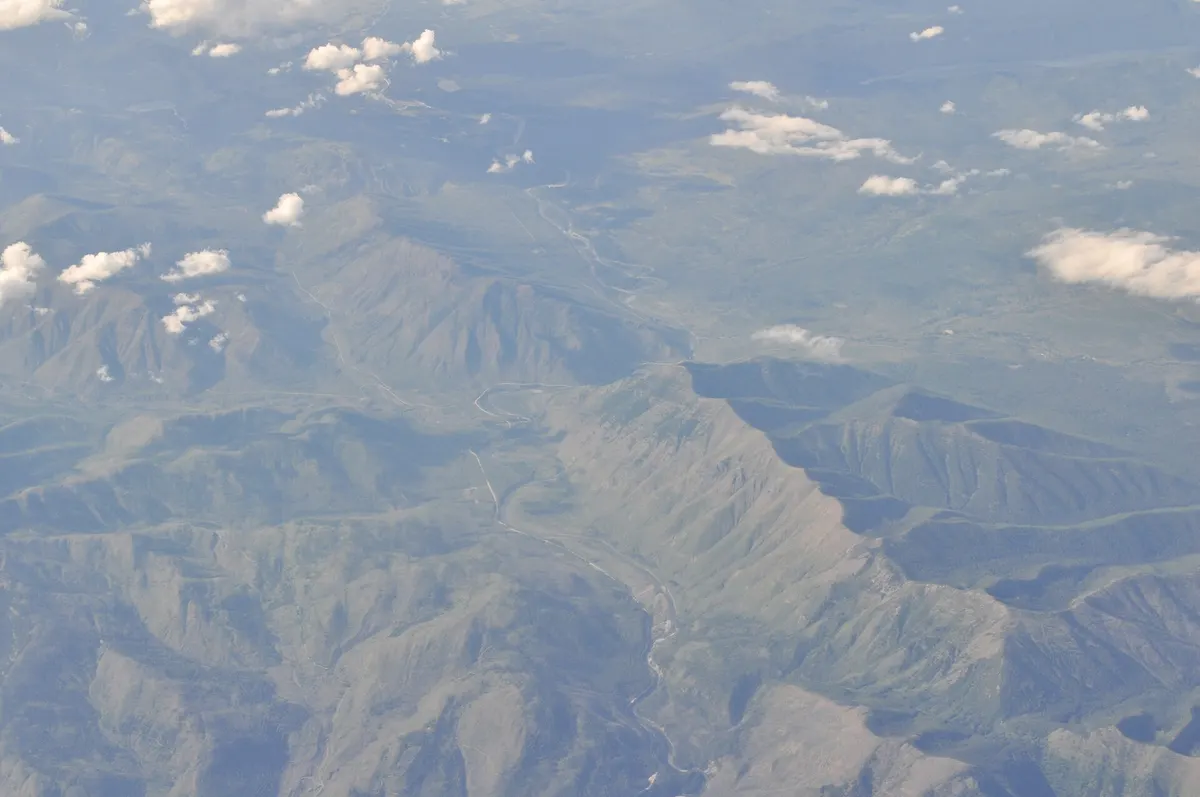
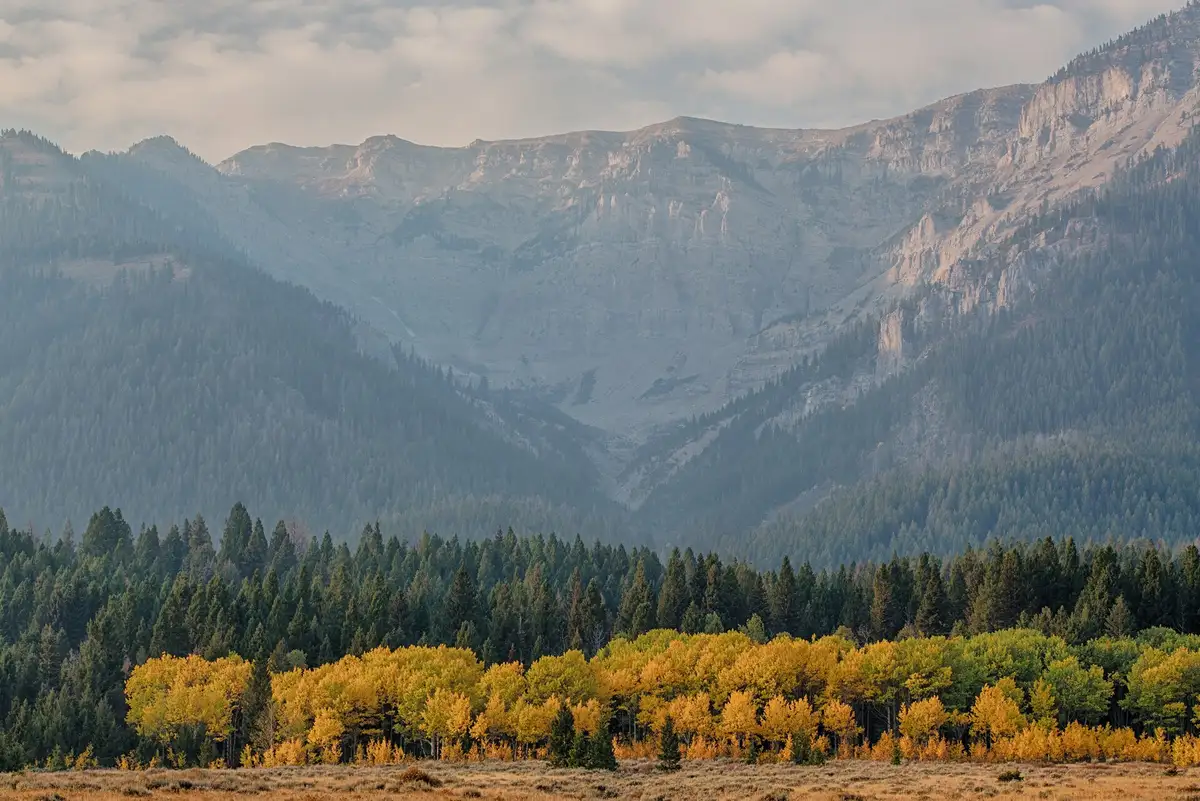
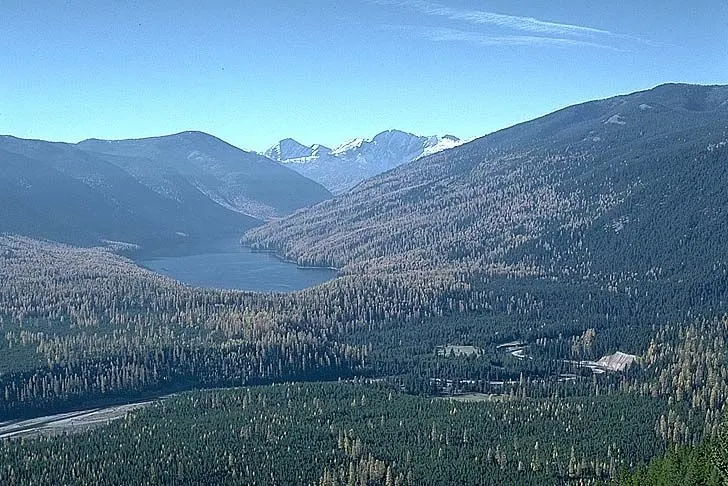
Bob Marshall Wilderness Backpacking in photos: 5 of the stops.
Plan and book your 6 days in The Bob, one step at a time
How 6 days in The Bob split up
Plan 6 days for The Bob. Distance: ~50 miles. Highlight: Chinese Wall. Permits: None. For a 6-day backpacking trip in Montana's Bob Marshall Wilderness, base your logistics out of Augusta and the Benchmark Trailhead. This route follows Trail #201 up the South Fork valley, climbs to the iconic Chinese Wall, then descends the White River toward Big Salmon Lake, deep in one of the most remote landscapes in the Lower 48.
Day 1: Benchmark Trailhead to South Fork Flathead
3 stops · Day one
Day 2: Climb to the Chinese Wall
3 stops · Day two
Day 3: Explore the Chinese Wall & the CDT
3 stops · Day three
Day 4: Descend to the White River
2 stops · Day four
Day 5: Hike toward Big Salmon Lake
2 stops · Day five
Day 6: Exit & celebrate in Augusta
2 stops · Day six
Benchmark Trailhead to South Fork Flathead
Drive in from Great Falls or Augusta to the Benchmark Trailhead, do a final gear check, and secure your vehicle. Begin hiking north on Trail #201, following the river through relatively flat terrain and crossing several small creeks. This is your gateway into the Bob Marshall Wilderness.
Not the order you want? Drag a stop, or use the arrows beside it. Stops move between days too.
 Drive from
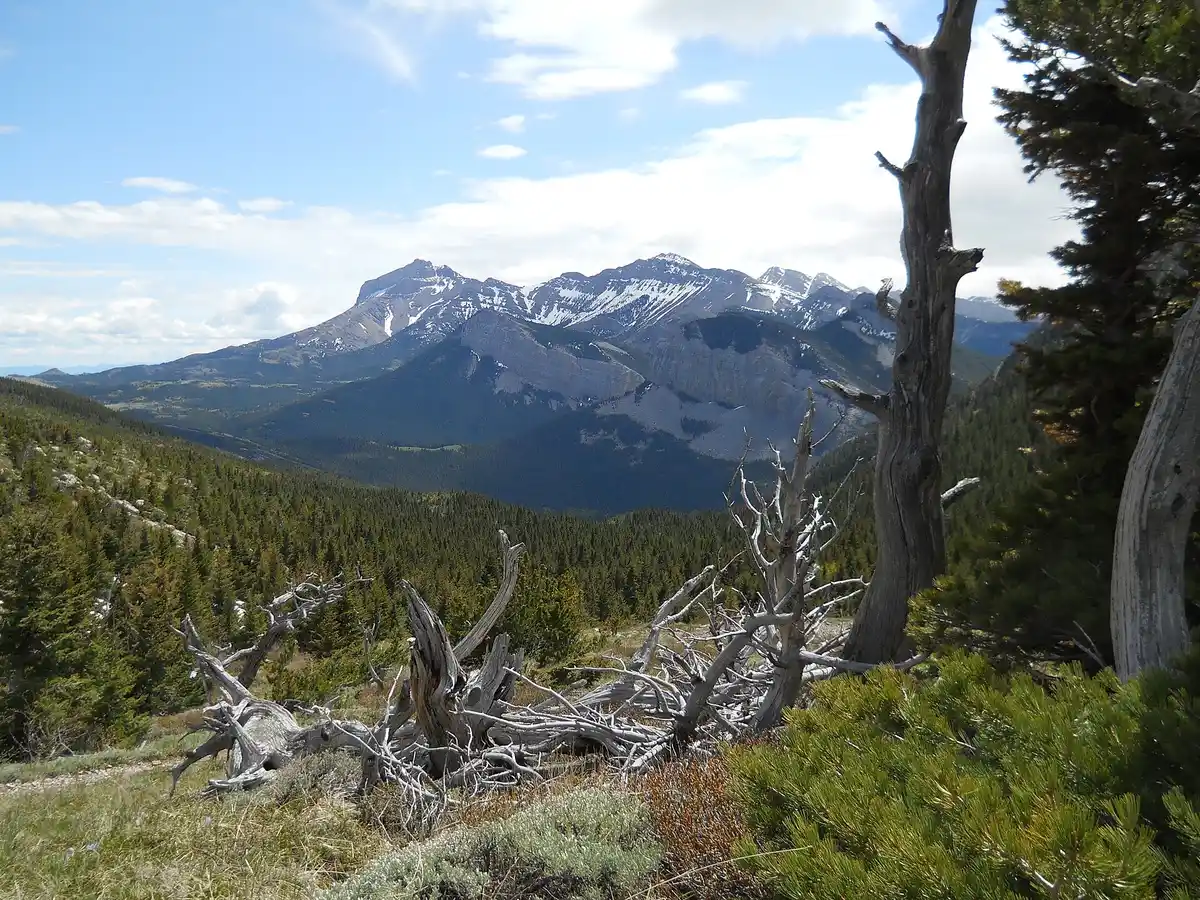
~80 mi / 2 hr to the Benchmark Trailhead · car required · DriveBase your logistics out of Great Falls or the tiny town of Augusta. Great Falls International Airport (GTF) to the Benchmark Trailhead is about 80 miles and 2 hours. From Augusta, take Ranger Station Road then Forest Road 235; the last few miles are gravel. There is no cell service past Augusta, so a satellite messenger is strongly recommended.
- Benchmark Trailhead
Gateway to the Bob Marshall Wilderness · pit toilets · ViewpointThe Benchmark Trailhead is the most popular access point into the Bob Marshall Wilderness, with a nearby campground, pit toilets, and a well-marked start. Do a final gear check, secure your vehicle, and confirm your bear spray is accessible before you start north on Trail #201.
Official info → - Hike Trail #201 to the South Fork Flathead
10.5 mi · 5–6 hr · minimal elevation gain · HikeBegin your trip on Trail #201, following the river through relatively flat, well-defined terrain with a few small creek crossings. Aim for a primitive, established campsite along the South Fork Flathead River about 10.5 miles in. Set up 200 feet from water, filter everything, and stow food in a bear-resistant container.
Climb to the Chinese Wall
Break camp and continue north on Trail #201 before turning onto the Lick Creek Trail (#202), which begins a significant, steady climb toward the Chinese Wall. The landscape transitions from river bottom to open, higher-elevation terrain, and the views expand with every switchback, roughly 2,000 feet of gain over the day.
Not the order you want? Drag a stop, or use the arrows beside it. Stops move between days too.
 Trail #201 to the Lick Creek Trail junction
~2 mi · gradual ascent · HikeBreak camp and continue north on Trail #201 for a short, easy stretch to the junction with the Lick Creek Trail (#202). Refill and treat water before you leave the valley, because sources thin out on the climb ahead.
- Ascend Lick Creek Trail (#202) to the wall
5.5 mi · 4–5 hr · ~2,000 ft gain · HikeTurn onto the Lick Creek Trail (#202) and begin the strenuous climb toward the Chinese Wall, gaining roughly 2,000 feet through forest and open slopes. The views expand with every switchback as the terrain shifts from river bottom to high, open country near the Continental Divide.
See the trail → - Camp at the base of the Chinese Wall
Exposed sites near the CDT saddle · lodgeCamp near the base of the Chinese Wall, ideally in the saddle where the Continental Divide Trail intersects. These sites are exposed to wind and weather, so choose carefully and secure your gear. Water can be limited up here, so carry extra, and enjoy sunset light on 700 to 1,300 feet of limestone.
Explore the Chinese Wall & the CDT
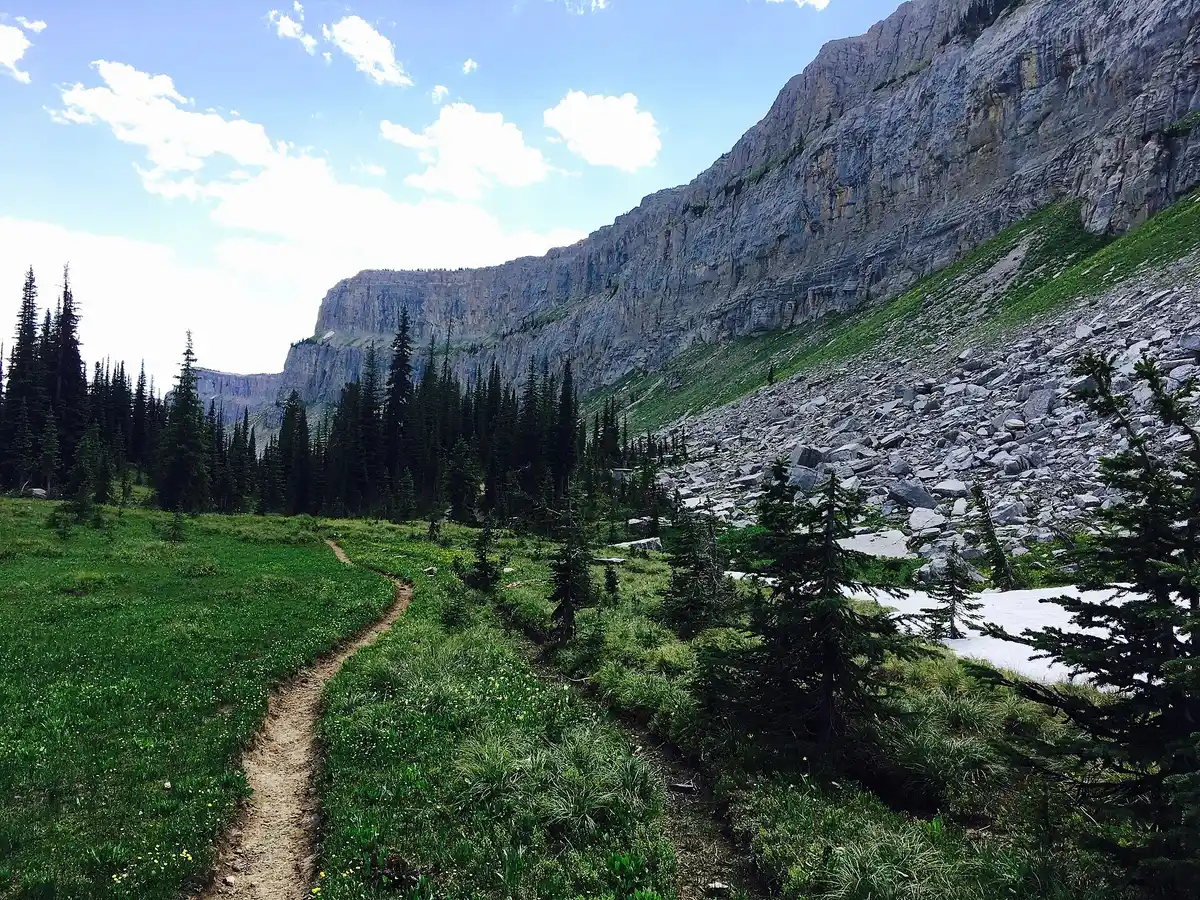
Dedicate today to the Chinese Wall itself. From basecamp, take a light daypack and hike north or south along the Continental Divide Trail, which runs directly along the base of the wall for miles. Different vantage points reveal the full scale of the escarpment and the wilderness stretching to the horizon in every direction.
Not the order you want? Drag a stop, or use the arrows beside it. Stops move between days too.
- Day hike the CDT along the wall
5–8 mi RT · 3–5 hr · light daypack · HikeFrom basecamp, take a light daypack and hike north or south along the Continental Divide Trail, which runs directly along the base of the Chinese Wall. Different vantage points reveal the full scale of the escarpment and the wilderness stretching to the horizon. Carry water, snacks, and rain gear for afternoon storms.
See the trail → - Photograph the Chinese Wall
Iconic 12-mile limestone escarpment · ViewpointSpend time capturing the scale and geology of the Chinese Wall, a westward-tilted Cambrian limestone cuesta carved by Pleistocene glaciers. The light changes all day; watch the cliffs for mountain goats and bighorn sheep, and respect the fragile alpine environment.
 Mike Tilley / CC BY 3.0Second night at the wall basecamp
Same site · rest & recharge · lodgeReturn to your established camp for a second night. Basecamping keeps the day light and minimizes packing up, so you can rest, stargaze away from any light pollution, and review your maps for tomorrow's descent. Prepare for a sharp temperature drop overnight.
Descend to the White River
Break camp and begin the descent, dropping down the Lick Creek Trail (#202) and rejoining the valley trail. The downhill goes faster than the climb but still demands careful footing with a full pack, so trekking poles earn their keep. The terrain gentles as you work your way toward the White River.
Not the order you want? Drag a stop, or use the arrows beside it. Stops move between days too.
- Descend Lick Creek Trail (#202)
~5.5 mi · 3–4 hr · ~2,000 ft loss · HikeBreak camp and begin the descent down the Lick Creek Trail (#202) toward the valley. The downhill goes faster than the climb but still demands careful footing with a full pack, so use trekking poles to spare your knees on the steep, sometimes dusty sections.
- Camp near the White River
Riverside sites · cutthroat trout · lodgeContinue to the White River, roughly 9 miles from the wall, and find an established campsite near its confluence with the South Fork. The river offers reliable water and excellent catch-and-release fishing for cutthroat trout. Store your food properly and rest by the water.
Hike toward Big Salmon Lake
Today is the longest push, continuing down the valley toward Big Salmon Lake. The terrain is generally rolling to flat as you follow the river past smaller streams and potential campsites. Pace yourself, take regular breaks, and keep an eye out for larger wildlife in the open stretches.
Not the order you want? Drag a stop, or use the arrows beside it. Stops move between days too.
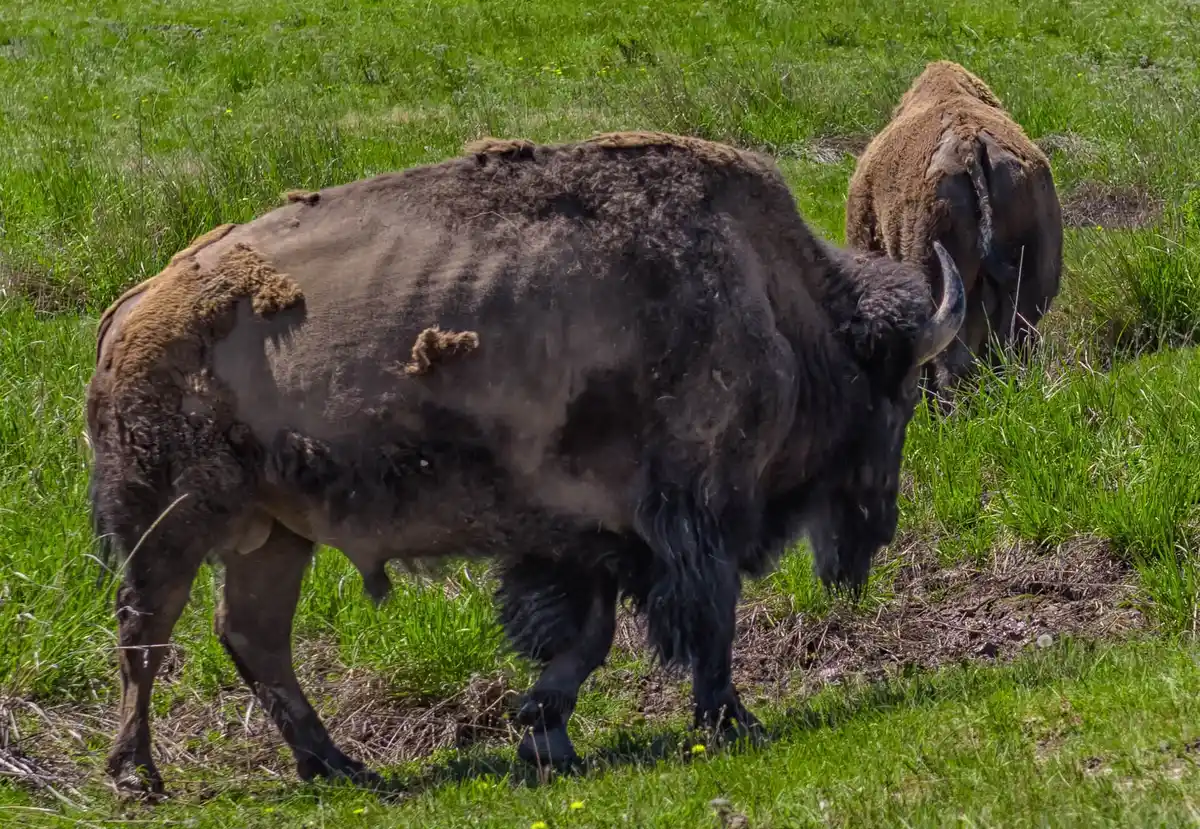 cloud.shepherd / CC BY 2.0Hike the valley toward Big Salmon Lake
12 mi · 6–7 hr · rolling terrain · HikeToday is the longest push, following the river through rolling-to-flat terrain toward Big Salmon Lake. Pace yourself, take regular breaks, and carry adequate treated water, as sources between camps can be spread out. This is a good stretch to spot larger wildlife, so make noise in thick brush.
- Camp near Big Salmon Lake
Common horse-packer staging point · lodgeCamp in the vicinity of Big Salmon Lake, a common staging point for horse packers with more established, if still primitive, sites. You are still inside the wilderness boundary, so every backcountry and food-storage rule applies. Enjoy your last full night under the vast Montana sky.
Exit & celebrate in Augusta
On your final day, complete the last section of trail out of the wilderness, roughly 6 miles of mostly flat or downhill walking, and reflect on the journey through one of America's most pristine landscapes. Back at the trailhead, check for any gear left behind and pack out every scrap of trash.
Not the order you want? Drag a stop, or use the arrows beside it. Stops move between days too.
- Hike the final section out
~6 mi · 2.5–3 hr · mostly flat to downhill · HikeComplete the last section of trail out of the wilderness, roughly 6 miles of mostly flat or downhill walking toward the Rocky Mountain Front. Do a final sweep for gear at camp and the trailhead, and pack out every scrap of trash before you reach your vehicle.
- Celebrate & stay in Augusta, MT
Small-town dining · resupply for gas · lodgeStop in Augusta, a small, authentic Montana town, for a well-earned meal and a chance to swap trip stories. It is also a resupply point for gas and basics. Rooms are limited, so many hikers overnight in Great Falls near the airport, about 2 hours from the trailhead.
Book the 1 night under a roof
Most nights on this trip are in a tent. Reserve any campsite the route needs, and the room either side of it if you want one.
Tell us your dates and we will do the calling: the rooms either side, and the guided days in between. Nothing is charged and you decide at the end.
Request to bookWhat to pack for The Bob
Built from this route, not a generic list. Every line says why it is here.
On every day of this trip
On your feet
Because you are sleeping out 4 nights
For the 1 night under a roof
For the drive to the trailhead
Specific to The Bob
Essential wilderness rules & planning.
This is grizzly country
The Bob Marshall Wilderness is prime grizzly habitat. Carry bear spray and know how to use it. All food, trash, and scented items must go in a bear-resistant container (Ursack, BearVault) or be hung at least 10 feet up and 4 feet out from the trunk. Make noise while hiking, especially in dense vegetation.
No permits, but be self-sufficient
No permits or entry fees are required for personal backpacking trips. Commercial outfitters need special use permits. This is a strenuous, remote route with long-mileage days and real elevation, so come experienced, fit, and comfortable with backcountry navigation.
Filter every drop of water
Water is generally plentiful along the South Fork Flathead River and its tributaries, but all of it must be filtered, purified, or boiled. Carry a reliable filter plus a backup method, and top off before long or high-elevation stretches where sources thin out.
Leave No Trace
Pack out everything you pack in. Bury human waste in a cathole 6–8 inches deep and at least 200 feet from water, trails, and camps. Wash and cook 200 feet from water, camp on durable surfaces, keep groups small, and use existing fire rings where fires are allowed.
Go mid-July to early September
Before mid-July, snow can block high passes and river crossings run dangerously high with snowmelt. By late September, new snow and hard cold return. August offers the most stable weather, though afternoon thunderstorms are common all summer.
Getting there needs a car
Great Falls International Airport (GTF) to the Benchmark Trailhead is about 80 miles and 2 hours. From Augusta, take Ranger Station Road then Forest Road 235 to Benchmark; the last few miles are gravel. There is no cell service past Augusta, so carry a satellite messenger like an InReach or Spot.
Yield to horse and mule strings
The South Fork Flathead and White River valleys are major stock-packing thoroughfares, so you will likely meet strings of horses and mules on the singletrack. When you hear or see them coming, step off to the downhill side of the trail, stand quietly, and speak calmly so you do not spook the animals. Let the whole string pass before you move back onto the tread.
Bob Marshall Wilderness Backpacking: questions before you go
Grizzly country: the questions people ask most.
No. Overnight permits are not required for personal backpacking trips into the Bob Marshall Wilderness, and there are no entry fees. Only commercial outfitters need special use permits from the US Forest Service.
Mid-July to early September. Before mid-July, snow can linger on the high passes and river crossings can be hazardous with snowmelt. After early September, new snow and colder temperatures are common. August typically offers the most stable weather, though afternoon thunderstorms are frequent all summer.
This is a strenuous trip. It involves long-mileage days, significant elevation change, and navigating remote wilderness with no cell service. Backpackers should be experienced, physically fit, and comfortable being fully self-sufficient in grizzly country. Solid navigation skills are essential.
No. There is virtually no cell service within the wilderness, and none past Augusta. A satellite messenger device such as an InReach or Spot is highly recommended for emergency communication and check-ins.
The Bob Marshall Wilderness is grizzly country. Carry bear spray and know how to deploy it. Store all food, trash, and scented items in a bear-resistant container or hang them at least 10 feet up and 4 feet from the trunk. Make noise while hiking to avoid surprising a bear, especially in thick brush.
Augusta, Montana is the closest small town to the Benchmark Trailhead, with limited services like gas and a general store. Great Falls, about 2 hours away, is the nearest city with a full range of services and Great Falls International Airport (GTF), roughly 80 miles from the trailhead.
Very exposed. Basecamps along the wall sit on the high line near the Continental Divide with little natural shelter, and violent afternoon thunderstorms build over the Rocky Mountain Front in July and August, hitting tents with high winds. Pitch a low, well-staked tent, weight it down, keep rain gear within reach, and be ready to drop below the crest of the wall if lightning moves in.
Fill every bottle and bladder at the last reliable creek before the final climb, in the vicinity of Lick Creek, because the camps sit just below the crest of the wall where surface water thins out or can dry up late in summer. Carry enough to cover cooking that night and the next morning, so a large-capacity bladder is worth the extra weight for this leg.
Tell us your dates and we ask a local guide who works this area what they can do on your days and what it costs. If nobody is free, we tell you. Asking is free: no card, no deposit, and nothing is held until you say yes.
Pick how you want to go.
Same 6-day route. Same 9 stops.
- 5 nights, sites along the route
- $110
- Rental car, 6 days
- $570
- Gas, about 115 miles
- $20
- A private local guide, campsites booked
- Included
- Airport pickup and every drive
- Included
- Park, permit and campsite fees paid
- Included
- All the gear and the trail meals
- Included
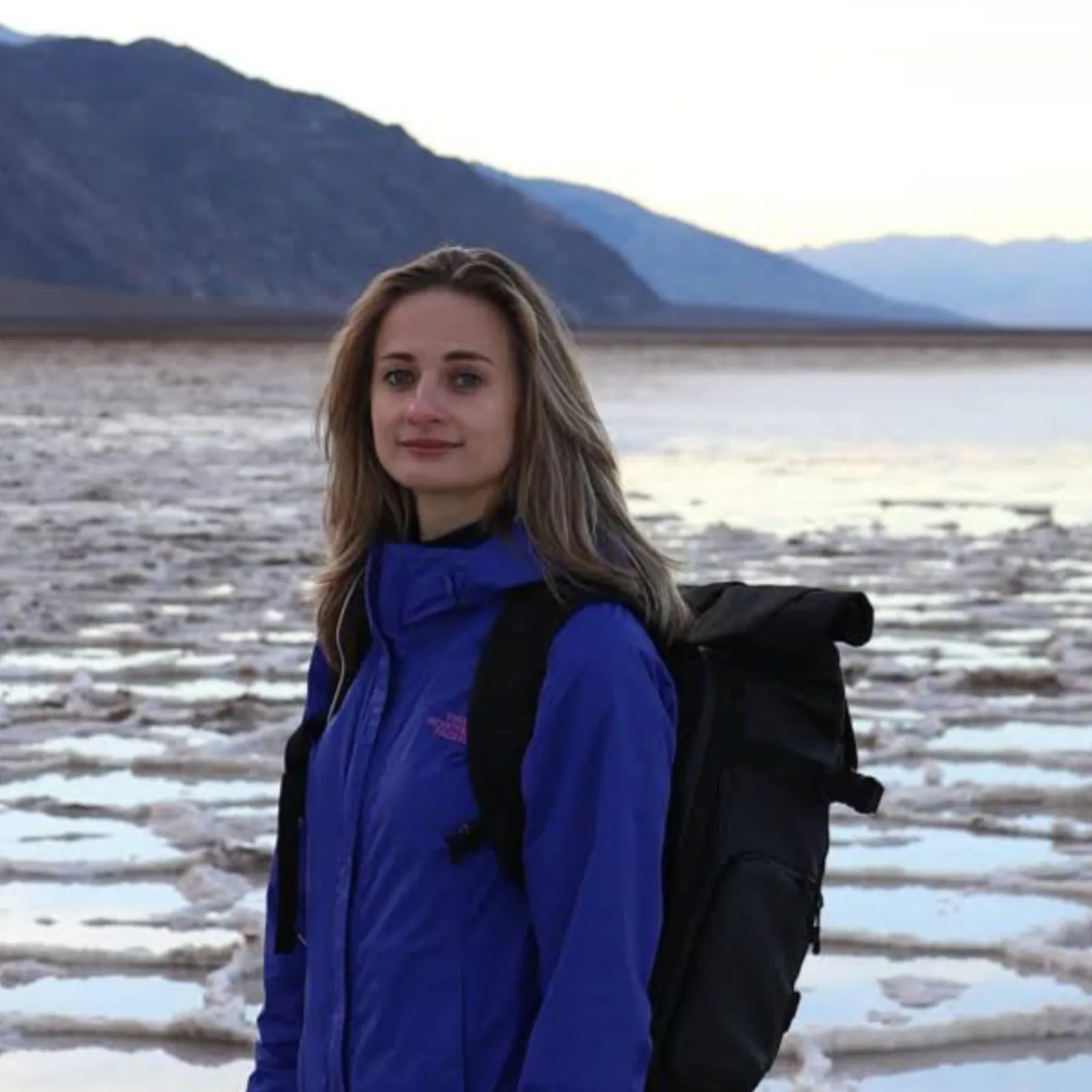
Written and walked by Yulia Vasilyeva · Co-founder · Lead planner and guide
Three years leading guided hikes in the Pacific Northwest, rated 5.0 by 20+ verified guests, and she builds every custom itinerary herself. Based in Seattle.
Last checked September 2026
You might also love these
Other itineraries near this one.
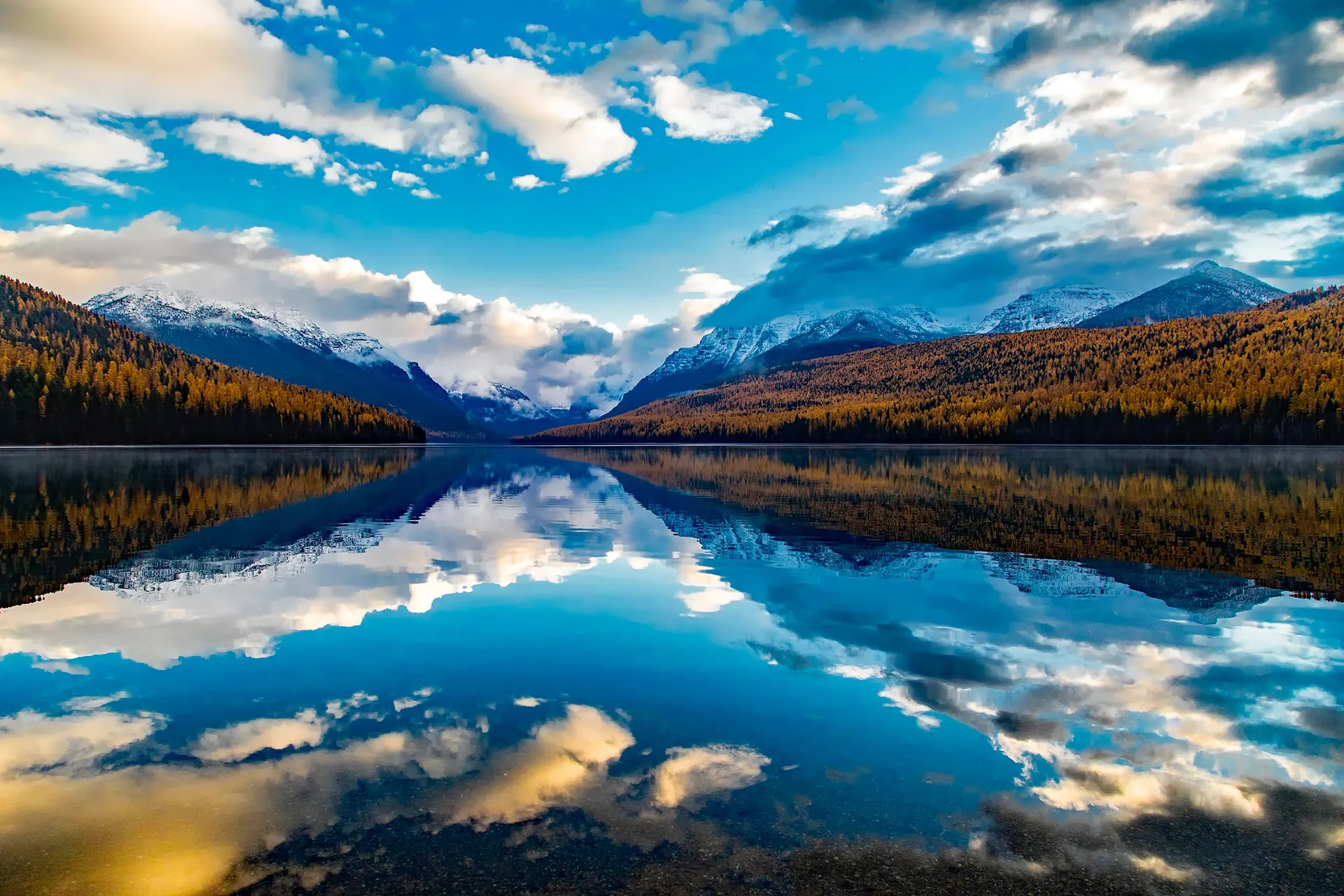
Glacier National Park 4 Day Itinerary: Both Sides of the Divide
Two nights at West Glacier and Lake McDonald, Going-to-the-Sun Road over Logan Pass, then two nights at Many Glacier and Two Medicine.
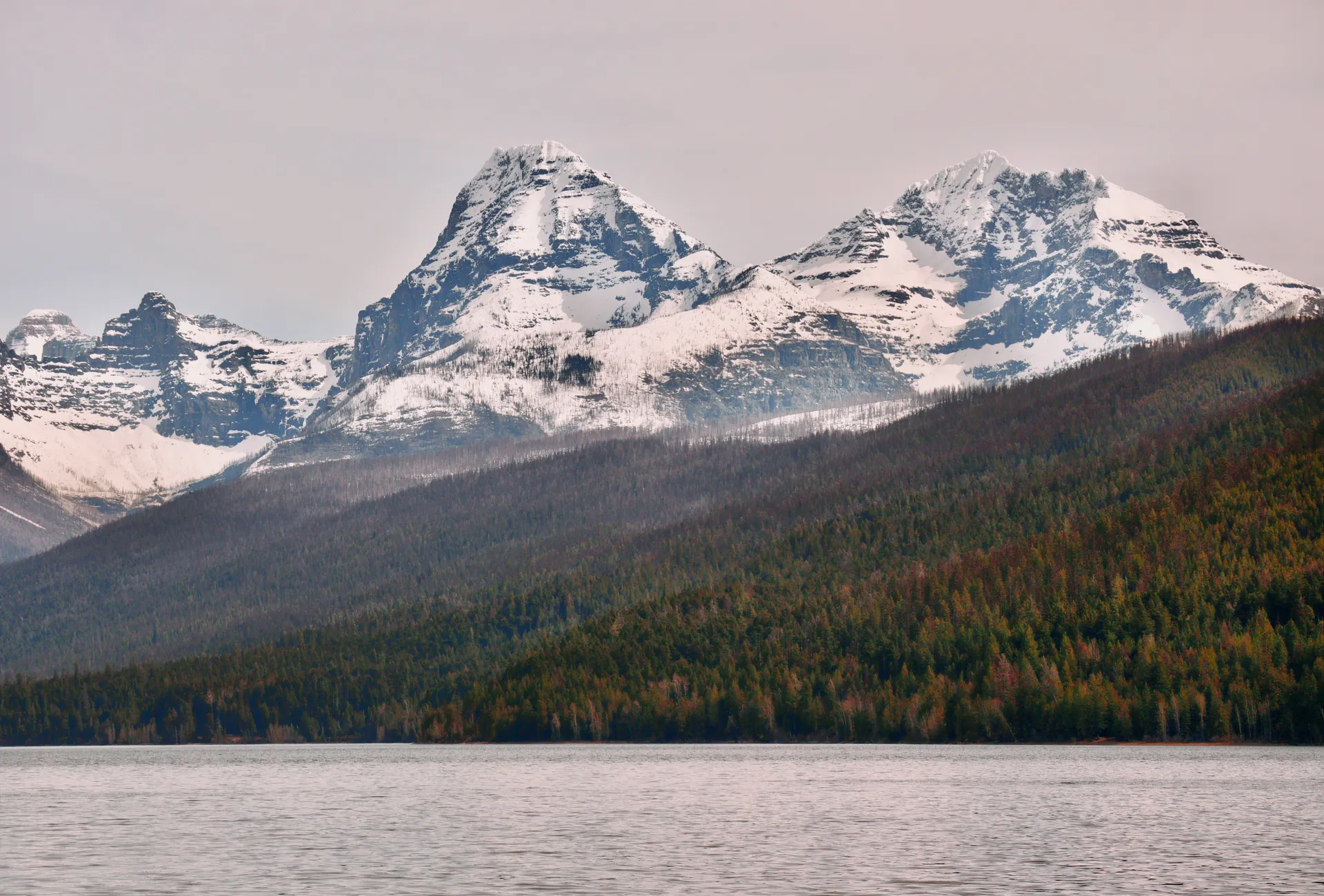
Glacier National Park: Memorial Day Weekend Itinerary
An honest 3-day plan for Glacier over Memorial Day weekend, when Going-to-the-Sun Road is not fully open yet but the waterfalls are…
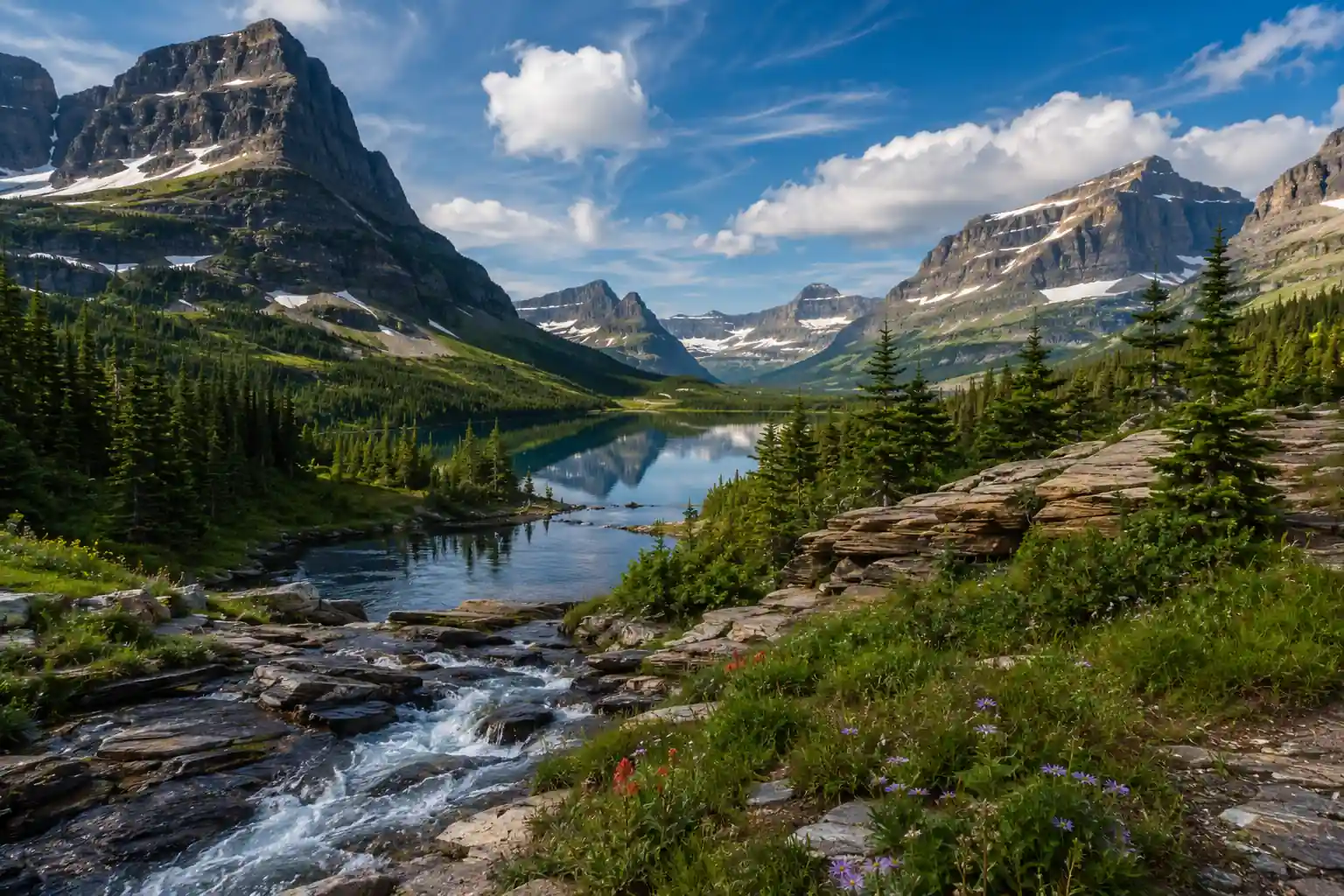
Best Day Hikes in Glacier National Park: 3-Day Weekend
A 3-day Glacier National Park hiking itinerary covering Grinnell Glacier, the Highline Trail, Hidden Lake Overlook, and Lake McDonald,…
Guides for this tripCanyon Creek to the Bitterroot Alpine LakesBest Time to Backpack the Selway-Bitterroot Wilderness
What adventurers say about us.
All reviews are from verified guests. ★★★★★ 5.0 average from 20+ bookings.
"Felt like going out with a really knowledgeable friend who just happens to know everything about the area. No awkward tour-guide energy, just a magnificent day."
"Yulia is an incredible guide. She knew every trail, every viewpoint, and exactly how to pace the day for our group. The photos she took of us were stunning. 100% booking again."
"I was visiting Seattle solo and this was the best decision I made on the trip. Yulia picked me up, had snacks, and took us to a trail I never would have found on my own. Absolute must-do."
"We did this as a couple's trip and it was perfect. Yulia adapted everything to us, our pace, our interests, our photo obsession. The mountain views were unreal."
"Phenomenal experience. Yulia has deep local knowledge and a real passion for the outdoors. She went out of her way to show us the hidden gems tourists never see. Will remember this forever."
"I've done a few guided hikes and this was by far the best. Yulia is warm, funny, and genuinely expert. The trail she chose had the most insane wildflower bloom, we got so lucky."
Fees, reservation windows, shuttle dates and trail closures are planning estimates. Confirm hours, road status and any reservations with the land manager before you go.
What other travelers are saying
Be the first to leave a tip or question for the next traveler.
Was this helpful?
One tap. It goes straight to Yulia and Margarita.
You can't hike it if you can't get the permit.
The best hikes in America run on lotteries that open once a year and sell out in minutes. Every trail runs on its own calendar. Pick the ones you want and we do the watching.
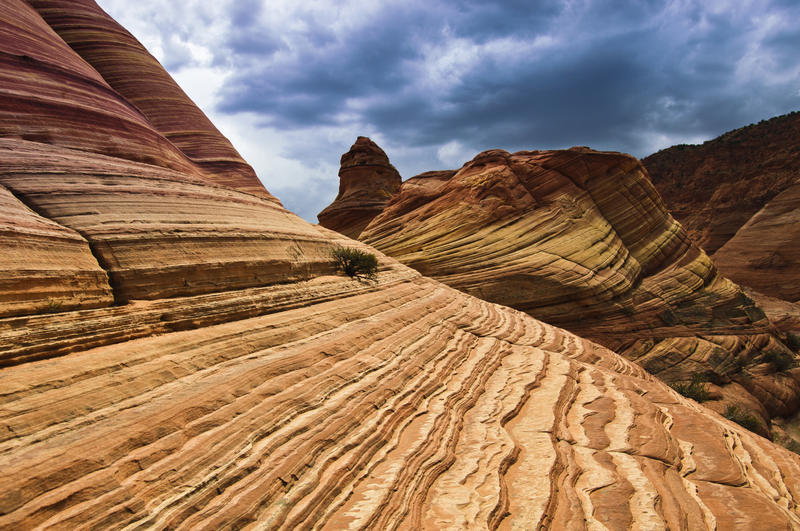 The WaveCoyote Buttes North · Arizona / UtahPermitLotterybrutal odds
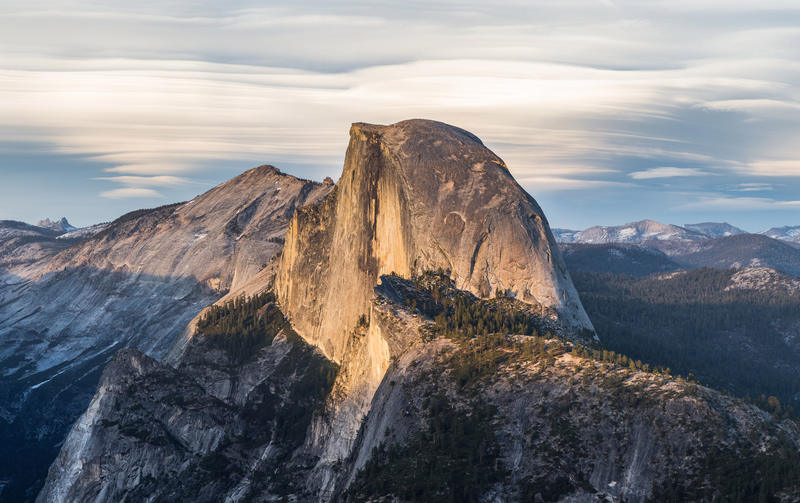 Half Dome CablesYosemite NP · CaliforniaPermitOpens Mar 1fair odds
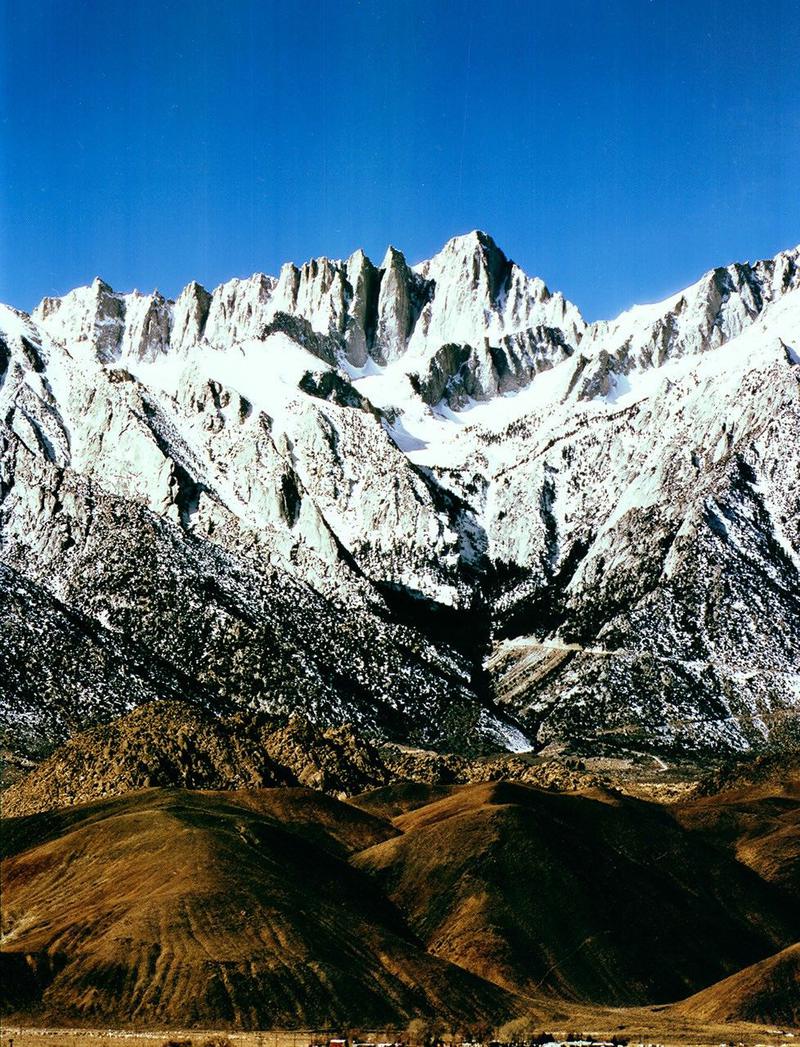 Mt. WhitneyInyo NF · CaliforniaPermitOpens Feb 1tough odds
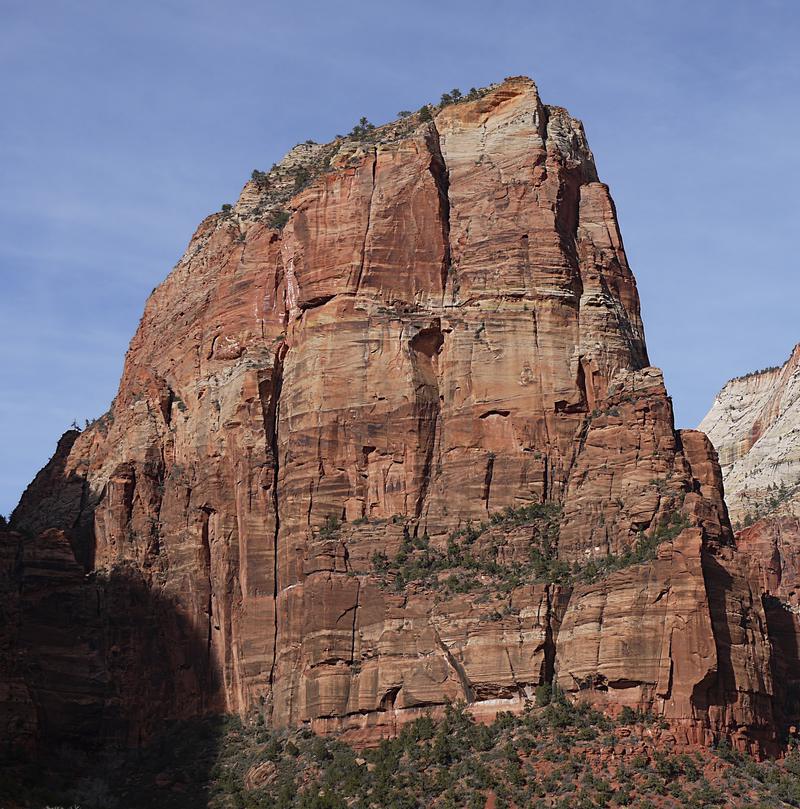 Angels LandingZion NP · UtahPermitLotterytough odds
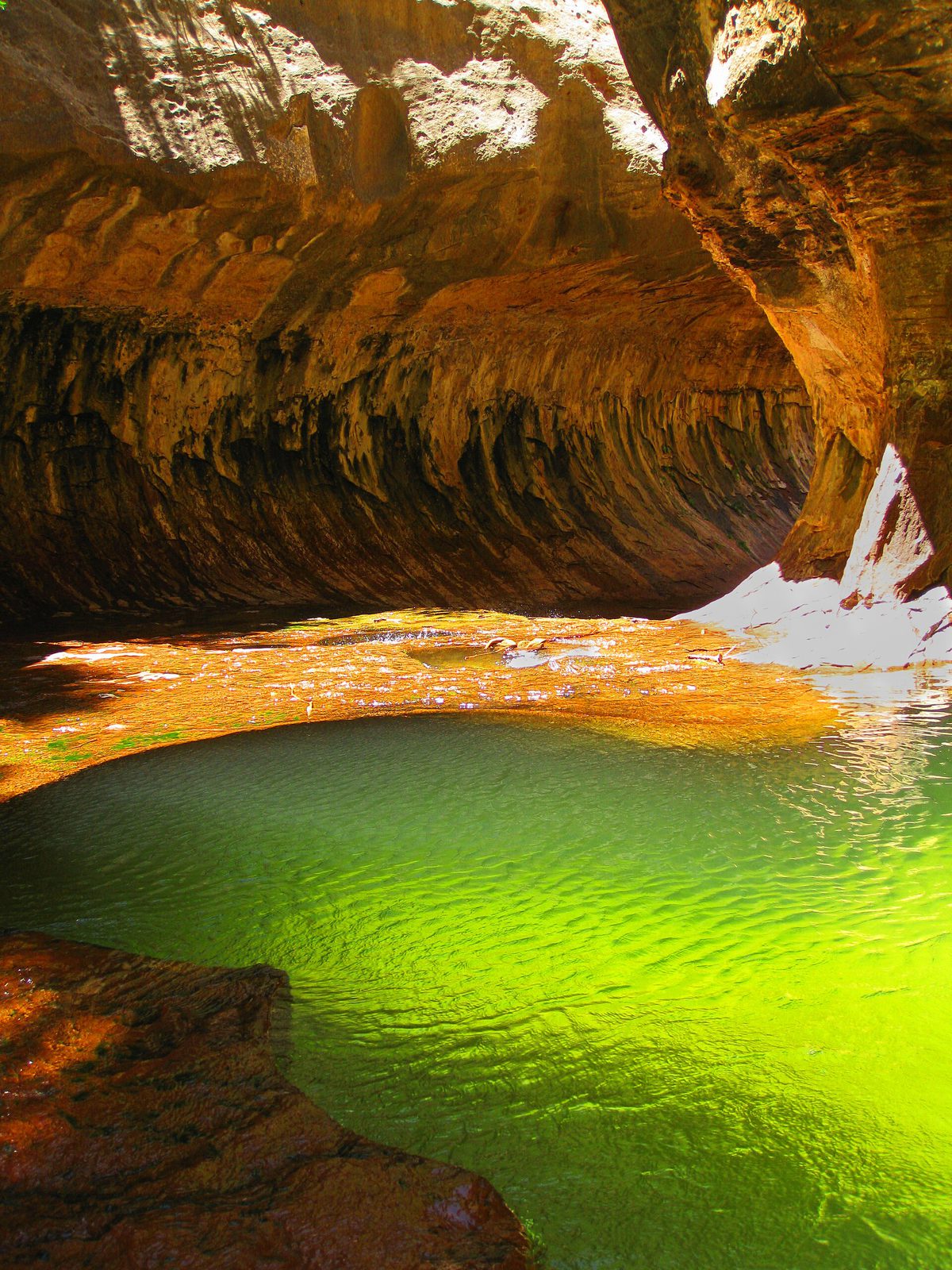 The SubwayZion NP · UtahPermitLotterytough odds
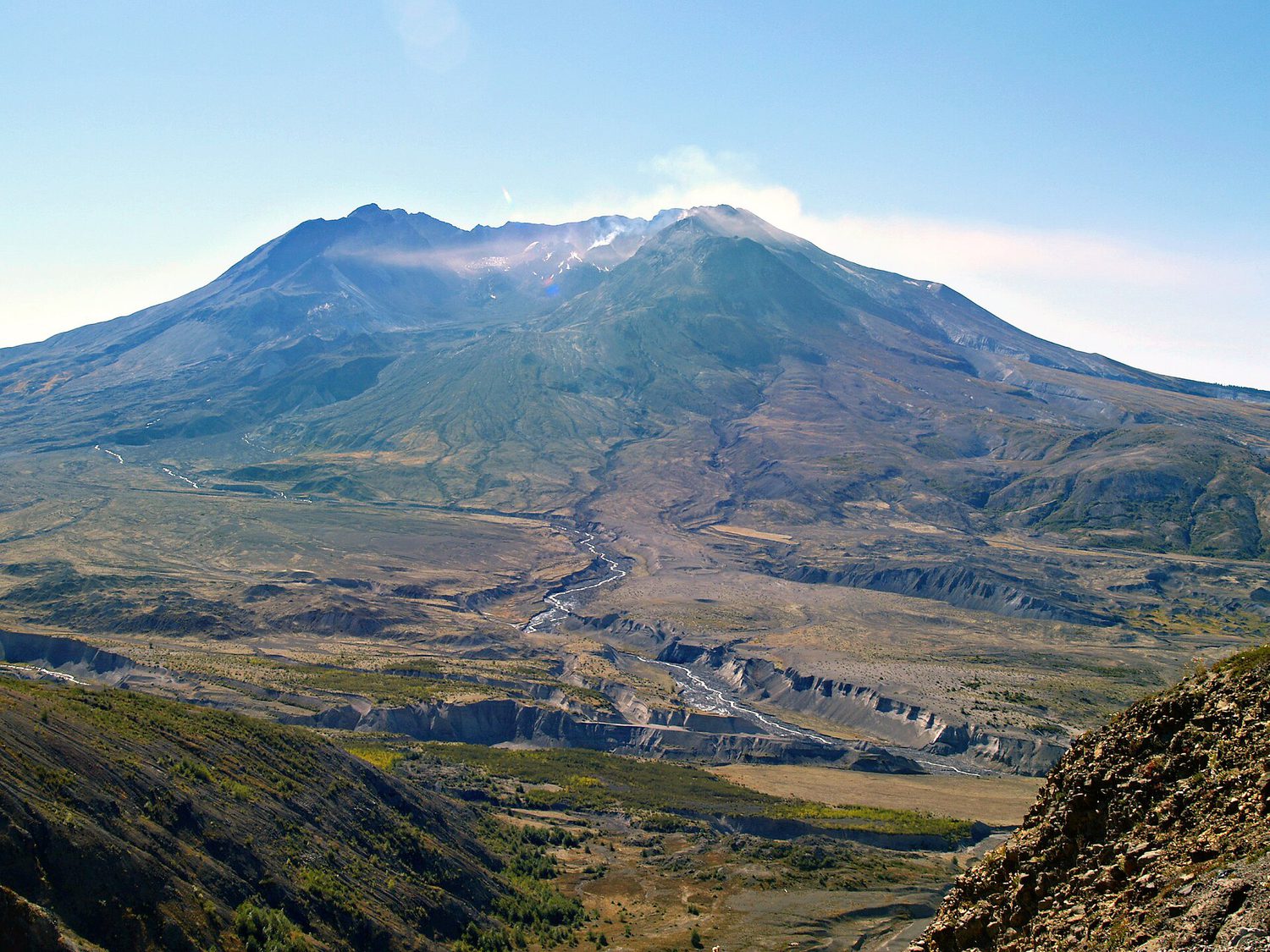 Mount St. Helens Summit ClimbGifford Pinchot NF · WashingtonPermitReservationtough odds
How it works
- An email the morning each window opens, never the day after.
- A 14-day heads-up so you can line up your group and dates.
- Win odds and a ranked backup plan for every trail you pick.
Didn't win? We keep watching. We check recreation.gov every day for The Enchantments, Half Dome and Angels Landing, and email you the moment a sold-out date frees up. Cancellations are the second chance most people never hear about.