California has the most national parks, with nine. Alaska follows with eight, Utah has five, and Colorado has four. No other state reaches four.
There are 63 national parks in total, and they sit inside a much larger system of 433 National Park Service units. That gap is where most of the confusion about these numbers comes from, and it is worth clearing up before the ranking means anything.
The leaders
| State | Parks | What it holds |
|---|---|---|
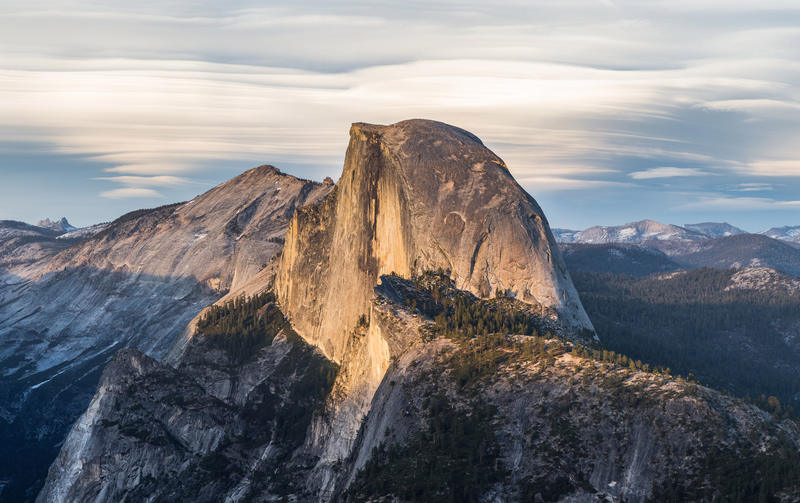
| California | 9 | Yosemite, Death Valley, Joshua Tree, Sequoia, Kings Canyon, Redwood, Channel Islands, Lassen Volcanic, Pinnacles |
| Alaska | 8 | Denali, Katmai, Kenai Fjords, Wrangell-St. Elias, Glacier Bay, Gates of the Arctic, Kobuk Valley, Lake Clark |
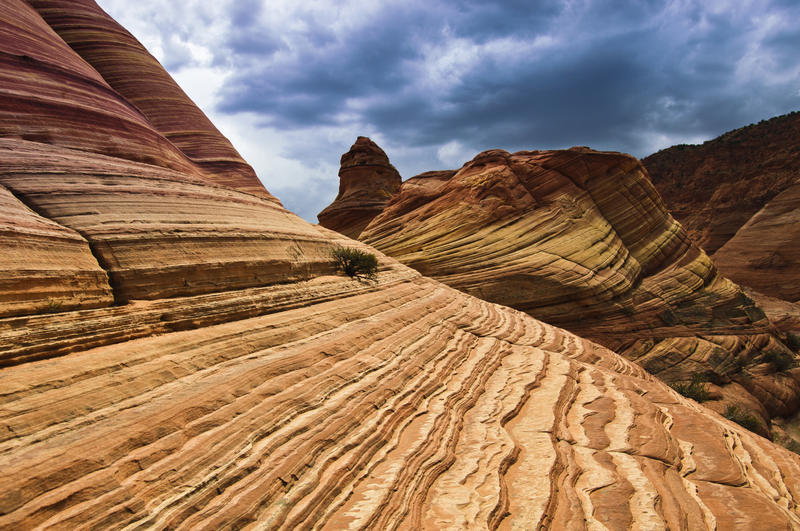
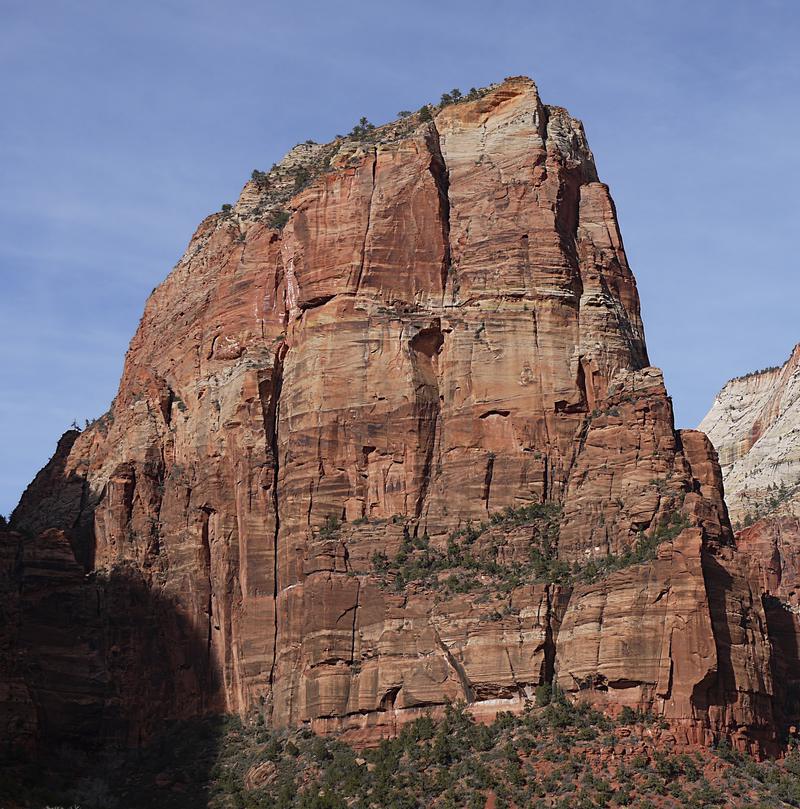
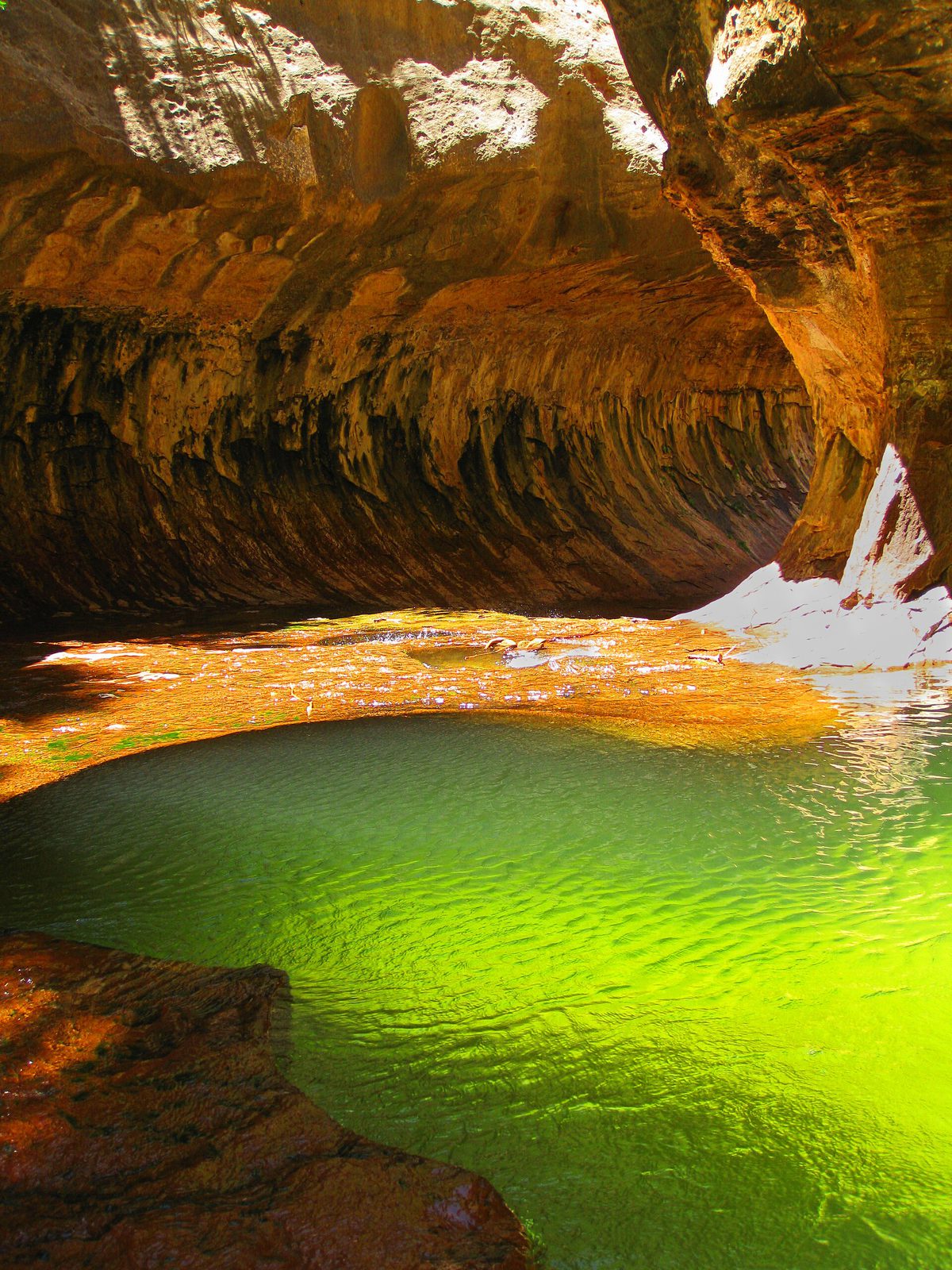
| Utah | 5 | Zion, Bryce Canyon, Arches, Canyonlands, Capitol Reef, together the Mighty Five |
| Colorado | 4 | Rocky Mountain, Mesa Verde, Great Sand Dunes, Black Canyon of the Gunnison |
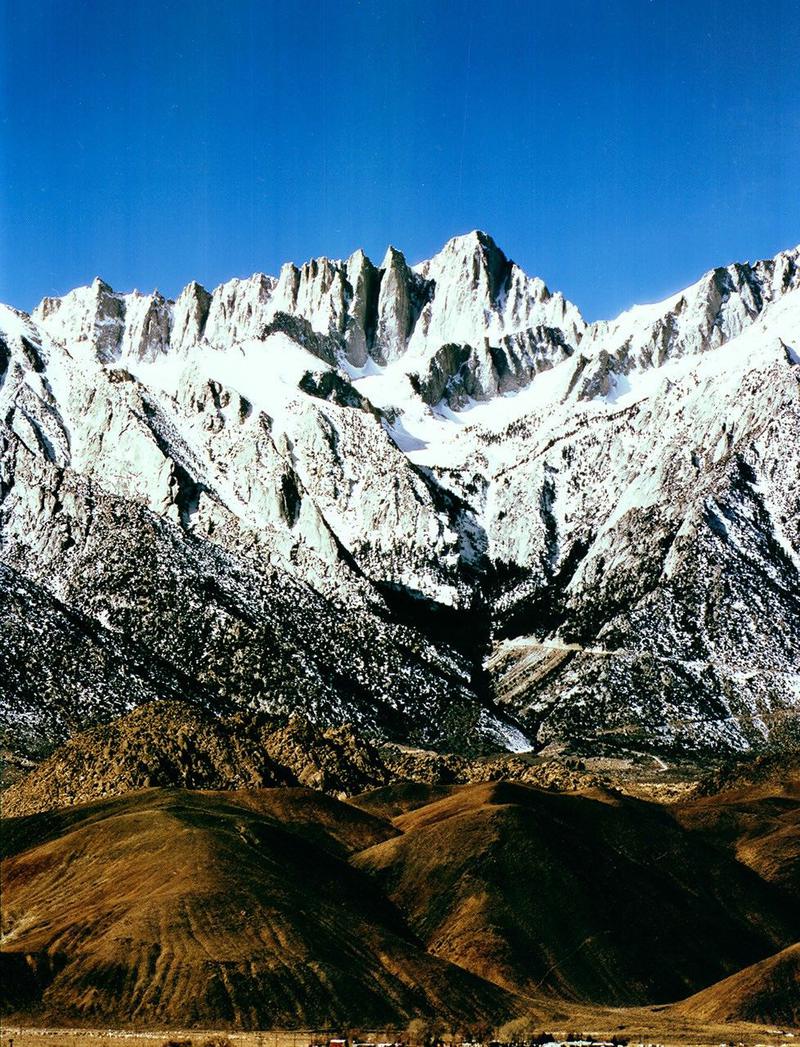
California and Alaska lead for different reasons. California has range: desert below sea level, the tallest trees on earth, an alpine spine and an island chain, inside one state. Alaska has scale. Wrangell-St. Elias alone is larger than nine US states, and several Alaskan parks have no roads into them at all.
Utah is the one to plan a trip around
Five parks in one state matters less than how close together they are. The Mighty Five sit within a few hours of each other on a single loop, which is why Utah is the most efficient national park road trip in the country. California's nine are spread across 800 miles, and Alaska's eight are mostly unreachable by car.
The states with none
Around half of US states contain no national park. Most of the north-east, most of the industrial midwest, and much of the deep south have none, and neither does Delaware, Iowa, Nebraska, Kansas, Illinois, Wisconsin, Georgia, Alabama or Vermont.
This says less than it appears to. The designation is a historical accident as much as a measure of landscape: it reflects which places had a champion in Congress at the right moment. Plenty of states with no national park hold national seashores, national lakeshores, national monuments and national historical parks, all run by the same agency to the same standards. The Boundary Waters in Minnesota and the Appalachian Trail corridor are not national parks. Nobody standing in either would call them lesser.
Why the number you read keeps changing
Three different counts circulate, and all three are defensible:
- 63 is the number of units carrying the title National Park. This is the figure most lists mean.
- 433 is every unit the National Park Service administers, including monuments, battlefields, seashores and historic sites.
- Older counts of 61 or 62 predate recent redesignations. New River Gorge became a national park in 2020, for instance, which moved West Virginia from zero to one.
If a source does not say which it is counting, the number is not useful.
Which States Have the Most National Parks? FAQs
California, with nine: Yosemite, Death Valley, Joshua Tree, Sequoia, Kings Canyon, Redwood, Channel Islands, Lassen Volcanic and Pinnacles. Alaska is second with eight, Utah third with five, Colorado fourth with four.
63 units carry the title National Park. The National Park Service administers 433 units in total, which is where most conflicting numbers come from: the larger figure includes national monuments, seashores, battlefields and historic sites.
Roughly half of them, including Delaware, Iowa, Nebraska, Kansas, Illinois, Wisconsin, Georgia, Alabama and Vermont. The designation reflects political history as much as landscape, and many of those states hold national lakeshores, monuments or historical parks run by the same agency.
Utah. Its five parks sit within a few hours of each other on one loop, so you can do all five in a week without long transits. California has more parks but spreads them across 800 miles, and most of Alaska’s eight cannot be reached by road.
Yes. The worked day-by-day plan is Going-to-the-Sun Road: The Drive, Every Stop, in 2 Days (2 Days), with the permits, the stays and the drive times already sorted. Tell us your dates and we will put it together for you and confirm what is genuinely open on those days. Asking is free: no card, no deposit, and nothing is held until you say yes.