What Is Monkey Face?
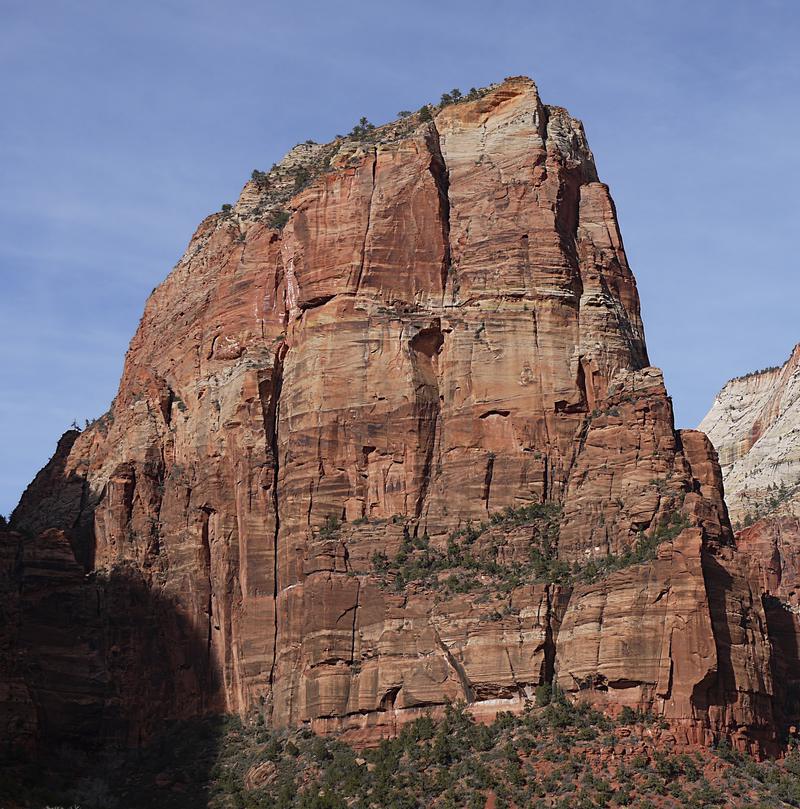
Monkey Face is the most recognizable formation at Smith Rock State Park, a freestanding spire roughly 350 feet tall whose summit profile looks uncannily like the head of a monkey. Made of welded volcanic tuff and basalt, it rises from the high desert above the Crooked River and is one of the most photographed climbing objectives in Oregon. Whether you are a hiker chasing the view or a climber chasing the summit, Monkey Face is the centerpiece of any visit. To build it into a full trip, see our Smith Rock weekend hiking and climbing itinerary.
How to Hike to Monkey Face
The best way to see Monkey Face up close is the Misery Ridge Loop, the park's signature hike. From the day-use lot you cross the footbridge over the Crooked River and climb a steep series of switchbacks up Misery Ridge. The grunt is worth it: cresting the ridge, you are rewarded with a head-on view of the spire and the monkey profile staring back at you. The full loop is about 3.5 to 4 miles with roughly 1,000 feet of gain.
- Distance: 3.5 to 4 miles round trip on the full loop.
- Difficulty: strenuous due to the steep climb up Misery Ridge.
- Highlight: the ridge-top viewpoint directly across from Monkey Face.
- Bonus: descend via the Mesa Verde Trail to pass beneath the spire and the River Trail back to the bridge.
If you continue down the back side, the trail drops below Monkey Face where you can watch climbers thread the route through the spire's mouth, a feature called the Mouth Cave.
Climbing Monkey Face
Monkey Face is a serious objective reserved for experienced climbers. The classic line to the summit involves multiple pitches and a famously committing move where climbers reach across to enter the Mouth Cave. Notable routes include the aid and free lines on the spire, and the summit register tucked into the monkey's head. This is not beginner terrain. It demands solid multi-pitch experience, the right rack, and route knowledge.
Smith Rock is the birthplace of American sport climbing, and Monkey Face is its trophy. Routes here range from moderate trad lines to test-piece free climbs. If you are newer to climbing, hire a local guide service from Bend or Redmond, or cut your teeth on the easier walls along the Dihedrals and the Lower Gorge before eyeing the spire.
Best Time and Conditions
Spring and fall offer the best climbing conditions, with mild temperatures and dry rock. Summer is hot and the south-facing walls bake in the afternoon, so climbers start early. The welded tuff can be brittle in spots, so helmets are strongly recommended both for climbers and for hikers passing below. Watch for nesting raptors in spring, which can trigger seasonal route closures to protect the birds.
Tips for Visiting Monkey Face
- Arrive early; the small day-use lot fills by mid-morning on weekends.
- Carry at least two liters of water per person, as there is no water on the trail.
- Wear grippy shoes for the steep, dusty Misery Ridge switchbacks.
- Bring a zoom lens or binoculars to watch climbers on the spire.
- Respect any posted raptor closures during nesting season.
Make It a Weekend
Monkey Face deserves more than a quick photo stop. Pair the Misery Ridge climb with the flat River Trail and a sunrise on the canyon rim to experience the park fully. Our complete Smith Rock weekend itinerary lays out a two-day plan that puts you face to face with the monkey and saves time for the rest of the park.
Monkey Face at Smith Rock FAQs
Hike the Misery Ridge Loop. From the day-use lot, cross the Crooked River footbridge and climb the steep switchbacks up Misery Ridge to a ridge-top viewpoint directly across from Monkey Face. The full loop is about 3.5 to 4 miles.
No. Monkey Face is a multi-pitch spire reserved for experienced climbers, with a committing move into the Mouth Cave. Beginners should hire a guide or start on easier walls like the Dihedrals before attempting the summit.
Monkey Face is roughly 350 feet tall, a freestanding tower of welded volcanic tuff that rises above the Crooked River canyon. Its summit profile resembles a monkey's head, which gives the formation its name.