Meet Yosemite's giant sequoias at Mariposa Grove
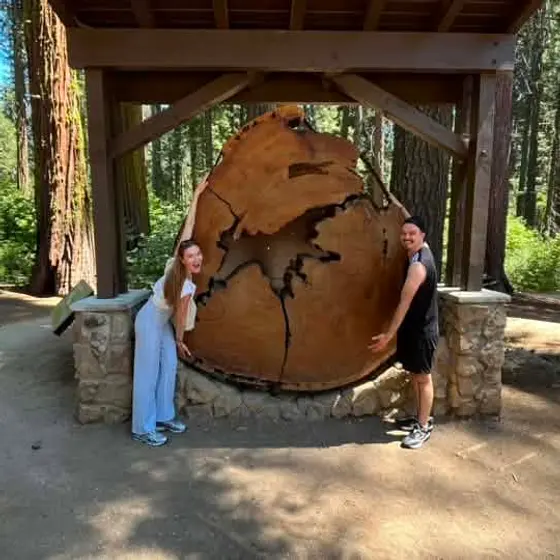
The Mariposa Grove of Giant Sequoias is the largest sequoia grove in Yosemite National Park, with more than 500 mature giant sequoias, the largest trees on Earth by volume. Yosemite Valley gets the waterfalls and the granite, but the park's most jaw-dropping living things are in its southern corner, near the South Entrance off Highway 41. After a major restoration that removed old parking lots and roads from the grove itself, the experience now feels like walking into a quiet cathedral of red trunks. It is one of the easiest places in California to stand beside a tree that was already old when Rome fell, which makes it a highlight for families. This grove is a centerpiece stop on our California National Parks Family Loop itinerary, usually paired with a night near Wawona.
Mariposa Grove at a glance
| The short version | |
|---|---|
| Where | Southern Yosemite, just inside the South Entrance on Highway 41, a few miles south of Wawona |
| Trees | More than 500 mature giant sequoias, the biggest grove in the park |
| Getting in | Park at the Welcome Plaza, then a free shuttle or the 2-mile Washburn Trail |
| Shuttle season | May 3 to November 30 in 2026, about every 15 minutes |
| Cost | Covered by the Yosemite entrance fee; the grove has no separate ticket |
| Easiest walk | Big Trees Loop, 0.3 miles, wheelchair accessible |
| Famous trees | Grizzly Giant, California Tunnel Tree, Bachelor and Three Graces, Fallen Monarch |
| Food | None in the grove, so pack snacks and water |
How the Mariposa Grove shuttle works
You cannot drive into the grove during the busy season. Instead, you park at the Mariposa Grove Welcome Plaza just inside the South Entrance and ride a free shuttle the two miles up to the Arrival Area, where the trails start. In 2026 the shuttle runs from May 3 through November 30, with buses about every 15 minutes. Hours are longest in summer, roughly 8 a.m. to 7 p.m., and shrink through the fall until the last bus leaves mid-afternoon in late November. The Welcome Plaza lot does fill, so arrive early. Always check the current operating status on the Park Service's Mariposa Grove page before you leave, since dates shift with snow.
- Park at: Mariposa Grove Welcome Plaza near the South Entrance
- Shuttle: free, about every 15 minutes in season
- Arrive: before 9 a.m. to beat parking closures
- Disability placard: vehicles displaying one may drive the Mariposa Grove Road to the Arrival Area and near the Grizzly Giant
If you would rather walk, the Washburn Trail climbs from the Welcome Plaza to the grove: about two miles each way with roughly 500 feet of gain. It adds an hour or more to the day, so with small kids the shuttle is the way to go.
Mariposa Grove trails, from easiest to hardest
All four trails start at the Arrival Area at the top of the shuttle route. Distances and times are the Park Service's own.
| Trail | Distance | Time | Good for |
|---|---|---|---|
| Big Trees Loop | 0.3-mile loop, flat | 30 to 45 min | Strollers, wheelchairs, toddlers |
| Grizzly Giant Loop | 2-mile loop, 300 ft gain | 1.5 to 2 hr | Most families |
| Guardians Loop | 6.5 miles round trip | 4 to 6 hr | The upper grove, fewer people |
| Mariposa Grove Trail | 7 miles round trip to Wawona Point, 1,200 ft gain | 4 to 6 hr | Strong hikers who want the view |
The Big Trees Loop: the easy walk for everyone
From the Arrival Area, the Big Trees Loop is a flat, accessible 0.3-mile path that passes the Fallen Monarch and several towering sequoias. It is the right choice for strollers, toddlers, and anyone who wants the wow factor without a climb. Interpretive signs explain how sequoias actually need fire to reproduce, a fact that fascinates kids once they spot the black scorch marks at the base of the giants.
The Grizzly Giant Loop
If your family can manage a gentle two miles, continue on the Grizzly Giant Loop. It is mostly packed dirt with a moderate grade and about 300 feet of climbing, well within reach of grade-school hikers. It passes most of the grove's famous trees in one outing, which is why it is the walk most visitors should pick.
The Guardians Loop and Wawona Point
The two long trails climb into the upper grove, where the crowds thin out fast. The Guardians Loop is 6.5 miles round trip and reaches the upper grove, where what is left of the Wawona Tunnel Tree lies. The Mariposa Grove Trail runs 7 miles round trip with 1,200 feet of climbing to Wawona Point, a viewpoint over the Wawona basin. Give either one a full morning and carry more water than you think you need.
The famous trees of Mariposa Grove
- Grizzly Giant: the grove's most famous tree, which the Park Service puts at around 3,000 years old. It leans slightly, and a single one of its branches is thicker than most other trees in the forest.
- Bachelor and Three Graces: four sequoias growing so close together that their roots are woven into one another. If one falls, it will likely bring the others down with it.
- California Tunnel Tree: a tunnel was cut through it in 1895, and the tree is still alive. You can walk through it for the classic family photo.
- Fallen Monarch: a sequoia that came down centuries ago and has barely decayed, because sequoia wood is rich in tannins that resist rot. It is right on the Big Trees Loop.
- Clothespin Tree: fire has hollowed its base into a tall arch, so it looks like an old wooden clothespin standing on end.
- Wawona Tunnel Tree: the drive-through tree from the old postcards. It fell in 1969, and what is left of it still lies in the upper grove.
A short history of the grove
In 1864 Abraham Lincoln signed the Yosemite Grant, which set aside Yosemite Valley and the Mariposa Grove for public use. It was the first time the federal government set aside scenic land for public use and preservation, eight years before Yellowstone became the first national park. Galen Clark, a homesteader at Wawona, became the grove's first guardian.
Over the next century, roads, a parking lot, a gift shop, and tram tours were built among the trees, and their compacted soil and diverted water were slowly harming them. The grove closed in spring 2015 for a $40 million restoration, the largest in the park's history, and reopened on June 15, 2018. Parking moved out to the Welcome Plaza, the shuttle replaced private cars, roads and trails were pulled back from sensitive roots, and the gift shop and trams were removed. That is why the grove feels so quiet today.
Best time to visit the Mariposa Grove of Giant Sequoias
The grove sits around 5,600 feet, so the access road and trails can hold snow well into spring. Late spring through fall is the reliable window, with summer mornings being the most comfortable. Early morning and the last couple of hours before the final shuttle are the quietest times on the trails, and the low sun turns the red bark almost orange.
In winter, the Mariposa Grove Road closes to cars from the end of November until at least April 1, and the shuttle stops. The grove itself stays open: you walk, snowshoe, or cross-country ski up from the Welcome Plaza on the road or the Washburn Trail. Snow on the sequoias is spectacular and you may have the Grizzly Giant to yourself, but it is a real outing, so check road and chain requirements on Highway 41 before you drive. Our Yosemite winter guide covers the rest of the park in snow season.
What to pack and park rules
Sequoias create deep shade, so bring a light layer even on warm days, plus sturdy shoes for the dirt trails. There are restrooms at the Welcome Plaza and at several points in the grove. Drinking water is available year-round at the Welcome Plaza and in summer at the Arrival Area, but there is no food anywhere in the grove, so pack snacks.
- No pets: dogs are not allowed on any trail or road in the grove, so plan to leave them out of this stop
- Stay on the trail: sequoia roots are shallow, and trampled soil around them is what the restoration was undoing
- Do not climb on the Fallen Monarch or any other tree
Where to stay near Mariposa Grove
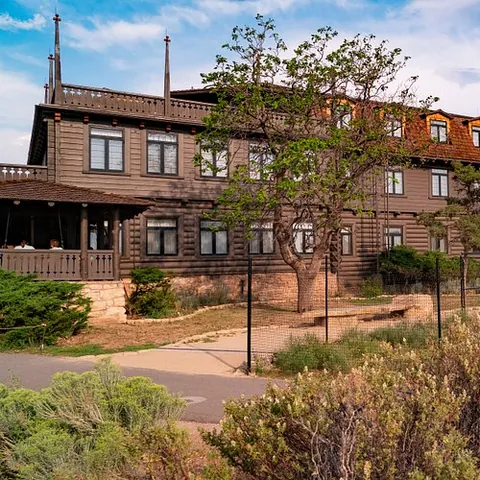
The nearby village of Wawona has lodging, a store, and the historic Wawona Hotel, making it the easiest base for a sequoia morning before driving north into Yosemite Valley. Outside the park, Fish Camp and Oakhurst on Highway 41 are a short drive from the South Entrance. Coming from Southern California, the grove is the natural first stop, because Highway 41 brings you in at the South Entrance; see Los Angeles to Yosemite for the drive. If you only have a few days, the Yosemite 3-day itinerary fits the grove in alongside the Valley and Glacier Point.
Mariposa Grove of Giant Sequoias FAQs
From May through November you park at the Mariposa Grove Welcome Plaza near the South Entrance and ride a free shuttle two miles to the Arrival Area. Private cars are not allowed on the grove road, except vehicles displaying a disability placard. You can also walk the 2-mile Washburn Trail instead.
More than 500 mature giant sequoias grow in the Mariposa Grove, which makes it the largest sequoia grove in Yosemite National Park.
The Grizzly Giant Loop is a 2-mile loop from the Arrival Area with about 300 feet of climbing, and it takes 1.5 to 2 hours. The shorter Big Trees Loop is a flat, wheelchair-accessible 0.3-mile option for families who want an easier walk.
Plan on two to three hours for the Grizzly Giant Loop, including the shuttle each way. The Big Trees Loop alone needs about an hour, and the Guardians Loop or the hike to Wawona Point is a half day.
Yes. The grove stays open, but the road closes to cars from the end of November until at least April 1 and the shuttle does not run, so you walk, snowshoe, or ski about two miles up from the Welcome Plaza.
No separate ticket is needed. The grove is covered by your Yosemite entrance fee, and the shuttle is free. Check whether Yosemite requires a park entry reservation on your dates before you go.
Late spring through fall is best. The grove sits near 5,600 feet and can hold snow into spring, so summer and early fall mornings offer the most reliable access and comfortable temperatures.