One of the South's Great Bird Rookeries
Just outside Breaux Bridge in St. Martin Parish, Lake Martin and the surrounding Cypress Island Preserve protect a flooded cypress-tupelo lake that hosts one of the largest wading-bird rookeries in North America. In spring, tens of thousands of egrets, herons, ibis, and roseate spoonbills nest in the cypress at the water's edge, often within easy view of the levee. It is the kind of place where a casual visitor and a serious birder both leave thrilled. This guide covers how to walk it, when to go, and how it fits into a wider south Louisiana trip.
Lake Martin pairs naturally with the Atchafalaya Basin just to the east, and both are featured stops on our Louisiana Wetlands Circuit itinerary, which loops through Cajun and Creole country over ten days.
The Cypress Island Levee Trail
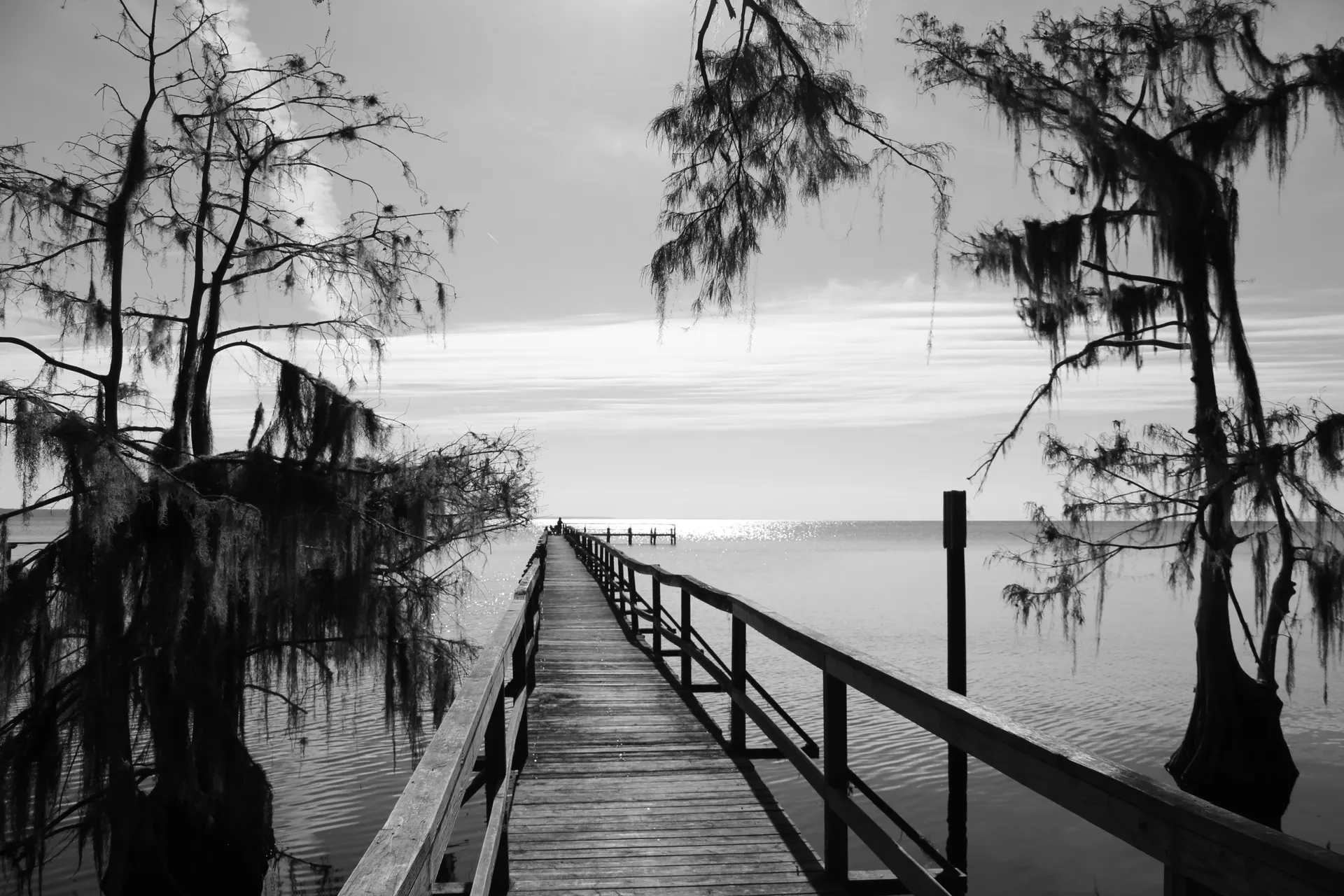
The signature walk here is the levee that runs along the southern and eastern shore of Lake Martin off Rookery Road. It is a flat, exposed gravel and grass path that hugs the water, putting you nearly level with the cypress where the birds nest. You can walk as much or as little as you like; the most active rookery stretches are within the first mile from the main pull-offs. The Cypress Island Preserve, managed by The Nature Conservancy, also maintains a visitor area with a short interpretive trail and a boardwalk that ventures into the swamp. Together the levee and the boardwalk give you both the open-water rookery views and a shaded walk among the trees.
What You Will See
The cast of characters shifts with the season, but Lake Martin reliably delivers:
- Great egrets and snowy egrets nesting by the thousands in spring.
- Roseate spoonbills, the pink showstoppers that draw photographers from across the country.
- Little blue herons, tricolored herons, and white ibis wading the shallows.
- American alligators patrolling beneath the rookery, drawn by fallen chicks and fish.
- Anhingas, cormorants, and wood ducks year-round.
The combination of a dense rookery directly above hungry alligators is part of what makes Lake Martin so dramatic and so popular with wildlife photographers.
Boat Tours and Paddling
While the levee walk is free and excellent, getting on the water adds a different perspective. Several guided swamp tours launch on Lake Martin from the Breaux Bridge side and ease quietly along the cypress, often closer to the nests than you can get on foot. Paddlers can launch kayaks and canoes from the public ramp, but during nesting season keep a respectful distance from the rookery so you do not flush the birds. Early morning offers the calmest water and the best light.
When to Go
The rookery is the reason most people come, and it peaks from late March through May, when nesting is in full swing and roseate spoonbills are most numerous. Arrive at sunrise for soft light, active birds, and cooler temperatures. Outside the nesting season the lake is still worth a visit: winter brings migrating waterfowl and far fewer mosquitoes, while fall offers comfortable walking once the summer heat breaks. Avoid the middle of summer afternoons, when heat, humidity, and insects are at their worst.
Practical Tips and Nearby Stops
Bring binoculars or a long lens, since the rookery is across the water from the levee. Wear a hat and sun protection because the levee is fully exposed. Pack insect repellent for spring and summer, and carry water. Restrooms and parking are limited, so plan around the Cypress Island Preserve visitor area. After your walk, Breaux Bridge is five minutes away with crawfish restaurants, the historic downtown, and easy access to the Henderson swamp tours on the Atchafalaya Basin. Many visitors do Lake Martin at dawn and a Basin boat tour the same afternoon, making for one of the richest wildlife days in the state.
Lake Martin and Cypress Island Preserve FAQs
The wading-bird rookery peaks from late March through May, with thousands of nesting egrets, herons, and roseate spoonbills. Arrive at sunrise for the most activity and the best light.
Yes. The levee trail along Rookery Road is open to the public and free to walk, putting you close to the rookery. The Cypress Island Preserve visitor area adds a short interpretive trail and boardwalk.
Yes, American alligators are common at Lake Martin and are often seen beneath the rookery, especially during the spring and summer when they are most active. Keep a safe distance and never feed them.