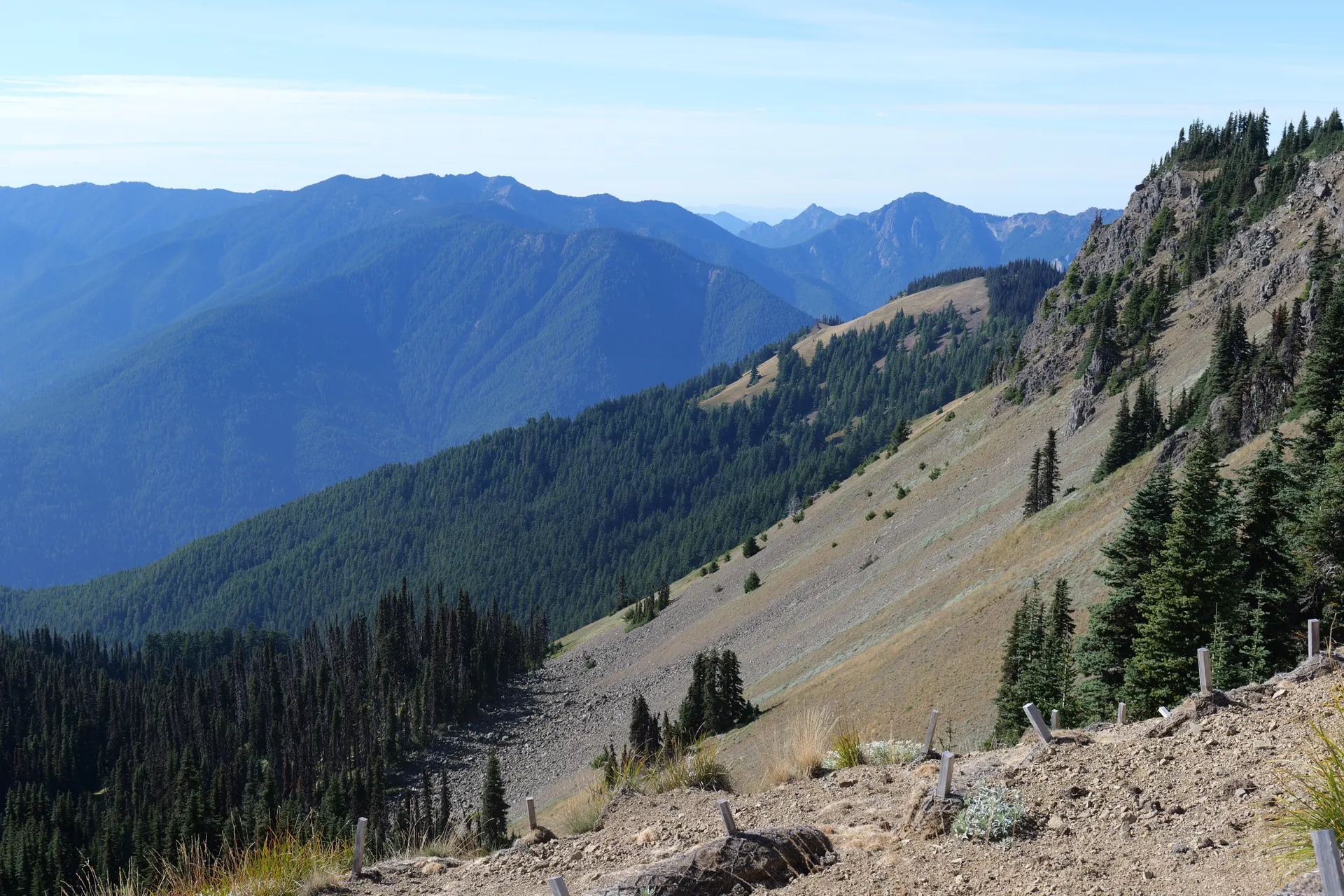
The High Country of Olympic National Park
Hurricane Ridge is the most accessible alpine zone in Olympic National Park, reached by a paved 17-mile road that climbs steeply from Port Angeles to about 5,200 feet. The drive itself is half the experience, with switchbacks, tunnels, and pull-offs that open onto the interior peaks. At the top you trade the rain forest below for subalpine meadows, glaciated views of Mount Olympus, and deer grazing right beside the trails. Because you start so high, you reach big mountain scenery with very little climbing, which is why this is the mountain stop on the Olympic Peninsula family road trip.
Cirque Rim and Big Meadow Loops
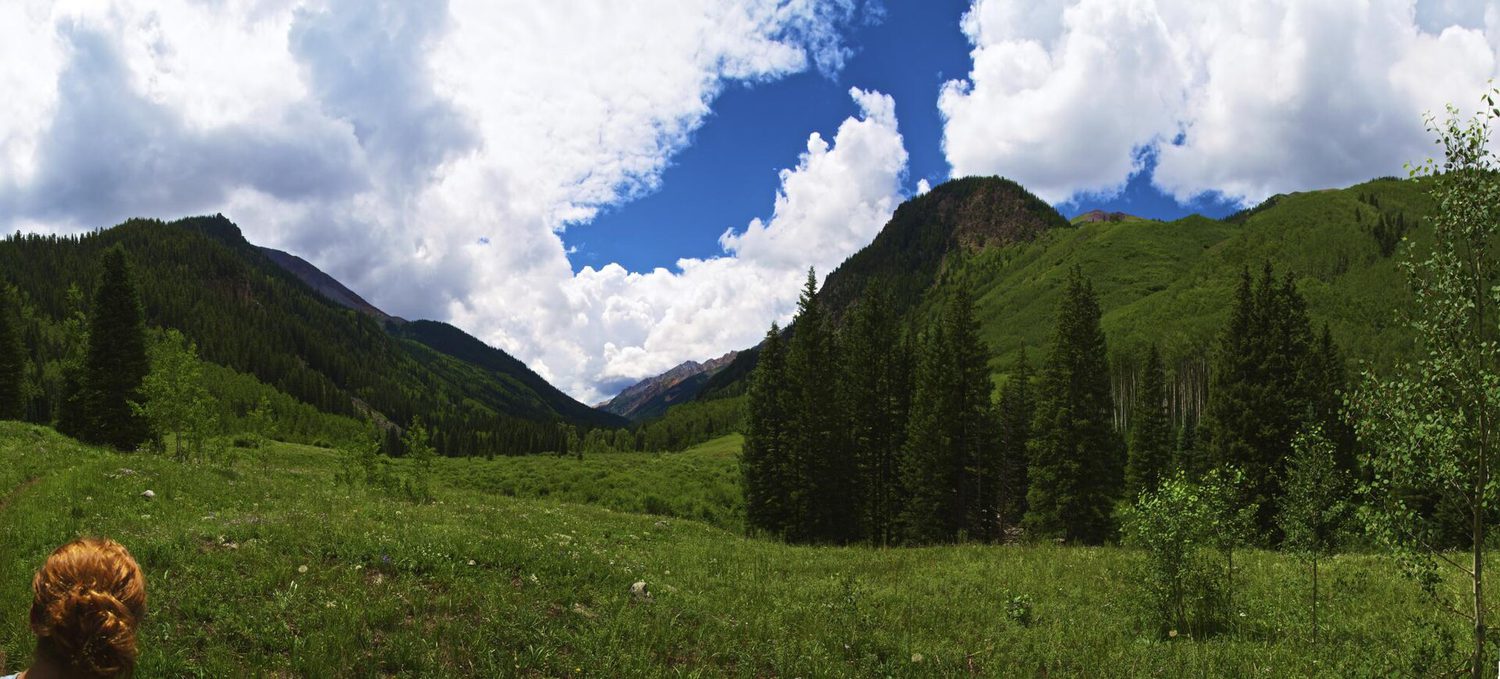
Right from the visitor center, a web of short paved and gravel paths makes the easiest introduction to the ridge. The Cirque Rim Trail is a roughly half-mile stroll along the edge of the escarpment with interpretive signs and jaw-dropping views north toward the Strait of Juan de Fuca and Canada. The Big Meadow Loop connects nearby and winds through wildflower meadows where black-tailed deer often graze unbothered by visitors. These short loops total under a mile and are partly accessible, making them ideal for families, older travelers, and anyone short on time.
Hurricane Hill Trail
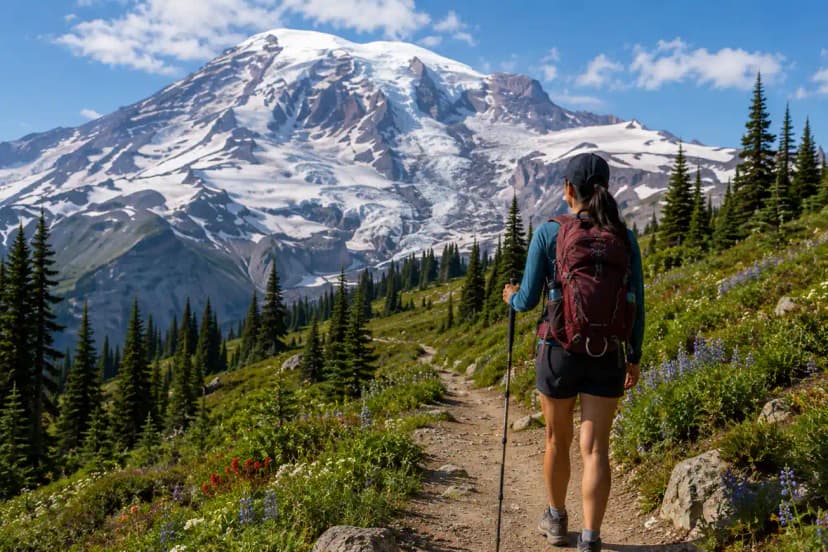
The signature day hike here is the Hurricane Hill Trail. It runs about 3.2 miles round trip with roughly 700 feet of elevation gain on a paved and packed path that climbs steadily to a 5,757-foot summit. The reward at the top is a 360-degree panorama: the Olympic interior to the south, Vancouver Island to the north, and on clear days the snowcaps of the Cascades far to the east. The trailhead is at the end of the ridge road past the visitor center. In July and August the slopes blaze with lupine, paintbrush, and avalanche lilies. Marmots whistle from the rocks and you may spot olympic marmots, which live nowhere else on Earth.
Klahhane Ridge for More Distance
If you want a longer, more demanding day, the Klahhane Ridge route via the Switchback Trail or the High Ridge Trail climbs higher into rocky terrain with even broader views and a better chance of solitude. Expect steeper grades, exposure, and lingering snow into early summer. This is the trail for fit hikers who have already sampled the easier loops and want to push deeper into the alpine.
Wildflowers, Wildlife, and Snow
Hurricane Ridge is a short-season alpine world. Here is what to expect through the year:
- Late spring: snow often lingers on trails into June; views are clear but flowers are just beginning
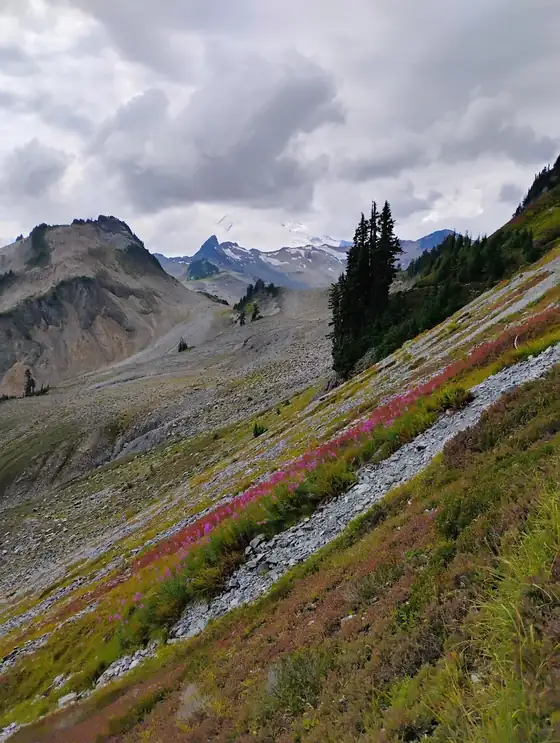
- Mid to late summer: peak wildflowers, warm meadows, and the most open trails
- Fall: golden meadows and crisp air with fewer crowds
- Winter: the area becomes a small ski and snowshoe destination when the road is open, which can be limited
Wildlife is a highlight year-round. Black-tailed deer are everywhere, marmots sun themselves on rocks, and you may see grouse along the meadow edges. Give all animals plenty of space and never feed them.
Planning and Practical Tips
A few logistics make the day smoother:
- Check the road status: the Hurricane Ridge Road can close for weather, construction, or avalanche control, especially outside summer
- Arrive early: the parking lot fills on summer weekends, sometimes by mid-morning
- Bring layers: it can be 20 degrees cooler and far windier up top than in Port Angeles
- Pay the entrance fee: Olympic National Park charges admission, and there is a staffed entrance station on the way up
Pack water, sun protection, and a warm layer even on bright days, because mountain weather turns quickly. Pair Hurricane Ridge with a coastal or rain forest day for the full sweep of the park; our 7-day Olympic loop sequences all three so you experience mountains, forest, and sea in one trip.
Hurricane Ridge Hikes FAQs
Hurricane Hill is about 3.2 miles round trip with roughly 700 feet of elevation gain on a paved, well-graded path. It is moderate, and most reasonably fit hikers including families with older kids can complete it in two to three hours.
The subalpine meadows usually peak from mid-July through August with lupine, paintbrush, and avalanche lilies. Snow can linger on trails into June, so summer is the most reliable window.
Yes. The 17-mile Hurricane Ridge Road can close for snow, weather, construction, or avalanche control, especially outside summer. Always check the current road status with Olympic National Park before you drive up.