What the Boardwalk Loop Is
The Boardwalk Loop is the signature walk at Congaree National Park, a 2.4-mile elevated wooden path that floats above the floodplain southeast of Columbia, South Carolina. It is the easiest way to stand among one of the tallest deciduous forests in North America without getting your boots muddy. Towering loblolly pines, bald cypress, and water tupelo rise on both sides, and after heavy rain the whole forest floor below the planks can fill with tea-colored floodwater.
Because the trail is fully boardwalk, it is flat, stroller-friendly, and largely wheelchair-accessible on the upper sections. It is the perfect orientation walk before you tackle anything deeper. If you want to build a full weekend around the park, our 2-day Congaree National Park itinerary pairs this loop with Weston Lake and a Cedar Creek paddle.
Where to Start and Park
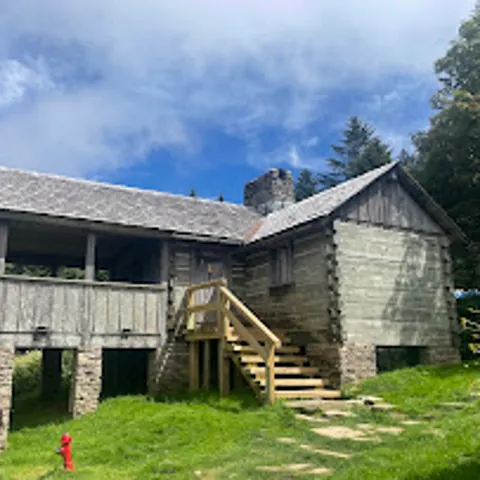
Everything begins at the Harry Hampton Visitor Center off Old Bluff Road in Hopkins, about 30 minutes from downtown Columbia. The park is free to enter and parking is free, though the lot fills on cool, dry weekends. Grab a trail map inside, check the boardwalk status board (sections close when the river floods), and walk out the back of the visitor center to the trailhead.
- Upper boardwalk: Closer to the visitor center, often drier, broader planks, fully accessible.
- Lower boardwalk: Drops down toward the water, where the biggest cypress knees and the deepest old-growth feel live.
- Weston Lake overlook: A short detour to an oxbow lake where you may spot turtles, otters, and wading birds.
How Long the Walk Takes
Most visitors finish the full 2.4-mile loop in 60 to 90 minutes at an easy pace. Add time if you stop at the interpretive signs or linger at the Weston Lake overlook. Photographers should budget two hours, especially in early morning when mist hangs in the canopy. The loop is well marked with numbered posts that correspond to a self-guided brochure available at the trailhead.
Best Sections to See the Old-Growth
The lower boardwalk is where Congaree earns its reputation. Around posts 11 through 15 you pass some of the largest bald cypress and loblolly pines in the park, several topping 150 feet. Look for the knobby cypress knees poking up from the muck and the dwarf palmetto thickets that give the forest a primeval, almost tropical feel. In spring the understory greens up fast; in late autumn the tupelos turn gold and the crowds thin out.
What to Bring and Watch For
This is still a wild swamp, so come prepared even for a short walk.
- Insect repellent: Mosquitoes can be fierce from late spring through early fall. Check the park's famous mosquito meter at the visitor center.
- Water and sun protection: Humidity is high; there is no water on the loop itself.
- Sturdy shoes: Planks can be slick when wet, and a few low sections may be submerged after rain.
- Binoculars: Barred owls, woodpeckers, and prothonotary warblers are common along the lower loop.
When to Walk It
Spring and fall offer the best mix of comfortable temperatures and fewer bugs. Summer brings heat, humidity, and the heaviest mosquito activity, while winter is quiet, cool, and excellent for spotting wildlife through the bare canopy. For a truly unusual experience, time a visit in late May or June for the synchronous firefly event, when the park runs a lottery for evening boardwalk access.
However you time it, the Boardwalk Loop is the single best introduction to this strange, beautiful floodplain. Walk it slowly, look up at the canopy, and then go deeper using the rest of the trail network.
Congaree Boardwalk Loop Trail: A Complete Walking Guide FAQs
The full Boardwalk Loop is about 2.4 miles and takes most visitors 60 to 90 minutes to walk at an easy pace.
The upper boardwalk near the Harry Hampton Visitor Center is largely wheelchair and stroller accessible. The lower boardwalk can be uneven or flooded after rain, so check the status board at the visitor center first.
Yes. Sections of the lower boardwalk close when the Congaree River floods the floodplain. Always check the boardwalk status board at the visitor center before heading out.