Two Days in Congaree: Boardwalks & Old-Growth Swamp
One park, old-growth giants & a black-water swamp, near Columbia.
Two days exploring what to do in Congaree National Park: the elevated Boardwalk Loop, the Weston Lake Loop, a Cedar Creek paddle through the old-growth swamp, and the famous fireflies.
“I’ve requested to book a Chain Lakes Loop guide on ExplorOFF, and it was the best idea ever! I highly recommend going with their guided option since you get a real human connection on the trail and don’t have to worry about a thing. Yulia was great to talk to!”
 9 stops on a real mapEvery stop pinned in order→
Congaree: every stop pinned in order.
The Boardwalk, Weston Lake & Cedar Creek · central South Carolina
Every stop on this trip, in order, opens as one driving route in the Google Maps app. No copying addresses across one at a time.
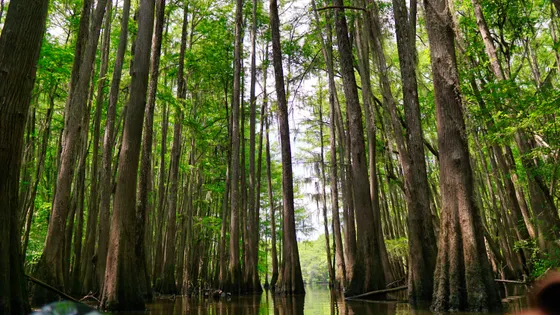
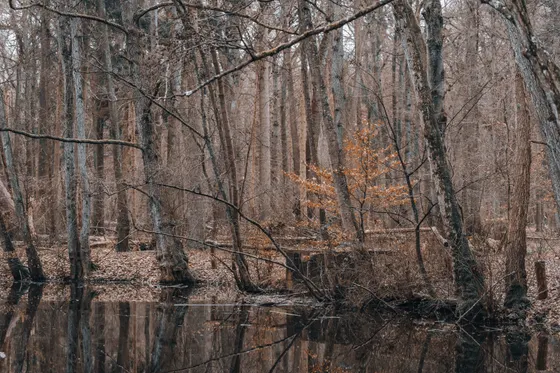
Congaree in photos: 5 of the stops.


Plan and book your 2 days in Congaree, one step at a time
- Trees are down across Cedar Creek between Bannister's Bridge and South Cedar Creek Landing, and the NPS warns they may mean significant portages depending on water level. Source
- Cedar Creek read about 2.5 feet on September 28, well below the 8-foot flood stage; the NPS tells paddlers to be ready for numerous portages and carry-overs of logs. Source
- GPS is needed on the backcountry trails (Oakridge, Boggy Gut and Kingsnake), which the park says may be difficult to follow. Source
How 2 days in Congaree split up
Plan 2 days for Congaree. Total distance: ~15 mi. Difficulty: Easy. Entrance fee: Free. Congaree National Park protects the largest intact tract of old-growth bottomland hardwood forest left in the United States, a flood-fed wilderness of towering bald cypress, loblolly pine, and water tupelo on the floodplain of the Congaree and Wateree rivers. Some of the tallest trees in the eastern US grow here, and the whole forest is laced with creeks, sloughs, and cypress knees rising out of the tea-colored water.
Day 1: The Boardwalk Loop & Weston Lake from the visitor center
5 stops · Day one
Day 2: Paddle Cedar Creek & a longer loop into the wilderness
4 stops · Day two
The Boardwalk Loop & Weston Lake from the visitor center
Start at the Harry Hampton Visitor Center, where the rangers post current flood and trail conditions and the famous "mosquito meter" rates the bug situation from "all clear" to "war zone." Grab a trail map, check whether the boardwalk is open (it can flood after heavy rain), and load up on repellent before you head out.
Not the order you want? Drag a stop, or use the arrows beside it. Stops move between days too.
 Drive from
~30 min · free park entry · DriveCongaree sits about 30 minutes southeast of Columbia, the easiest base for the park since there is no in-park lodging. The drive is short and simple, and the park is free to enter, so you can be on the boardwalk soon after breakfast in town.
- Harry Hampton Visitor Center
Trail maps · mosquito meter · ViewpointStart at the Harry Hampton Visitor Center, where rangers post current flood and trail conditions and the famous "mosquito meter" rates the day's bugs. Grab a map, confirm the boardwalk is open, and load up on repellent before you head into the old-growth forest.
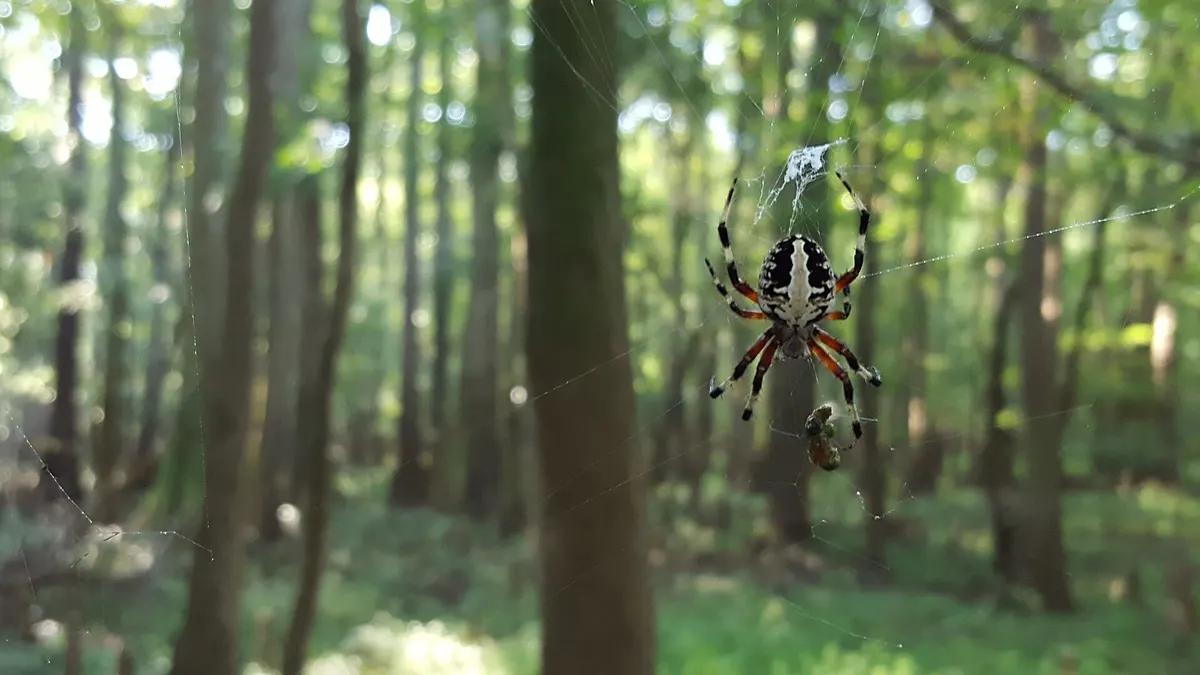 Rmhermen / CC BY-SA 4.0Boardwalk Loop Trail
~2.4 mi · easy · elevated boardwalk · HikeWalk the Boardwalk Loop Trail (about 2.4 miles), the park's signature elevated walk, on a raised wooden path through cathedral-like old-growth bald cypress, loblolly pine, and tupelo without ever touching the mud. It is flat, partly accessible, and the best introduction to the forest.
- Weston Lake Loop Trail
~4.4 mi · easy · oxbow lake · HikeTo go deeper, link onto the Weston Lake Loop Trail (about 4.4 miles total) out to a quiet oxbow lake where you can often spot turtles, wading birds, and the occasional otter. It leaves the boardwalk for natural-surface trail that can be muddy, so wear shoes you do not mind getting dirty.
 w_lemay / CC BY-SA 2.0Stay in Columbia, SC
Main base · ~30 min from the park · lodgeBase in Columbia, about 30 minutes from the park, which has the area's lodging, restaurants, and the nearest airport (CAE). There is no lodging inside Congaree, only the walk-in Longleaf and Bluff campgrounds, so most visitors sleep in town and drive in each morning.
Paddle Cedar Creek & a longer loop into the wilderness
Day two gets you onto the water. The marked Cedar Creek canoe trail is the best way to feel Congaree's old-growth swamp, drifting on tea-colored black water between buttressed cypress trunks and knees, with prothonotary warblers, herons, and turtles all around. Bring or rent your own canoe or kayak, or reserve a free ranger-led canoe tour through the park, which fills up fast.
Not the order you want? Drag a stop, or use the arrows beside it. Stops move between days too.
- Guided Cedar Creek kayak tour
3 hr · J.K. Adventure Guides · boats and gear included · check the Cedar Creek gauge · activityThe marked Cedar Creek canoe trail is the best way to feel Congaree's old-growth swamp, drifting on tea-colored black water between buttressed cypress trunks and knees, with prothonotary warblers, herons, and turtles all around. There are no rentals in the park, so the easy way in is a three-hour guided paddle with J.K. Adventure Guides, one of the outfitters the NPS lists: they bring the kayaks and gear and meet you at South Cedar Creek Landing. If you would rather go on your own, River Runner Outdoor Center in Columbia rents canoes and kayaks you carry on your car, and the park runs free ranger-led canoe tours that fill fast. Check the Cedar Creek gauge (waterdata.usgs.gov, site 02169672) first: flood stage is 8 feet, and fallen trees mean portages at any level.
Book this → - Oakridge Trail
~6.6 mi · easy to moderate · old-growth · HikeIf you would rather stay on foot, take the Oakridge Trail (about 6.6 miles) through deep old-growth bottomland forest. It is mostly flat but can be muddy and sections may flood, so carry a map and watch for the trail markers, since the similar-looking forest makes it easy to lose your bearings.
 Kingsnake Trail
Quieter route · prized for birding · ViewpointFor a quieter walk, the Kingsnake Trail is a remote route prized by birders, winding through forest and along sloughs where you can spot warblers, owls, and woodpeckers. Its trailhead and lower sections can flood, so check conditions first and plan extra time on the rougher tread.
- Getting home: Columbia (CAE)
Columbia Metropolitan ~30 min · DriveFrom the park it is about 30 minutes back to Columbia and Columbia Metropolitan Airport (CAE). Because everything is so close, you can paddle or hike in the cooler morning and still make an afternoon flight or drive home, with time to clean up the mud first.
Book the 1 night
Beds near the trailheads are the one thing on this trip that genuinely runs out. Everything else can be decided later.
Tell us your dates and we will do the checking. We find what is still open near each trailhead and email you this plan back with a booking link for each night. Nothing is charged and you decide at the end.
Request to bookWhat to pack for Congaree
Built from this route, not a generic list. Every line says why it is here.
On every day of this trip
On your feet
Because you are sleeping indoors
For the driving days
What we actually learned in the swamp.
The park is free to enter
Congaree National Park charges no entrance fee, so you can come and go without a pass. The walk-in Longleaf and Bluff campgrounds do require a small reservation fee through recreation.gov, but day use and the boardwalk are completely free.
Bring serious insect repellent
This is a swamp, and the mosquitoes can be fierce from late spring into fall. The Harry Hampton Visitor Center posts a "mosquito meter" rating the day's bugs. Bring repellent, wear long sleeves on the loop trails, and the boardwalk is usually a bit breezier and clearer.
Check flood and trail conditions first
Congaree sits on a river floodplain, so after heavy rain the lower boardwalk and many trails can flood and close. Always check the park's current conditions page or call the visitor center before you drive out, and have a backup plan in high water.
Go fall through spring
October through April brings cooler temperatures, fewer bugs, and often better water for paddling. Summer is hot, humid, and buggy. Mid-May into early June is firefly season, which is special but draws a managed crowd via a lottery.
No lodging in the park, so base in Columbia
There are no hotels or cabins inside Congaree, only the Longleaf and Bluff walk-in campgrounds. Most visitors stay in Columbia about 30 minutes away, which has plenty of lodging, restaurants, and the nearest airport (CAE).
Reserve ranger-led canoe tours early
Paddling Cedar Creek is the highlight for many visitors. There are no rentals in the park, so bring your own boat, rent in Columbia, or grab one of the free ranger-led canoe tours, which are reservation-only through the park and fill up quickly.
Let the mosquito meter pick your trail
When the Harry Hampton Visitor Center mosquito meter shows a heavy hatch, favor the breezier elevated boardwalk over the dark, muddy floor loops like Weston Lake, where still air and deep shade let the bugs swarm. The raised walk catches more of any breeze and keeps you up off the wet ground.
Congaree: questions before you go
Congaree kayak rental: the questions people ask most.
On day one, start at the Harry Hampton Visitor Center and walk the Boardwalk Loop Trail (about 2.4 miles, the signature elevated walk) through the old-growth forest, then extend onto the Weston Lake Loop (about 4.4 miles) out to a quiet oxbow lake. On day two, paddle the marked Cedar Creek canoe trail through the swamp, or hike a longer loop like the Oakridge Trail (about 6.6 miles). That gives you the boardwalk, a paddle, and time in the deeper backcountry without rushing.
Congaree is a small park, so one full day covers the highlights and two days lets you slow down. With two days you can do the Boardwalk Loop and Weston Lake Loop on foot, then dedicate a morning to paddling the Cedar Creek canoe trail or tackling a longer backcountry loop. Because Columbia is only about 30 minutes away, it is easy to base in town and drive in each morning.
No. Congaree National Park is free to enter, with no entrance fee and no pass required for day use or the boardwalk. The only fees are small reservation charges for the walk-in Longleaf and Bluff campgrounds, booked through recreation.gov.
The Boardwalk Loop Trail (about 2.4 miles) is the signature walk, an elevated wooden path from the visitor center through cathedral-like old-growth cypress and pine. For more distance, the Weston Lake Loop (about 4.4 miles) adds an oxbow lake, the Oakridge Trail (about 6.6 miles) goes deeper into old-growth, and the River Trail runs roughly 10 miles to the Congaree River. Birders favor the quieter Kingsnake Trail.
Yes, and paddling is a highlight. The marked Cedar Creek canoe trail winds through the old-growth swamp on tea-colored black water. There are no rentals inside the park, so bring your own canoe or kayak, rent from an outfitter in the Columbia area, or reserve a free ranger-led canoe tour through the park. Check Cedar Creek water levels first, since they change a lot with rainfall.
Congaree's synchronous fireflies typically appear for a couple of weeks between mid-May and early June, when the males flash in unison after dark. The park manages access with a vehicle lottery through recreation.gov because the event is so popular, so if you want to go, plan months ahead and enter the lottery when it opens.
Fall through spring (roughly October to April) is the most comfortable, with cooler temperatures, fewer mosquitoes, and often higher water for paddling. Spring is especially nice. Summer is hot, humid, and buggy. Mid-May into early June brings the famous synchronous fireflies, which is a special but crowded window managed by lottery.
There is no lodging inside the park, only the walk-in Longleaf and Bluff campgrounds. Most visitors stay in Columbia, South Carolina, about 30 minutes away, which has plenty of hotels, restaurants, and Columbia Metropolitan Airport (CAE). If you want to sleep in the park, reserve a campsite through recreation.gov.
There are no boat rentals inside Congaree, and nothing right outside the park either, so sort it out before you drive down. Rent a canoe or kayak from an outfitter in the Columbia area and bring it with you, since the park is roughly 30 minutes away with no nearby place to grab one. If you would rather travel light, reserve one of the free ranger-led canoe tours through the park, but try to book months ahead, since the limited spots tend to go quickly. Whichever you choose, check the live Cedar Creek water level first: too low leaves you dragging over sandbars, and too high can bring hazardous current and deadfall.
There are no hotels in Congaree National Park itself, so your only in-park option is the walk-in Longleaf or Bluff campground. For a roof over your head, most visitors book a hotel or a bed-and-breakfast in Columbia or the small town of Hopkins, both roughly 20 to 30 minutes from the entrance, then drive in each morning. Columbia has the widest choice of hotels, restaurants, and the nearest airport (CAE), while Hopkins puts you closest to the park gate. If you would rather sleep among the cypress, reserve a site at Longleaf Campground through recreation.gov well ahead in busy seasons.
Congaree has two campgrounds, Longleaf and Bluff, but both are tent and car campgrounds only, with no RV hookups, no dump station, and no pull-through sites, so in practice large RVs cannot really stay in the park. It is less a formal RV ban than a lack of any RV facilities, and Bluff is a hike-in site. If you are traveling by RV, plan on RV camping near Congaree National Park instead: nearby South Carolina state parks such as those around the Columbia area offer campgrounds with RV hookups, and there are private RV parks in the Columbia region. Longleaf and Bluff are reserved through recreation.gov.
For many travelers, yes. Congaree is small and easy to underestimate, but it protects the largest intact tract of old-growth bottomland hardwood forest left in the United States, with some of the tallest trees in the eastern US. The elevated Boardwalk Loop lets almost anyone walk into a genuinely wild, cathedral-like swamp in under an hour, the Cedar Creek paddle is a standout, and it is free to enter. If you enjoy quiet nature, birding, big trees, or paddling, or you are collecting national parks, it is well worth a day or two. If you need dramatic mountains or waterfalls, temper expectations, since this is a flat, watery, subtle landscape.
The classic Congaree National Park sign that people photograph sits near the park entrance along the main access road (National Park Road) as you drive in toward the Harry Hampton Visitor Center from the Hopkins side. There is not a large formal pullout, so slow down as you approach the entrance and stop safely off the road for your photo. It is an easy stop to fold in on your way to the visitor center, where you can also confirm current flood conditions before you start hiking.
Yes. Tell us your dates and we check what is still open for the plan on this page, then send it back with a booking link for each night and the total. Nothing is charged and nothing is held, and you pay the normal rate.
Pick how you want to go.
Same 2-day route. Same 6 stops.
- 1 night, a campsite near Columbia
- $22
- Guided Congaree kayak tour (J.K. Adventure Guides)
- $160
- 1 night, a room in Columbia
- from $150
- Guided Congaree kayak tour (J.K. Adventure Guides)
- $160
- A private local guide, rooms and campsites booked
- Included
- Airport pickup and every drive
- Included
- Park, permit and campsite fees paid
- Included
- All the gear and the trail meals
- Included
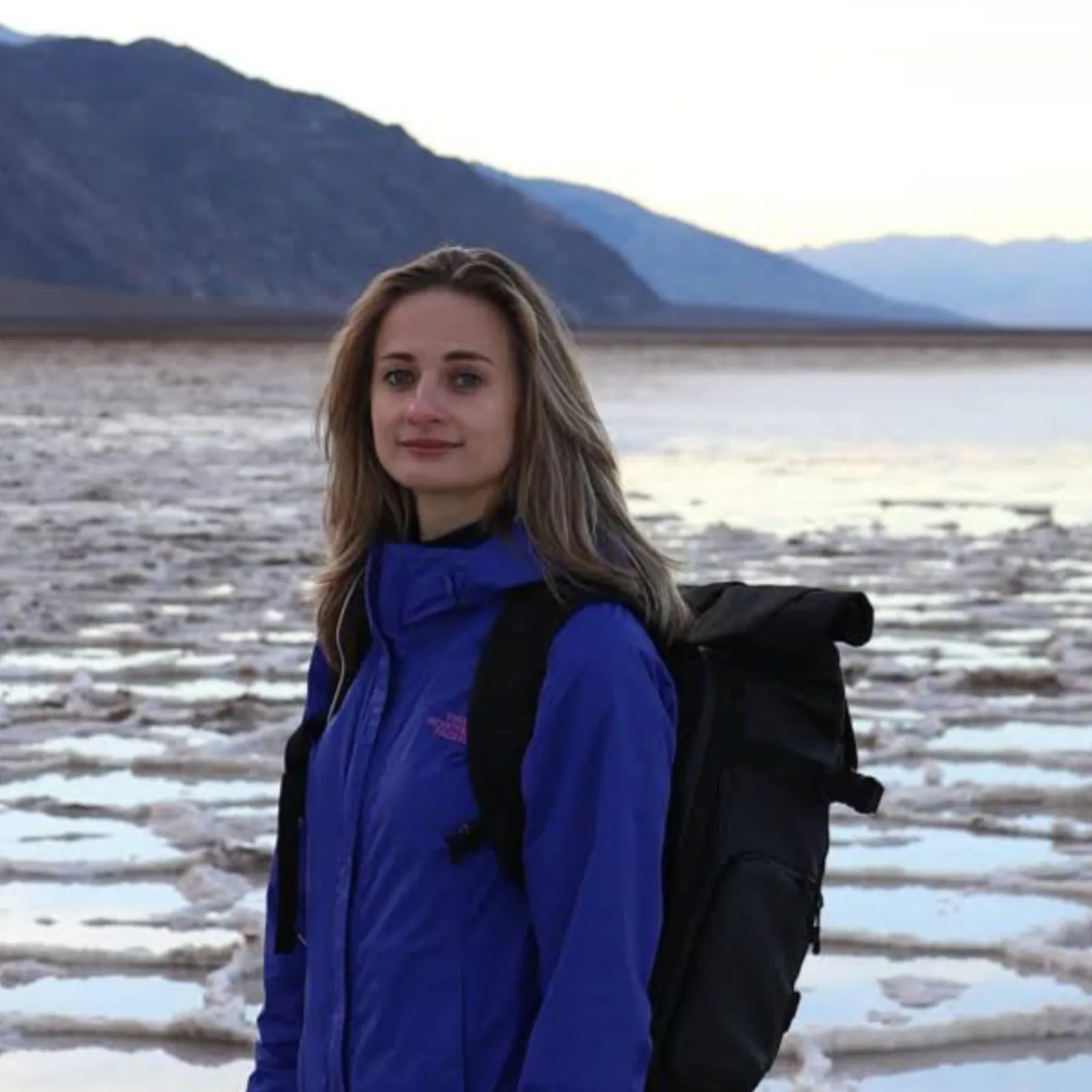
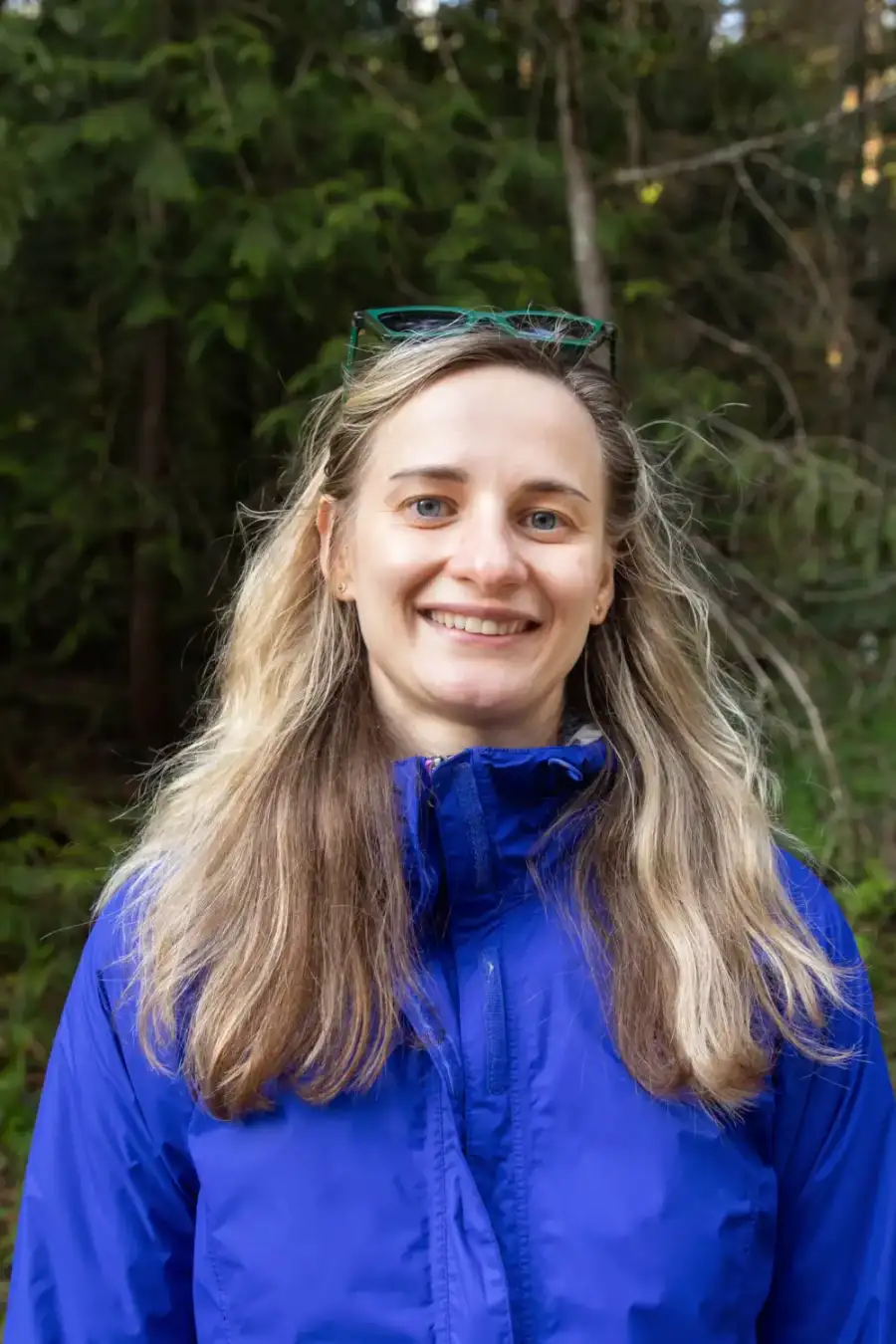
Written and walked by Yulia Vasilyeva · Co-founder · Lead planner and guide
Three years leading guided hikes in the Pacific Northwest, rated 5.0 by 20+ verified guests, and she builds every custom itinerary herself. Based in Seattle.
Last checked September 2026
You might also love these
Other itineraries near this one.

Tallulah Gorge State Park: A Weekend Hiking Itinerary
Two days of Tallulah Gorge hiking: the North and South Rim overlooks, the Hurricane Falls stair loop to the suspension bridge, and the…
Blue Ridge Parkway Hikes: A Scenic Road-Trip Itinerary
Five days of Blue Ridge Parkway hikes and overlooks: the Graveyard Fields Loop, the Price Lake Loop Trail, Linville Falls, Mount Mitchell.
Nantahala National Forest Hiking: A 3-Day North Carolina Itinerary
Three days of Nantahala National Forest hiking: Whitewater Falls, the deep Nantahala Gorge and a river day, Wesser Bald and Wayah Bald…
Guides for this tripCongaree Boardwalk Loop TrailPaddling Cedar CreekCongaree Mosquito Season and the Best Time to VisitDry Tortugas National Park Trip
What adventurers say about us.
All reviews are from verified guests. ★★★★★ 5.0 average from 20+ bookings.
"Felt like going out with a really knowledgeable friend who just happens to know everything about the area. No awkward tour-guide energy, just a magnificent day."
"Yulia is an incredible guide. She knew every trail, every viewpoint, and exactly how to pace the day for our group. The photos she took of us were stunning. 100% booking again."
"I was visiting Seattle solo and this was the best decision I made on the trip. Yulia picked me up, had snacks, and took us to a trail I never would have found on my own. Absolute must-do."
"We did this as a couple's trip and it was perfect. Yulia adapted everything to us, our pace, our interests, our photo obsession. The mountain views were unreal."
"Phenomenal experience. Yulia has deep local knowledge and a real passion for the outdoors. She went out of her way to show us the hidden gems tourists never see. Will remember this forever."
"I've done a few guided hikes and this was by far the best. Yulia is warm, funny, and genuinely expert. The trail she chose had the most insane wildflower bloom, we got so lucky."
Fees, reservation windows, shuttle dates and trail closures are planning estimates. Confirm hours, road status and any reservations with the land manager before you go.
What other travelers are saying
Be the first to leave a tip or question for the next traveler.
Was this helpful?
One tap. It goes straight to Yulia and Margarita.
You can't hike it if you can't get the permit.
The best hikes in America run on lotteries that open once a year and sell out in minutes. Every trail runs on its own calendar. Pick the ones you want and we do the watching.
 The WaveCoyote Buttes North · Arizona / UtahPermitLotterybrutal odds
 Half Dome CablesYosemite NP · CaliforniaPermitOpens Mar 1fair odds
 Mt. WhitneyInyo NF · CaliforniaPermitOpens Feb 1tough odds
 Angels LandingZion NP · UtahPermitLotterytough odds
 The SubwayZion NP · UtahPermitLotterytough odds
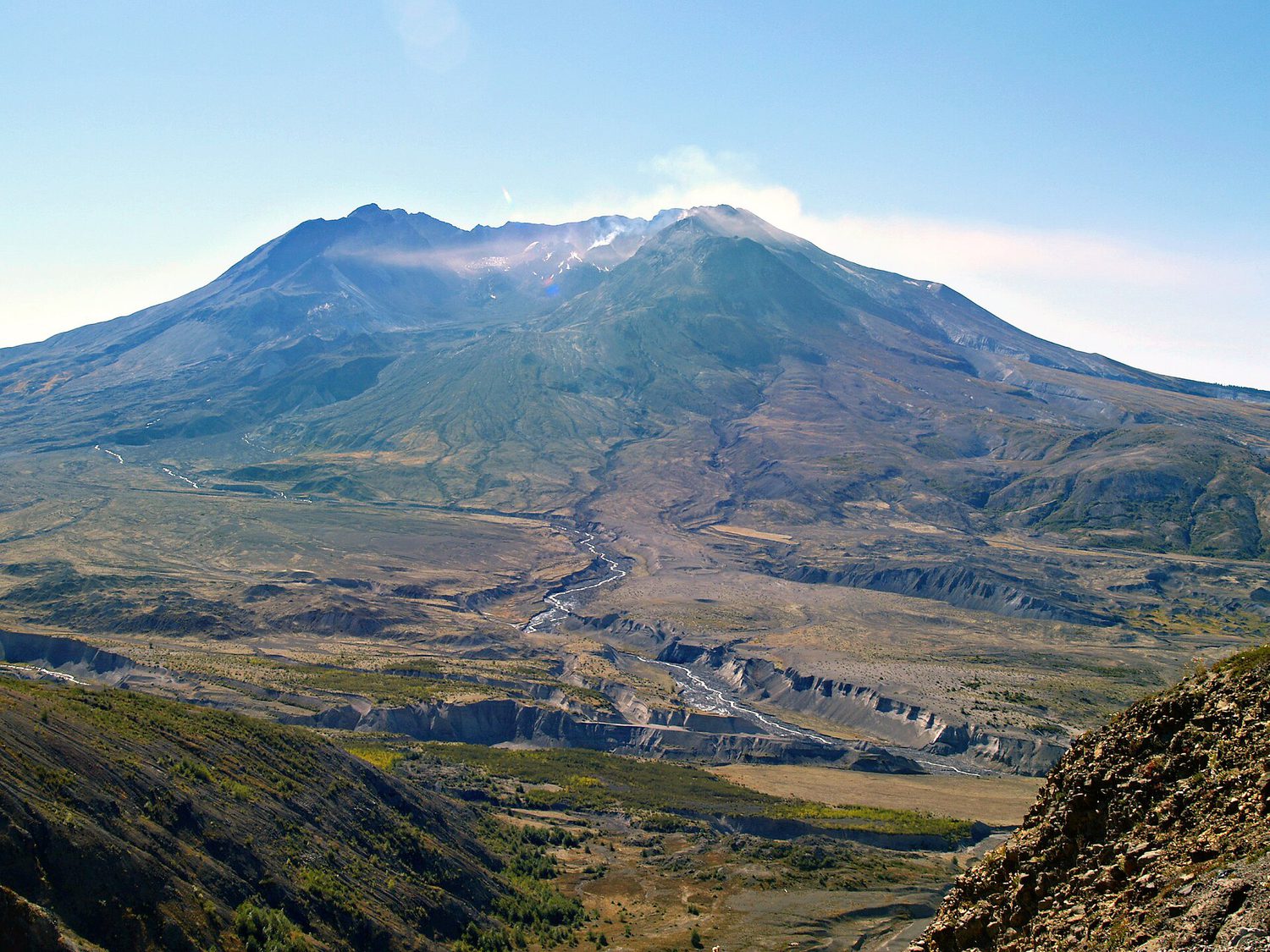 Mount St. Helens Summit ClimbGifford Pinchot NF · WashingtonPermitReservationtough odds
How it works
- An email the morning each window opens, never the day after.
- A 14-day heads-up so you can line up your group and dates.
- Win odds and a ranked backup plan for every trail you pick.
Didn't win? We keep watching. We check recreation.gov every day for The Enchantments, Half Dome and Angels Landing, and email you the moment a sold-out date frees up. Cancellations are the second chance most people never hear about.