Why December Is Bryce Canyon at Its Best
Bryce Canyon National Park is famous for its hoodoos, the tall, slender rock spires that fill its natural amphitheaters. In summer those orange and pink columns are stunning. In December they become extraordinary, capped with white snow against a deep blue Utah sky. Bryce sits high, between roughly 8,000 and 9,100 feet on the Paunsaugunt Plateau, so it gets real winter. Crowds vanish, the air is sharp and clear, and the contrast of red rock and fresh powder is unforgettable. That visual payoff is exactly why Bryce earns a spot in our roundup of the best national parks to visit in December.
What Winter Looks Like Here
Daytime highs in December typically sit in the 30s to low 40s Fahrenheit, with nights dropping well below freezing. Snow is frequent and often lingers for days. The main 18-mile scenic park road and the major viewpoints are plowed and stay open, so even on a short visit you can drive to Sunrise Point, Sunset Point, Inspiration Point, and Bryce Point for the headline amphitheater views.
The Best Winter Hike: Navajo Loop and Queens Garden
The classic Bryce hike combines two trails into one loop that drops right down among the hoodoos. Start at Sunrise Point, descend the Queens Garden Trail, connect to the Navajo Loop, and climb back up to Sunset Point. It runs about 3 miles with a few hundred feet of elevation change. In winter the descent past famous formations like Thor's Hammer and the towering walls of Wall Street feels otherworldly under snow. A few notes:
- The steep Wall Street side of Navajo Loop often closes in winter, so plan to use the Two Bridges side instead
- Microspikes are essential for the packed, icy switchbacks
- Start early, since daylight is short and the trail can refreeze fast in shade
Snowshoeing and the Rim Trail
When snow is deep, the plateau above the amphitheater turns into a snowshoeing playground. The Rim Trail between Fairyland Point and Bryce Point offers level walking with constant overlooks into the hoodoos. The park sometimes runs ranger-guided snowshoe programs and lends snowshoes for them, conditions permitting. Cross-country skiing is also popular on the groomed trails just outside the park near Ruby's Inn.
Getting There and Where to Stay
Bryce is reached via Highway 12 and Highway 63 in southern Utah, a few hours from both Las Vegas and Salt Lake City. The nearest lodging hub is Bryce Canyon City right at the entrance, anchored by Ruby's Inn, which stays open all winter. Inside the park, The Lodge at Bryce Canyon typically closes for the season, so book just outside. Carry chains or use all-weather tires, and always check road conditions after a storm.
What to Pack for a Winter Visit
The high elevation means you must take the cold seriously:
- Microspikes: non-negotiable for the icy amphitheater trails
- Insulated, waterproof boots: snow gets into low shoes fast
- Layers: base, insulation, and a windproof shell for exposed rim winds
- Sun protection and lip balm: snow glare and dry air are intense at altitude
A One to Two Day Plan
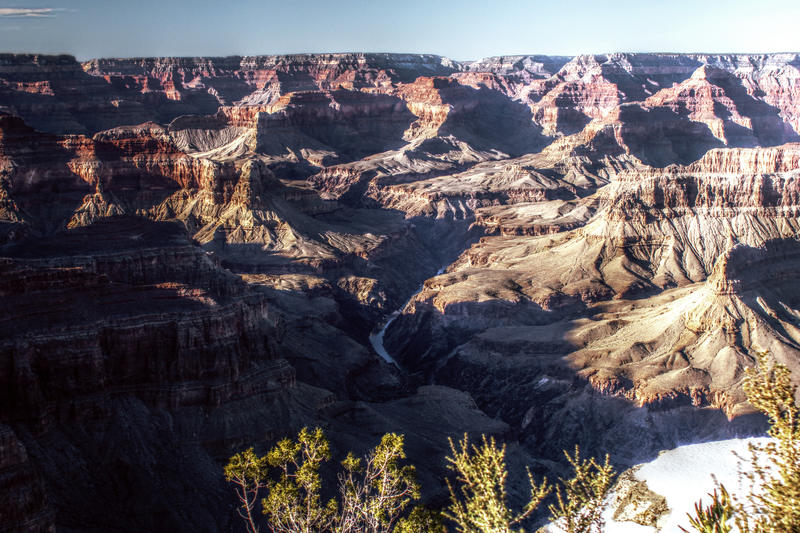
On a single day, catch sunrise at Sunrise or Bryce Point, hike the Queens Garden to Navajo Loop, then drive the viewpoints in the afternoon. With a second day, add a snowshoe along the Rim Trail and a sunset at Inspiration Point. Bryce pairs naturally with Utah's other red-rock parks and a snow-dusted Grand Canyon South Rim for a December loop that swings between high desert snow and warmer southern viewpoints.
Bryce Canyon in Winter: Hiking the Snow-Capped Hoodoos FAQs
Yes. Bryce Canyon is open year-round. The main scenic road and major viewpoints are plowed and accessible in December, though some side roads and in-park lodging close for the season.
Yes, with traction. The Queens Garden and Navajo Loop trails stay open, but switchbacks are icy and packed with snow, so microspikes are essential. The steep Wall Street section often closes in winter.
It does. Sitting between roughly 8,000 and 9,100 feet, Bryce receives frequent December snow that lingers for days, which is exactly what makes the snow-capped hoodoos so striking.