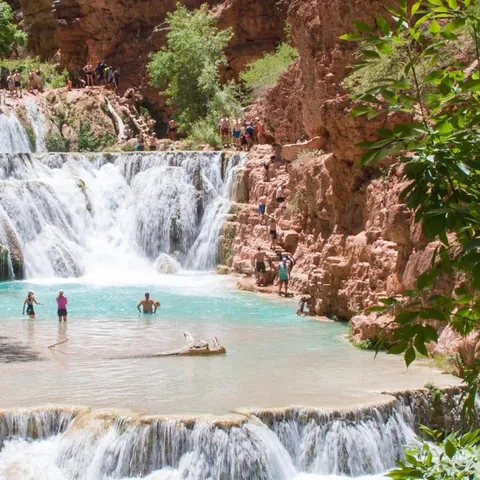
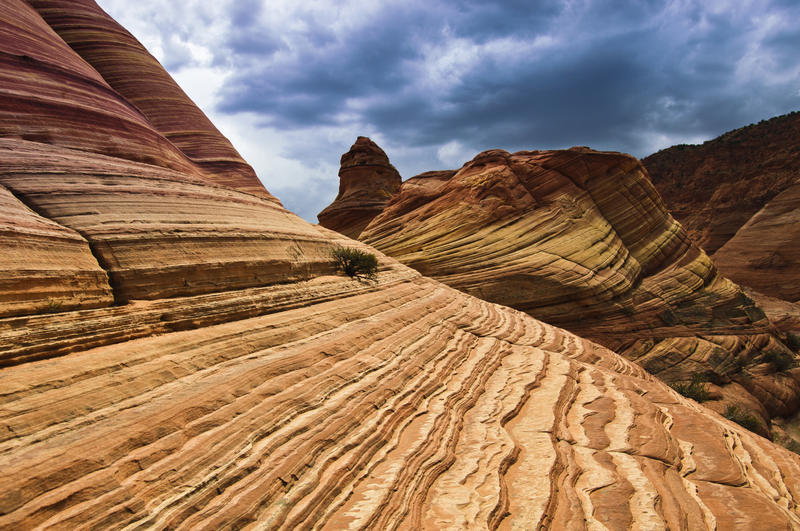
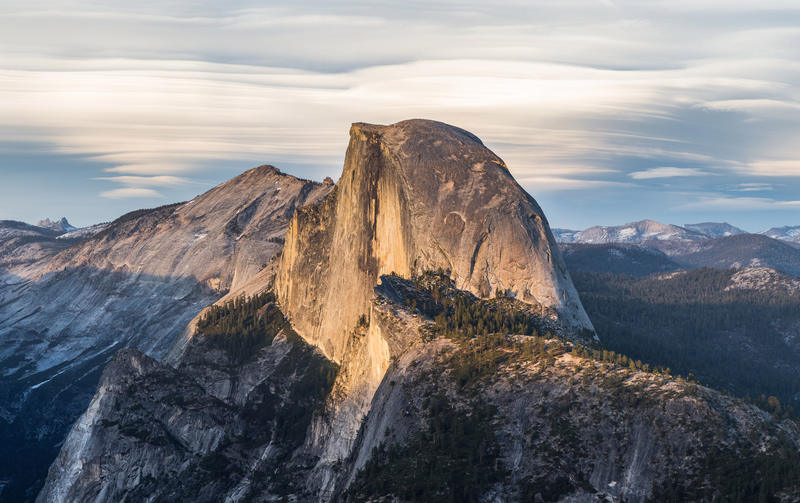
Utah's Mighty Five national parks, Zion, Bryce Canyon, Arches, Canyonlands, and Capitol Reef, span a huge range of elevations across southern Utah, which means there is no single perfect month for all of them. Zion sits low and hot in the desert, while Bryce Canyon sits more than 5,000 feet higher and can hold snow into spring. Knowing the best time to visit Utah's Mighty Five comes down to balancing comfortable temperatures, manageable crowds, and open trails. This guide breaks the year down so you can pick the right window for your trip.
Spring (April to May): The Sweet Spot

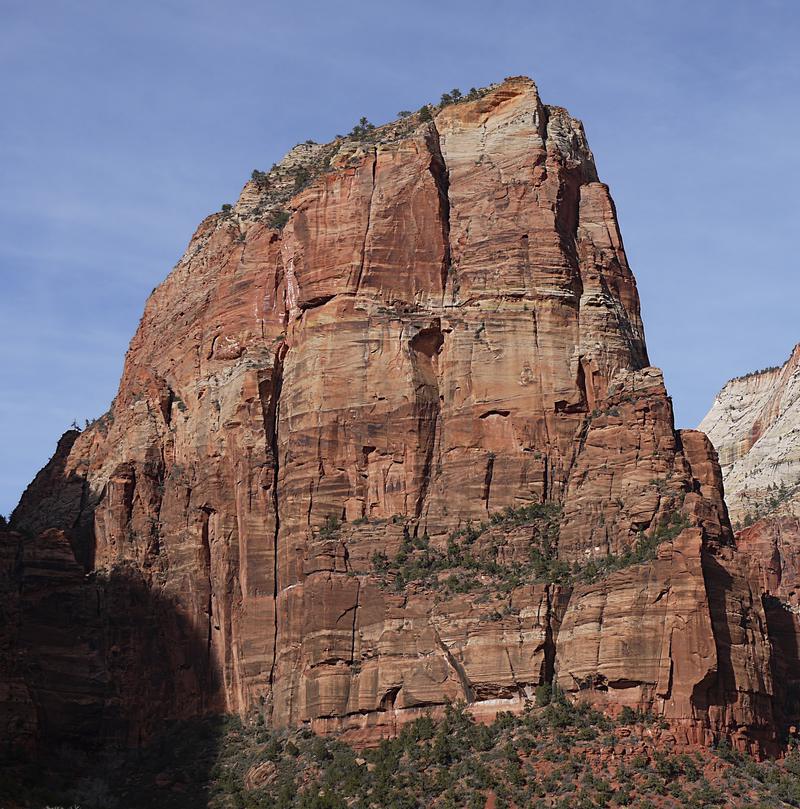
Spring is widely considered the best overall season for the Mighty Five. Daytime highs in Zion, Arches, and Canyonlands climb into the comfortable 60s and 70s Fahrenheit, perfect for hiking trails like Zion's Angels Landing approach or the Delicate Arch trail in Arches. Wildflowers bloom along the rim trails at Bryce, though the higher park can still see snow and overnight freezes in early April. The main downside is that spring break weeks pack Zion's shuttle and parking, so visit midweek when you can.
Fall (September to October): The Other Sweet Spot
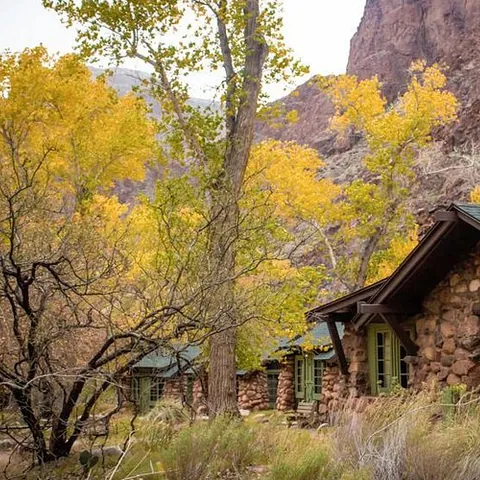
Fall rivals spring for ideal conditions. The brutal summer heat in the low desert parks fades, crowds thin out after Labor Day, and Capitol Reef's historic Fruita orchards offer pick-your-own fruit in September. October brings cottonwood color along the Fremont River and crisp, clear hiking days. Daytime temperatures are pleasant, and nights cool off nicely for camping.
Summer (June to August): Hot in the Desert, Cool Up High
- Zion, Arches, and Canyonlands: highs routinely top 100 Fahrenheit, making midday hiking dangerous. Hike at dawn and rest in the afternoon.
- Bryce Canyon: the 8,000-plus-foot elevation keeps it pleasant, often in the 70s, making it a summer refuge.
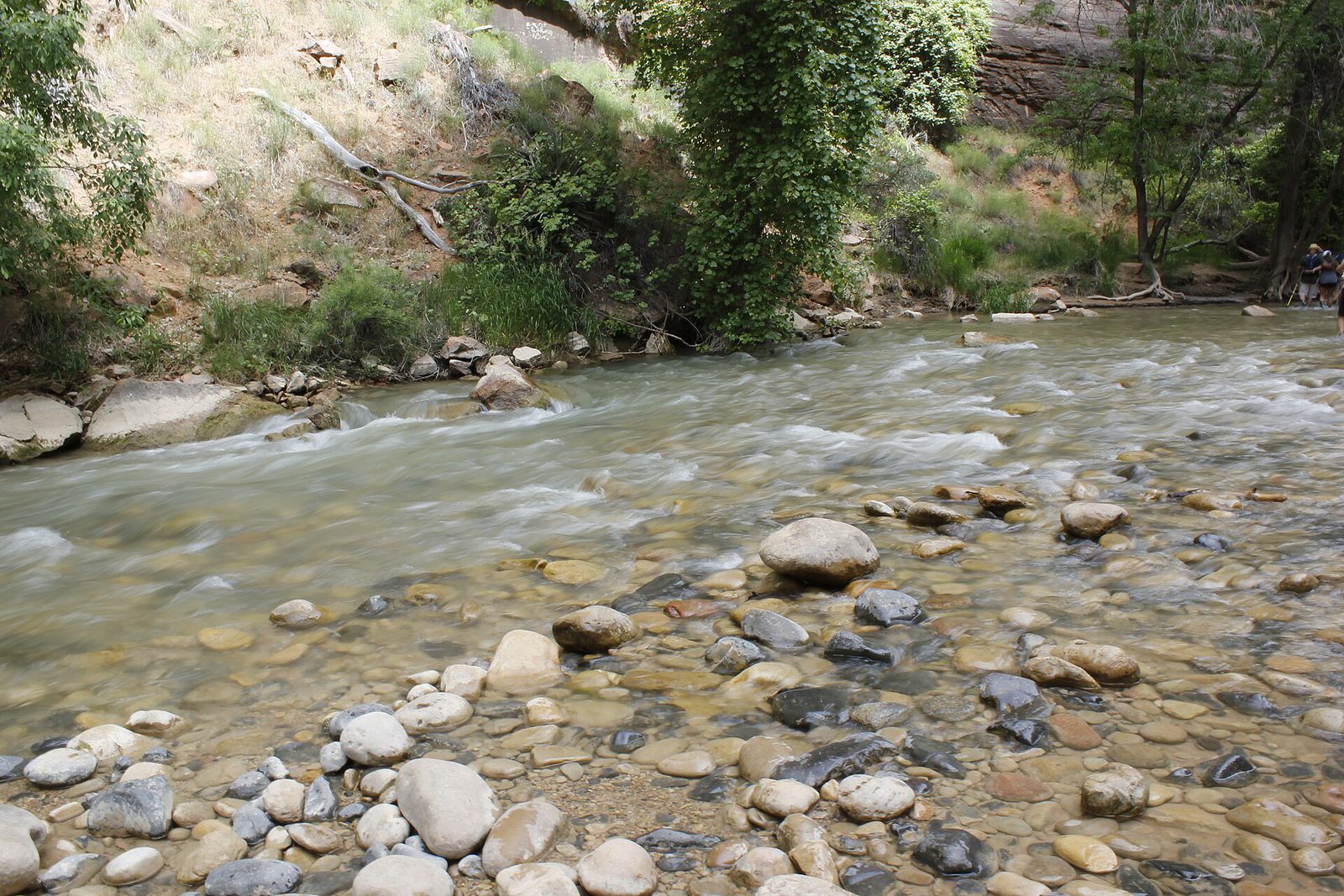
- Monsoon season: July and August bring afternoon thunderstorms and flash-flood risk in slot canyons like Zion's Narrows. Always check the forecast.
Summer is the busiest season despite the heat, so expect full campgrounds and timed-entry pressure at Zion.
Winter (November to March): Quiet and Dramatic
Winter is the secret season. Arches and Canyonlands see far fewer visitors, and snow-dusted red rock is unforgettable. Bryce Canyon becomes a snowshoe and cross-country ski destination, with hoodoos capped in white. Zion stays accessible, and its canyon walls glow in the low winter sun. The tradeoffs are short days, icy trails that may need traction devices, and the closure of some higher roads in Bryce and Capitol Reef.
How to Plan Around Crowds
Zion is by far the most crowded of the five and requires using a shuttle in the main canyon most of the year. Arches has used a timed-entry reservation system during peak season, so check the current rules before you go. To avoid the worst congestion, start hikes before 8 a.m., visit popular arches at sunrise or sunset, and save the quieter parks like Capitol Reef and the Needles district of Canyonlands for the middle of the day.
Putting It All Together
For most families, a trip in late April, May, September, or early October hits the sweet spot of warm-but-not-scorching weather and trails that are fully open across all five parks. If you want a ready-made plan that sequences the parks by elevation and drive time, our Utah Mighty Five family road trip itinerary lays out a 7 to 10 day route with kid-friendly hikes and short drives between parks, built around these ideal shoulder seasons.
Best Time to Visit Utah's Mighty Five National Parks FAQs
May and October are the standouts. Both offer comfortable hiking temperatures across all five parks, with May adding spring wildflowers and October bringing fall color and pick-your-own fruit at Capitol Reef.
Summer is doable but challenging. Zion, Arches, and Canyonlands regularly exceed 100 degrees Fahrenheit, so hike at dawn and rest midday. Bryce Canyon stays cool thanks to its high elevation, and July and August bring monsoon flash-flood risk in slot canyons.
Zion requires shuttle use in the main canyon most of the year, and Arches has used a timed-entry reservation system during peak season. Always check the current National Park Service rules for each park before your trip.