The Porcupine Mountains sit on the wild northwest corner of Michigan's Upper Peninsula, where Lake Superior dictates the weather and the seasons arrive late and leave early. Choosing when to visit changes everything: the waterfalls you see, the colors on the ridges, the bugs you swat, and how many other people share the trail. Here is how each season actually plays out in the Porkies, and when to go for what you want most.
Fall (Mid-September to Mid-October): The Crown Jewel

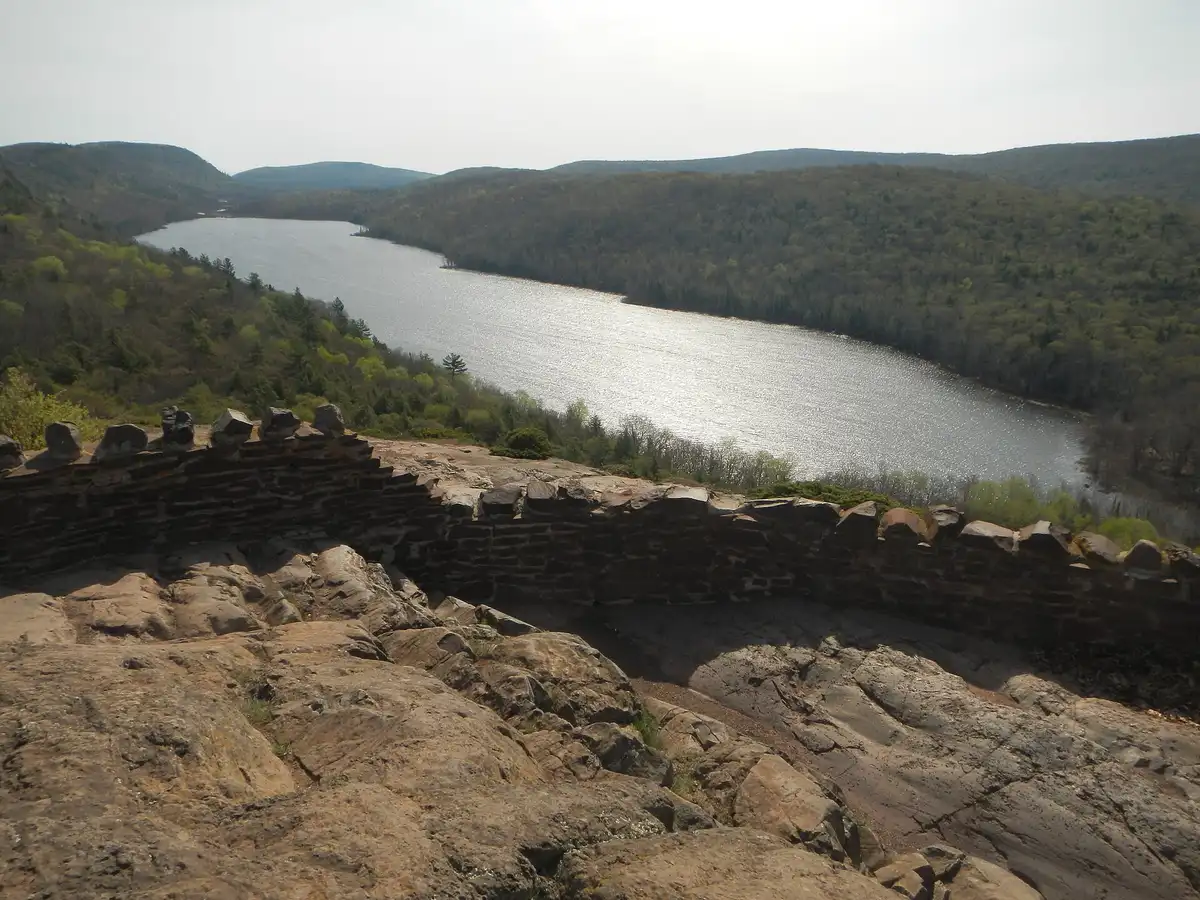
If you can only visit once, go in fall. The Porcupine Mountains hold one of the largest tracts of old-growth northern hardwood forest in the country, and when the sugar maples, birches, and aspens turn, the ridges blaze red, orange, and gold. The view from the Lake of the Clouds overlook during peak color is one of the most famous scenes in the Midwest.
Peak color usually lands in the first two weeks of October, sometimes a touch earlier on the high escarpment. Weekends draw crowds to the overlooks, so arrive early and hike a trail like the Escarpment to escape the parking-lot bustle. Nights get cold, often near freezing, so pack accordingly.
Summer (June to August): Backpacking Prime Time
Summer is the most reliable season for long days on the trail. By June the snow is gone from the interior, the rivers are still healthy, and the backcountry cabins and campsites are fully open. This is the window most people choose for a multi-day trip, and it is when our Porcupine Mountains backpacking itinerary is easiest to follow, with the Big and Little Carp trails dry and the cabins reservable.
Two cautions for summer visitors:
- Bugs: black flies in late spring and mosquitoes through July can be fierce near the rivers; bring strong repellent and a head net
- Weekends and holidays: campsites and cabins book months ahead, so reserve early through the Michigan DNR
Daytime temperatures are pleasant, usually in the 70s, and Lake Superior keeps the lakeshore noticeably cooler than inland.
Spring (April to May): Waterfalls at Full Roar
Spring is the secret season for waterfall hunters. As the snowpack melts, the Presque Isle and Carp rivers swell and every cascade in the park runs at maximum power. Manabezho Falls and the Presque Isle loop are spectacular in May.
The trade-offs are real: interior trails can be muddy or still snow-patched into early May, river crossings run high, and many facilities do not open until late spring. Check the park's opening dates and trail conditions before committing to a backcountry route this early.
Winter (December to March): Snow and Solitude
The Porkies become a quiet winter destination built around the small downhill ski area and a network of groomed cross-country and snowshoe trails. Snowfall here is among the heaviest in the Midwest, fed by Lake Superior. Most backcountry trails are unmaintained and serious winter travel requires experience and gear, but for snowshoers and skiers willing to brave the cold, the solitude is total.
Quick Recommendations by Goal
- Fall colors: first two weeks of October
- Backpacking and cabins: June through early September
- Waterfalls at peak flow: May
- Fewest crowds with good weather: weekdays in early June or mid-September
- Snow sports: January and February
Practical Planning Notes
Whenever you visit, a few constants apply. The nearest towns for fuel and groceries are Silver City, Ontonagon, and White Pine, all small, so stock up before you arrive. Cell service inside the park is unreliable, so download maps and reservations offline. A Michigan Recreation Passport is required for vehicle entry year round. Lake Superior makes weather change fast, so pack layers in every season, even August.
Match your timing to your priority, whether that is fall color, roaring waterfalls, or a quiet backcountry loop, and the Porcupine Mountains will deliver. There is no single best time, only the best time for the trip you want to take.
The Best Time to Visit the Porcupine Mountains FAQs
Peak color typically arrives in the first two weeks of October, sometimes slightly earlier on the high escarpment. The Lake of the Clouds overlook is the most popular spot to see it, so arrive early on weekends to beat crowds.
June through early September is the most reliable window, with snow gone from the interior, dry trails, and backcountry cabins and campsites fully open. Reserve early, since summer weekends book months in advance.
May is the secret season for waterfalls, when snowmelt swells the Presque Isle and Carp rivers and cascades like Manabezho Falls run at full power. Be aware that interior trails can still be muddy or snowy early in spring.