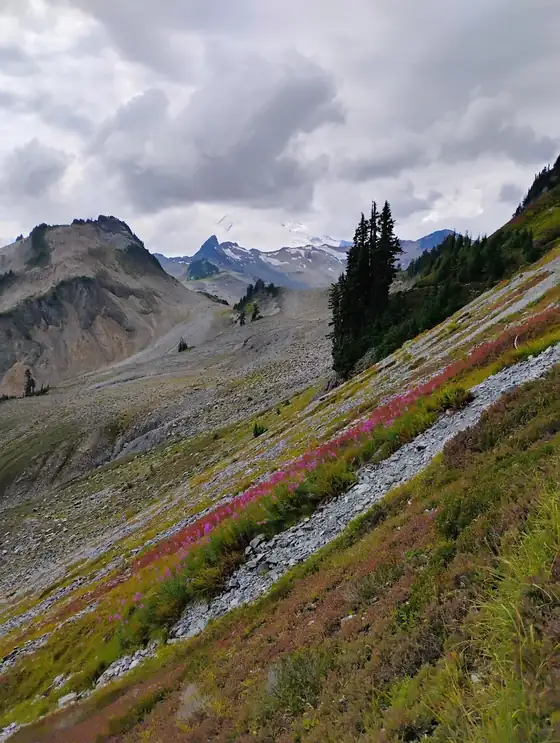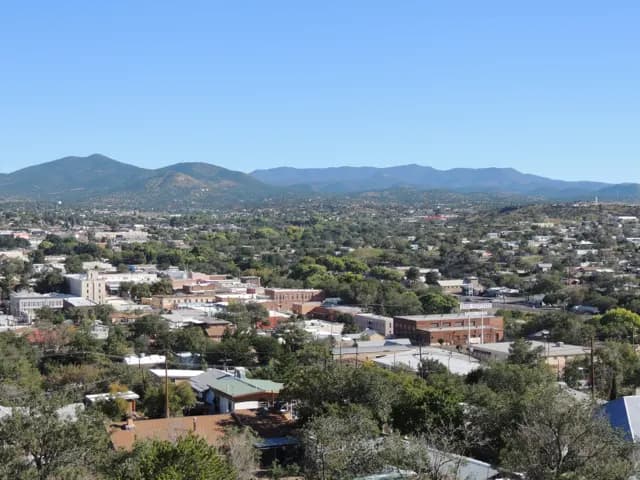
New Mexico is a state of extremes stacked on top of each other. In a single day you can stand on 60-degree gypsum dunes at White Sands and then drive into the 11,000-foot Sangre de Cristo Mountains above Taos where snow lingers into June. That vertical range, from low desert near Las Cruces to alpine peaks near Wheeler, means there is no single best time to visit; it depends on what you came to do. This guide breaks it down by season so you can time your trip around the weather you actually want.
Spring (March to May): The Sweet Spot

Spring is arguably the best all-around season for a road trip. Desert lowlands like White Sands, Carlsbad Caverns, and the Gila are pleasantly warm and not yet brutal, wildflowers bloom across the basins, and crowds are thin. The catch is wind; March and April can be genuinely gusty, kicking up dust on the open plains. High-country trails near Santa Fe and Taos are still snowbound until late May, so save the alpine for later.
Summer (June to August): Heat, Then Monsoon
Early June is hot and dry, often the hottest, driest stretch of the year and a real fire-danger window when forests sometimes close. Then, usually around the first week of July, the North American monsoon arrives. Afternoon thunderstorms build almost daily through early September, dropping the bulk of the year's rain in dramatic bursts. The monsoon greens the desert and cools the afternoons, but it also brings flash floods in slot canyons and along rivers like the Gila. Summer rules to live by:
- Hike in the morning and be off exposed ridges and out of canyon bottoms by early afternoon.
- Head for elevation; Santa Fe, Taos, and the high country are 15 to 20 degrees cooler than Albuquerque.
- Watch the sky and never camp in a wash during monsoon season.
Fall (September to November): The Connoisseur's Pick
Many locals call fall the finest season. The monsoon fades, the air turns crisp and clear, and the aspens of the northern mountains blaze gold in late September and early October. It is also when green chile roasting perfumes every town and when the Albuquerque International Balloon Fiesta fills early-October skies with hundreds of hot-air balloons, the single biggest event on the state's calendar. Book lodging months ahead for Fiesta week. For hikers, September and October offer the year's most reliable combination of dry trails, comfortable temperatures, and long daylight. If you are planning a big loop that links the desert parks with the northern mountains, our New Mexico 10-day wilderness itinerary is built around this fall sweet spot.
Winter (December to February): Snow Up High, Sun Down Low
Winter splits the state in two. The northern mountains turn into a legitimate ski destination, with Taos Ski Valley, Ski Santa Fe, and Angel Fire drawing powder hounds. Santa Fe and Taos are magical under snow, especially around the holidays with farolitos lighting the adobe streets. Meanwhile the southern desert stays mild and sunny, making December through February a quiet, affordable, and crowd-free time to explore White Sands and Carlsbad Caverns, where the underground temperature is a steady 56 degrees year-round anyway.
Quick Picks by Goal
- Desert hiking and parks: March to May, or October to November.
- Mountain and alpine trails: late June through early October.
- Balloon Fiesta: early October (roughly the first nine days).
- Skiing: mid-December through March.
- Avoiding crowds and saving money: January and February in the south, midweek shoulder season everywhere.
Best Time to Visit New Mexico FAQs
Late September through mid-October is the sweet spot: dry trails, golden aspens, comfortable temperatures statewide, and the Balloon Fiesta. Spring (March to May) is a strong runner-up.
The North American monsoon runs roughly from early July through early September, bringing near-daily afternoon thunderstorms and flash-flood risk in canyons and washes.
The Albuquerque International Balloon Fiesta takes place in early October, typically spanning the first nine days of the month. Book lodging months in advance.