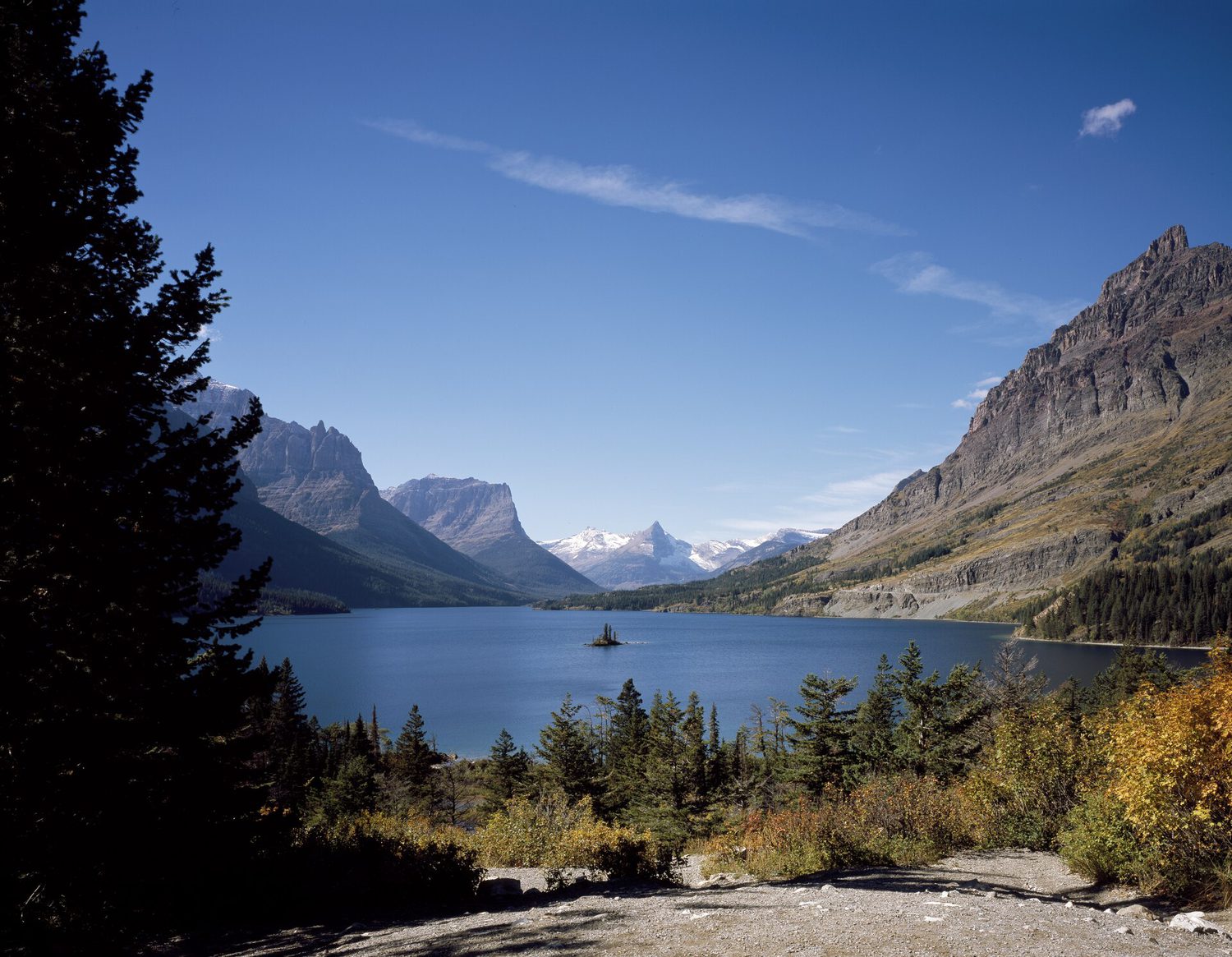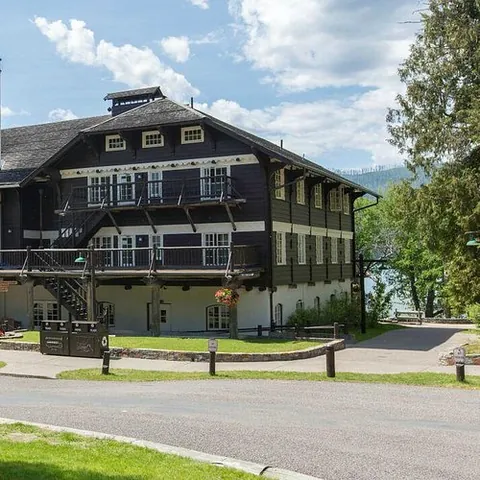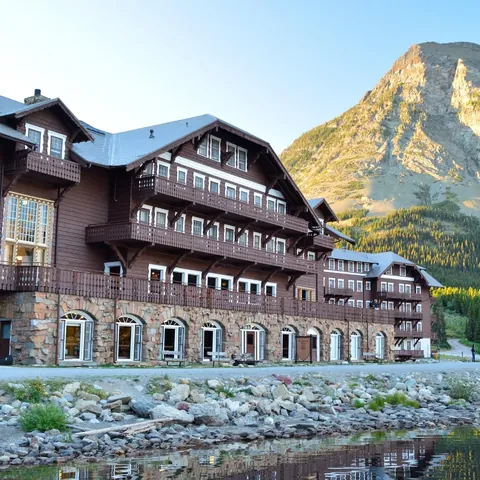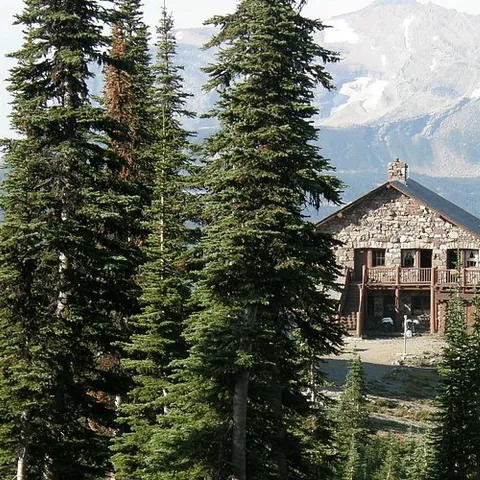
Timing matters more at Isle Royale than at almost any other national park, because the whole island shuts down for half the year. The park is only open from mid-April to late October, and within that window the experience changes dramatically week to week. Pick the right month and you get long days, dry trails, and big wildlife. Pick the wrong one and you may battle relentless biting flies or a closing-week ferry scramble. Here is how to choose.

Spring: Mid-April to Late May
The park opens in mid-April, but services are minimal and ferry schedules are limited. Expect cold nights, lingering ice on inland lakes, and muddy, sometimes flooded trail sections along low stretches of the Greenstone Ridge. This is the season for hardy hikers who want the island nearly to themselves and do not mind layering up. Lake Superior is dangerously cold, so swimming is out.
Early Summer: June to Mid-July
Days are long and green, but this is peak bug season. Blackflies arrive in late May and June, followed by clouds of mosquitoes through July. A head net is not optional during these weeks. On the upside, wildflowers bloom, moose are active in the marshes, and waterfalls run full. If you visit now, choose campsites on breezy points like Scoville Point where wind keeps the insects down.
Peak Summer: Mid-July to Mid-August
This is the busiest stretch, when ferries from Houghton, Copper Harbor, and Grand Portage run their fullest schedules and the warmest weather arrives. Rock Harbor and popular campgrounds fill quickly, so book transport early. Bugs ease somewhat by August. It is a fine time for the classic 4-day Rock Harbor to Greenstone Ridge trek if you reserve ahead.
Late Summer and Fall: Late August to Late October
This is the connoisseur's season. Highlights include:
- Fewer bugs: blackflies and mosquitoes are largely gone by late August.
- Fall color: birch and maple turn gold and red across the ridgelines in late September.
- Active wildlife: moose enter the rut, and you may hear wolves at night.
- Smaller crowds: trails and campsites quiet down after Labor Day.
The trade-off is a shrinking window. Ferry frequency drops, weather turns volatile, and the park fully closes by the end of October. Always confirm your return sailing, because a Superior storm can strand you.
Planning Around the Weather
No matter the month, pack for rain and cold. Lake Superior generates its own moody microclimate, and a sunny 70-degree afternoon can flip to fog and 45 degrees within hours. Bring waterproof layers, quick-dry clothing, and a warm sleeping bag even in July. Once you have your dates, the Isle Royale backpacking itinerary walks you through a four-day route across the island.
Best Time to Visit Isle Royale National Park FAQs
Late August through mid-September is ideal for most visitors: the biting flies have faded, temperatures are comfortable, crowds thin out, and trail conditions are dry.
Blackflies and mosquitoes are at their worst from late May through July. A head net is essential during these weeks. Bug pressure drops significantly by late August.
No. Isle Royale is the only national park that closes completely each year. It is open only from mid-April to late October, then shuts down for the winter.