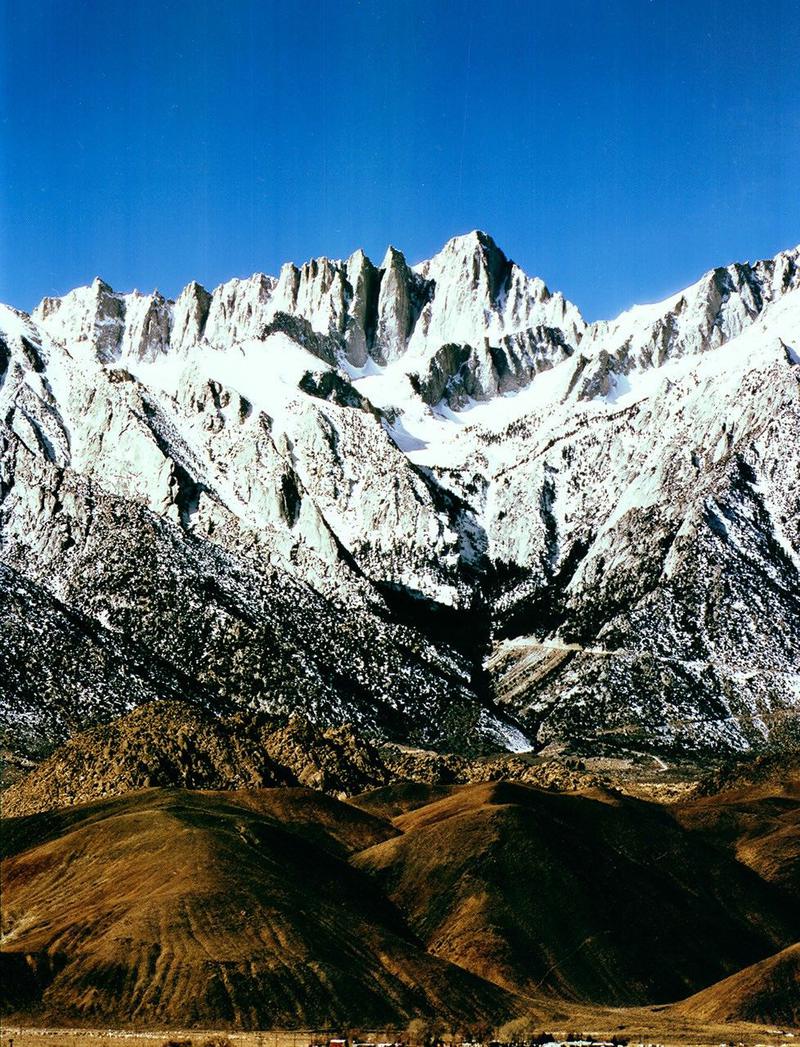
Mount Whitney tops out at 14,505 feet, so the question is not just when the weather is nice in Lone Pine but when the upper mountain is actually climbable. The summit can hold snow into July and see fresh snow in September, and conditions on the 99 switchbacks above Trail Camp change dramatically through the year. Here is how the season really breaks down.
May and early June: snow and ice axes

The permit quota season opens May 1, but the trail in May is a winter mountaineering route, not a hike. Expect snow above Trail Camp, an icy chute where the switchbacks normally run, and the need for crampons and an ice axe. Only experienced hikers with self-arrest skills should attempt Whitney this early. The payoff is solitude and easier permits, but the risk is real.
July: the classic summer window
By mid-July most of the snow has melted off the switchbacks in a normal year, and the Mount Whitney Trail becomes a long but non-technical hike. Daytime temperatures at Whitney Portal are pleasant and the summit is usually navigable in trail runners or boots. The catch is afternoon thunderstorms, which build over the Sierra crest almost daily. The fix is simple: start your summit push before 3 a.m. and aim to be off the summit by noon.
August: warm days, monsoon risk
August is similar to July with reliably snow-free trail and warm valley temperatures, but the North American monsoon often peaks now. Lightning above treeline is the single biggest danger on Whitney, so watch the forecast closely and respect a turnaround time no matter how close the summit looks.
September and early October: the sweet spot
For many veterans, late September is the best time to hike Mount Whitney. Thunderstorm frequency drops, the crowds thin after Labor Day, the air is crisp, and the aspens around Lone Pine and the Alabama Hills turn gold. Nights at Trail Camp get cold, often below freezing, so pack a warmer bag. An early-season snowstorm is possible, so carry traction just in case.
How to choose your window
The right month depends on your experience and your priorities:
- Want the safest, simplest hike? Mid-July through late September.
- Want fewer people and fall color? Late September into early October.
- Have mountaineering skills and want solitude? May to mid-June with full snow gear.
- Worried about altitude? Any month works better if you spend a night near Lone Pine or at Horseshoe Meadow first to acclimatize.
Whatever month you choose, build in time to adjust to the elevation. Our Mount Whitney Trail summit itinerary structures a 2 to 3 day plan that gets you acclimatized before the big climb, which matters far more than raw fitness at this altitude.
Reading the weather before you go
The valley forecast for Lone Pine tells you almost nothing about the summit, which can be 30 degrees colder and far windier. Check the NOAA point forecast for the Mount Whitney summit coordinates and the Sierra recreational forecast for thunderstorm timing. Wind above 35 mph on the summit ridge is a good reason to turn back, and a high freezing level helps keep the switchbacks clear. When in doubt, the rangers at the Eastern Sierra Interagency Visitor Center in Lone Pine have the most current trail-condition reports.
Best Time to Hike Mount Whitney: Month-by-Month Conditions FAQs
Mid-July through late September offers the best balance of snow-free trail and manageable weather. Late September is a favorite for thinner crowds and fall color, though nights get cold and an early snowstorm is possible.
In May and early June the switchbacks are often snow-covered and require crampons and an ice axe. By mid-July a normal year is largely snow-free, but heavy snow winters can keep ice on the upper trail later.
Afternoon thunderstorms build over the Sierra crest almost daily in July and August, and lightning above treeline is the main danger. Starting before 3 a.m. lets you summit and descend below treeline before storms develop.