Why Moab Is the Hiking Hub of Southern Utah

Moab sits in the sweet spot between two of Utah's most famous parks: Arches National Park just five minutes north on US-191, and the Island in the Sky district of Canyonlands about 40 minutes northwest. That means you can base yourself in one town, sleep in your own bed at the Big Horn Lodge or a campsite along the Colorado River, and still tag two parks worth of trails. If you are stitching this into a bigger loop, it pairs perfectly with our 7-day Utah national park road trip, which uses Moab as the first major stop.
The hikes below are all true day hikes, doable in a few hours, and chosen because they deliver the most scenery for the effort. The single biggest mistake visitors make is hiking midday in summer, when slickrock radiates heat and temperatures top 100F. Start early.
Delicate Arch: The One Everyone Comes For
This 3-mile round trip is the signature Arches hike and the image on Utah's license plate. The trail climbs a long, exposed slickrock slab with almost no shade, gaining about 480 feet, then wraps a final ledge that opens onto the arch framed against the La Sal Mountains. Plan for two to three hours. Go at sunrise or for sunset, when the sandstone glows orange and the crowds thin. Bring a headlamp if you stay for the after-glow, and carry at least two liters of water per person.
Mesa Arch at Sunrise in Canyonlands
The Mesa Arch loop in the Island in the Sky district is only half a mile, but the payoff is outsized. At dawn the underside of the arch catches reflected light and glows like an ember over the canyon below. Photographers line up early, so arrive 45 minutes before sunrise to claim a spot. While you are in this district, add the short Grand View Point walk for a sweeping look down into the canyon country.
The Windows and Double Arch
If you want maximum arches for minimum walking, the Windows Section is your stop. A roughly 1-mile loop links the North and South Windows, and a separate flat path of under half a mile reaches Double Arch, the tallest in the park. This area is ideal for late afternoon when the warm light hits the openings, or as a gentle leg-stretcher between bigger hikes.
A Few More Worth Your Time
- Landscape Arch in the Devils Garden: a 1.6-mile round trip to one of the longest natural arches in the world, with a sandy but easy path.
- Park Avenue: a 2-mile one-way walk down a corridor of towering fins, best done with a car shuttle or as an out-and-back.
- Corona Arch: a 3-mile round trip on BLM land just outside the park, free to access, with ladders and cables that make it feel adventurous.
- Fisher Towers: a 4.4-mile round trip along the Colorado River corridor with red rock spires and big desert views.
How to Hike Moab Smart
Water is the whole game out here. Carry more than you think you need, and refill in town before you drive into the parks, because there are few reliable sources on the trails. The shoulder seasons of April, May, September, and October are the most comfortable for hiking; July and August are brutally hot, and afternoon monsoon storms can flood slot canyons. Arches now runs a timed-entry reservation system during peak months, so book your park entry window in advance or enter before 7 a.m. to skip it.
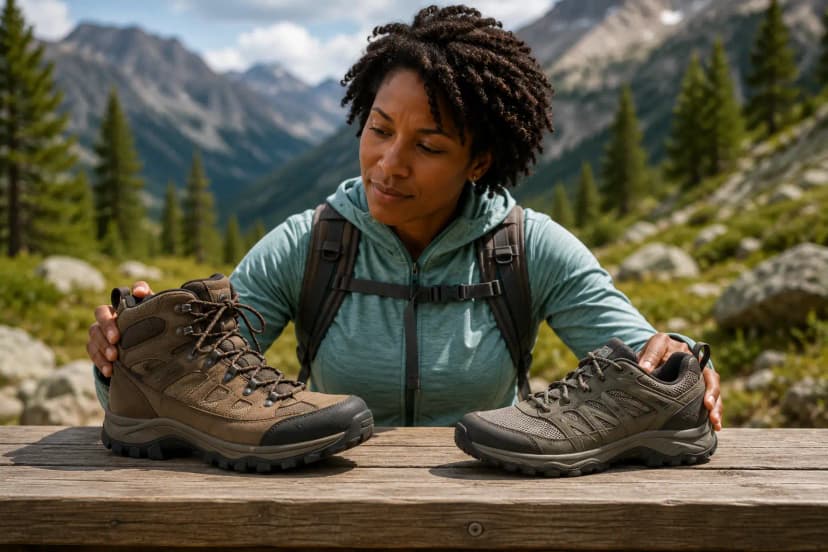
Footwear matters more than in most places. Slickrock can be slippery when dusted with sand, so a grippy trail shoe beats a flat sneaker. And always tell someone your plan, because cell service drops fast once you leave the highway.
Best Moab Day Hikes FAQs
Delicate Arch in Arches National Park is the classic pick, a 3-mile round trip to the iconic freestanding arch. Hike it at sunrise or sunset to avoid heat and crowds and to catch the sandstone glowing.
Two full days is comfortable, one for Arches highlights like Delicate Arch and the Windows, and one for the Island in the Sky district of Canyonlands with Mesa Arch and Grand View Point. Strong hikers can sample both in a long single day.
During peak season, typically spring through fall, Arches uses a timed-entry reservation for daytime entry. You can avoid it by entering before about 7 a.m. or after the evening cutoff. Book your window online in advance to be safe.