Why Maine Is a Hiker's Dream

Hiking in Maine means choosing between three very different worlds: a rugged Atlantic coastline, a chain of high western mountains, and a vast northern forest where the trail can run for days without crossing a road. Maine has more than 3,500 miles of coastline and over 280 miles of the Appalachian Trail, the longest stretch in any single state. Whether you want a half-day summit with ocean views or a true multi-day expedition, Maine delivers. Below are the regions and trails worth building a trip around.
Coastal Hiking: Acadia National Park
Acadia, on Mount Desert Island, is the most popular hiking destination in the state for good reason. The trails here mix smooth granite, ocean spray, and historic stonework.
- Beehive Trail: A short but thrilling climb up iron rungs and ladders bolted into the cliff, with constant views over Sand Beach.
- Precipice Trail: Acadia's most exposed route, often closed in early summer to protect nesting peregrine falcons.
- Cadillac Mountain South Ridge: A longer, gradual walk to the highest point on the eastern seaboard, famous for sunrise.
- Jordan Pond Path: An easy, family-friendly loop around a clear glacial pond beneath the Bubbles.
Mountain Hiking: The Western Maine Peaks
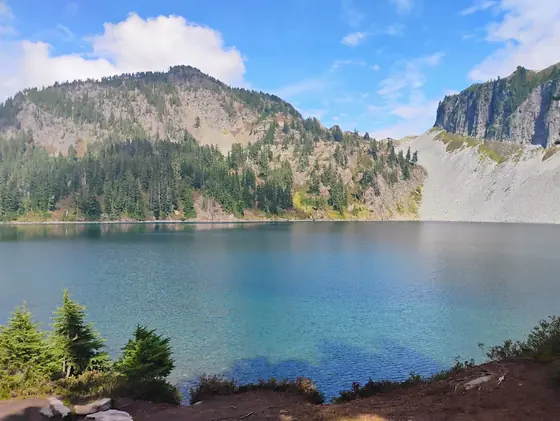
The western mountains around Rangeley, Stratton, and Carrabassett Valley hold some of the most rewarding alpine hiking in New England. Saddleback Mountain and The Bigelow Range both offer above-tree-line ridge walks with sweeping views. Tumbledown Mountain near Weld is a regional favorite, with a hidden alpine pond just below the summit and a steep chimney scramble for the adventurous. These peaks are quieter than Acadia and shine in late September when the foliage turns.
Wilderness Hiking: Baxter State Park and the 100-Mile Wilderness
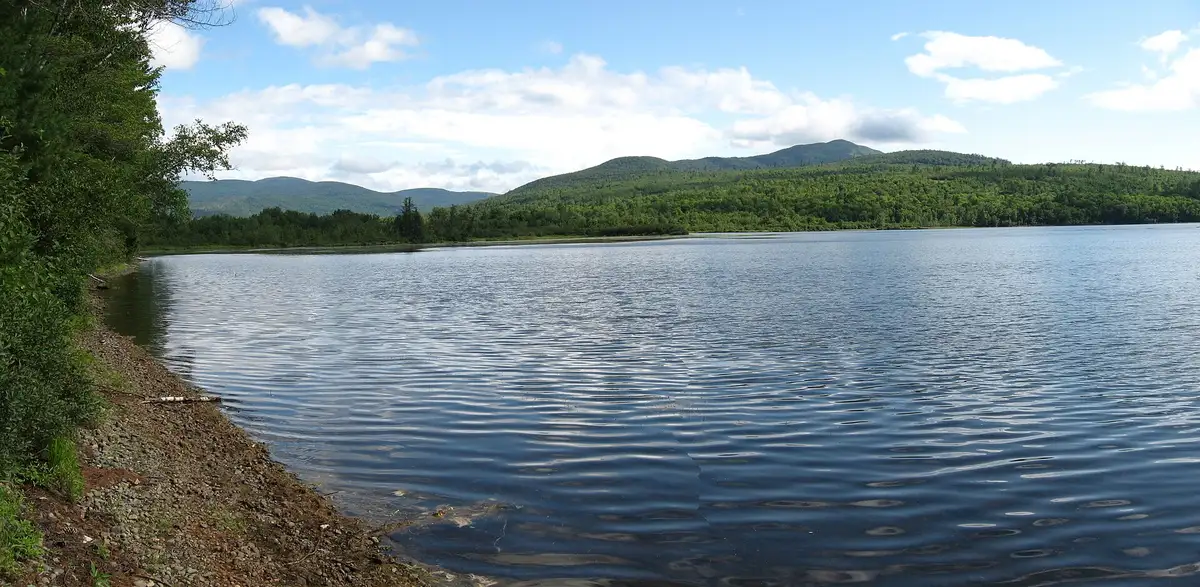
For hikers chasing solitude, northern Maine is the prize. Baxter State Park protects Mount Katahdin, the tallest mountain in the state at 5,269 feet and the northern end of the Appalachian Trail. South of the park lies the legendary 100-Mile Wilderness, the most remote section of the entire AT, stretching from the trail town of Monson to Abol Bridge. There are no resupply points, no paved crossings, and no cell service for most of it, just ponds, river fords, and dense spruce forest. It is the closest thing to true backcountry in the eastern United States. If a multi-day expedition is your goal, our 100-Mile Wilderness backpacking itinerary breaks the route into a manageable seven-day plan.
When to Go Hiking in Maine
Timing matters more in Maine than in milder states. Here is a quick season guide:
- Late spring (May to mid-June): Trails are muddy and black flies are at their worst, especially inland. Coastal hikes fare better.
- Summer (late June to August): The prime season for high peaks and wilderness travel, with the longest daylight and warmest water for swimming.
- Fall (September to mid-October): The best foliage in the Northeast, crisp air, and fewer bugs, though nights turn cold quickly up north.
What to Pack for Maine Trails
Maine weather changes fast, so layers are essential even on warm days. Always carry rain gear, plenty of water or a filter, and insect protection in summer. For wilderness routes, you also need a map and compass, a means of starting a fire, and enough food to be fully self-sufficient. The remote north has no quick exits, so a little extra preparation goes a long way. Ready to go deeper than a day hike? Start with the tallest mountain in Maine and the wild miles that lead to it in our 7-day Maine wilderness itinerary.
Hiking in Maine: The Best Trails From the Coast to Katahdin FAQs
Acadia National Park offers the best coastal hiking, the western mountains around Rangeley and Bigelow have the best alpine ridges, and Baxter State Park plus the 100-Mile Wilderness offer the best remote backcountry hiking.
Late June through August is best for high peaks and wilderness routes, while September to mid-October offers spectacular foliage and fewer bugs. Avoid late spring inland because of black flies and mud.
Maine's section is widely considered the most rugged and remote on the entire Appalachian Trail, especially the 100-Mile Wilderness and the climb up Mount Katahdin, so it suits prepared, experienced hikers.