Planning this trip?
Save it, share it with your crew, or find travelers heading the same way.
The best national parks to visit in June are Rocky Mountain, Grand Teton, Yellowstone, Olympic, Acadia, and Glacier once Going-to-the-Sun Road fully opens (usually mid-to-late June). Early summer wakes up the high country: alpine roads reopen, waterfalls peak, and wildlife is active. Skip the desert parks now, where heat turns genuinely dangerous.
I guide hikes for a living, and June is my favorite month of the year to be in the mountains. The snowpack is melting, meadows are greening, and the crowds, while building, haven't yet hit their brutal July-August peak. But June is also a transition month, and that's where people get tripped up. High-elevation trails can still be buried in snow even when the valley is sunny and 75F. Here's where to go, what's actually open, and the parks you should genuinely save for another month.
1. Rocky Mountain National Park, Colorado
Rocky Mountain is one of the most reliable June picks because Trail Ridge Road, the highest continuous paved road in the U.S. (12,183 ft), usually opens by early June (it aims for Memorial Day weekend but a heavy snow year can push it later). That means you can drive up through the tundra with the high country still patched in snow, a spectacular combination. Lower valleys run 65-75F by day; up at Alpine Visitor Center it can be in the 40s with wind, so pack layers.
Wildflowers are starting in the montane zone, elk are calving, and waterfalls are roaring with snowmelt. Signature hike: Emerald Lake (about 3.6 miles round trip) past Nymph and Dream Lakes, doable even with lingering snow on the upper section in early June. Note: a timed-entry reservation system is in effect for summer, so book ahead. Higher trails like Sky Pond may still hold snow and ice into late June.
2. Grand Teton National Park, Wyoming
The Tetons in June are electric. Snowmelt feeds the cascades, the valley turns green, and the jagged peaks still wear heavy snow up high, the postcard contrast. Daytime highs run 65-75F in Jackson Hole, nights drop to the 30s-40s. Bears (both black and grizzly) are very active after hibernation, so carry spray and know how to use it.
Most valley-floor trails are snow-free by mid-June, though anything climbing toward the high passes (like the upper Cascade Canyon to Lake Solitude) holds snow well into July. Signature hike: Jenny Lake to Hidden Falls and Inspiration Point (about 2 miles round trip from the boat shuttle, or roughly 5 miles if you walk the lakeshore). The shuttle boat across Jenny Lake usually runs by early-to-mid June.
3. Yellowstone National Park, Wyoming/Montana
June is arguably the best month for wildlife in Yellowstone. Bison calves ("red dogs") dot Lamar and Hayden Valleys, bears forage in the open, and the rivers run full. By June nearly all roads and entrances are open, and waterfalls like the Lower Falls of the Yellowstone are at peak volume. Highs are typically 60-70F, but snow flurries can still happen, this is high-altitude country (mostly 7,000-8,000 ft).
Some high trails and backcountry areas stay snowbound or muddy early in the month. Signature hike: the South Rim Trail to Artist Point and the Uncle Tom's overlook area (a flexible 2-3 miles) for jaw-dropping views of the Grand Canyon of the Yellowstone. Get to popular geyser basins and Lamar Valley early; June crowds are real but nothing like July.
4. Olympic National Park, Washington
Olympic is a brilliant June choice because it packs three ecosystems into one park, and June hits a sweet spot for all three. The temperate rainforest (Hoh, Quinault) is lush and the rain eases as summer approaches; the rugged coast (Rialto, Ruby Beach) is moody and uncrowded; and Hurricane Ridge usually has its road open with snow still lingering on the peaks. Lowland temps are mild, 60-68F, while the coast stays cool and breezy.
Note that Hurricane Ridge's high trails may still be snowy in early June, and check the current status of the Hurricane Ridge Road and day lodge before you go. Signature hike: the Hoh River Trail, hike out as far as you like (the first 5 miles round trip to Mineral Creek are easy and gorgeous), or the Hall of Mosses loop (about 1 mile) if you want a quick rainforest fix.
5. Acadia National Park, Maine
If you want a non-Western, lower-elevation option, Acadia in June is wonderful. The park comes alive before the July-August crush: lupines bloom along the roadsides, the carriage roads are perfect for cycling, and the famous Park Loop Road and Cadillac Summit Road are fully open. Daytime highs run 65-72F, mornings are cool and sometimes foggy, classic coastal Maine.
June can be buggy (blackflies early in the month), so bring repellent. Signature hike: the Beehive Loop (about 1.5 miles) with its iron-rung ladders and ocean views, or the gentler Ocean Path (about 4.4 miles round trip) along the pink-granite shore. A vehicle reservation is required to drive up Cadillac Mountain for sunrise, so book that slot in advance.
6. Glacier National Park, Montana
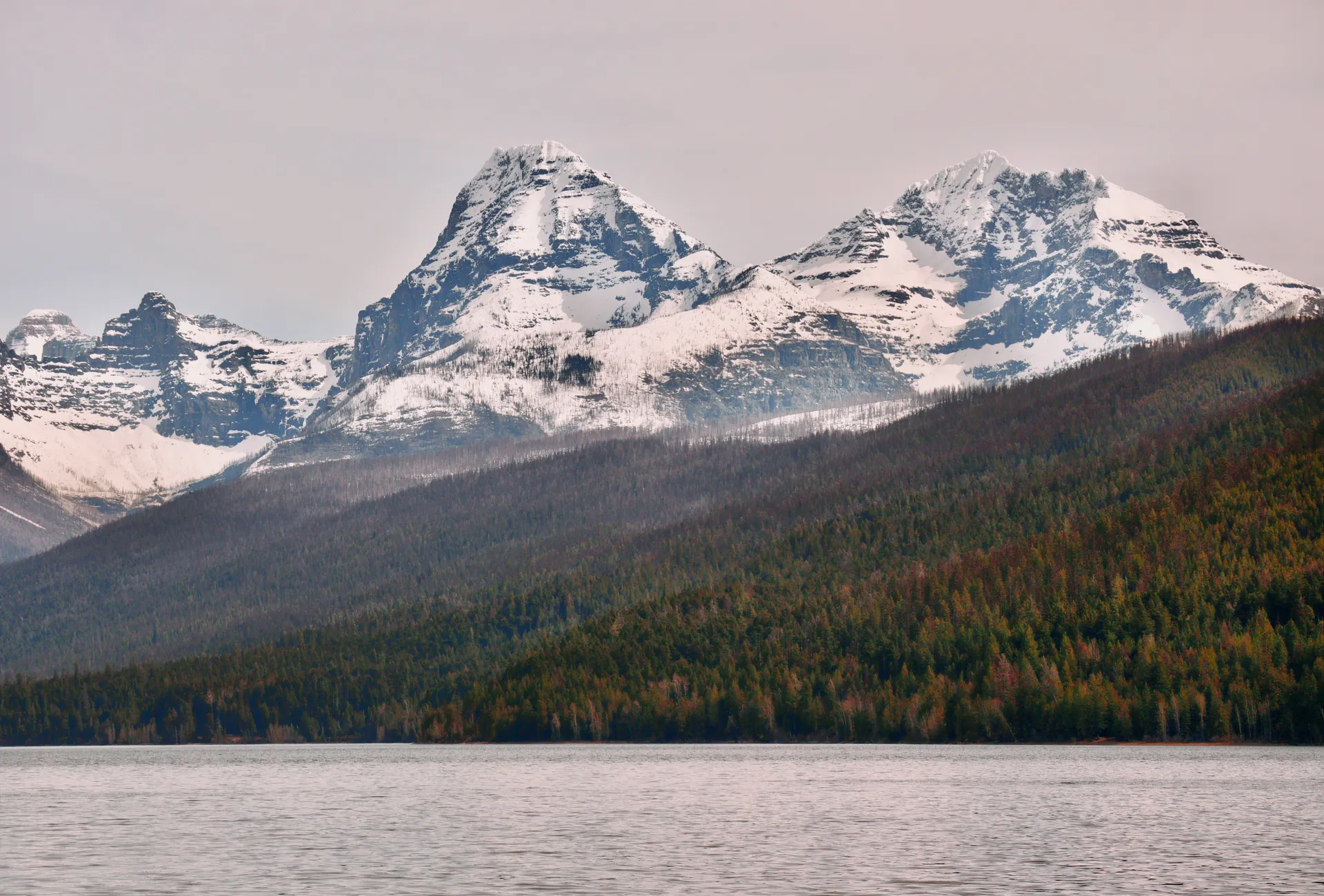
Glacier is a June park with a big asterisk. The iconic Going-to-the-Sun Road usually doesn't fully open until mid-to-late June, depending on plowing; in 2025 it opened June 16. Before the full opening, you can still access the lower west side around Lake McDonald and the Many Glacier and Two Medicine areas, which are stunning in their own right with thundering waterfalls and green valleys.
Valley temps run 60-70F; up at Logan Pass it's cold and snowy. Even after the road opens, the high Highline Trail often stays closed for snow into early July. Signature hike: Avalanche Lake (about 4.5-5 miles round trip) on the west side, accessible and spectacular early in the season. Plan around the road opening date and reserve a vehicle timed-entry permit if you're going west-side.
7. Mount Rainier National Park, Washington
Rainier in June is a quieter alternative if you time it for the lower elevations. The Paradise area (5,400 ft) is often still buried in deep snow well into June, the snowpack here is legendary, so the famous wildflower meadows won't bloom until late July. But the lowland forests, the Carbon River area, and waterfalls are gorgeous and uncrowded now. Lowland highs run 60-68F.
Manage expectations: if you're picturing meadows of paintbrush and lupine, that's a July-August park. Signature hike: the Comet Falls trail (about 3.8 miles round trip) once the lower snow has melted out, for one of the park's tallest roadside-accessible waterfalls. Note that the popular Grove of the Patriarchs trail is closed indefinitely after its suspension bridge was damaged, with replacement not slated until 2027, so don't plan around it.
Skip these parks in June
Death Valley, Joshua Tree, and the Mojave/desert parks: Death Valley regularly hits 110-120F in June, and hiking after mid-morning is genuinely dangerous, the Park Service warns against it for good reason. Joshua Tree climbs into the high 90s and 100s with little shade. Save these for October through April.
Crater Lake, Oregon: It sounds like a summer park, but Crater Lake is one of the snowiest places in America (over 40 feet a year). In June the full Rim Drive is usually still closed and snowbanks tower over the rim; the loop typically doesn't open until mid-to-late July. Wait until then.
High-country trails everywhere: Even in the "good" June parks above, anything over roughly 8,000-9,000 feet may still be snow-covered, icy, or impassable. Check the park's current trail and road status the week you go, snowmelt timing shifts every single year.
The through-line for June: head for the mountains, but stay flexible about elevation. Drive the high roads, hike the lower trails, and watch the snowline melt upward week by week. Do that, and June gives you the best of both worlds, snowy peaks above, green valleys below, and far fewer people than you'll find a month later.
Best National Parks to Visit in June: 7 Top Picks FAQs
What is the single best national park to visit in June?
Is Going-to-the-Sun Road open in June?
Which national parks should I avoid in June?
Are high-elevation trails open in June?
How warm is it in the mountain national parks in June?
Do I need reservations for national parks in June?
What other travelers are saying
Be the first to leave a tip or question for the next traveler.

Did this guide help you?
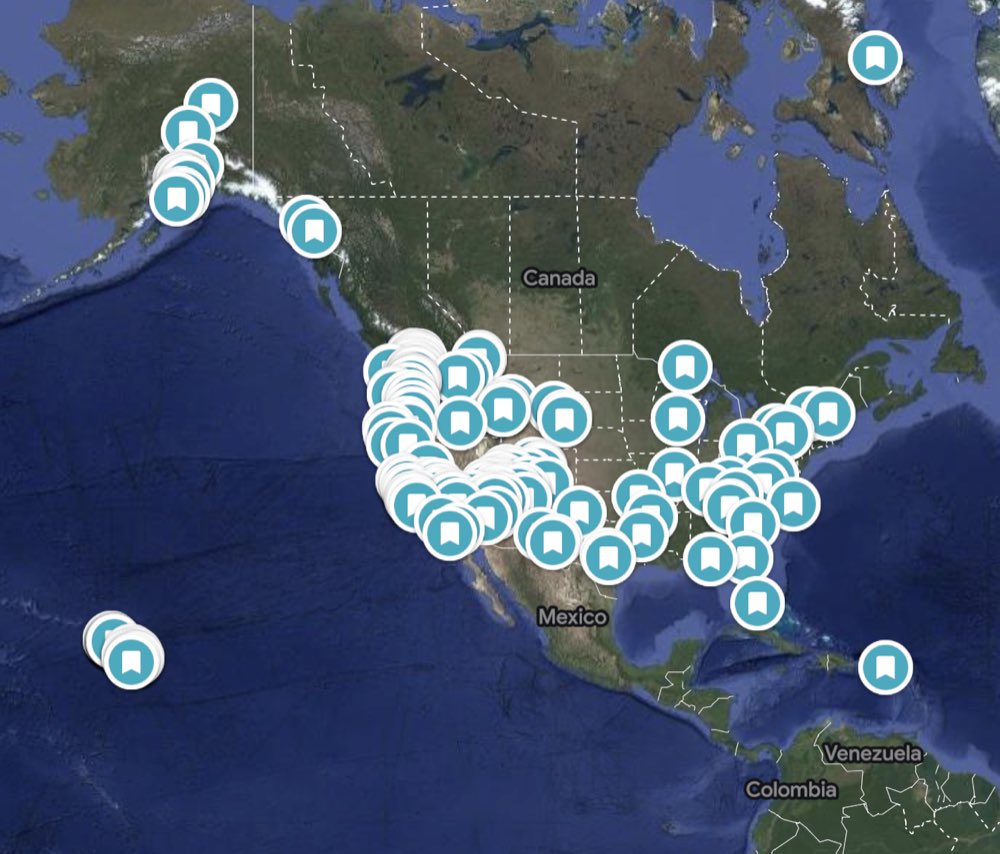
Want our free Google Maps of the best outdoor spots?
A hand-picked Google Maps list of the best hiking, kayaking, and camping spots, scenic viewpoints, and other outdoor activities across the US, sent straight to your inbox.


